Cancer recovery is a gradual process that involves physical healing, emotional support, proper nutrition, and healthy lifestyle habits. Whether someone is recovering after surgery, chemotherapy, radiation therapy, or immunotherapy, the body needs extra care to regain strength and improve overall well-being.
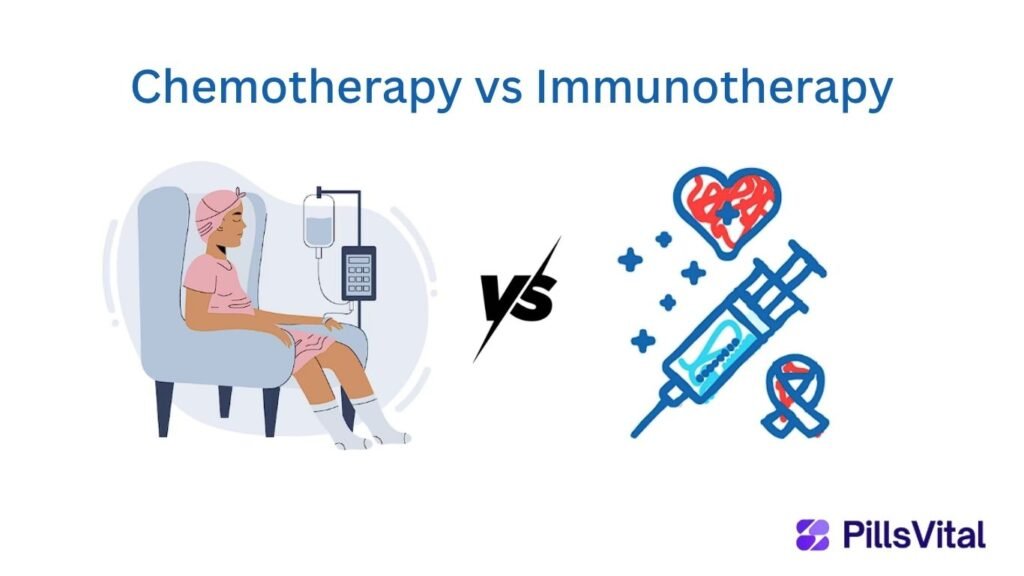
π Understand treatments: Chemotherapy vs Immunotherapy Explained
In this guide, we will explore the best foods, recovery habits, hydration tips, sleep support, and daily wellness practices that may help support the body during cancer recovery.
Why Nutrition Matters During Cancer Recovery
Cancer treatments can affect appetite, digestion, energy levels, immunity, and muscle strength. Eating nutrient-rich foods may help:
- Support immune function
- Maintain healthy body weight
- Reduce fatigue
- Improve healing and tissue repair
- Support digestive health
- Improve energy levels
A balanced cancer healing diet should include protein, fiber, healthy fats, vitamins, minerals, and antioxidants.
Best Foods During Cancer Recovery
1. Protein-Rich Foods for Tissue Repair
Protein helps rebuild tissues and maintain muscle strength after treatment.
Good Protein Sources:
- Eggs
- Fish
- Chicken
- Lentils
- Beans
- Greek yogurt
- Tofu
- Cottage cheese
Patients experiencing weakness after chemotherapy often benefit from smaller high-protein meals throughout the day.
Learn more about protein and recovery nutrition from theΒ National Cancer Institute Nutrition Guide.
2. Anti-Inflammatory Fruits and Vegetables
Colorful fruits and vegetables contain antioxidants that may help protect healthy cells from oxidative stress.
Best Choices:
- Berries
- Spinach
- Broccoli
- Carrots
- Tomatoes
- Citrus fruits
- Sweet potatoes
These foods provide vitamin C, beta-carotene, and plant compounds linked to overall wellness.
3. Healthy Fats for Energy and Brain Function
Healthy fats support hormone balance and energy production.
Recommended Healthy Fats:
- Olive oil
- Nuts
- Seeds
- Avocados
- Fatty fish like salmon
Omega-3 fatty acids may also support heart and brain health during recovery.
π Read research on omega-3 nutrition from World Health Organization (WHO).
4. Hydration and Electrolyte Support
Dehydration is common during chemotherapy and radiation treatment. Drinking enough fluids helps support digestion and energy levels.
Best Hydration Options:
- Water
- Coconut water
- Herbal teas
- Soups
- Fresh fruit water
Limit sugary drinks and excessive caffeine when possible.
Foods That May Be Easier During Chemotherapy
Some cancer treatments can cause nausea, taste changes, or mouth sores. Soft and bland foods may feel easier to tolerate.
Easy-to-Eat Foods:
- Oatmeal
- Bananas
- Rice
- Mashed potatoes
- Smoothies
- Yogurt
- Soup broth
Small frequent meals often work better than large meals.
Lifestyle Habits That Support Cancer Recovery
1. Gentle Physical Activity
Light movement may help improve circulation, mood, and energy levels.
Helpful Activities:
- Walking
- Stretching
- Yoga
- Deep breathing exercises
Always follow a doctorβs guidance before starting exercise during recovery.
The CDC Cancer Survivorship Resource explains how physical activity may support long-term recovery.
2. Quality Sleep and Stress Reduction
The body repairs itself during sleep. Stress management is also important for emotional well-being.
Recovery Sleep Tips:
- Maintain a regular sleep schedule
- Avoid screens before bedtime
- Keep the room cool and quiet
- Practice meditation or breathing exercises
Chronic stress may increase fatigue and affect recovery quality.
3. Avoid Smoking and Excess Alcohol
Smoking and heavy alcohol use may interfere with healing and increase health complications.
Helpful Recovery Goals:
- Quit smoking completely
- Limit alcohol intake
- Focus on balanced nutrition
- Attend regular medical follow-ups
Immune System Support During Recovery
The immune system can become weaker during cancer treatment. Nutrient-rich foods and healthy habits may help support immune health.
Immune-Friendly Nutrients:
- Vitamin C
- Zinc
- Selenium
- Protein
- Vitamin D
Food safety is also important. Wash fruits and vegetables properly and avoid undercooked foods if immunity is low.
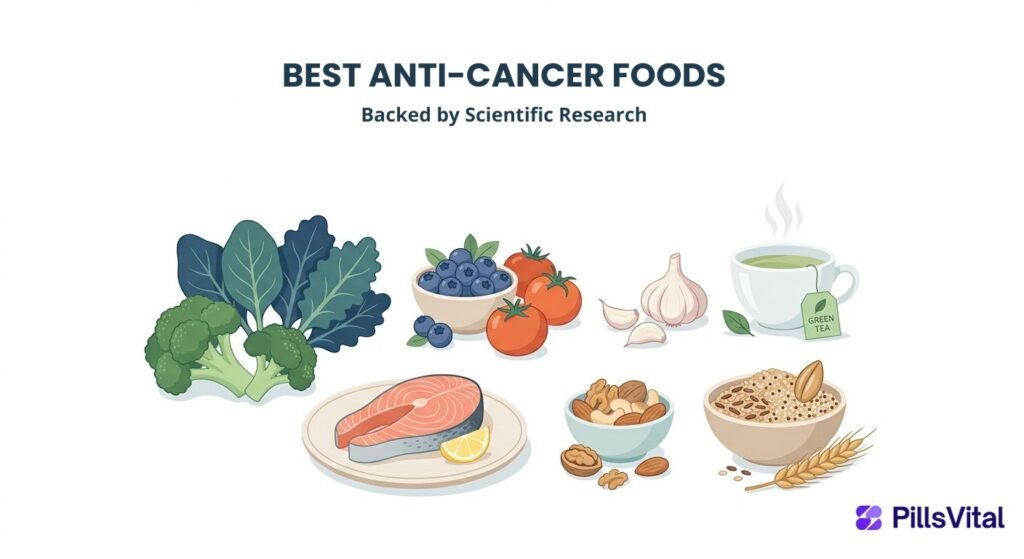
π Add preventive foods: Best Anti-Cancer Foods Backed by Research
Emotional Health During Cancer Recovery
Mental health support is an important part of healing. Anxiety, fear, and emotional stress are common during recovery.
Helpful Emotional Support Strategies:
- Join support groups
- Stay connected with family
- Practice mindfulness
- Talk with counselors or therapists
- Maintain a positive routine
Recovery involves both physical and emotional healing.
Common Challenges During Cancer Recovery
Fatigue
Cancer-related fatigue may continue for weeks or months after treatment.
Appetite Loss
Some people experience reduced appetite or taste changes.
Digestive Issues
Nausea, constipation, or diarrhea may occur after treatments.
Muscle Weakness
Loss of muscle mass can happen during prolonged treatment periods.
A personalized recovery plan from healthcare professionals is often helpful.
Tips for Caregivers Supporting Cancer Recovery
Caregivers play an important role during recovery.
Helpful Caregiver Tips:
- Prepare healthy meals
- Encourage hydration
- Help manage medications
- Support emotional health
- Attend medical appointments when needed
Support systems can make recovery easier for many patients.
Final Thoughts
Cancer recovery takes time, patience, and consistent self-care. Healthy nutrition, hydration, gentle activity, emotional support, and medical follow-up may all contribute to overall wellness after treatment.
Each recovery journey is unique, and professional medical guidance should always be followed for personalized care.
π Read full guide: Complete Cancer Prevention & Treatment Guide
Related Health Resources
Some medications are commonly researched online in broader health discussions. Always consult a qualified healthcare professional before using any medication or treatment product.
- Mebendazole Tablets
- Fenbendazole Tablets
- Ivermectin Combination Tablets
-

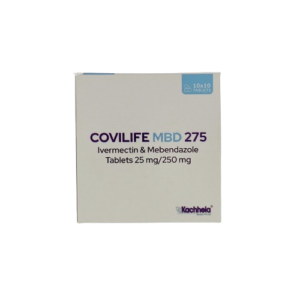
Covilife MBD 275 (Ivermectin & Mebendazole) Tablets
$92.00 – $260.00Price range: $92.00 through $260.00 This product has multiple variants. The options may be chosen on the product page -
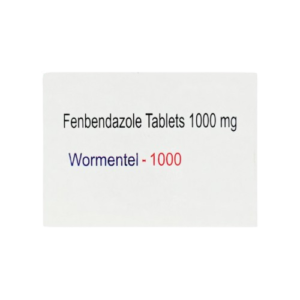
Fenbendazole 1000mg (Wormentel) Tablet
$92.00 – $260.00Price range: $92.00 through $260.00 This product has multiple variants. The options may be chosen on the product page -
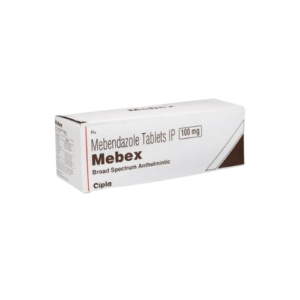
Mebendazole 100mg (Mebex) tablets
$42.00 – $115.00Price range: $42.00 through $115.00 This product has multiple variants. The options may be chosen on the product page -
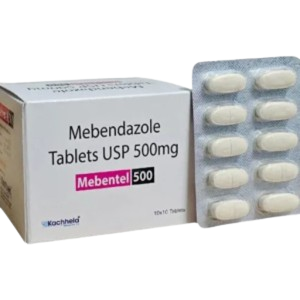
Mebendazole 500mg (Mebentel) tablets
$92.00 – $342.00Price range: $92.00 through $342.00 This product has multiple variants. The options may be chosen on the product page
β FAQs
What foods are best during chemotherapy?
Soft, protein-rich, and easy-to-digest foods such as oatmeal, yogurt, soup, eggs, bananas, and smoothies are commonly recommended during chemotherapy.
How can cancer patients improve energy levels?
Balanced nutrition, hydration, proper sleep, and light physical activity may help improve energy during recovery.
Are anti-cancer foods scientifically proven?
Many fruits, vegetables, and whole foods contain antioxidants and nutrients linked to overall health, but no single food can cure cancer.
Why is hydration important during cancer recovery?
Hydration helps support digestion, circulation, energy levels, and overall body function during treatment recovery.
Can exercise help during cancer recovery?
Gentle exercise such as walking or yoga may help improve mood, strength, and recovery when approved by a healthcare provider.
π Related Cancer Recovery Guides
Dr. Emily Carter specializes in evidence-based health education and wellness content. She focuses on simplifying complex medical topics related to cancer awareness, nutrition, preventive healthcare, skincare, and lifestyle wellness for readers worldwide.
This content is reviewed for medical accuracy, clarity, and alignment with current public health research. The article is intended for educational and informational purposes only and should not replace professional medical advice, diagnosis, or treatment.