🚚 Worldwide Shipping | πŸ”’ Secure Checkout | πŸ’¬ 24/7 Support

Welcome to PillsVital β€” Essential Care, Trusted Globally

Contact Us

+1 (354) 200-7417

Email Support

pillsvital8@gmail.com

Our Location

United States

People asking common questions about different types of cancer with awareness ribbons and PillsVital branding

Cancer remains one of the most discussed health conditions worldwide. Many people search online for reliable answers about symptoms, prevention, treatment options, and lifestyle changes that may help reduce risk.

This guide answers some of the most common cancer questions using medically reviewed information and research-backed insights.

πŸ‘‰ Start here: Complete Cancer Prevention & Treatment Guide

What Is Cancer?

Cancer is a disease in which abnormal cells grow uncontrollably and may spread to other parts of the body. It can affect almost any organ or tissue.

There are more than 100 types of cancer, including:

  • Breast cancer
  • Lung cancer
  • Colon cancer
  • Prostate cancer
  • Blood cancers
  • Skin cancer

Early detection and timely treatment can significantly improve outcomes.

Can Stress Cause Cancer?

Stress itself is not proven to directly cause cancer. However, chronic stress may contribute to unhealthy habits that increase cancer risk, such as:

  • Smoking
  • Alcohol consumption
  • Poor sleep
  • Overeating
  • Lack of exercise

Long-term stress may also affect the immune system and inflammation levels in the body.

Maintaining mental wellness through exercise, meditation, proper sleep, and social support may help improve overall health.

Is Cancer Genetic?

Some cancers can run in families due to inherited gene mutations. Examples include mutations in:

  • BRCA1 and BRCA2
  • Lynch syndrome genes
  • TP53 gene

However, most cancers are linked to lifestyle and environmental factors rather than inherited genetics alone.

Risk factors include:

  • Smoking
  • Obesity
  • Radiation exposure
  • Processed foods
  • Lack of physical activity

Family history increases risk but does not guarantee someone will develop cancer.

Can Cancer Be Cured?

Some cancers can be cured completely, especially when detected early. Treatment success depends on factors such as:

  • Type of cancer
  • Stage of diagnosis
  • Overall health
  • Treatment response

Modern treatments have improved survival rates significantly for many cancers.

Common treatment options include:

  • Surgery
  • Chemotherapy
  • Radiation therapy
  • Immunotherapy
  • Targeted therapy

πŸ‘‰ Treatment comparison: Chemotherapy vs Immunotherapy Comparison

Does Sugar Feed Cancer?

Cancer cells use glucose for energy, but so do healthy cells. Eating sugar alone does not directly cause cancer.

However, excessive sugar intake may contribute to:

  • Obesity
  • Insulin resistance
  • Chronic inflammation

These conditions are associated with higher cancer risk.

Experts recommend limiting:

  • Sugary drinks
  • Highly processed desserts
  • Refined carbohydrates

Instead, focus on balanced nutrition with fruits, vegetables, lean protein, and whole grains.

πŸ‘‰ Anti-Cancer Foods Research Guide

Is Chemotherapy Painful?

Chemotherapy itself is usually not painful during administration, but side effects can sometimes be difficult.

Common chemotherapy side effects include:

  • Fatigue
  • Nausea
  • Hair loss
  • Weak immune system
  • Appetite changes

Modern supportive care medications help reduce many side effects and improve comfort during treatment.

Every patient experiences chemotherapy differently depending on the drugs used and overall health condition.

πŸ‘‰ Chemotherapy vs Immunotherapy Comparison

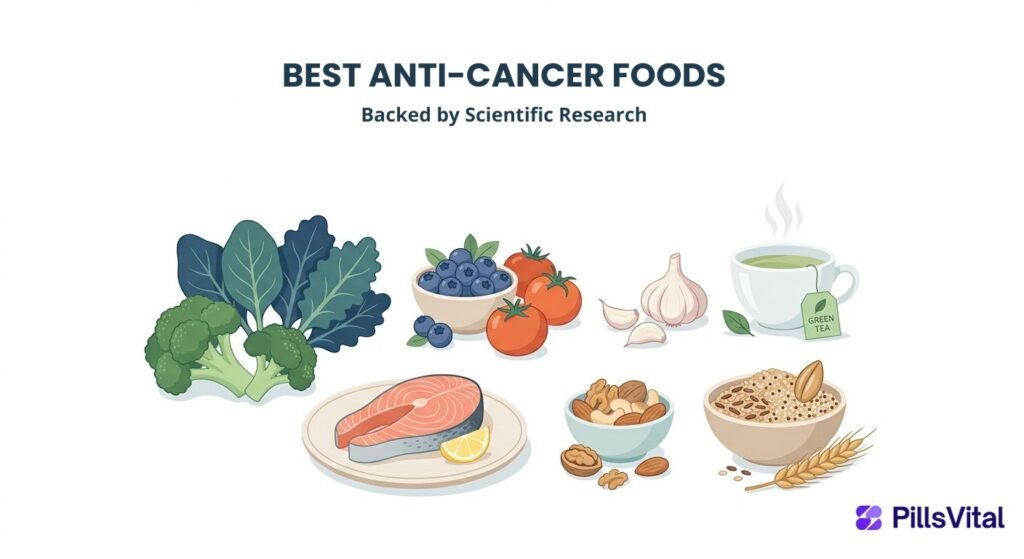
Can Diet Prevent Cancer?

No diet can guarantee cancer prevention, but healthy eating habits may help lower risk.

Research suggests protective foods may include:

  • Leafy green vegetables
  • Berries
  • Tomatoes
  • Garlic
  • Turmeric
  • Nuts and seeds
  • Whole grains

Healthy lifestyle habits also matter:

  • Regular exercise
  • Avoiding tobacco
  • Limiting alcohol
  • Maintaining healthy weight
  • Protecting skin from UV exposure

What Are the Early Symptoms of Cancer?

Early symptoms vary depending on the cancer type, but some warning signs should never be ignored.

Common signs may include:

  • Unexplained weight loss
  • Persistent fatigue
  • Long-lasting cough
  • Changes in bowel habits
  • Lumps or swelling
  • Difficulty swallowing
  • Unusual bleeding

Early detection improves treatment success rates.

πŸ‘‰ Top 10 Early Cancer Symptoms Explained

Is Cancer Always Fatal?

No. Many cancers are treatable and survivable, especially when detected early.

Advances in modern medicine have improved survival rates through:

  • Better screening methods
  • Personalized treatments
  • Immunotherapy
  • Precision medicine

Millions of cancer survivors worldwide continue to live healthy and productive lives after treatment.

Can Exercise Reduce Cancer Risk?

Yes. Regular physical activity may help reduce the risk of several cancers.

Benefits of exercise include:

  • Better immune function
  • Healthy weight management
  • Reduced inflammation
  • Improved hormone balance

Experts often recommend at least 150 minutes of moderate exercise weekly.

Activities may include:

  • Walking
  • Cycling
  • Swimming
  • Yoga
  • Strength training

Final Thoughts

Cancer awareness, early detection, healthy lifestyle habits, and modern treatment options continue to improve outcomes for many people worldwide.

Understanding symptoms, risk factors, and prevention strategies can help individuals make informed health decisions and seek medical advice earlier when needed.

Related Products
Dr Emily Carter PharmD
Written By
Dr. Emily Carter, PharmD
Medical Content Reviewer & Health Research Writer

Dr. Emily Carter specializes in evidence-based health education and wellness content. She focuses on simplifying complex medical topics related to cancer awareness, nutrition, preventive healthcare, skincare, and lifestyle wellness for readers worldwide.

🩺
Medically Reviewed
Reviewed for Accuracy & Readability
Educational & Informational Health Content

This content is reviewed for medical accuracy, clarity, and alignment with current public health research. The article is intended for educational and informational purposes only and should not replace professional medical advice, diagnosis, or treatment.

Leave a Reply

Your email address will not be published. Required fields are marked *