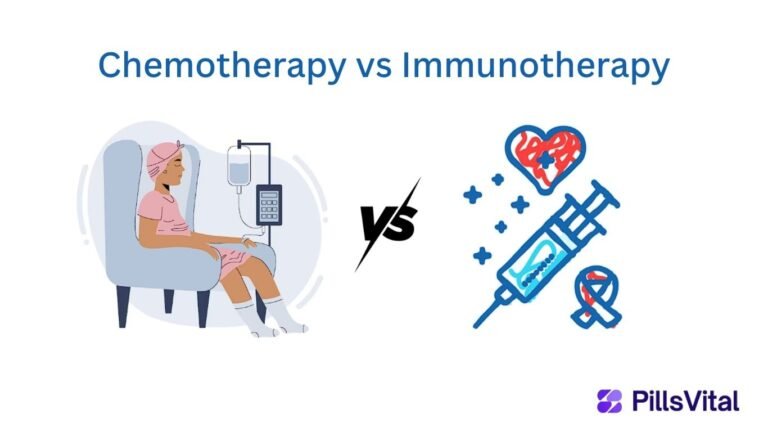
Cancer treatment has changed dramatically over the last decade. While chemotherapy has been used for decades to destroy cancer cells, immunotherapy is transforming how doctors treat certain cancers by helping the immune system fight disease naturally.
But which treatment works better?
The answer depends on the cancer type, stage, overall health, and how the body responds to treatment. In this guide, weβll compare chemotherapy vs immunotherapy, explain side effects, success rates, costs, and help you understand how modern cancer treatment works in 2026.
What Is Chemotherapy?
Chemotherapy is a cancer treatment that uses powerful drugs to destroy rapidly growing cancer cells. It is one of the most common cancer treatments worldwide.
Chemotherapy works by targeting cells that divide quickly. Since cancer cells grow faster than normal cells, chemotherapy can slow or stop tumor growth.
Common chemotherapy uses include:
- Breast cancer
- Lung cancer
- Blood cancers
- Colon cancer
- Ovarian cancer
Chemotherapy may be used:
- Before surgery
- After surgery
- Combined with radiation
- For advanced-stage cancers
According to the American Cancer Society, chemotherapy remains a standard treatment for many aggressive cancers.
What Is Immunotherapy?
Immunotherapy is a modern cancer treatment that helps the bodyβs immune system recognize and attack cancer cells more effectively.
Instead of directly killing cancer cells like chemotherapy, immunotherapy strengthens the immune response.
Some common immunotherapy types include:
- Checkpoint inhibitors
- CAR T-cell therapy
- Cancer vaccines
- Monoclonal antibodies
Immunotherapy is increasingly used for:
- Melanoma
- Lung cancer
- Kidney cancer
- Bladder cancer
- Certain blood cancers
The National Cancer Institute explains that immunotherapy has improved survival rates in several advanced cancers.
Key Difference Between Chemotherapy and Immunotherapy
| Feature | Chemotherapy | Immunotherapy |
|---|---|---|
| Main Goal | Kill cancer cells directly | Activate immune system |
| Targets | Fast-growing cells | Immune response pathways |
| Side Effects | Often stronger | Usually more targeted |
| Treatment Duration | Cycles over months | Can continue longer |
| Hair Loss | Common | Less common |
| Effectiveness | Broad cancer types | Specific cancers |
Which Treatment Works Better?
There is no single βbestβ treatment for all cancers.
Some patients respond better to chemotherapy, while others benefit more from immunotherapy.
Doctors consider:
- Cancer type
- Tumor genetics
- Cancer stage
- Age and health
- Previous treatments
For example:
- Leukemia often responds well to chemotherapy
- Melanoma may respond better to immunotherapy
- Some cancers use both treatments together
Recent research from the Mayo Clinic shows combination therapies are becoming more common in advanced cancer care.
Chemotherapy Side Effects
Because chemotherapy affects healthy fast-growing cells too, side effects can be significant.
Common side effects include:
- Hair loss
- Fatigue
- Nausea
- Vomiting
- Low immunity
- Mouth sores
- Appetite loss
Side effects vary depending on dosage and treatment type.
Some people recover quickly, while others need longer supportive care.
π Nutrition support matters: Best Foods During Cancer Recovery
The National Health Service (NHS) recommends proper hydration, balanced nutrition, and rest during chemotherapy.
Immunotherapy Side Effects
Immunotherapy generally causes fewer traditional side effects than chemotherapy, but it can still create immune-related complications.
Possible side effects include:
- Skin rash
- Fever
- Fatigue
- Joint pain
- Diarrhea
- Inflammation in organs
In rare cases, the immune system may attack healthy tissues.
Because of this, close monitoring is important during treatment.
The U.S. Food and Drug Administration (FDA) provides updated safety guidance on approved immunotherapy treatments.
Success Rates and Survival Outcomes
Cancer survival rates depend on early detection and treatment response.
Some immunotherapy treatments have shown long-term remission in cancers that were previously difficult to treat.
Chemotherapy still remains essential for:
- Fast-growing cancers
- Blood cancers
- Tumor shrinkage before surgery
Immunotherapy may provide:
- Longer-lasting responses
- Better quality of life for some patients
- Fewer severe side effects
However, not all patients respond to immunotherapy.
Research continues to improve personalized cancer treatments.
Can Chemotherapy and Immunotherapy Be Used Together?
Yes. Many modern cancer treatment plans combine both therapies.
This approach may:
- Improve effectiveness
- Reduce tumor resistance
- Enhance immune response
Combination treatment is now being studied across multiple cancer types.
Doctors may also combine:
- Radiation therapy
- Surgery
- Targeted therapy
- Hormone therapy
Cost Comparison
Immunotherapy is often more expensive than chemotherapy because it uses advanced biotechnology and personalized treatment approaches.
Factors affecting treatment costs include:
- Cancer type
- Hospital location
- Insurance coverage
- Duration of treatment
- Medication brand
Some newer immunotherapy drugs can cost significantly more than standard chemotherapy.
Patients should discuss financial planning and support programs with healthcare providers.
Lifestyle Support During Cancer Treatment
Healthy lifestyle habits may help patients tolerate treatment better and improve recovery.
Supportive care may include:
- Nutrient-rich foods
- Regular hydration
- Gentle physical activity
- Mental health support
- Sleep management
Patients should avoid smoking and excessive alcohol consumption during treatment.
π Avoid these foods too: Foods That May Increase Cancer Risk
The World Health Organization (WHO) highlights that lifestyle choices play an important role in long-term cancer prevention and recovery.
When Should You Talk to a Doctor?
You should seek medical evaluation if symptoms persist for weeks, especially:
- Unexplained weight loss
- Persistent fatigue
- Chronic pain
- Unusual bleeding
- Lumps or swelling
- Long-lasting cough
Early diagnosis can significantly improve treatment outcomes.
π Know symptoms early: Signs of Cancer You Should Never Ignore
Final Thoughts
Chemotherapy and immunotherapy are both important cancer treatment options in modern medicine. While chemotherapy directly attacks cancer cells, immunotherapy helps the immune system fight cancer more effectively.
The best treatment depends on individual medical conditions, cancer type, and how the body responds to therapy.
As cancer research advances in 2026, personalized treatment plans and combination therapies continue improving survival rates and quality of life for many patients worldwide.
Related Health Resources
Some medications are commonly researched online in broader health discussions. Always consult a qualified healthcare professional before using any medication or treatment product.
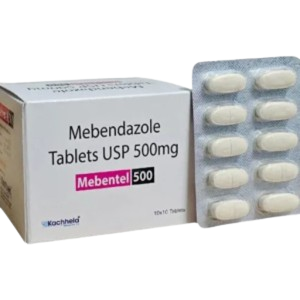
- Mebendazole Tablets
- Fenbendazole Tablets
- Ivermectin Combination Tablets
-

Covilife MBD 275 (Ivermectin & Mebendazole) Tablets
$92.00 – $260.00Price range: $92.00 through $260.00 This product has multiple variants. The options may be chosen on the product page -
Fenbendazole 1000mg (Wormentel) Tablet
$92.00 – $260.00Price range: $92.00 through $260.00 This product has multiple variants. The options may be chosen on the product page -

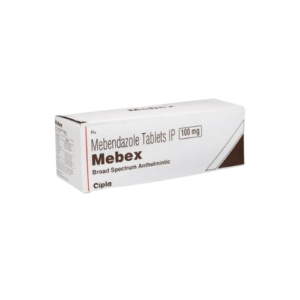
Mebendazole 100mg (Mebex) tablets
$42.00 – $115.00Price range: $42.00 through $115.00 This product has multiple variants. The options may be chosen on the product page -
Mebendazole 500mg (Mebentel) tablets
$92.00 – $342.00Price range: $92.00 through $342.00 This product has multiple variants. The options may be chosen on the product page
β FAQs
Why do some cancers respond better to immunotherapy than chemotherapy?
Not all cancers behave the same way. Some tumors are highly visible to the immune system, making immunotherapy more effective. Other cancers grow very aggressively and may need chemotherapy to quickly destroy cancer cells.
Doctors now use genetic testing and biomarkers to determine which treatment may work best. In many advanced cancers, treatment plans are personalized based on the tumorβs molecular profile rather than using the same therapy for every patient.
Does immunotherapy cure cancer permanently?
Immunotherapy can create long-lasting remission in some patients, especially in cancers like melanoma and certain lung cancers. However, it does not guarantee a permanent cure for everyone.
Some patients experience strong and durable responses for years, while others may see limited improvement. Researchers continue studying why some immune systems respond better than others and how to improve long-term treatment success.
Why is chemotherapy still used if immunotherapy is newer?
Even though immunotherapy is considered a breakthrough treatment, chemotherapy remains extremely important because it works faster in many situations and can treat a wider range of cancers.
Chemotherapy is often used when:
- Tumors need to shrink quickly
- Cancer is spreading aggressively
- Immunotherapy is not suitable
- Certain blood cancers are involved
In modern oncology, chemotherapy and immunotherapy are frequently combined to improve overall treatment outcomes.
Can lifestyle habits improve cancer treatment outcomes?
Healthy lifestyle habits may support the body during cancer treatment and recovery. While lifestyle changes cannot replace medical therapy, they may help improve energy levels, immune function, and overall well-being.
Doctors often recommend:
- Eating nutrient-rich foods
- Staying physically active when possible
- Managing stress levels
- Getting proper sleep
- Avoiding tobacco and excessive alcohol
Supportive care and mental health management are becoming an important part of modern cancer treatment plans.
How do doctors decide between chemotherapy and immunotherapy?
Cancer specialists evaluate several medical factors before choosing a treatment strategy. The decision is based on:
- Cancer type and stage
- Tumor genetic testing
- Patient age and overall health
- Previous treatments
- Potential side effects
- Treatment goals
In many cases, a multidisciplinary team including oncologists, radiologists, and surgeons works together to create a personalized cancer treatment plan for the patient.
π Related Cancer Guides
Dr. Emily Carter specializes in evidence-based health education and wellness content. She focuses on simplifying complex medical topics related to cancer awareness, nutrition, preventive healthcare, skincare, and lifestyle wellness for readers worldwide.
This content is reviewed for medical accuracy, clarity, and alignment with current public health research. The article is intended for educational and informational purposes only and should not replace professional medical advice, diagnosis, or treatment.
One Response