🚚 Worldwide Shipping | 🔒 Secure Checkout | 💬 24/7 Support

Welcome to PillsVital — Essential Care, Trusted Globally

Contact Us

+1 (354) 200-7417

Email Support

pillsvital8@gmail.com

Our Location

United States

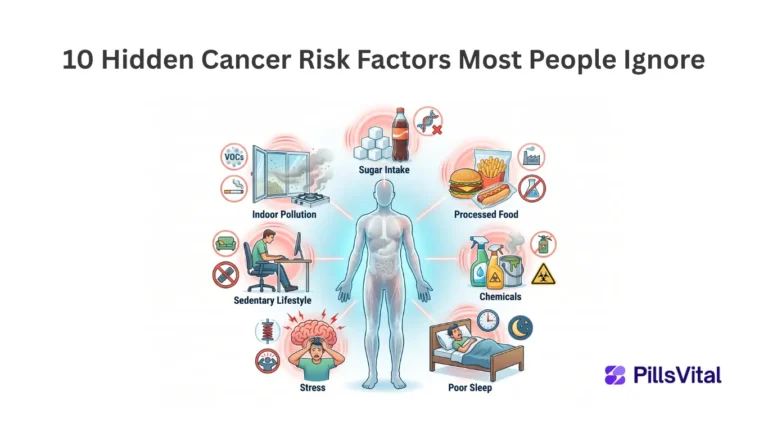
Hidden cancer risk factors including stress, processed food, pollution, poor sleep, and unhealthy lifestyle habits

Cancer is often associated with genetics, smoking, or aging. But modern research shows that many hidden, everyday lifestyle and environmental factors can quietly increase cancer risk over time.

Understanding these lesser-known risks can help you take early preventive action and improve long-term health outcomes.

This guide breaks down the hidden risk factors of cancer and how you can reduce exposure in daily life.

What Is Cancer? (Quick Overview)

Cancer is a group of diseases where abnormal cells grow uncontrollably and spread to other parts of the body. It can develop silently over years before symptoms appear.

To understand complete prevention strategies in detail, read our Complete Guide to Cancer Prevention (2026).

According to the National Cancer Institute (NCI), cancer develops due to uncontrolled cell growth in the body.

Hidden Risks

Many of these risks are closely linked with early disease development. Learn more about Top 10 Early Symptoms of Cancer You Should Never Ignore.

1. Chronic Inflammation (Silent Internal Trigger)

Chronic inflammation is not a single event—it is a continuous immune activation state where the body mistakenly keeps sending “damage signals” even when no real injury exists.

In a healthy body, inflammation helps repair wounds. But when it becomes chronic, immune cells release reactive oxygen species (ROS) and inflammatory cytokines that slowly damage healthy DNA.

Over time, this leads to:

  • DNA mutation accumulation
  • Impaired cell repair mechanisms
  • Increased abnormal cell survival
  • Tumor-friendly biological environment

Real biological insight:

Inflammation activates pathways like NF-κB, which can prevent damaged cells from dying (apoptosis), allowing them to survive and replicate.

Hidden real-world triggers:

  • High glycemic diet (sugar spikes insulin + inflammation)
  • Chronic psychological stress (cortisol imbalance)
  • Obesity (fat tissue releases inflammatory cytokines)
  • Poor gut health (imbalanced microbiome)

2. Indoor Air Pollution

Indoor air pollution is a slow, continuous toxin exposure system that most people ignore because it is not visible.

Unlike outdoor pollution, indoor pollutants get trapped in closed environments, leading to long-term inhalation exposure.

Biological mechanism:

When inhaled, toxic compounds like benzene and formaldehyde:

  • Enter lungs → bloodstream
  • Create oxidative stress
  • Damage lung epithelial cells
  • Increase mutation probability in dividing cells

Major hidden sources:

  • Gas stove combustion (nitrogen dioxide exposure)
  • Synthetic furniture releasing VOCs
  • Household cleaning sprays (ammonia, chlorine compounds)
  • Mold spores producing mycotoxins
  • Poor ventilation systems

Why it becomes dangerous:

Long-term exposure causes low-dose cumulative toxicity, meaning damage builds slowly without immediate symptoms.

3. Hormonal Disrupting Chemicals (Endocrine Disruptors)

Endocrine disruptors are chemicals that mimic, block, or alter natural hormones in the body.

Hormones control:

  • Cell division
  • Growth signaling
  • Reproductive function
  • Metabolic balance

Even tiny disruptions over time can cause cell signaling confusion, increasing abnormal cell growth risk.

Biological mechanism:

These chemicals bind to hormone receptors and either:

  • Overactivate growth signals
  • Block normal hormonal signaling
  • Trigger abnormal estrogen-like activity

This is especially relevant in hormone-sensitive tissues like breast, prostate, and thyroid.

Common exposure sources:

  • BPA in plastic containers
  • Phthalates in cosmetics
  • Parabens in skincare products
  • Non-stick cookware coatings (PFAS compounds)
  • Packaged food linings
  •  

4. Chronic Stress and Emotional Health

Chronic stress is a neuro-hormonal condition, not just an emotional state.

When stress becomes long-term, the body remains in a constant sympathetic nervous system activation mode.

Biological mechanism:

  • Cortisol stays elevated
  • Immune cells (NK cells) reduce activity
  • DNA repair efficiency decreases
  • Inflammation increases

This weakens the body’s ability to detect and destroy abnormal cells early.

Long-term effects:

  • Poor immune surveillance (cancer cells escape detection)
  • Increased oxidative stress
  • Hormonal imbalance affecting cell regulation
  • Sleep disruption worsening repair cycles

5. Hidden Sugar Overconsumption (Metabolic Growth Signal Activation)

Sugar does not directly “feed cancer,” but it creates a metabolic environment that favors abnormal cell growth.

Biological mechanism:

Excess sugar causes:

  • Chronic insulin spikes
  • Insulin resistance
  • IGF-1 pathway activation (cell growth signaling)
  • Increased fat storage → inflammation

IGF-1 is a key growth hormone that, when elevated, can increase cell proliferation signals.

Hidden danger:

Even “healthy-looking” diets can be high in:

  • Hidden sugars in sauces
  • Packaged snacks
  • Sweetened beverages
  • Refined carbs

6. Sedentary Lifestyle (Metabolic Slowdown & Lymphatic Stagnation)

A sedentary lifestyle affects whole-body circulation systems, including lymphatic drainage, which is essential for immune function.

Biological mechanism:

  • Reduced blood flow → slower toxin removal
  • Lymphatic stagnation → weaker immune defense
  • Fat accumulation → inflammatory cytokine release
  • Hormonal imbalance due to low activity

Key insight:

The lymphatic system does not have a pump like the heart—it depends on movement. Sitting too long slows immune efficiency.

The American Cancer Society provides detailed information on early detection and warning signs.

7. Sleep Deprivation (Circadian Rhythm Disruption)

Sleep regulates the body’s DNA repair, hormone balance, and immune function.

When sleep is consistently poor, the body loses its natural repair window.

Biological mechanism:

  • Reduced melatonin (antioxidant hormone)
  • Increased oxidative stress
  • Disrupted circadian genes (cell cycle control)
  • Lower immune cell efficiency

High-risk groups:

  • Night shift workers
  • Students with irregular sleep
  • Chronic insomnia individuals

8. Hidden Infection-Related Risks (Chronic Biological Triggers)

Some infections can remain in the body for years, causing continuous inflammation and cellular damage.

Biological mechanism:

  • Chronic infection → immune activation
  • Continuous tissue repair → high cell turnover
  • Increased mutation probability
  • Viral integration into host DNA (HPV example)

Key infections:

  • HPV → cervical cancer
  • Hepatitis B & C → liver cancer
  • H. pylori → stomach cancer

9. Overexposure to Radiation (Cumulative DNA Damage Risk)

Radiation damage depends on dose + frequency + duration.

Even low-level exposure becomes significant over time due to accumulation.

Biological mechanism:

  • Ionizing radiation breaks DNA strands
  • Misrepair leads to mutations
  • Repeated exposure increases mutation load

Sources:

  • CT scans (higher radiation dose than X-ray)
  • UV radiation from sunlight
  • Occupational exposure (industrial fields)

10. Ultra-Processed Foods (Gut Microbiome Disruption)

Ultra-processed foods affect cancer risk indirectly by damaging gut microbiome balance.

Biological mechanism:

  • Reduced beneficial gut bacteria
  • Increased gut permeability (“leaky gut”)
  • Chronic systemic inflammation
  • Metabolic imbalance

Common ingredients:

  • Artificial sweeteners
  • Emulsifiers (E471, polysorbates)
  • Trans fats
  • Preservatives and stabilizers

Certain foods may increase long-term cancer risk. Read more about 7 Foods That May Increase Cancer Risk According to Scientific Studies.

How to Reduce Cancer Risk Naturally

Cancer prevention is not dependent on a single action—it is the result of consistent daily habits that reduce inflammation, protect DNA, and support immune function over time.

Even small improvements in lifestyle can significantly lower long-term cancer risk.

1. Eat Whole, Natural Foods (Reduce Internal Toxic Load)

A whole-food diet helps the body maintain a healthy balance of nutrients while reducing exposure to harmful additives and preservatives found in ultra-processed foods.

What “whole foods” include:

  • Fresh fruits and vegetables
  • Whole grains (brown rice, oats, quinoa)
  • Lean proteins (lentils, fish, eggs, chicken)
  • Healthy fats (nuts, seeds, olive oil)

Why it matters:

Whole foods are rich in antioxidants, which help neutralize free radicals that can damage DNA and lead to abnormal cell growth.

Key benefits:

  • Reduces chronic inflammation
  • Supports immune system function
  • Improves gut microbiome health
  • Helps maintain healthy body weight

The World Health Organization (WHO) highlights the importance of healthy diet and lifestyle in cancer prevention.

2. Exercise Regularly (Even Light Activity Helps)

Physical activity plays a major role in regulating hormones, improving circulation, and strengthening immune defenses.

You don’t need intense workouts—even 30 minutes of walking daily can make a difference.

How exercise reduces cancer risk:

  • Lowers insulin levels and stabilizes blood sugar
  • Reduces body fat (less inflammation)
  • Improves lymphatic circulation (removes toxins)
  • Enhances immune cell activity

Best simple activities:

  • Brisk walking
  • Yoga or stretching
  • Cycling
  • Light strength training

3. Reduce Sugar Intake (Control Insulin and Inflammation)

Excess sugar intake contributes indirectly to cancer risk by disrupting metabolic balance.

What happens in the body:

  • Frequent sugar spikes increase insulin levels
  • High insulin promotes fat storage and inflammation
  • Chronic inflammation increases cellular damage risk

Hidden sugar sources:

  • Packaged snacks
  • Soft drinks and juices
  • Sauces and processed foods
  • “Low-fat” flavored products

Smarter alternatives:

  • Whole fruits instead of processed sweets
  • Natural sweeteners in moderation
  • Balanced meals with protein + fiber

4. Improve Sleep Quality (Restore DNA Repair System)

Sleep is one of the body’s most powerful natural repair mechanisms. Poor sleep disrupts hormone balance and weakens immune defense systems.

What happens during healthy sleep:

  • DNA repair and cell regeneration
  • Hormone regulation (including melatonin)
  • Immune system strengthening
  • Brain detoxification processes

Sleep risk factors:

  • Irregular sleep schedule
  • Excess screen time before bed
  • Night shift work
  • Stress and anxiety

Sleep improvement tips:

  • Maintain fixed sleep timing
  • Avoid screens 1 hour before bed
  • Keep room dark and cool
  • Reduce caffeine intake after afternoon

5. Avoid Smoking and Alcohol (Major Preventable Risk Factor)

Smoking and alcohol are among the strongest modifiable cancer risk factors known in medical research.

How smoking increases cancer risk:

  • Introduces carcinogenic chemicals into the lungs
  • Damages DNA directly
  • Reduces oxygen supply to tissues
  • Weakens immune response

How alcohol contributes:

  • Breaks down into acetaldehyde (toxic compound)
  • Increases oxidative stress
  • Affects liver and digestive system
  • Disrupts hormone balance

Health impact:

Both smoking and alcohol increase risk of multiple cancers including:

  • Lung cancer
  • Liver cancer
  • Mouth and throat cancers

6. Use Safer Household Products (Reduce Chemical Exposure)

Many everyday household items contain chemicals that may disrupt hormones or increase toxic load over time.

High-risk sources:

  • Harsh cleaning sprays
  • Plastic containers (BPA exposure)
  • Synthetic air fresheners
  • Non-stick cookware (PFAS exposure)

Safer alternatives:

  • Natural cleaning agents (vinegar, baking soda)
  • Glass or stainless steel containers
  • Fragrance-free products
  • Proper ventilation while cooking

Why it matters:

Reducing chemical exposure helps lower long-term hormonal and inflammatory stress on the body.

7. Get Regular Health Screenings (Early Detection Saves Lives)

Early detection is one of the most effective ways to reduce cancer mortality risk.

Why screenings matter:

Cancer is often most treatable in early stages when symptoms are not yet visible.

Common screening types:

  • Mammograms (breast cancer)
  • Pap smears (cervical cancer)
  • Colon screening tests
  • Blood tests for liver function

Benefits:

  • Detects abnormalities early
  • Improves treatment success rates
  • Reduces complications
  • Increases survival chances significantly

For medical safety information and disease understanding, refer to MedlinePlus by NIH.

Final Thoughts

Cancer prevention is not about one single factor—it is about daily habits, environment, and long-term lifestyle choices.

By identifying and reducing these hidden risks early, you can significantly improve your overall health and prevention potential.

For a complete understanding of prevention, symptoms, and treatment approaches, explore our full Cancer Treatment & Prevention Hub.

Related Health Resources

❓ FAQs

What are the most hidden risk factors of cancer?

Hidden cancer risk factors include chronic inflammation, poor diet, indoor air pollution, hormonal disrupting chemicals (like BPA), sleep deprivation, chronic stress, sedentary lifestyle, and long-term exposure to processed foods and toxins. These factors slowly damage cells over time and may increase cancer risk without obvious early symptoms.

Yes, lifestyle choices have a major impact on cancer risk. Habits such as smoking, poor diet, lack of exercise, excess sugar intake, and inadequate sleep can increase inflammation and weaken the immune system. Healthy habits like regular exercise, balanced nutrition, and stress management can significantly lower long-term risk.

Chronic inflammation creates a continuous state of immune activation in the body. This leads to oxidative stress, DNA damage, and impaired cell repair. Over time, this environment may allow abnormal cells to survive and multiply, increasing the risk of cancer development.

Foods high in processed sugar, trans fats, artificial additives, and preservatives may increase inflammation and metabolic imbalance in the body. Regular consumption of ultra-processed foods, sugary drinks, and packaged snacks is linked to higher long-term cancer risk.

Stress does not directly cause cancer, but chronic stress can weaken the immune system and increase inflammation in the body. This may reduce the body’s ability to detect and destroy abnormal cells early, indirectly increasing health risks over time.

📚 Related Cancer Recovery Guides

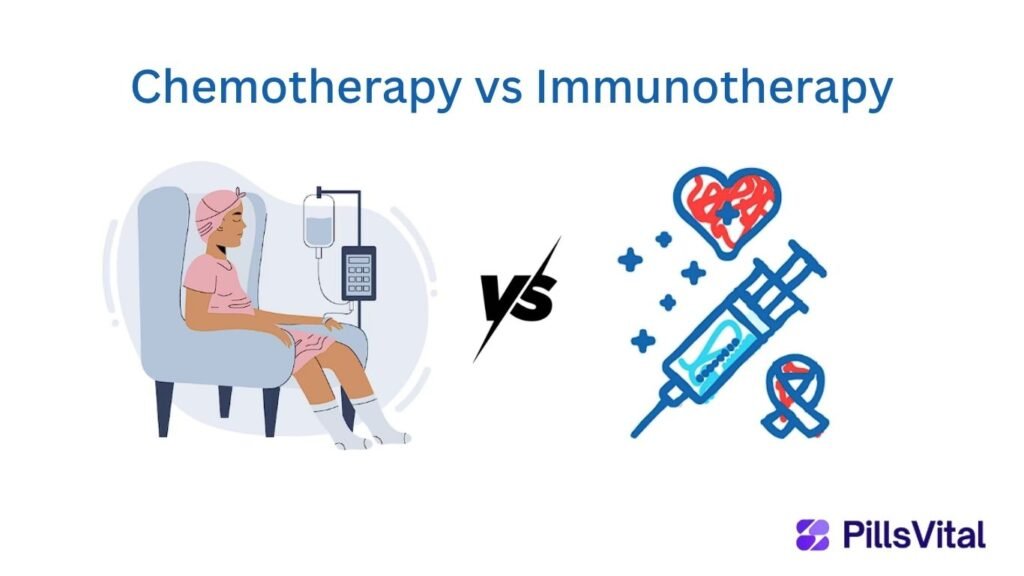
chemotherapy vs immunotherapy explained
Chemotherapy vs Immunotherapy: Which Cancer Treatment Works Better?
Treatment Comparison • Side Effects • Recovery Support
Read More →
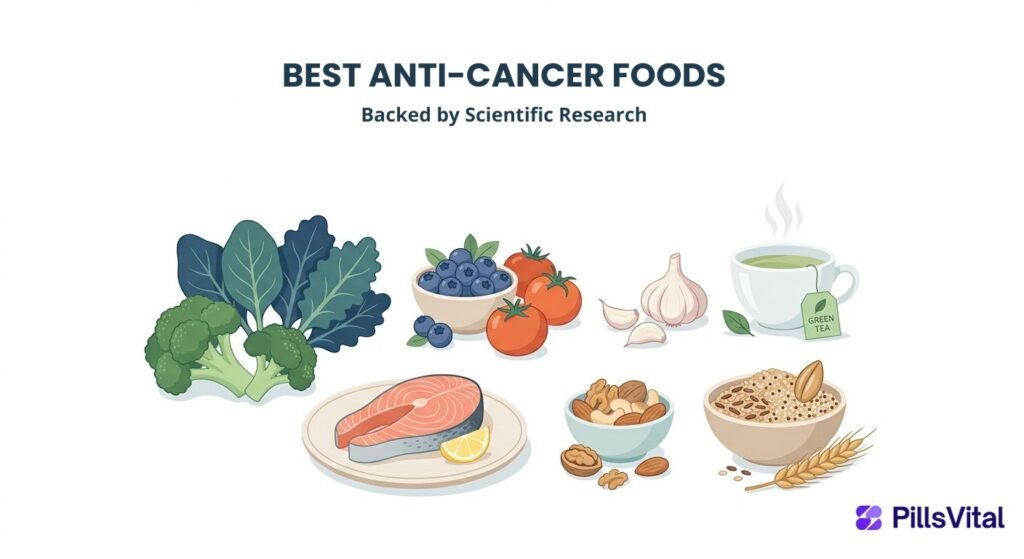
best anti cancer foods backed by scientific research
Best Anti-Cancer Foods Backed by Scientific Research
Healthy Diet • Immune Support • Research-Based Nutrition
Read More →
Most asked cancer questions answered by experts
Most Asked Cancer Questions Answered by Experts
Cancer Myths • FAQs • Expert Answers
Read More →
Dr Emily Carter PharmD
Written By
Dr. Emily Carter, PharmD
Medical Content Reviewer & Health Research Writer

Dr. Emily Carter specializes in evidence-based health education and wellness content. She focuses on simplifying complex medical topics related to cancer awareness, nutrition, preventive healthcare, skincare, and lifestyle wellness for readers worldwide.

🩺
Medically Reviewed
Reviewed for Accuracy & Readability
Educational & Informational Health Content

This content is reviewed for medical accuracy, clarity, and alignment with current public health research. The article is intended for educational and informational purposes only and should not replace professional medical advice, diagnosis, or treatment.

Leave a Reply

Your email address will not be published. Required fields are marked *