Cancer prevention starts with daily lifestyle choices β and diet plays a major role. Research suggests that certain foods, especially when consumed regularly over time, may increase inflammation, obesity risk, and exposure to harmful compounds linked to cancer development.
While no single food directly causes cancer, studies show that long-term dietary patterns can influence overall cancer risk. Understanding which foods to limit may help support better long-term health.
π For a full overview, read our Complete Guide to Cancer Prevention, Symptoms & Modern Treatments.
In this guide by PillsVital, we explore foods that research has associated with higher cancer risk and discuss healthier alternatives you can consider.
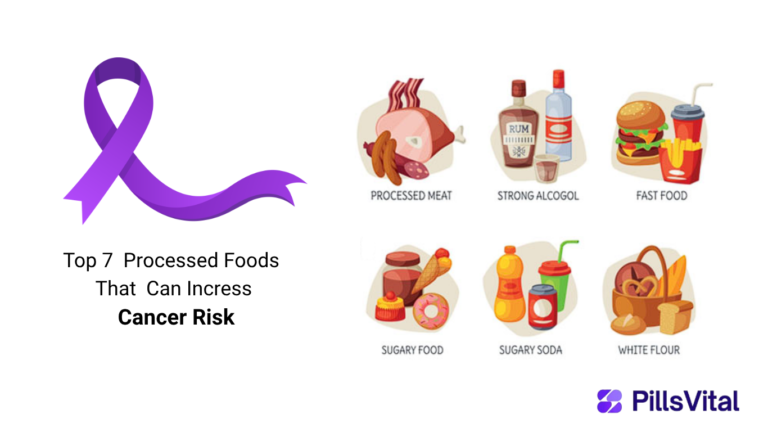
1. Processed Meats
Processed meats include bacon, sausages, hot dogs, salami, ham, and deli meats preserved through smoking, salting, or chemical additives.
According to the World Health Organization (WHO), processed meats have been classified as carcinogenic to humans due to evidence linking them to colorectal cancer.
These foods may contain:
- Nitrates and nitrites
- Preservatives
- High sodium levels
- Compounds formed during processing
Frequent consumption may increase exposure to substances that damage cells over time.
π Know warning signs: Early Symptoms of Cancer Most People Ignore
2. Sugary Beverages
Soft drinks, energy drinks, and heavily sweetened beverages contribute to excess sugar intake and obesity.
Obesity is considered a major risk factor for several cancers, including:
- Breast cancer
- Colon cancer
- Pancreatic cancer
- Liver cancer
High sugar consumption may also contribute to chronic inflammation and insulin resistance.
Instead of sugary beverages, consider:
- Water
- Herbal tea
- Unsweetened drinks
- Fresh fruit-infused water
3. Deep-Fried Foods
French fries, fried chicken, chips, and heavily fried fast foods may contain harmful compounds formed during high-temperature cooking.
One compound often discussed is acrylamide, which can form in starchy foods cooked at very high temperatures.
The American Cancer Society notes that research is ongoing regarding acrylamide exposure and cancer risk in humans.
Regular consumption of fried foods may also contribute to obesity and cardiovascular problems.
4. Alcohol
Excessive alcohol intake has been linked to multiple cancer types, including:
- Mouth cancer
- Throat cancer
- Liver cancer
- Breast cancer
- Colorectal cancer
Alcohol may damage body tissues and interfere with cellular repair processes.
The risk generally increases with higher alcohol consumption over time.
Limiting alcohol intake or avoiding it entirely may help reduce overall cancer risk.
5. Highly Processed Foods
Ultra-processed foods often contain:
- Artificial additives
- Excess sodium
- Refined carbohydrates
- Preservatives
- Unhealthy fats
Examples include:
- Instant noodles
- Packaged snacks
- Frozen processed meals
- Sugary cereals
Many processed foods are low in fiber and nutrients while being high in calories, which may contribute to weight gain and metabolic problems.
6. Burnt or Charred Foods
Cooking meat over open flames or at extremely high temperatures can produce compounds called:
- Heterocyclic amines (HCAs)
- Polycyclic aromatic hydrocarbons (PAHs)
These compounds have been studied for their potential role in increasing cancer risk.
To reduce exposure:
- Avoid excessive charring
- Cook at lower temperatures
- Use baking or steaming methods more often
- Remove burnt portions before eating
7. Excessive Red Meat Consumption
Red meat can be part of a balanced diet, but excessive intake may be associated with increased colorectal cancer risk in some studies.
Examples include:
- Beef
- Pork
- Lamb
Health experts often recommend moderation and balancing meals with:
- Vegetables
- Whole grains
- Fruits
- Plant-based proteins
π Complete prevention guide: How to Reduce Cancer Risk Naturally
How Diet Affects Long-Term Cancer Risk
Diet alone does not determine whether someone develops cancer. However, long-term eating habits may influence:
- Inflammation
- Hormone balance
- Body weight
- Cellular health
- Immune system function
Combining healthy nutrition with regular exercise, good sleep, and avoiding tobacco may support overall wellness.
Healthier Food Choices to Consider
Instead of focusing only on foods to avoid, itβs important to include nutrient-rich options such as:
- Fresh fruits
- Vegetables
- Whole grains
- Legumes
- Nuts and seeds
- Lean proteins
Research suggests that diets rich in fiber and antioxidants may support long-term health and disease prevention.
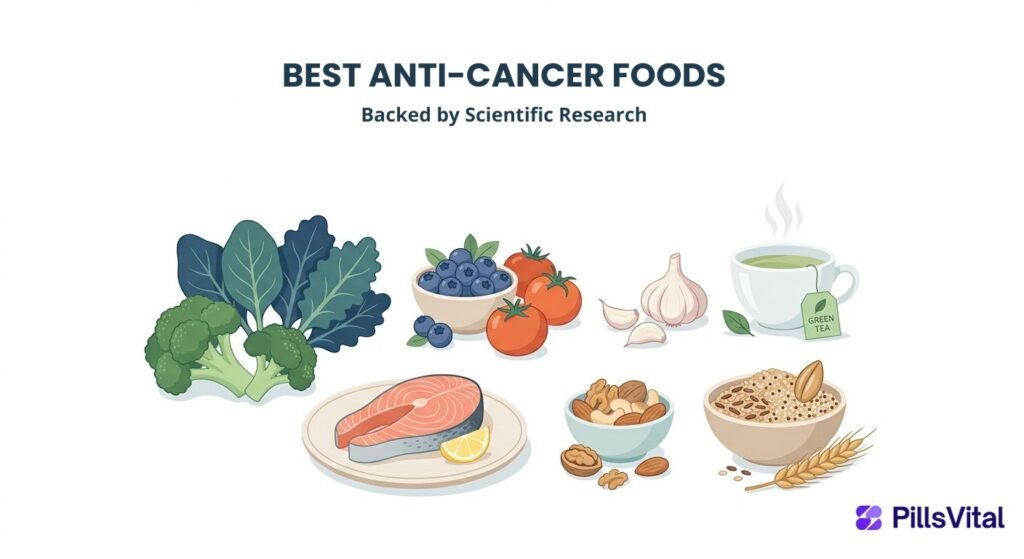
π Healthy alternatives: Best Anti-Cancer Foods Backed by Research
Final Thoughts
No single food guarantees cancer prevention or causes cancer by itself. However, limiting highly processed foods, reducing excessive sugar intake, and maintaining a balanced diet may help lower overall health risks.
Making small sustainable dietary improvements over time can positively impact long-term wellness and overall quality of life.
For more evidence-based wellness and health education content, visit PillsVital Official Website.
Related Health Resources
Some medications are commonly researched online in broader health discussions. Always consult a qualified healthcare professional before using any medication or treatment product.
- Mebendazole Tablets
- Fenbendazole Tablets
- Ivermectin Combination Tablets
-

Covilife MBD 275 (Ivermectin & Mebendazole) Tablets
$92.00 – $260.00Price range: $92.00 through $260.00 This product has multiple variants. The options may be chosen on the product page -

Fenbendazole 1000mg (Wormentel) Tablet
$92.00 – $260.00Price range: $92.00 through $260.00 This product has multiple variants. The options may be chosen on the product page -

Mebendazole 100mg (Mebex) tablets
$42.00 – $115.00Price range: $42.00 through $115.00 This product has multiple variants. The options may be chosen on the product page -

Mebendazole 500mg (Mebentel) tablets
$92.00 – $342.00Price range: $92.00 through $342.00 This product has multiple variants. The options may be chosen on the product page
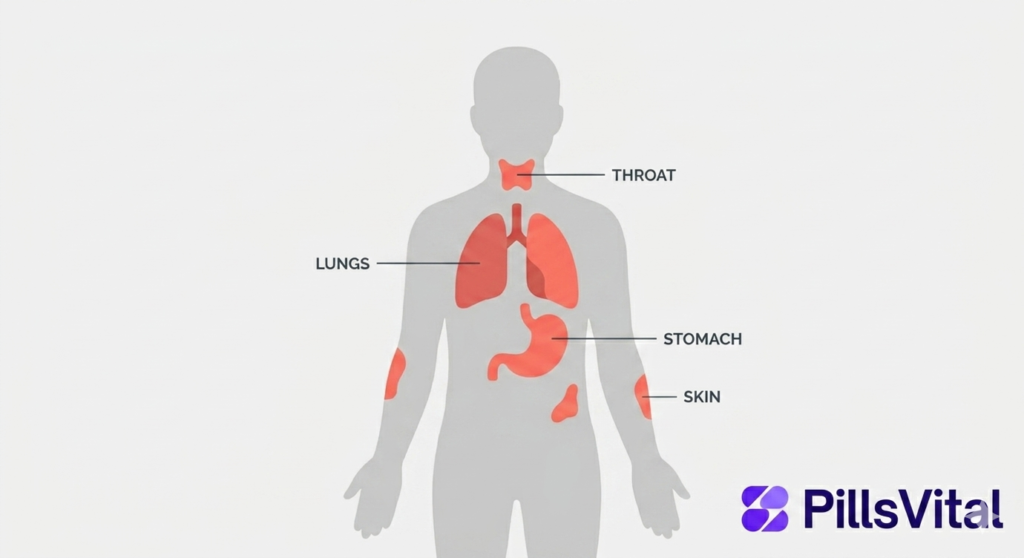
β FAQs
What foods are most commonly linked to higher cancer risk?
Research commonly associates processed meats, heavily fried foods, excessive alcohol, sugary drinks, and ultra-processed foods with a potentially higher cancer risk when consumed frequently over time.
Can processed meat really increase cancer risk?
According to health organizations including the World Health Organization, processed meats such as bacon, sausages, and deli meats have been linked to colorectal cancer in some studies due to preservatives and processing compounds.
Does sugar directly cause cancer?
Sugar itself does not directly cause cancer, but excessive sugar intake may contribute to obesity, inflammation, and insulin resistance, which are considered risk factors for several cancers.
Are fried foods unhealthy for long-term health?
Frequent consumption of deep-fried foods may expose the body to harmful compounds formed during high-temperature cooking. These foods may also contribute to obesity and chronic inflammation.
Is alcohol linked to cancer?
Studies suggest that excessive alcohol consumption may increase the risk of cancers affecting the liver, breast, mouth, throat, and colon. The risk generally increases with long-term heavy drinking.