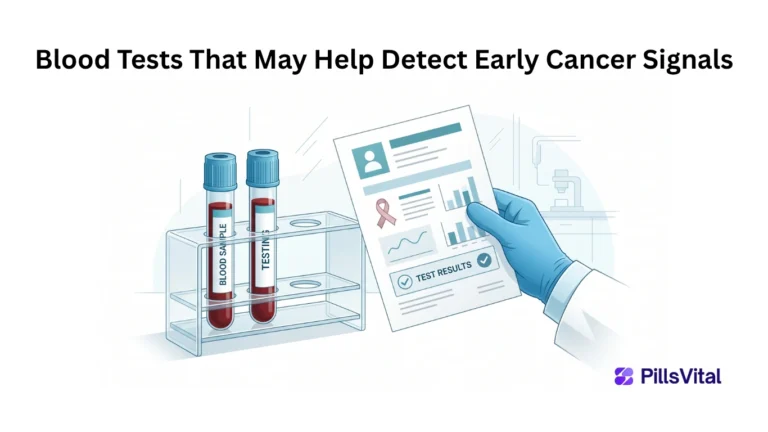
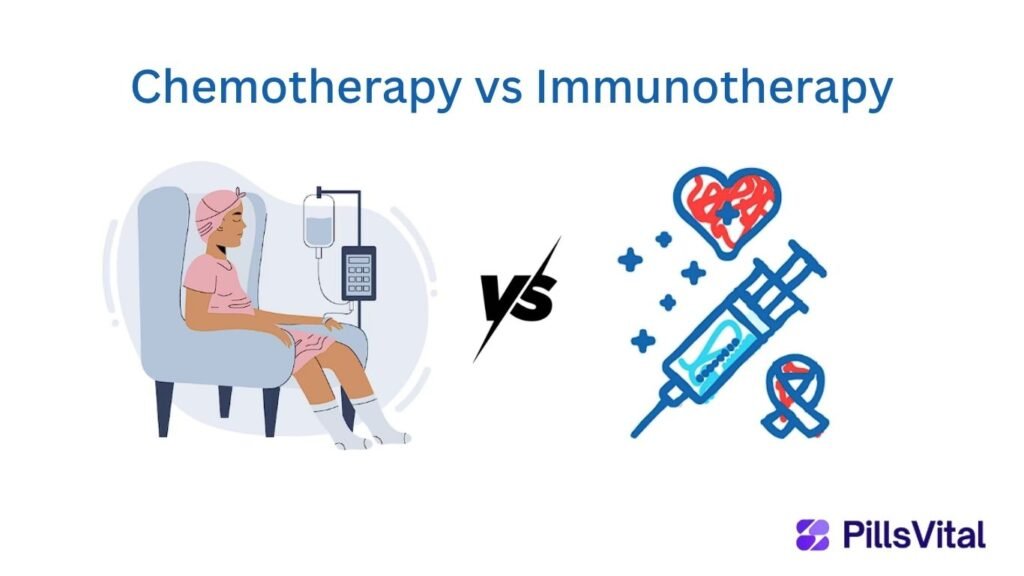
Early cancer detection can significantly improve treatment success and survival rates. While blood tests alone cannot diagnose every cancer type, they may help identify abnormal changes in the body that could indicate an early warning sign of cancer.
Modern medical research continues to improve blood-based cancer screening tools, including tumor markers, liquid biopsy technology, and advanced genomic testing. These tests may help doctors detect unusual proteins, abnormal blood cell counts, inflammation, or even tiny fragments of tumor DNA circulating in the bloodstream.
Understanding which blood tests may detect early cancer signals can help patients seek medical attention sooner and improve the chances of successful treatment.
Can Blood Tests Detect Cancer Early?
Blood tests are commonly used as part of a broader cancer screening and diagnostic process. Although most cancers still require imaging or biopsy confirmation, blood work may reveal suspicious abnormalities that encourage further investigation.
Doctors may use blood tests to:
- Detect abnormal blood cell levels
- Identify inflammation markers
- Measure tumor-associated proteins
- Evaluate organ function
- Detect circulating tumor DNA
- Monitor cancer treatment response
- Identify recurrence risk
Some cancers, especially blood cancers, may first appear through routine laboratory testing.
1. Complete Blood Count (CBC)
A Complete Blood Count (CBC) is one of the most commonly ordered blood tests. It measures several components of blood, including:
- Red blood cells
- White blood cells
- Hemoglobin
- Platelets
Abnormal CBC results may sometimes indicate:
- Leukemia
- Lymphoma
- Bone marrow disorders
- Internal bleeding
- Chronic inflammation
Common CBC Abnormalities Linked to Cancer
| CBC Finding | Possible Concern |
|---|---|
| Low red blood cells | Anemia linked to colon or stomach cancer |
| High white blood cells | Leukemia or infection |
| Low platelets | Bone marrow abnormalities |
| Elevated platelets | Inflammatory or cancer-related changes |
Persistent fatigue, weakness, or unexplained anemia should always be medically evaluated.
Related internal guide: Top 10 Early Symptoms of Cancer You Should Never Ignore
2. Tumor Marker Blood Tests
Tumor markers are substances produced either by cancer cells or by the body in response to cancer.
These tests may help doctors evaluate suspicious symptoms, monitor treatment progress, or detect recurrence.
Common Tumor Marker Tests
| Tumor Marker | Associated Cancer |
|---|---|
| PSA | Prostate cancer |
| CA-125 | Ovarian cancer |
| CEA | Colon cancer |
| AFP | Liver cancer |
| CA 19-9 | Pancreatic cancer |
| Beta-hCG | Testicular cancer |
Tumor markers alone are not enough to confirm cancer because non-cancer conditions may also elevate these markers.
Doctors usually combine these tests with:
- Imaging scans
- Physical examinations
- Biopsies
- Family history assessment
3. Liquid Biopsy Blood Tests
Liquid biopsy is one of the most promising advancements in modern cancer detection.
Instead of surgically removing tissue, doctors may analyze a blood sample to detect:
- Circulating tumor DNA (ctDNA)
- Cancer-related genetic mutations
- Tumor fragments in blood
- Microscopic cancer signals
Benefits of Liquid Biopsy
- Minimally invasive
- Faster than surgical biopsy
- May detect cancer earlier
- Helps monitor treatment response
- Useful for recurrence tracking
Researchers continue studying liquid biopsy technologies for:
- Lung cancer
- Breast cancer
- Colon cancer
- Prostate cancer
- Multi-cancer early detection screening
External resource: National Cancer Institute
4. Liver Function Tests (LFTs)
Liver function tests evaluate enzymes and proteins produced by the liver.
Abnormal liver results may sometimes suggest:
- Liver cancer
- Cancer spread to the liver
- Pancreatic disease
- Bile duct obstruction
Common markers include:
- ALT
- AST
- Bilirubin
- Alkaline phosphatase
Many non-cancer conditions can also affect liver enzymes, so doctors interpret these tests carefully.
5. Blood Protein Testing
Some cancers produce abnormal proteins that can be detected in blood.
These tests are commonly used when evaluating:
- Multiple myeloma
- Plasma cell disorders
- Certain lymphomas
Doctors may use:
- Serum protein electrophoresis (SPEP)
- Immunofixation testing
- Free light chain testing
These blood tests help evaluate abnormal immune protein production.
6. Inflammatory Marker Tests
Chronic inflammation has been associated with several diseases, including cancer.
Doctors may evaluate:
- C-reactive protein (CRP)
- Erythrocyte sedimentation rate (ESR)
Elevated inflammatory markers do not necessarily mean cancer is present, but persistent abnormalities may require additional testing.
7. Genetic and Genomic Blood Tests
Advanced genomic testing can identify inherited mutations linked to increased cancer risk.
Examples include:
- BRCA1 mutation
- BRCA2 mutation
- Lynch syndrome genes
- TP53 mutation
These tests may help guide:
- Personalized screening plans
- Prevention strategies
- Family risk assessment
- Targeted cancer treatment
Related internal guide: Complete Guide to Cancer Prevention, Symptoms & Modern Treatments in the United States (2026)
Early Symptoms That Should Never Be Ignored
Doctors may recommend blood testing when patients experience unexplained symptoms that persist over time.
Possible Early Cancer Warning Signs
- Unexplained weight loss
- Persistent fatigue
- Chronic pain
- Blood in stool or urine
- Swollen lymph nodes
- Ongoing cough
- Frequent infections
- Night sweats
- Changes in bowel habits
- Unusual bleeding
Who Should Consider Cancer Screening Blood Tests?
Certain groups may benefit from discussing cancer screening options with their doctor.
Higher-Risk Individuals Include
- Adults over age 50
- Smokers
- People with family history of cancer
- Individuals with inherited mutations
- Patients with chronic inflammation
- Those with persistent unexplained symptoms
- People exposed to environmental carcinogens
Regular medical checkups may improve early detection opportunities.
Can Blood Tests Replace Biopsies?
No. Blood tests cannot fully replace biopsies in most cancer diagnoses.
Doctors still rely on:
- Tissue biopsy
- CT scans
- MRI scans
- PET imaging
- Ultrasound testing
However, blood tests may provide important early clues that guide further evaluation.
How to Reduce Cancer Risk Naturally
While no lifestyle habit can completely prevent cancer, scientific research shows that healthy daily choices may significantly reduce long-term cancer risk. Many cancers are linked to preventable factors such as smoking, obesity, poor diet, alcohol consumption, and physical inactivity.
Adopting evidence-based prevention habits may help support immune function, reduce chronic inflammation, protect DNA from damage, and improve overall health.
Evidence-Based Prevention Tips
1. Eat a Plant-Rich Diet
A nutrient-dense diet filled with whole plant foods may help protect the body against cellular damage associated with cancer development.
Many fruits and vegetables contain:
- Antioxidants
- Phytochemicals
- Fiber
- Vitamins and minerals
- Anti-inflammatory compounds
These nutrients may help neutralize harmful free radicals, support immune defenses, and reduce chronic inflammation linked to cancer progression.
Foods Commonly Associated With Cancer Prevention
Leafy Greens
Vegetables such as spinach, kale, and Swiss chard contain folate, carotenoids, and antioxidants that may support cellular health.
Berries
Blueberries, strawberries, raspberries, and blackberries are rich in polyphenols and vitamin C, which may help reduce oxidative stress.
Whole Grains
Whole grains provide fiber that supports healthy digestion and may help reduce colorectal cancer risk.
Examples include:
- Oats
- Brown rice
- Quinoa
- Whole wheat
Cruciferous Vegetables
Broccoli, cauliflower, Brussels sprouts, and cabbage contain compounds like sulforaphane that researchers continue studying for possible anti-cancer effects.
Fiber-Rich Foods
High-fiber diets may help improve gut health, regulate blood sugar, and support healthy digestion.
Good sources include:
- Beans
- Lentils
- Fruits
- Vegetables
- Seeds
Related internal guide: Best Anti-Cancer Foods Backed by Scientific Research (2026)
2. Avoid Smoking
Smoking remains one of the leading preventable causes of cancer worldwide.
Tobacco smoke contains thousands of chemicals, including many known carcinogens that can damage DNA and increase cancer risk.
Smoking has been strongly linked to:
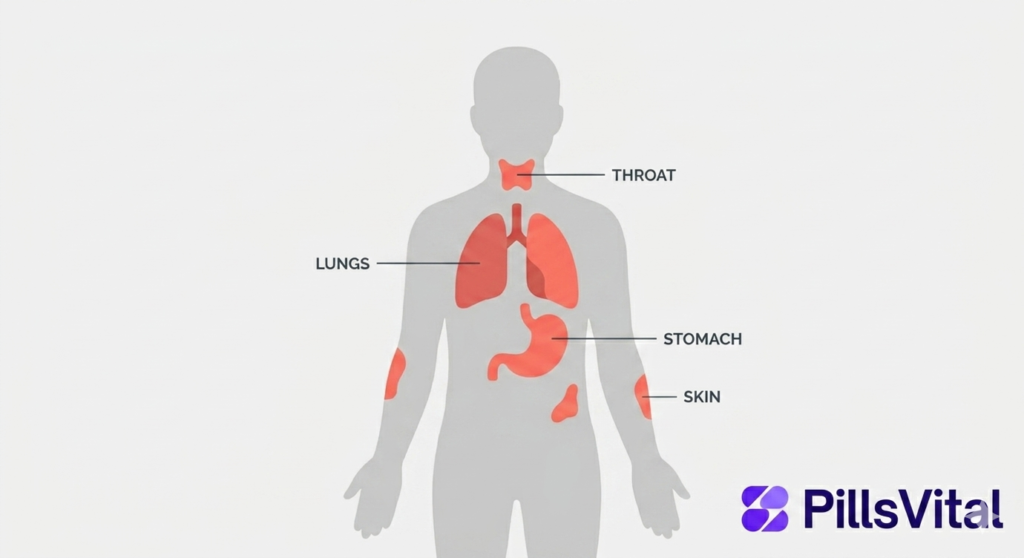
- Lung cancer
- Throat cancer
- Mouth cancer
- Bladder cancer
- Pancreatic cancer
- Kidney cancer
Even secondhand smoke exposure may increase health risks.
Quitting smoking at any age may improve overall health and reduce future cancer risk over time.
Benefits of quitting may include:
- Improved lung function
- Better circulation
- Reduced inflammation
- Lower risk of cardiovascular disease
- Improved immune function
External resource: Centers for Disease Control and Prevention
3. Exercise Regularly
Regular physical activity is associated with lower risk for several cancer types.
Exercise may help by:
- Reducing inflammation
- Supporting immune function
- Improving hormone balance
- Maintaining healthy weight
- Improving insulin sensitivity
Research suggests regular activity may reduce risk for:
- Breast cancer
- Colon cancer
- Endometrial cancer
Recommended Activity Levels
Most health organizations recommend:
- At least 150 minutes of moderate exercise weekly
or - 75 minutes of vigorous exercise weekly
Examples include:
- Walking
- Cycling
- Swimming
- Strength training
- Jogging
Even small increases in daily movement may provide long-term health benefits.
4. Maintain a Healthy Weight
Obesity has been linked to increased risk for multiple cancers.
Excess body fat may contribute to:
- Chronic inflammation
- Hormonal imbalances
- Increased insulin levels
- Metabolic dysfunction
These changes may create an environment that supports cancer growth.
Cancers Associated With Obesity
Research has linked obesity with higher risk of:
- Breast cancer
- Colon cancer
- Liver cancer
- Pancreatic cancer
- Kidney cancer
- Endometrial cancer
Maintaining a healthy weight through balanced nutrition and physical activity may help lower these risks.
5. Limit Alcohol Consumption
Alcohol consumption has been associated with increased cancer risk, especially when consumed heavily over long periods.
Alcohol may damage cells and interfere with DNA repair processes.
Research has linked alcohol use to:
- Liver cancer
- Breast cancer
- Mouth cancer
- Esophageal cancer
- Colorectal cancer
Reducing alcohol intake or avoiding it entirely may help reduce long-term health risks.
External resource: World Health Organization
6. Prioritize Regular Screenings
Cancer screenings help detect abnormalities before symptoms become severe.
Early detection often allows:
- Earlier treatment
- More treatment options
- Better survival rates
- Reduced complications
Common Screening Tests
Depending on age and risk factors, doctors may recommend:
- Mammograms
- Colonoscopy
- Pap smears
- PSA testing
- Skin examinations
- Low-dose CT scans for smokers
People with strong family history or inherited genetic mutations may require earlier or more frequent screening.
External resource: American Cancer Society Screening Guidelines
Additional Lifestyle Habits That May Support Cancer Prevention
Get Enough Sleep
Poor sleep may affect immune health, hormone regulation, and inflammation levels.
Most adults should aim for 7β9 hours of quality sleep nightly.
Protect Skin From UV Exposure
Excessive ultraviolet exposure increases skin cancer risk.
Protective habits include:
- Wearing sunscreen
- Avoiding tanning beds
- Wearing protective clothing
Manage Chronic Stress
Long-term stress may negatively affect immune function and healthy lifestyle habits.
Stress-management techniques may include:
- Meditation
- Exercise
- Deep breathing
- Social connection
- Counseling support
Latest Advances in Early Cancer Detection (2026)
Researchers continue developing advanced technologies designed to improve early cancer diagnosis.
Emerging Innovations
- Multi-cancer early detection (MCED) tests
- AI-powered blood analysis
- Precision oncology screening
- Advanced liquid biopsy tools
- Personalized genomic testing
Several ongoing clinical trials are evaluating how these technologies may improve survival rates through earlier intervention.
External resource: Mayo Clinic Cancer Center
Final Thoughts
Blood tests that may detect early cancer signals are becoming increasingly important in modern medicine. While they cannot replace imaging scans or biopsies, these tests may help doctors identify suspicious abnormalities earlier and guide faster diagnosis.
If you experience persistent symptoms or have a strong family history of cancer, speaking with a qualified healthcare professional about appropriate screening options may be beneficial.
Early detection continues to play a major role in improving cancer treatment success and survival outcomes.
Related Health Resources
-

Albendazole & Ivermectin (AlbaThrow Plus-12) Tablet
$130.00 – $355.00Price range: $130.00 through $355.00 This product has multiple variants. The options may be chosen on the product page -

Covilife MBD 275 (Ivermectin & Mebendazole) Tablets
$92.00 – $260.00Price range: $92.00 through $260.00 This product has multiple variants. The options may be chosen on the product page -
Fenbendazole 1000mg (Wormentel) Tablet
$92.00 – $260.00Price range: $92.00 through $260.00 This product has multiple variants. The options may be chosen on the product page -
Mebendazole 500mg (Mebentel) tablets
$92.00 – $342.00Price range: $92.00 through $342.00 This product has multiple variants. The options may be chosen on the product page
β FAQs
Can routine blood work detect cancer?
Routine blood work may reveal abnormalities that require further investigation, but it usually cannot diagnose cancer alone.
What cancers are commonly detected through blood tests?
Blood cancers such as leukemia and lymphoma are often identified through abnormal CBC results. Tumor markers may also help evaluate prostate, ovarian, liver, and colon cancers.
Are liquid biopsy tests accurate?
Liquid biopsy technology continues improving, but accuracy varies depending on cancer type and stage.
Should healthy people get cancer blood tests?
Screening decisions should depend on age, symptoms, family history, and physician recommendations.
Can inflammation markers indicate cancer?
Inflammatory markers may become elevated in cancer, but many non-cancer conditions can also cause abnormal results.
π Related Cancer Guides
Dr. Emily Carter specializes in evidence-based health education and wellness content. She focuses on simplifying complex medical topics related to cancer awareness, nutrition, preventive healthcare, skincare, and lifestyle wellness for readers worldwide.
This content is reviewed for medical accuracy, clarity, and alignment with current public health research. The article is intended for educational and informational purposes only and should not replace professional medical advice, diagnosis, or treatment.