Erectile dysfunction (ED) affects millions of men worldwide, but many people assume the problem is always related to age or low testosterone. In reality, ED can be a symptom of various physical, hormonal, psychological, or lifestyle-related issues.
Understanding what doctors look for during an evaluation can help reduce anxiety and encourage earlier treatment. A proper diagnosis focuses on identifying the underlying cause rather than simply treating symptoms.
Why Proper ED Diagnosis Matters
Many men search for medications before understanding why erectile dysfunction is happening.
While medications such as sildenafil, tadalafil, and vardenafil can be effective for many individuals, they may not work well if an underlying medical condition remains untreated.
Before discussing treatment options, it’s important to understand the underlying causes of erectile dysfunctionΒ that may contribute to erection problems.
Step 1: Detailed Medical History
The first part of an ED evaluation usually involves a detailed conversation about symptoms, lifestyle habits, and overall health.
Doctors may ask:
- When did symptoms begin?
- Do erections occur during sleep or in the morning?
- Is the problem occasional or consistent?
- Are there relationship or stress-related concerns?
- Are medications being taken regularly?
The answers often provide important clues about whether the cause is physical, psychological, or a combination of both.
Step 2: Review of Existing Medical Conditions
Several health conditions are commonly associated with erectile dysfunction.
Doctors may ask about:
Cardiovascular Disease
Healthy erections require adequate blood flow. Conditions that affect circulation can increase ED risk.
Diabetes
High blood sugar levels can damage blood vessels and nerves involved in erections.
High Blood Pressure
Hypertension may reduce blood vessel flexibility and impair circulation.
Obesity
Excess body weight is associated with hormonal changes, inflammation, and vascular problems.
Sleep Disorders
Conditions such as sleep apnea may negatively affect testosterone production and overall sexual health.
According to the Mayo Clinic erectile dysfunction resource, erectile dysfunction may sometimes be linked to cardiovascular disease, diabetes, obesity, medications, stress, and other underlying health conditions.
Step 3: Physical Examination
A physical examination helps identify possible physical causes of ED.
Doctors may evaluate:
- Blood pressure
- Heart health
- Body weight and waist circumference
- Signs of hormonal imbalance
- Genital health
The examination is usually straightforward and provides valuable information about overall health.
Step 4: Blood Tests
Blood testing is one of the most common parts of an ED evaluation.
Doctors may order tests to check:
Testosterone Levels
Low testosterone can contribute to reduced libido and sexual dysfunction.
Blood Sugar
Testing helps identify diabetes or prediabetes.
Cholesterol Levels
High cholesterol may indicate cardiovascular risk factors affecting blood flow.
Thyroid Function
Both underactive and overactive thyroid disorders can influence sexual health.
Liver and Kidney Function
Chronic health conditions can sometimes contribute to erectile difficulties.
Step 5: Hormonal Assessment
Not every case of ED is caused by low testosterone.
Doctors may evaluate multiple hormones, including:
- Testosterone
- Luteinizing hormone (LH)
- Follicle-stimulating hormone (FSH)
- Prolactin
- Thyroid hormones
These tests help determine whether hormonal erectile dysfunction may be contributing to symptoms.
Men who notice stronger erections at certain times of day may benefit from understanding hormonal erectile dysfunctionΒ and how daily hormone fluctuations influence sexual performance.
Step 6: Psychological Screening
Mental health plays a major role in erectile function.
Doctors often assess:
- Anxiety
- Depression
- Chronic stress
- Relationship concerns
- Performance anxiety
In younger men especially, psychological factors may be a major contributor to ED.
In some cases, addressing psychological causes of EDΒ can significantly improve erectile function without major medical intervention.
Step 7: Lifestyle Assessment
Doctors frequently review lifestyle habits because they can strongly influence erectile health.
Common topics include:
Smoking
Smoking may damage blood vessels and reduce circulation.
Alcohol Consumption
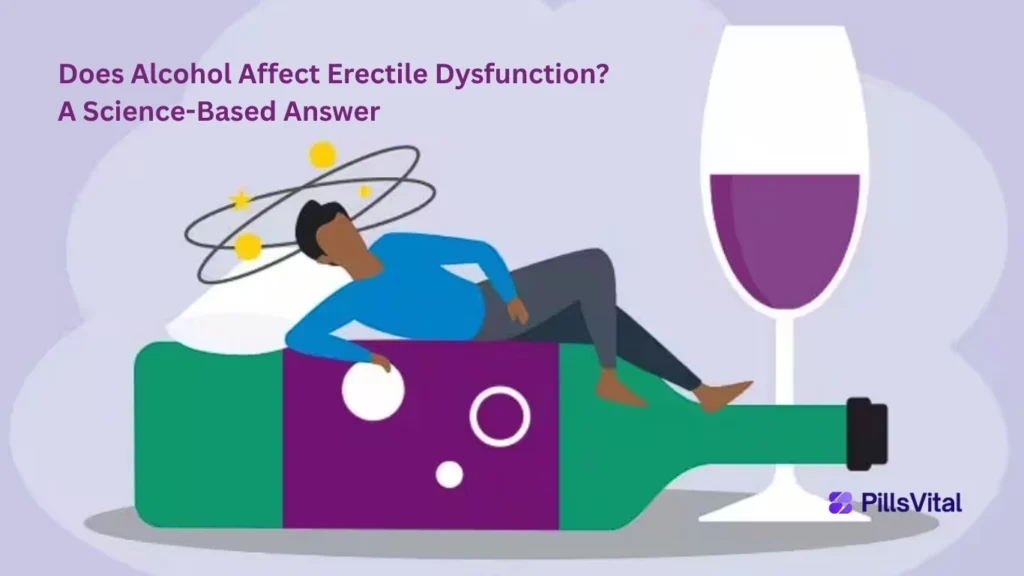
Excessive alcohol intake may impair erections and hormone balance.
Physical Activity
Regular exercise supports cardiovascular health and blood flow.
Diet
Poor nutrition may contribute to obesity, diabetes, and vascular disease.
Sleep Quality
Sleep plays an important role in hormone production and recovery.
Step 8: Specialized ED Diagnostic Tests
When initial evaluation does not provide enough answers, additional testing may be recommended.
These ED diagnostic tests may include:
Nocturnal Penile Tumescence (NPT) Testing
Measures erections that occur during sleep.
Penile Doppler Ultrasound
Evaluates blood flow within penile arteries.
Injection Testing
Assesses erectile response after medication administration.
Neurological Testing
May be used when nerve-related problems are suspected.
When Are ED Medications Considered?
After identifying possible causes, doctors may discuss treatment options.
Common medications include:
- Sildenafil
- Tadalafil
- Vardenafil
Each medication differs in onset time, duration, and suitability for individual patients.
Men comparing treatment options should review best erectile dysfunction medicationsΒ to understand the differences between sildenafil, tadalafil, and vardenafil.
Warning Signs That Require Prompt Medical Attention
Seek medical care if ED occurs together with:
- Chest pain
- Shortness of breath
- Sudden loss of sexual function
- Severe fatigue
- Unexplained weight changes
Because erectile dysfunction can sometimes be an early indicator of cardiovascular disease, it should not be ignored.
The American Heart Association notes that cardiovascular health and blood vessel function play critical roles in erectile health.
How to Prepare for an ED Appointment
Before seeing a healthcare provider:
- Write down symptoms
- List current medications
- Note lifestyle habits
- Record questions you want to ask
- Bring recent medical test results if available
Being prepared helps make the evaluation more productive.
Final Thoughts
Erectile dysfunction diagnosis involves much more than simply prescribing medication. Doctors often evaluate cardiovascular health, hormone levels, lifestyle factors, psychological health, and other medical conditions to identify the root cause.
A comprehensive evaluation can help determine the most effective treatment plan and may also uncover important health issues that require attention. Early diagnosis often leads to better outcomes and improved overall health.
Related Health Resources
-

Cenforce D (Sildenafil) Tablets
$134.00 – $265.00Price range: $134.00 through $265.00 This product has multiple variants. The options may be chosen on the product page -
Sildenafil 150mg (Cenforce) Tablets
$108.00 This product has multiple variants. The options may be chosen on the product page -

Vidalista 10mg (Tadalafil) Tablets
$78.00 This product has multiple variants. The options may be chosen on the product page -

Vilitra 40mg (Vardenafil) Tablets
$125.00 – $225.00Price range: $125.00 through $225.00 This product has multiple variants. The options may be chosen on the product page

β FAQs
What is the first thing doctors check for erectile dysfunction?
Doctors usually begin with a medical history review, symptom assessment, lifestyle evaluation, and physical examination. They look for potential underlying causes such as cardiovascular disease, diabetes, hormonal imbalances, stress, or medication side effects.
What blood tests are commonly ordered for erectile dysfunction?
Common blood tests may include testosterone levels, blood sugar (glucose), cholesterol, thyroid function tests, and liver and kidney function tests. These tests help identify conditions that may contribute to erectile dysfunction.
Can low testosterone cause erectile dysfunction?
Low testosterone may contribute to reduced libido and sexual dysfunction in some men. However, not all cases of erectile dysfunction are caused by low testosterone, which is why doctors often evaluate multiple possible causes.
What are ED diagnostic tests?
ED diagnostic tests are specialized evaluations used when the cause of erectile dysfunction is unclear. These may include penile Doppler ultrasound, nocturnal penile tumescence testing, injection testing, and certain neurological assessments.
Do doctors check mental health when diagnosing ED?
Yes. Anxiety, depression, chronic stress, relationship difficulties, and performance anxiety can all affect erectile function. Psychological factors are often considered during an erectile dysfunction evaluation.
Can erectile dysfunction be a sign of another health problem?
Yes. Erectile dysfunction may sometimes be linked to cardiovascular disease, diabetes, high blood pressure, obesity, sleep disorders, or hormonal conditions. This is why a complete medical evaluation is important.
π Related ED Guides
Dr. Emily Carter specializes in evidence-based health education and wellness content. She focuses on simplifying complex medical topics related to cancer awareness, nutrition, preventive healthcare, skincare, and lifestyle wellness for readers worldwide.
This content is reviewed for medical accuracy, clarity, and alignment with current public health research. The article is intended for educational and informational purposes only and should not replace professional medical advice, diagnosis, or treatment.