
ED in Young Men: Why It’s Increasing in 2026
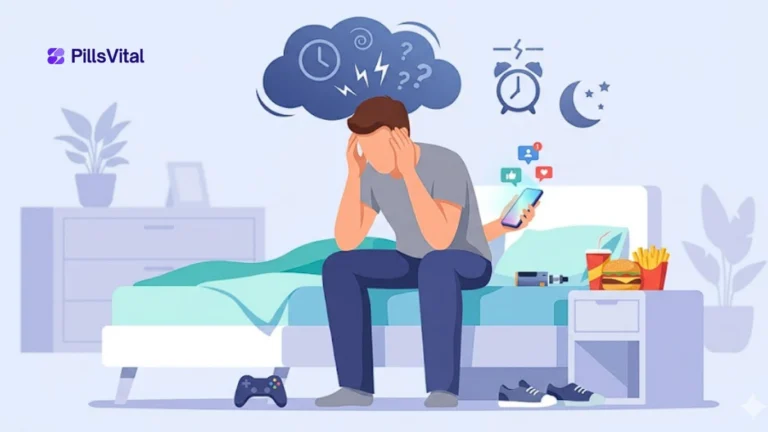
For many years, erectile dysfunction (ED) was considered a condition that primarily affected older men. However, healthcare professionals are increasingly seeing erectile dysfunction in younger adults, including men in their 20s and 30s.
While aging remains a significant risk factor for ED, younger men are experiencing erection problems more frequently than previous generations. Experts believe several physical, psychological, lifestyle, and environmental factors may be contributing to this trend.
Understanding the causes behind this increase can help younger men recognize warning signs, seek appropriate medical advice, and make informed decisions about their health.
Is ED Really Increasing in Younger Men?
Research and clinical observations suggest that erectile dysfunction is being reported more often among younger adults than in the past.
Several factors may contribute to this increase:
- Higher stress levels
- Anxiety and depression
- Poor sleep habits
- Obesity and inactivity
- Excessive alcohol consumption
- Smoking and vaping
- Increased screen time
- Chronic health conditions
While occasional erection difficulties can happen to anyone, persistent problems may indicate an underlying issue that deserves attention.
Early Erectile Dysfunction Causes
Many younger men assume ED is impossible at their age.
However, erectile function depends on healthy blood flow, hormones, nerves, mental health, and lifestyle habits.
Many of the most common early erectile dysfunction causes are related to lifestyle habits, psychological health, cardiovascular health, and hormonal balance.
Common causes include:
Stress
Stress is one of the most common contributors to erectile dysfunction in younger men. When a person experiences chronic stress from work, finances, relationships, or personal responsibilities, the body releases stress hormones such as cortisol and adrenaline. While these hormones are helpful during short-term emergencies, persistently high levels can interfere with normal sexual function.
Stress may affect erections in several ways:
- Reduces sexual desire and interest in intimacy
- Makes it difficult for the brain to send arousal signals to the body
- Increases anxiety and mental distraction during sexual activity
- Raises blood pressure, which can negatively affect blood vessel health
- Contributes to fatigue and poor sleep quality
Many younger men find themselves constantly thinking about work deadlines, financial pressures, or daily responsibilities, making it difficult to relax and focus on sexual activity. Over time, this ongoing stress can significantly impact erectile performance.
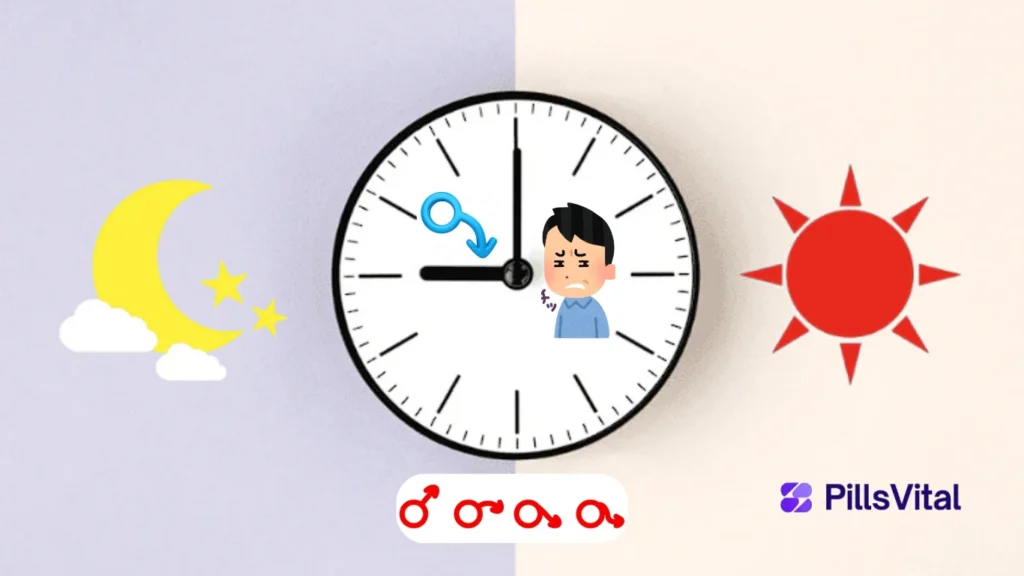
Poor Sleep
Quality sleep plays a critical role in hormone production, physical recovery, and sexual health. Unfortunately, many younger adults regularly get less sleep than recommended due to work schedules, social media use, gaming, shift work, or lifestyle habits.
Sleep affects erectile function because:
- Testosterone production primarily occurs during sleep
- Sleep helps regulate hormone balance
- Adequate rest supports healthy blood circulation
- The body repairs tissues and blood vessels during sleep
- Mental focus and sexual desire improve with proper rest
Research has shown that men who consistently sleep poorly may experience lower testosterone levels and higher stress hormone levels. Sleep disorders such as sleep apnea have also been associated with an increased risk of erectile dysfunction.
If a person regularly gets fewer than 6–7 hours of sleep per night, sexual performance and overall health may gradually suffer.
Obesity
Excess body weight can affect erectile function through several different mechanisms. Obesity is associated with hormonal changes, reduced cardiovascular health, chronic inflammation, and increased risk of diseases that may contribute to ED.
Men with obesity may experience:
- Lower testosterone levels
- Reduced blood flow to the penis
- Increased inflammation throughout the body
- Higher risk of diabetes
- Higher risk of cardiovascular disease
- Reduced energy and physical fitness
Fat tissue can influence hormone metabolism, sometimes leading to lower testosterone levels and hormonal imbalances. In addition, obesity is strongly linked to conditions such as type 2 diabetes and high blood pressure, both of which are known risk factors for erectile dysfunction.
Even modest weight loss may help improve overall health and sexual function in some individuals.
Sedentary Lifestyle
Modern lifestyles often involve long hours sitting at desks, working on computers, using smartphones, or watching screens. A lack of physical activity can negatively affect both cardiovascular health and erectile function.
Regular exercise supports erections by:
- Improving blood circulation
- Supporting healthy blood vessel function
- Helping maintain a healthy weight
- Reducing stress levels
- Improving sleep quality
- Supporting testosterone production
In contrast, a sedentary lifestyle may lead to poor circulation, weight gain, insulin resistance, and reduced cardiovascular fitness. Since erections depend heavily on healthy blood flow, reduced physical activity may increase the risk of erectile difficulties over time.
Studies consistently show that physically active men tend to have better erectile function than those who are inactive.
Smoking and Vaping
Smoking has long been recognized as a major risk factor for erectile dysfunction. More recently, concerns have also emerged regarding vaping and nicotine-containing products.
Nicotine affects erectile function because it can:
- Constrict blood vessels
- Reduce blood flow throughout the body
- Damage blood vessel lining
- Increase blood pressure
- Contribute to cardiovascular disease
Healthy erections require unrestricted blood flow to the penis. When blood vessels become narrowed or damaged, achieving and maintaining an erection may become more difficult.
Although vaping is often marketed as a safer alternative to smoking, many vaping products still contain nicotine, which may negatively affect circulation and vascular health. Researchers continue to study the long-term effects of vaping, but concerns remain regarding its potential impact on erectile function.
Men who quit smoking often experience improvements in cardiovascular health, which may positively influence erectile performance over time.
In addition to avoiding tobacco products, adopting healthier daily habits can support overall sexual wellness. Explore our healthy lifestyle guides to learn about nutrition, exercise, sleep, and other factors that may help improve erectile function naturally.
The Role of Mental Health
Mental health is one of the most overlooked contributors to erectile dysfunction in younger men.
Unlike older adults, who often experience ED due to physical health conditions, younger men frequently face psychological factors.
Common issues include:
- Performance anxiety
- Depression
- Relationship stress
- Fear of sexual failure
- Work-related pressure
- Low self-confidence
Many psychological ED symptoms can occur even when blood flow, hormone levels, and physical health appear normal.
Psychological factors may create a cycle where anxiety about sexual performance leads to erection difficulties, which then increases future anxiety.
Social Media, Stress, and Sexual Expectations
Modern lifestyles may also contribute to increasing ED rates.
Social media platforms often create unrealistic expectations about:
- Relationships
- Physical appearance
- Sexual performance
- Masculinity
Constant comparison can increase anxiety and negatively affect self-esteem.
Combined with chronic stress and poor sleep, these pressures may influence sexual health over time.
Why ED Pills Fail in Younger Men
Many younger men expect medications like sildenafil to solve every erection problem.
However, medication does not address every underlying cause.
Understanding why ED pills fail in younger men often requires looking beyond medication and evaluating psychological, hormonal, and lifestyle factors.
Common reasons include:
- Lack of sexual stimulation
- Anxiety
- Incorrect medication timing
- Heavy alcohol use
- Underlying health conditions
- Unrealistic expectations
Can Low Testosterone Cause ED in Young Men?
Low testosterone is less common in younger adults but can occur.
Possible symptoms include:
- Reduced libido
- Fatigue
- Loss of muscle mass
- Mood changes
- Erectile difficulties
A healthcare provider may recommend hormone testing if symptoms suggest a hormonal issue.
The Mayo Clinic erectile dysfunction resource notes that hormonal disorders may contribute to erectile dysfunction alongside physical and psychological causes.
Lifestyle Habits That May Increase ED Risk
Several everyday habits may increase the likelihood of erectile dysfunction.
Poor Diet
The foods you eat can have a direct impact on blood vessel health, hormone balance, energy levels, and overall sexual function. A diet high in processed foods, refined sugars, unhealthy fats, and excessive calories may increase the risk of erectile dysfunction over time.
Poor dietary habits may contribute to ED by:
- Increasing cholesterol levels
- Promoting plaque buildup in arteries
- Reducing blood flow throughout the body
- Increasing the risk of obesity and diabetes
- Contributing to inflammation
- Affecting testosterone production
Since erections depend heavily on healthy circulation, any condition that damages blood vessels may affect erectile function. Diets rich in fruits, vegetables, whole grains, lean proteins, and healthy fats generally support better cardiovascular and sexual health.
Many men are surprised to learn that everyday food choices can influence erectile performance. Discover more about foods that help erectile health and dietary habits that may support better sexual wellness.
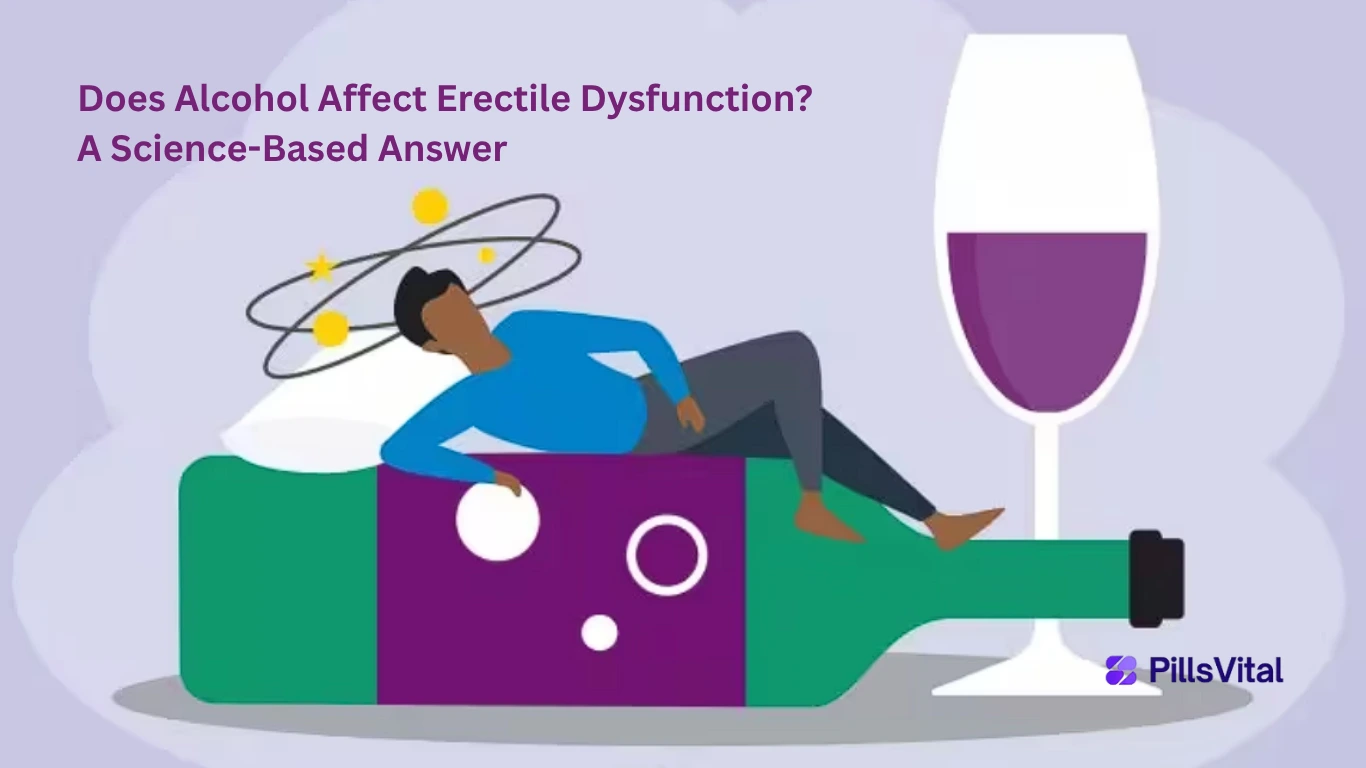
Excessive Alcohol
Alcohol is one of the most common lifestyle factors linked to erectile difficulties. While small amounts of alcohol may temporarily reduce anxiety and increase confidence, excessive drinking can interfere with several biological processes needed for healthy erections.
Heavy alcohol consumption may:
- Reduce testosterone levels
- Impair nerve signaling
- Affect blood circulation
- Lower sexual desire
- Increase fatigue
- Interfere with ED medications
Long-term alcohol use may also increase the risk of cardiovascular disease, liver problems, and hormonal imbalances, all of which can contribute to erectile dysfunction.
Understanding does alcohol affect erectile dysfunction can help men identify lifestyle factors that may be affecting their sexual performance.
Lack of Exercise
Physical activity plays a crucial role in maintaining healthy erectile function. Exercise supports cardiovascular health, improves blood circulation, helps regulate hormones, and reduces many risk factors associated with ED.
Regular exercise may help:
- Improve blood vessel function
- Support healthy testosterone levels
- Reduce body fat
- Improve heart health
- Lower stress levels
- Enhance overall stamina and energy
In contrast, a sedentary lifestyle can contribute to obesity, poor circulation, insulin resistance, and cardiovascular disease. Because erections rely on healthy blood flow, inactivity may increase the likelihood of erectile difficulties over time.
Even moderate activities such as walking, cycling, swimming, or strength training may support better overall health and erectile function.
Many evidence-based natural ways to improve erectile function include regular exercise, weight management, and better cardiovascular fitness.
Sleep Deprivation
Sleep is often overlooked when discussing sexual health, yet it plays a critical role in hormone regulation and physical recovery. During sleep, the body produces and regulates testosterone, repairs tissues, and restores energy levels.
Insufficient sleep may contribute to:
- Reduced testosterone production
- Increased cortisol (stress hormone) levels
- Lower sexual desire
- Reduced energy levels
- Poor concentration
- Increased risk of anxiety and depression
Men who consistently sleep fewer than the recommended hours may experience hormonal disruptions that affect both libido and erectile function.
Sleep disorders such as obstructive sleep apnea have also been associated with an increased risk of erectile dysfunction.
Research suggests that sleep quality can influence testosterone and erectile function, making adequate rest an important part of men’s health.
Smoking
Smoking is one of the most well-established lifestyle risk factors for erectile dysfunction. Tobacco smoke contains chemicals that can damage blood vessels and reduce blood flow throughout the body.
Smoking may contribute to ED by:
- Narrowing blood vessels
- Damaging artery walls
- Increasing blood pressure
- Reducing oxygen delivery
- Accelerating cardiovascular disease
Because erections depend on healthy circulation, damage to blood vessels can make it more difficult to achieve and maintain an erection.
Research has shown that smokers are more likely to experience erectile dysfunction compared to non-smokers. The risk often increases with the duration and intensity of smoking.
The good news is that quitting smoking may improve cardiovascular health and potentially support better erectile function over time.
According to the American Heart Association, many lifestyle habits that support cardiovascular health may also benefit blood vessel function and overall sexual health.
ED Medical Diagnosis Process
Persistent erectile dysfunction should not be ignored simply because a person is young.
Doctors often investigate possible physical and psychological contributors.
The ED medical diagnosis process may include a medical history review, physical examination, blood tests, hormone testing, and evaluation of lifestyle factors.
A proper evaluation helps identify whether ED is primarily physical, psychological, hormonal, or a combination of factors.
When Should Young Men Seek Medical Advice?
Consider consulting a healthcare professional if:
- ED occurs regularly
- Symptoms last several months
- Morning erections decrease significantly
- Sexual desire declines noticeably
- Lifestyle changes do not improve symptoms
Early evaluation may help identify underlying health concerns before they become more serious.
The American Urological Association recommends discussing persistent erectile dysfunction with a healthcare professional to determine possible underlying causes and treatment options.
Treatment Options for Younger Men
Treatment depends on the underlying cause.
Potential approaches include:
- Lifestyle modifications
- Exercise programs
- Weight management
- Stress reduction
- Sleep improvement
- Psychological counseling
- Medication when appropriate
For a complete overview of medications, lifestyle strategies, and treatment options, visit our comprehensive erectile dysfunction treatment guide.
Conclusion
ED in young men is becoming increasingly common due to a combination of lifestyle, psychological, hormonal, and health-related factors. While occasional erection difficulties are normal, persistent symptoms should not be ignored.
Identifying early erectile dysfunction causes, understanding psychological ED symptoms, and seeking appropriate medical evaluation can help improve sexual health and overall well-being. Early action often leads to better outcomes and more effective treatment options.
Related Health Resources
-

Vilitra 60mg (Vardenafil) Tablets
$135.00 – $250.00Price range: $135.00 through $250.00 This product has multiple variants. The options may be chosen on the product page -
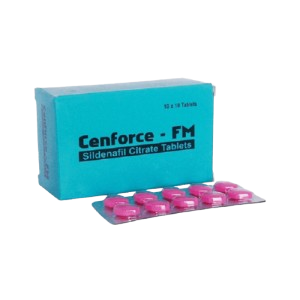
Cenforce FM (Sildenafil) Tablets
$98.00 – $194.00Price range: $98.00 through $194.00 This product has multiple variants. The options may be chosen on the product page -
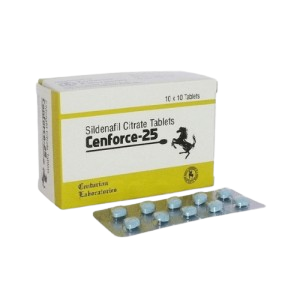
Sildenafil 25mg (Cenforce) Tablets
$70.00 – $138.00Price range: $70.00 through $138.00 This product has multiple variants. The options may be chosen on the product page -

Vidalista 20mg (Tadalafil) Tablets
$78.00 This product has multiple variants. The options may be chosen on the product page
❓ FAQs
Is erectile dysfunction common in young men?
Yes. Erectile dysfunction can affect younger men, especially when factors such as stress, anxiety, poor sleep, obesity, smoking, excessive alcohol use, or underlying health conditions are present.
What are the most common causes of ED in young men?
Common causes include psychological stress, performance anxiety, poor sleep, obesity, smoking, lack of exercise, excessive alcohol consumption, and certain medical conditions that affect blood flow or hormone levels.
Can stress and anxiety cause erectile dysfunction?
Yes. Stress and anxiety can interfere with sexual arousal and the brain signals required for an erection. Psychological factors are among the leading causes of erectile dysfunction in younger men.
Why do ED pills sometimes fail in younger men?
ED medications may be less effective when underlying issues such as anxiety, relationship problems, excessive alcohol use, poor lifestyle habits, or incorrect medication use are not addressed.
Can lifestyle changes improve erectile dysfunction?
In many cases, lifestyle changes such as regular exercise, healthy eating, better sleep, stress management, quitting smoking, and reducing alcohol intake may help improve erectile function.
When should a young man see a doctor for ED?
A doctor should be consulted if erectile difficulties occur regularly, persist for several weeks or months, worsen over time, or are accompanied by other symptoms such as low libido, fatigue, or hormonal concerns.
💙 Related ED Guides

Dr. Emily Carter specializes in evidence-based health education and wellness content. She focuses on simplifying complex medical topics related to cancer awareness, nutrition, preventive healthcare, skincare, and lifestyle wellness for readers worldwide.
This content is reviewed for medical accuracy, clarity, and alignment with current public health research. The article is intended for educational and informational purposes only and should not replace professional medical advice, diagnosis, or treatment.