
Why Weight Matters When Taking Ivermectin
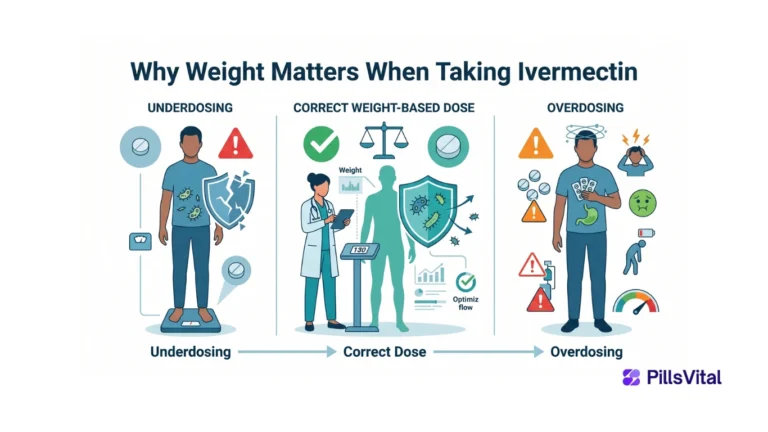
Ivermectin is a medication commonly prescribed for certain parasitic infections. One of the most important factors healthcare providers consider before prescribing ivermectin is a person’s body weight. Proper dosing helps ensure the medication works effectively while minimizing the risk of unwanted side effects.
Understanding ivermectin weight based dosing can help patients appreciate why healthcare professionals calculate doses carefully rather than using a one-size-fits-all approach.
What Is Ivermectin Weight Based Dosing?
Ivermectin weight based dosing refers to calculating the amount of medication according to a person’s body weight, usually measured in kilograms (kg).
Most ivermectin treatment guidelines use a specific microgram-per-kilogram (mcg/kg) dosage. This approach helps healthcare providers deliver enough medication to effectively treat the infection while avoiding unnecessarily high doses.
For example, a person weighing 50 kg may require a different dose than someone weighing 90 kg, even when both are being treated for the same condition.
Weight-based dosing is widely used because body weight directly affects how medications are distributed and processed within the body.
👉 To learn more about how ivermectin works in the body, read our guide on: How Long Does Ivermectin Stay in Your System? Complete Guide to Half-Life, Metabolism, and Elimination
Why Body Weight Influences Ivermectin Dosing
Body weight is one of the most important factors healthcare providers consider when determining the appropriate ivermectin dose. The medication must reach adequate concentrations throughout the body to effectively target parasites while maintaining a safe therapeutic range. Because people vary significantly in size and body composition, a standard dose may not provide the same results for every individual.
Weight-based dosing helps ensure that each patient receives an amount of ivermectin that is appropriate for their body size, improving both effectiveness and safety.
1. Drug Distribution
After ivermectin is taken, it enters the bloodstream and is distributed throughout the body’s tissues and fluids. The way a medication spreads within the body is known as drug distribution.
Individuals with higher body weight generally have a larger volume of blood, body fluids, and tissues. As a result, the same dose of ivermectin may be distributed across a greater area, potentially reducing the concentration of the medication available to act against parasites.
For example, if two adults receive the exact same dose but one weighs significantly more than the other, the heavier individual may have lower drug concentrations circulating throughout the body. This could potentially reduce treatment effectiveness if the dose is not adjusted appropriately.
Weight-based dosing helps healthcare providers account for these differences and achieve therapeutic drug levels that are more consistent across patients of different sizes.
Additional factors that influence drug distribution include:
- Body fat percentage
- Muscle mass
- Hydration status
- Age
- Overall health condition
Because ivermectin is a lipophilic (fat-soluble) medication, body composition may also influence how the drug is stored and distributed within tissues.
2. Treatment Effectiveness
The primary goal of ivermectin treatment is to expose parasites to a sufficient amount of medication to eliminate or control the infection effectively.
When a dose is calculated according to body weight, it increases the likelihood that therapeutic drug concentrations will be achieved throughout the body. This helps maximize treatment success while reducing the chance of incomplete parasite eradication.
Proper weight-based dosing may help:
- Improve treatment outcomes
- Ensure adequate drug exposure
- Reduce the likelihood of persistent infection
- Minimize the need for repeat treatment courses
- Support consistent results across different patient populations
If the dose is too low for an individual’s body weight, the medication may not reach concentrations necessary to effectively affect the target parasites. In some cases, symptoms may persist, and additional medical evaluation may be required.
Healthcare providers use established dosing guidelines to balance efficacy and safety, ensuring patients receive enough medication to achieve the desired therapeutic effect.
3. Safety Considerations
While effective treatment is important, patient safety is equally critical. Weight-based dosing helps reduce the risk of administering either too little or too much medication.
Avoiding Underdosing
Underdosing occurs when a patient receives less medication than is needed for their body weight.
Potential consequences include:
- Reduced treatment effectiveness
- Continued infection
- Persistent symptoms
- Need for retreatment
- Increased healthcare costs and follow-up visits
Proper weight-based calculations help ensure patients receive an adequate amount of ivermectin to support successful treatment outcomes.
Avoiding Overdosing
Overdosing occurs when a patient receives more medication than recommended for their body weight.
Excessive ivermectin exposure may increase the likelihood of side effects such as:
- Dizziness
- Nausea
- Vomiting
- Headache
- Fatigue
- Abdominal discomfort
In severe overdose situations, more serious neurological effects may occur and require immediate medical attention.
Weight-based dosing helps healthcare professionals stay within established safety margins while still delivering an effective treatment dose.
Achieving the Therapeutic Balance
Every medication has a therapeutic range—a dosage level where the drug is most likely to be effective while minimizing adverse effects.
Weight-based ivermectin dosing helps healthcare providers achieve this balance by:
- Individualizing treatment
- Improving dosing precision
- Enhancing safety
- Supporting optimal treatment outcomes
- Reducing the risk of medication-related complications
Standard Dosing Principles for Ivermectin
Healthcare providers typically follow established dosing guidelines based on:
- Patient weight
- Medical condition being treated
- Age
- Overall health status
- Liver function
- Other medications being taken
The exact dose can vary depending on the infection being treated and the treatment protocol being followed.
Patients should never attempt to calculate or adjust ivermectin doses without professional medical guidance.
For evidence-based dosing recommendations, healthcare professionals often refer to guidance published by the: World Health Organization (WHO) and U.S. Centers for Disease Control and Prevention (CDC)
Risks of Underdosing Ivermectin
Taking less ivermectin than prescribed may seem harmless, but underdosing can significantly reduce the effectiveness of treatment. The goal of ivermectin therapy is to expose parasites to a sufficient concentration of medication for an adequate period of time. When the dose is too low, the drug may not be able to fully eliminate the organisms causing the infection.
Underdosing can lead to ongoing symptoms, incomplete treatment, and the potential need for additional medical intervention. This is one of the reasons healthcare providers carefully calculate doses based on factors such as body weight, medical condition, and treatment guidelines.
Reduced Treatment Effectiveness
The most immediate risk of underdosing is reduced treatment effectiveness.
Ivermectin works by interfering with the nervous system and muscle function of certain parasites, ultimately leading to their elimination. However, for the medication to work properly, enough of the drug must be present in the body to affect the targeted organisms.
When a patient receives a dose that is lower than recommended:
- Drug concentrations may not reach therapeutic levels.
- Some parasites may survive treatment.
- The infection may not be completely cleared.
- Recovery may take longer than expected.
Even if symptoms initially improve, surviving parasites may continue to reproduce or remain active within the body, potentially causing the infection to persist.
The effectiveness of ivermectin depends not only on taking the medication but also on taking the correct dose as prescribed by a healthcare professional.
Persistent Symptoms
When parasites are not fully eliminated, symptoms may continue despite treatment.
Depending on the condition being treated, patients may continue to experience:
- Itching
- Skin irritation
- Rashes
- Digestive discomfort
- Fatigue
- Ongoing inflammation
- Other infection-related symptoms
Persistent symptoms can negatively affect quality of life and may create confusion for patients who believe they have completed treatment correctly.
In some cases, symptoms may temporarily improve before returning because the infection was only partially treated. This can make it difficult to determine whether the medication failed or whether the original dose was insufficient.
Healthcare providers may need to perform additional evaluations to determine why symptoms continue after treatment.
Need for Additional Treatment
Underdosing may increase the likelihood that a patient will require further medical care.
If the initial treatment does not fully resolve the infection, healthcare providers may recommend:
- Additional medical evaluations
- Follow-up testing
- Repeat treatment courses
- Alternative treatment strategies
- Ongoing monitoring
Additional treatment can result in:
- Increased healthcare costs
- More clinic visits
- Delayed recovery
- Greater inconvenience for patients
Receiving the correct dose from the beginning helps maximize the chances of successful treatment and may reduce the need for repeated interventions.
Potential Resistance Concerns
One reason healthcare professionals emphasize proper dosing is the concern that inadequate drug exposure may contribute to reduced treatment effectiveness over time.
When parasites are exposed to medication levels that are too low to eliminate them completely, some organisms may survive treatment. Repeated exposure to insufficient doses may potentially influence how susceptible parasite populations remain to treatment in the future.
While resistance patterns vary depending on the parasite species and treatment setting, appropriate dosing is considered an important component of responsible medication use.
Proper dosing helps:
- Achieve adequate drug exposure
- Improve parasite elimination
- Support treatment success
- Reduce the likelihood of treatment failure
- Promote responsible antiparasitic medication use
For this reason, patients should never intentionally reduce their dose, split tablets differently than instructed, or alter treatment plans without professional medical guidance.
Why Underdosing Happens
Underdosing can occur for several reasons, including:
Incorrect Weight Estimation
Because ivermectin dosing is often based on body weight, estimating weight inaccurately can result in receiving less medication than needed.
Skipping Part of a Dose
Some patients may intentionally take a smaller dose due to concerns about side effects, reducing treatment effectiveness.
Splitting Tablets Incorrectly
Breaking tablets into uneven portions can lead to inaccurate dosing.
Misunderstanding Instructions
Confusion about how or when to take ivermectin may result in patients taking less medication than prescribed.
Preventing Underdosing
Patients can help ensure effective treatment by:
- Taking ivermectin exactly as prescribed.
- Using an accurate and current body weight.
- Following dosing instructions carefully.
- Completing the full treatment regimen.
- Asking healthcare providers questions if instructions are unclear.
- Avoiding self-adjustment of doses.
These simple steps can improve treatment outcomes and reduce the likelihood of persistent infection.
Risks of Overdosing Ivermectin
Taking more ivermectin than prescribed does not necessarily improve treatment effectiveness. While some people may assume that a higher dose will work faster or provide better results, increasing the amount of medication beyond recommended levels can raise the risk of adverse effects without providing additional therapeutic benefits.
Healthcare providers carefully determine ivermectin doses based on factors such as body weight, medical condition, and treatment guidelines. Exceeding the recommended dose can disrupt the balance between effectiveness and safety, potentially exposing patients to unnecessary health risks.
For this reason, patients should always take ivermectin exactly as prescribed and should never increase their dose without professional medical advice.
Increased Risk of Side Effects
One of the most common consequences of taking too much ivermectin is an increased likelihood of side effects.
Like all medications, ivermectin can cause adverse reactions even when taken correctly. However, as the dose increases, the risk and severity of these reactions may also increase.
Common side effects associated with excessive ivermectin exposure may include:
- Nausea
- Vomiting
- Dizziness
- Headache
- Fatigue
- Weakness
- Abdominal discomfort
- Diarrhea
- Loss of appetite
These symptoms can range from mild to moderate depending on the amount taken and individual patient factors.
Some individuals may be more sensitive to medication effects due to age, body weight, liver function, existing medical conditions, or the use of other medications.
Gastrointestinal Effects
Higher-than-recommended doses may increase the likelihood of digestive symptoms such as:
- Stomach pain
- Nausea
- Vomiting
- Abdominal cramping
- Diarrhea
These symptoms may cause discomfort and, in some cases, contribute to dehydration if severe vomiting or diarrhea occurs.
Neurological Effects
Because ivermectin can affect the nervous system under certain circumstances, excessive doses may increase the risk of neurological side effects.
Patients may experience:
- Dizziness
- Drowsiness
- Difficulty concentrating
- Balance problems
- Fatigue
These effects may interfere with daily activities such as driving, operating machinery, or performing tasks that require alertness.
Neurological Symptoms
In cases of significant overdose, more serious nervous system effects may occur and require immediate medical attention.
Although severe toxicity is uncommon when ivermectin is used as prescribed, excessive doses can increase the risk of neurological complications.
Potential symptoms may include:
- Severe dizziness
- Confusion
- Disorientation
- Tremors
- Coordination difficulties
- Visual disturbances
- Extreme drowsiness
- Reduced responsiveness
- Seizures in severe cases
The likelihood and severity of these symptoms can depend on factors such as:
- Amount of ivermectin taken
- Body weight
- Age
- Existing health conditions
- Concurrent medications
Any signs of severe neurological symptoms should be treated as a medical emergency and evaluated by a healthcare professional immediately.
Drug Interactions
Another important concern with overdosing is the potential for drug interactions.
Many medications are processed through similar metabolic pathways in the body. When ivermectin is taken at higher-than-recommended doses, concerns about interactions with other medications may become more significant.
Certain medications may influence how ivermectin is:
- Absorbed
- Distributed
- Metabolized
- Eliminated from the body
As a result, excessive ivermectin levels combined with interacting medications may increase the likelihood of side effects or alter treatment outcomes.
Examples of Medications That May Require Additional Monitoring
Healthcare providers may pay particular attention to patients using:
- Blood thinners
- Sedatives
- Anti-seizure medications
- Certain antibiotics
- HIV medications
- Immunosuppressants
- Cholesterol medications
The degree of interaction varies depending on the specific medications involved, which is why healthcare providers should always be informed about all prescription medications, over-the-counter products, and supplements being used.
Before combining ivermectin with any prescription medication, it is important to understand potential interactions that may affect safety or treatment outcomes. For a complete overview, read our guide on Ivermectin Drug Interactions: Complete Guide.
Why Taking More Does Not Mean Better Results
Many medications have an optimal therapeutic range. Once this range is reached, taking additional medication generally does not produce significantly better results.
Instead, higher doses may simply increase the risk of adverse effects.
For ivermectin, treatment success depends on:
- Correct diagnosis
- Appropriate dosing
- Proper timing of treatment
- Following healthcare provider instructions
Taking extra medication cannot compensate for an incorrect diagnosis or inappropriate treatment plan.
How to Prevent Accidental Overdosing
Patients can reduce the risk of overdose by following several simple precautions:
- Take ivermectin exactly as prescribed.
- Never double a missed dose unless instructed by a healthcare provider.
- Use accurate dosing information.
- Verify tablet strength before taking medication.
- Keep a written record of doses if multiple treatments are required.
- Consult a healthcare professional before making any dose adjustments.
Careful adherence to treatment instructions helps ensure both safety and effectiveness.
Why Guessing Your Weight Can Be a Problem
Many people estimate their weight rather than measuring it accurately. Even moderate differences between estimated and actual body weight can affect dose calculations.
Healthcare providers may recommend obtaining an up-to-date weight measurement before treatment, especially when precise dosing is important.
Using a recent weight helps improve dosing accuracy and supports better treatment outcomes.
Special Considerations for Children
Weight-based dosing is particularly important in pediatric patients because children can vary greatly in size and body weight.
Healthcare providers carefully calculate doses to ensure children receive an appropriate amount of medication.
Parents should never estimate doses based on adult recommendations or internet sources. For This Read Our Complete Guide On Ivermectin For Children Safety Age Dosage Guide
Factors Other Than Weight That May Affect Dosing
While body weight is a major consideration, healthcare providers may also evaluate:
- Age
- Liver function
- Kidney health
- Pregnancy status
- Existing medical conditions
- Current medications
- Type of parasitic infection
These factors help determine the safest and most effective treatment approach for each patient.
Tips for Safe Ivermectin Use
To help ensure safe treatment:
- Take ivermectin exactly as prescribed.
- Never change your dose without medical advice.
- Inform your healthcare provider about all medications and supplements you use.
- Follow all treatment instructions carefully.
- Report unusual side effects promptly.
- Use an accurate and current body weight when discussing treatment with your healthcare provider.
For More Details Read Over Complete Guide On Ivermectin Side-effects And Warning Signs.
❓ FAQs
Is ivermectin always dosed by weight?
For many parasitic infections, ivermectin dosing is commonly based on body weight. However, healthcare providers may consider additional factors when determining the appropriate treatment plan.
Can taking more ivermectin make it work better?
No. Taking more than the prescribed amount does not necessarily improve effectiveness and may increase the risk of side effects.
Why do children require weight-based dosing?
Children vary significantly in size and weight, making individualized dosing important for both effectiveness and safety.
Should I adjust my dose if I gain or lose weight?
Only a healthcare professional should determine whether a dose adjustment is necessary.
Related Health Resources
-
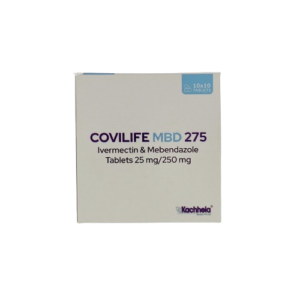
Covilife MBD 275 (Ivermectin 25mg + Mebendazole 250mg) Tablets
$92.00 – $260.00Price range: $92.00 through $260.00 This product has multiple variants. The options may be chosen on the product page -
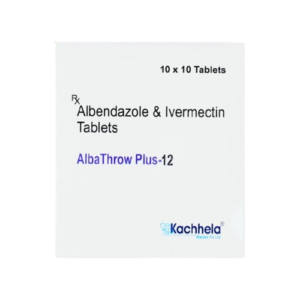
Albendazole & Ivermectin (AlbaThrow Plus-12) Tablet
$130.00 – $355.00Price range: $130.00 through $355.00 This product has multiple variants. The options may be chosen on the product page -
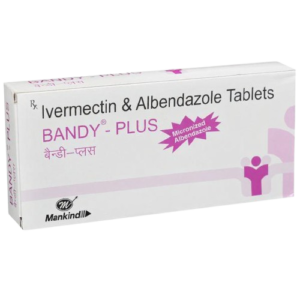
Ivermectin & Albendazole (Bandy-Plus Chewable) Tablets
$40.00 – $112.00Price range: $40.00 through $112.00 This product has multiple variants. The options may be chosen on the product page -
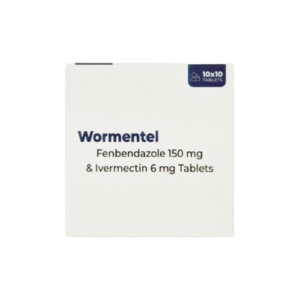
Wormentel DUO 156 (Fenbendazole 150mg & Ivermectin 6mg) Tablets
$92.00 – $260.00Price range: $92.00 through $260.00 This product has multiple variants. The options may be chosen on the product page
💊 Related Ivermectin Guides

Dr. Emily Carter specializes in evidence-based health education and wellness content. She focuses on simplifying complex medical topics related to cancer awareness, nutrition, preventive healthcare, skincare, and lifestyle wellness for readers worldwide.
This content is reviewed for medical accuracy, clarity, and alignment with current public health research. The article is intended for educational and informational purposes only and should not replace professional medical advice, diagnosis, or treatment.