
Ivermectin in Older Adults: Essential Safety Risks Every Senior Should Know
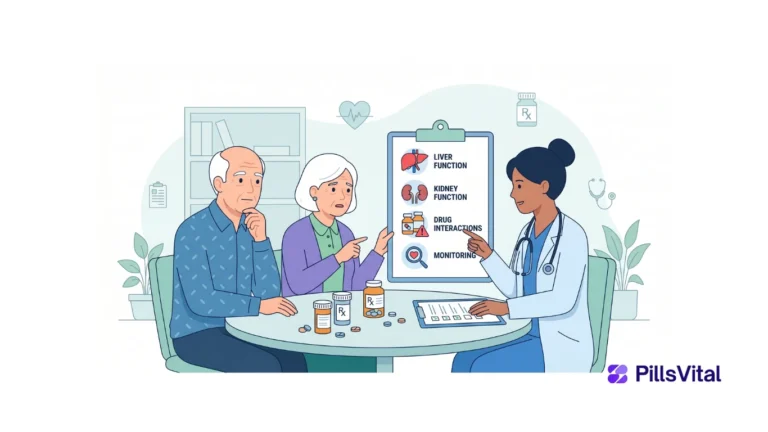
As people age, their bodies process medications differently. Changes in liver function, kidney function, body composition, and the presence of multiple medical conditions can all affect how drugs work. This raises an important question for healthcare providers and caregivers: Are there extra risks when using ivermectin in older adults?
Ivermectin is a widely used antiparasitic medication prescribed for conditions such as strongyloidiasis, onchocerciasis, and certain other parasitic infections. While it is generally considered safe when used as directed, elderly patients may require additional attention due to age-related health changes and the increased likelihood of taking multiple medications.
This guide explores important safety considerations for ivermectin elderly patients, including liver and kidney concerns, potential drug interactions, and monitoring recommendations.
This guide explores important safety considerations for ivermectin elderly patients, including liver and kidney concerns, potential drug interactions, and monitoring recommendations.
Understanding Ivermectin
Ivermectin belongs to a class of medications known as antiparasitic agents. It works by interfering with the nervous system of parasites, leading to their paralysis and death.
Common approved uses include:
- Strongyloidiasis
- Onchocerciasis (river blindness)
- Certain parasitic skin infections
- Some off-label parasitic treatments under medical supervision
For most healthy adults, ivermectin is well tolerated. However, elderly patients often require a more individualized approach.
Why Older Adults May Require Special Consideration
As people age, the body undergoes many natural physiological changes that can affect how medications are absorbed, distributed, metabolized, and eliminated. These changes can influence both the effectiveness and safety of medications, including ivermectin. While many older adults tolerate ivermectin well, healthcare providers often take extra precautions to minimize the risk of adverse effects and drug interactions.
Reduced Organ Function
One of the most significant age-related changes involves the gradual decline in liver and kidney function. These organs play critical roles in processing and eliminating medications from the body.
Liver Function Changes
The liver is responsible for metabolizing many medications, including ivermectin. As individuals grow older:
- Liver blood flow may decrease.
- Liver size can become smaller.
- Drug-metabolizing enzyme activity may be reduced.
- The body may take longer to break down medications.
As a result, drugs may remain in the bloodstream for a longer period, potentially increasing the likelihood of side effects. Elderly patients with pre-existing liver conditions such as fatty liver disease, hepatitis, or cirrhosis may face an even greater risk and may require closer monitoring.
Kidney Function Changes
Although ivermectin is primarily processed through the liver, kidney function remains an important consideration in older adults. Aging often leads to:
- Reduced kidney filtration capacity.
- Slower elimination of waste products.
- Increased vulnerability to dehydration.
- Greater sensitivity to medication-related complications.
Because kidney function naturally declines with age, healthcare providers may evaluate renal health before prescribing medications, especially in patients with chronic kidney disease or multiple medical conditions.
Why Reduced Organ Function Matters
When medications stay in the body longer than expected, patients may experience:
- Increased side effects.
- Higher drug concentrations in the bloodstream.
- Delayed recovery from adverse reactions.
- Greater sensitivity to standard doses.
For this reason, elderly patients may benefit from individualized treatment plans and periodic monitoring during therapy.
Multiple Medical Conditions
Many older adults live with one or more chronic health conditions. These underlying diseases can complicate medication management and increase the likelihood of treatment-related issues.
Common chronic conditions among elderly patients include:
- Diabetes mellitus
- Hypertension (high blood pressure)
- Heart disease
- Chronic kidney disease
- Liver disorders
- Neurological conditions
- Respiratory illnesses
- Autoimmune diseases
How Chronic Diseases Affect Medication Safety
Chronic illnesses can influence how the body responds to ivermectin and other medications. For example:
Diabetes
Patients with diabetes often take multiple medications and may already have kidney or nerve-related complications. Additional medications can increase the complexity of treatment and monitoring.
Heart Disease
Individuals with cardiovascular disease frequently use blood pressure medications, antiarrhythmic drugs, or blood thinners. Some of these medications may interact with ivermectin or require closer observation.
Kidney Disease
Reduced kidney function can make patients more susceptible to medication-related complications and may require additional laboratory monitoring.
Liver Disorders
Since ivermectin is metabolized primarily in the liver, existing liver disease may affect how the medication is processed.
Increased Risk of Complications
When several health conditions are present simultaneously, patients may be more vulnerable to:
- Medication side effects
- Drug interactions
- Hospitalizations
- Treatment complications
- Delayed recovery
Healthcare providers often perform a comprehensive review of a patient’s medical history before prescribing ivermectin to ensure the benefits outweigh potential risks.
Polypharmacy
Polypharmacy refers to the use of multiple medications at the same time. It is extremely common among older adults.
Many seniors take medications for:
- Blood pressure control
- Cholesterol management
- Diabetes treatment
- Heart disease prevention
- Arthritis pain
- Sleep disorders
- Anxiety or depression
- Gastrointestinal conditions
It is not unusual for an elderly patient to take five, ten, or even more medications daily.
Why Polypharmacy Is a Concern
The more medications a person takes, the greater the risk of interactions.
Drug interactions can occur when one medication:
- Increases the effects of another drug.
- Reduces medication effectiveness.
- Alters drug metabolism.
- Raises the likelihood of side effects.
Potential Consequences of Drug Interactions
Interactions may lead to:
- Excessive dizziness
- Confusion
- Bleeding complications
- Increased drowsiness
- Changes in blood pressure
- Increased fall risk
- Unexpected treatment failure
Importance of Medication Reviews
Before starting ivermectin, patients should provide healthcare providers with a complete list of:
- Prescription medications
- Over-the-counter drugs
- Vitamins
- Herbal supplements
- Natural health products
Regular medication reviews help identify potential interactions and improve treatment safety.
Increased Sensitivity to Medications
Another important consideration is that older adults often become more sensitive to medications, even when standard doses are used.
Changes in the Nervous System
Aging affects the brain and nervous system in several ways:
- Slower nerve signal transmission.
- Changes in neurotransmitter activity.
- Reduced balance and coordination.
- Increased susceptibility to cognitive changes.
Because of these changes, elderly patients may experience stronger medication effects than younger adults.
Common Side Effects That May Be More Pronounced
Even mild medication-related side effects can have a greater impact on older adults, including:
Dizziness
Dizziness can interfere with walking, balance, and daily activities. What may seem like a minor symptom can significantly increase the risk of injury.
Confusion
Some older adults may experience temporary confusion or cognitive changes when taking certain medications, especially when multiple drugs are involved.
Balance Problems
Age-related declines in muscle strength and coordination can make balance issues more serious. Medication-induced dizziness may worsen existing mobility challenges.
Falls
Falls are among the leading causes of injury in older adults. Medication-related side effects can contribute to:
- Hip fractures
- Head injuries
- Hospital admissions
- Loss of independence
Why Monitoring Is Important
Because older adults may respond differently to medications, healthcare providers often recommend monitoring for:
- Changes in mental status
- Unusual fatigue
- Dizziness
- Walking difficulties
- New or worsening symptoms
Early recognition of side effects allows timely adjustments to treatment and helps prevent complications.
Liver Considerations in Elderly Patients
The liver plays a major role in metabolizing ivermectin.
How Aging Affects the Liver
As people age:
- Liver blood flow may decrease
- Drug metabolism can become slower
- Recovery from medication-related liver stress may take longer
Although mild age-related liver changes usually do not prevent ivermectin use, existing liver disease can increase concerns.
Patients Who May Need Additional Evaluation
Extra caution may be needed for elderly individuals with:
- Cirrhosis
- Chronic hepatitis
- Fatty liver disease
- Alcohol-related liver damage
Potential Signs of Liver Problems
Patients should contact a healthcare provider if they experience:
- Yellowing of the skin or eyes
- Dark urine
- Severe fatigue
- Persistent nausea
- Abdominal swelling
- Unusual itching
Liver Function Testing
Healthcare providers may recommend liver enzyme testing before or after treatment when:
- High doses are used
- Multiple treatment courses are required
- Existing liver disease is present
Kidney Considerations in Elderly Patients
Kidney health is an important factor when prescribing medications to older adults. Kidney function naturally declines with age, making medication monitoring increasingly important.
Does Ivermectin Affect the Kidneys?
Most ivermectin is processed through the liver and eliminated primarily through feces rather than urine.
Because of this:
- Mild kidney impairment often has limited impact on ivermectin elimination.
- Severe kidney disease may still warrant medical review.
Age-Related Kidney Changes
Many older adults experience:
- Reduced filtration rates
- Slower medication clearance
- Increased susceptibility to dehydration
These factors can affect overall medication safety.
Patients at Higher Risk
Particular attention may be needed for individuals with:
- Chronic kidney disease
- Dialysis dependence
- Diabetic kidney disease
- Severe dehydration
Kidney Monitoring
Healthcare providers may monitor:
- Serum creatinine
- Estimated glomerular filtration rate (eGFR)
- Electrolyte levels
especially in medically complex patients.
Drug Interactions in Elderly Patients
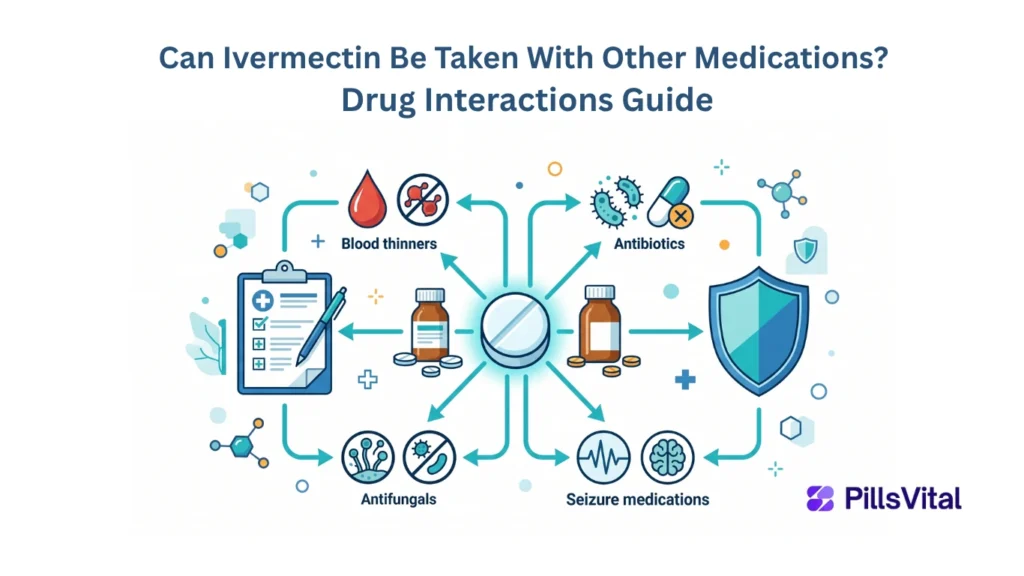
One of the most important concerns regarding ivermectin elderly patients is the possibility of drug interactions.
Since many seniors take multiple prescriptions, supplements, and over-the-counter medications, interaction risks can increase significantly.
Blood Thinners
Patients taking anticoagulants should inform their healthcare provider before using ivermectin.
Examples include:
- Warfarin
- Apixaban
- Rivaroxaban
Potential concerns include:
- Changes in blood clotting measurements
- Increased bleeding risk
- Need for closer monitoring
Heart Medications
Some cardiovascular medications may influence drug transport systems involved in ivermectin distribution.
Examples include:
- Amiodarone
- Verapamil
- Diltiazem
Medical supervision may be recommended when these drugs are used together.
Sedatives and Nervous System Medications
Older adults are already more vulnerable to balance and cognitive issues.
Combining ivermectin with medications that affect the central nervous system may increase:
- Drowsiness
- Dizziness
- Confusion
- Fall risk
Examples include:
- Sleeping medications
- Anti-anxiety drugs
- Certain pain medications
- Some antidepressants
Anti-Seizure Medications
Certain seizure medications can alter liver enzyme activity and potentially affect ivermectin levels.
Examples include:
- Carbamazepine
- Phenytoin
Dose adjustments or monitoring may be required.
HIV Medications
Some antiretroviral medications can affect the enzymes responsible for processing ivermectin.
This may potentially:
- Increase ivermectin levels
- Decrease effectiveness
- Alter side effect risk
Patients receiving HIV treatment should always discuss medication combinations with their healthcare provider.
Immunosuppressants
Individuals taking medications that suppress immune function may require closer monitoring.
Examples include medications used after:
- Organ transplantation
- Autoimmune disease treatment
- Certain cancer therapies
Monitoring helps ensure both safety and treatment effectiveness.
Cholesterol-Lowering Medications
Some cholesterol medications share metabolic pathways with ivermectin.
Examples may include:
- Certain statins
- Combination lipid-lowering therapies
Healthcare professionals may review all medications before treatment begins.
Common Side Effects in Older Adults
Most side effects are mild and temporary.
Frequently Reported Effects
- Headache
- Dizziness
- Nausea
- Fatigue
- Mild stomach discomfort
- Diarrhea
Why Dizziness Matters More in Seniors
Even mild dizziness can contribute to:
- Falls
- Fractures
- Hospitalizations
- Loss of independence
Older adults should avoid sudden position changes and ensure adequate hydration.
Most side effects are mild and temporary, but older adults should remain aware of symptoms that may affect daily activities.
Serious Symptoms Requiring Immediate Medical Attention
Seek emergency care if symptoms such as the following occur:
- Severe allergic reaction
- Difficulty breathing
- Facial swelling
- Loss of consciousness
- Severe confusion
- Seizures
- Significant vision changes
- Extreme weakness
Although rare, these symptoms require urgent evaluation.
Monitoring Recommendations for Elderly Patients
Proper monitoring is one of the most effective ways to improve medication safety in older adults. Because elderly patients often have age-related changes in organ function, chronic medical conditions, and multiple medications, regular assessment before, during, and after treatment can help identify potential problems early and reduce the risk of adverse effects.
Healthcare providers typically evaluate several factors to ensure that ivermectin therapy is both safe and effective.
Healthcare providers may recommend additional monitoring for patients receiving repeated treatment courses.
Before Starting Treatment
Before prescribing ivermectin, healthcare providers usually perform a thorough assessment of the patient’s overall health. This initial evaluation helps identify any factors that may increase the risk of side effects, drug interactions, or treatment complications.
Current Medications Review
One of the most important steps before starting ivermectin is reviewing all medications the patient is currently taking.
Older adults frequently use multiple medications for chronic conditions such as:
- High blood pressure
- Diabetes
- Heart disease
- Arthritis
- Depression
- Sleep disorders
- High cholesterol
Healthcare providers should be informed about:
- Prescription medications
- Over-the-counter drugs
- Vitamins
- Herbal supplements
- Natural remedies
Why Medication Review Matters
Certain medications can affect how ivermectin is processed in the body or may increase the likelihood of side effects.
A comprehensive medication review helps healthcare providers:
- Identify potential drug interactions
- Prevent duplicate therapies
- Reduce unnecessary medication risks
- Adjust treatment plans if needed
Patients should bring an updated medication list to every medical appointment.
Medical History Evaluation
A detailed medical history provides important information about factors that may influence treatment safety.
Healthcare providers may ask about:
- Previous reactions to medications
- History of liver disease
- Kidney disorders
- Neurological conditions
- Cardiovascular disease
- Immune system disorders
- Recent hospitalizations
Benefits of Medical History Review
Understanding a patient’s overall health allows providers to:
- Determine whether ivermectin is appropriate
- Identify higher-risk individuals
- Plan additional monitoring if necessary
- Anticipate potential complications
This individualized approach helps improve treatment outcomes.
Liver Function Assessment
Since ivermectin is primarily metabolized in the liver, liver health is an important consideration before treatment begins.
Why Liver Testing May Be Needed
Older adults are more likely to have liver-related conditions such as:
- Fatty liver disease
- Chronic hepatitis
- Alcohol-related liver disease
- Cirrhosis
Healthcare providers may recommend laboratory testing to evaluate liver function.
Common tests include:
- Alanine aminotransferase (ALT)
- Aspartate aminotransferase (AST)
- Bilirubin levels
- Alkaline phosphatase (ALP)
What Providers Look For
These tests help determine:
- How effectively the liver is functioning
- Whether medication metabolism may be impaired
- Whether additional monitoring is necessary
Patients with significant liver disease may require closer follow-up throughout treatment.
Kidney Function Assessment
Although ivermectin is mainly processed by the liver, kidney function remains an important part of overall medication safety in elderly patients.
Why Kidney Function Matters
Age-related decline in kidney function is common and may affect the body’s ability to handle medications and maintain fluid balance.
Healthcare providers may evaluate:
- Serum creatinine
- Blood urea nitrogen (BUN)
- Estimated glomerular filtration rate (eGFR)
Benefits of Kidney Evaluation
Assessing kidney health helps:
- Identify underlying kidney disease
- Evaluate overall treatment safety
- Guide monitoring decisions
- Detect patients who may be vulnerable to complications
Patients with severe kidney impairment often require more comprehensive medical supervision.
Neurological Condition Assessment
Ivermectin can occasionally cause neurological side effects, making neurological history particularly important in older adults.
Healthcare providers may ask about:
- Seizure disorders
- Parkinson’s disease
- Dementia
- Prior strokes
- Balance disorders
- Peripheral neuropathy
Why Neurological Assessment Is Important
Older adults with pre-existing neurological conditions may be more susceptible to:
- Confusion
- Dizziness
- Cognitive changes
- Mobility difficulties
Identifying these risks before treatment allows healthcare providers to establish appropriate monitoring plans.
During Treatment
Once ivermectin therapy begins, ongoing monitoring helps identify potential side effects and ensures that treatment is progressing safely.
Regular observation is especially important in elderly patients who may experience symptoms differently than younger individuals.
Symptom Assessment
Healthcare providers, caregivers, and patients should remain alert for any new or worsening symptoms during treatment.
Dizziness
Dizziness is one of the most important symptoms to monitor in older adults.
It can:
- Affect balance
- Increase fall risk
- Reduce mobility
- Lead to injuries
Patients should report persistent or severe dizziness promptly.
Confusion
Any sudden change in mental status should be taken seriously.
Signs may include:
- Forgetfulness
- Disorientation
- Difficulty concentrating
- Unusual behavior changes
In older adults, confusion can sometimes be the first indication of a medication-related problem.
Excessive Drowsiness
While mild fatigue may occur, excessive sleepiness should be evaluated.
Severe drowsiness may:
- Interfere with daily activities
- Increase fall risk
- Affect driving or mobility
- Indicate medication interactions
Caregivers should monitor for unusual changes in alertness.
Balance Problems
Even minor balance disturbances can have serious consequences in elderly patients.
Watch for:
- Unsteady walking
- Frequent stumbling
- Difficulty standing up
- Increased reliance on support devices
Prompt reporting of these symptoms may help prevent falls and injuries.
Medication Review During Treatment
Medication monitoring should continue throughout ivermectin therapy.
Many patients start, stop, or change medications during treatment, which can alter safety profiles.
New Prescriptions
Patients should notify healthcare providers about any new prescription medications.
New drugs may:
- Interact with ivermectin
- Increase side effect risk
- Affect liver metabolism
- Change treatment effectiveness
Even short-term medications can sometimes create unexpected interactions.
Over-the-Counter Medications
Many individuals assume non-prescription medications are always safe, but some can still interact with prescription treatments.
Examples include:
- Cold and flu medications
- Allergy medications
- Sleep aids
- Pain relievers
Healthcare providers should be informed about all over-the-counter products being used.
Herbal Supplements
Herbal products may influence drug metabolism and should not be overlooked.
Examples include:
- St. John’s Wort
- Ginkgo biloba
- Garlic supplements
- Ginseng
- Turmeric products
Some supplements may affect liver enzymes or alter medication effectiveness.
A complete supplement list should be reviewed during treatment.
Hydration Status Monitoring
Maintaining adequate hydration is an often-overlooked but important aspect of medication safety in older adults.
Why Hydration Matters
Aging can reduce the body’s ability to regulate fluid balance.
Older adults may:
- Experience a decreased sense of thirst
- Drink less fluid throughout the day
- Become dehydrated more easily during illness
Benefits of Proper Hydration
Good hydration can help:
- Support normal bodily functions
- Maintain blood circulation
- Promote overall well-being
- Reduce fatigue
- Improve medication tolerance
Signs of Dehydration
Patients and caregivers should watch for:
- Dry mouth
- Dark urine
- Fatigue
- Dizziness
- Increased confusion
- Reduced urination
If dehydration is suspected, medical advice should be sought promptly.
Importance of Caregiver Involvement
For elderly patients who require assistance with daily activities, caregivers play an important role in monitoring treatment safety.
Caregivers can help by:
- Observing for side effects
- Tracking medication schedules
- Monitoring hydration
- Reporting changes in health status
- Attending medical appointments
Their involvement often contributes to earlier detection of potential complications.
Follow-Up Visits
Follow-up may be recommended for:
- Frail elderly patients
- Multiple-dose treatment regimens
- Existing liver disease
- Significant kidney impairment
- Complex medication schedules
Tips for Safe Ivermectin Use in Older Adults
To reduce risks:
✓ Take ivermectin exactly as prescribed
✓ Inform healthcare providers about all medications and supplements
✓ Report dizziness or confusion promptly
✓ Attend recommended follow-up appointments
✓ Discuss liver or kidney conditions before treatment
✓ Avoid self-medicating without professional guidance
✓ Keep an updated medication list available
❓ FAQs
Can elderly patients safely take ivermectin?
Many older adults can take ivermectin safely when prescribed appropriately. Individual health conditions, organ function, and concurrent medications should be considered.
Is ivermectin approved for all children?
Age alone does not automatically require a dosage adjustment. However, overall health status and existing medical conditions may influence treatment decisions.
Should liver function be checked before ivermectin treatment?
Patients with known liver disease or those requiring repeated treatment courses may benefit from liver function assessment.
Can ivermectin cause confusion in seniors?
Although uncommon, dizziness and confusion may occur, particularly in older adults who are taking multiple medications or have underlying neurological conditions.
Are kidney problems a major concern with ivermectin?
Because ivermectin is primarily processed by the liver, mild kidney impairment usually has limited impact. Severe kidney disease should still be discussed with a healthcare provider.
Conclusion
When used appropriately, ivermectin remains an important treatment option for certain parasitic infections. However, ivermectin elderly patients may require additional attention due to age-related changes in liver and kidney function, increased sensitivity to side effects, and a higher likelihood of drug interactions.
Careful medication review, appropriate monitoring, and ongoing communication with healthcare providers can help ensure safe and effective treatment. Older adults should never start or adjust ivermectin therapy without professional medical guidance, particularly when multiple medications or chronic health conditions are involved.
Patients should understand Signs Of Ivermectin Overuse That You Should Never Ignore before starting treatment.
Related Health Resources
-
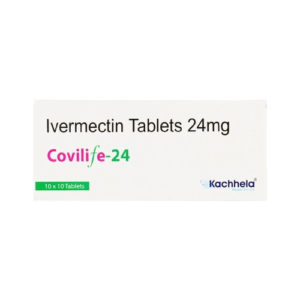
Ivermectin 24mg (Covilife 24mg) Tablets
$132.00 – $380.00Price range: $132.00 through $380.00 This product has multiple variants. The options may be chosen on the product page -
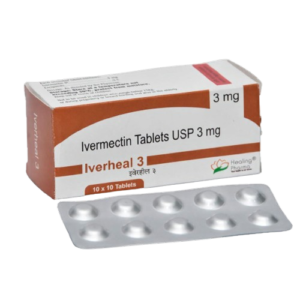
Ivermectin 3mg (Iverheal) Tablets
$70.00 – $178.00Price range: $70.00 through $178.00 This product has multiple variants. The options may be chosen on the product page -
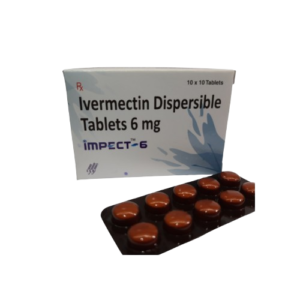
Ivermectin 6mg Tablets (Impect 6)
$70.00 – $185.00Price range: $70.00 through $185.00 This product has multiple variants. The options may be chosen on the product page -
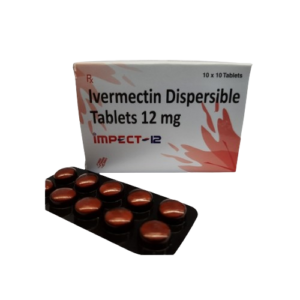
Ivermectin 12mg Tablets (Impect 12)
$78.00 – $185.00Price range: $78.00 through $185.00 This product has multiple variants. The options may be chosen on the product page
💊 Related Ivermectin Guides

Dr. Emily Carter specializes in evidence-based health education and wellness content. She focuses on simplifying complex medical topics related to cancer awareness, nutrition, preventive healthcare, skincare, and lifestyle wellness for readers worldwide.
This content is reviewed for medical accuracy, clarity, and alignment with current public health research. The article is intended for educational and informational purposes only and should not replace professional medical advice, diagnosis, or treatment.