
Chronic Diseases & Chronic Illnesses: Types, Causes & Prevention
Introduction
Chronic diseases are among the leading causes of illness, disability, and premature death worldwide. Unlike short-term illnesses such as the common cold or seasonal flu, chronic diseases usually develop slowly and may last for months, years, or even a lifetime. Many of these conditions require ongoing medical care, regular monitoring, and healthy lifestyle changes to manage symptoms and reduce the risk of complications.
According to the World Health Organization – Noncommunicable Diseases: commonly known as chronic diseases—are responsible for approximately 74% of all deaths globally. The four major groups include cardiovascular diseases, cancer, chronic respiratory diseases, and diabetes.
The good news is that many chronic diseases are preventable. Healthy daily habits such as eating a balanced diet, staying physically active, maintaining a healthy weight, avoiding tobacco, limiting alcohol, managing stress, and getting enough sleep can significantly reduce your risk.
If you’re looking for practical ways to reduce your long-term health risks, read our Chronic Disease Prevention Guide for evidence-based prevention strategies. You can also improve your everyday habits with our Healthy Lifestyle Guide, where you’ll find tips on nutrition, exercise, sleep, and overall wellness.
In this comprehensive guide, you’ll learn:
- What chronic diseases are
- How they differ from acute illnesses
- The most common chronic diseases
- Major causes and risk factors
- Early warning signs
- Prevention strategies
- When to seek medical advice
What Is a Chronic Disease?
A chronic disease is a health condition that lasts for one year or longer and typically requires ongoing medical attention or limits daily activities. Unlike acute illnesses, which usually develop suddenly and resolve within a short period, chronic diseases often progress slowly and may persist throughout a person’s life.
Some chronic conditions can be managed successfully with medications, regular medical care, and healthy lifestyle changes. Others may gradually worsen if left untreated, leading to serious complications.
Examples of chronic diseases include:
- Heart disease
- High blood pressure (Hypertension)
- Type 2 Diabetes
- Chronic Kidney Disease
- Asthma
- Chronic Obstructive Pulmonary Disease (COPD)
- Arthritis
- Osteoporosis
- Alzheimer’s disease
- Cancer
Many people live long and fulfilling lives with chronic diseases when they receive early diagnosis, appropriate treatment, and consistent follow-up care.
Centers for Disease Control and Prevention – About chronic diseases
Common Chronic Diseases List
Chronic diseases are long-term health conditions that often require ongoing monitoring, treatment, or lifestyle management. They can affect different organs and body systems, and some conditions may occur together—for example, diabetes and hypertension can both increase the risk of cardiovascular and kidney disease.
| Chronic Disease | Common Examples | What It Means |
|---|---|---|
| Cardiovascular Disease | Heart disease, hypertension | Cardiovascular diseases affect the heart and blood vessels. Common conditions include coronary artery disease, heart failure, and hypertension (high blood pressure). Risk factors include smoking, high cholesterol, diabetes, obesity, physical inactivity, and an unhealthy diet. |
| Diabetes | Type 1 diabetes, Type 2 diabetes | Diabetes affects how the body regulates blood glucose (blood sugar). Type 1 diabetes occurs when the immune system destroys insulin-producing cells, while Type 2 diabetes develops when the body becomes resistant to insulin or does not produce enough insulin. Long-term management may include healthy eating, physical activity, blood glucose monitoring, and prescribed medications or insulin. |
| Chronic Respiratory Disease | COPD, asthma | Chronic respiratory diseases affect the lungs and airways and can make breathing difficult. COPD and asthma are common examples. Symptoms may include coughing, wheezing, chest tightness, and shortness of breath. Smoking, air pollution, occupational exposure, allergies, and other factors can increase risk. |
| Kidney Disease | Chronic kidney disease (CKD) | Chronic kidney disease occurs when the kidneys become damaged and gradually lose their ability to filter waste and excess fluid from the blood. Diabetes and high blood pressure are major risk factors. Early CKD may cause few noticeable symptoms, making regular monitoring important for people at increased risk. |
| Cancer | Breast cancer, lung cancer, colorectal cancer, prostate cancer, and others | Cancer is a group of diseases characterized by abnormal cells growing uncontrollably and potentially spreading to other parts of the body. There are many types of cancer, and symptoms and treatments vary depending on the type and stage. Early detection and appropriate treatment can improve outcomes. |
| Arthritis | Osteoarthritis, rheumatoid arthritis | Arthritis refers to a group of conditions affecting the joints. It can cause joint pain, stiffness, swelling, and reduced movement. Osteoarthritis is associated with changes in joint tissues over time, while rheumatoid arthritis is an autoimmune condition that causes inflammation in the joints. Treatment may include physical activity, physical therapy, weight management when appropriate, and prescribed medications. |
| Chronic Liver Disease | Chronic hepatitis, cirrhosis, fatty liver disease | Chronic liver diseases can cause long-term inflammation or damage to the liver. Causes include viral hepatitis, excessive alcohol use, metabolic conditions, and certain medications or toxins. Persistent liver damage can lead to scarring (cirrhosis) and impaired liver function. |
| Osteoporosis | Age-related osteoporosis, postmenopausal osteoporosis | Osteoporosis causes bones to become weaker and more likely to fracture. The condition often develops without obvious symptoms until a fracture occurs. Older age, hormonal changes, low bone density, inadequate calcium or vitamin D intake, and certain medications can increase the risk. |
| Neurological Disorders | Dementia, Parkinson’s disease, multiple sclerosis | Some neurological conditions can persist for years and affect movement, memory, communication, or other nervous-system functions. Dementia can progressively affect memory and thinking, while Parkinson’s disease primarily affects movement and can cause tremors, stiffness, and slowed movement. |
| Mental Health Conditions | Depression, anxiety disorders | Some mental health conditions can become long-term and significantly affect daily functioning, relationships, sleep, and overall quality of life. Depression and anxiety disorders can require ongoing professional support, lifestyle measures, psychotherapy, medication, or a combination of treatments depending on the individual. |
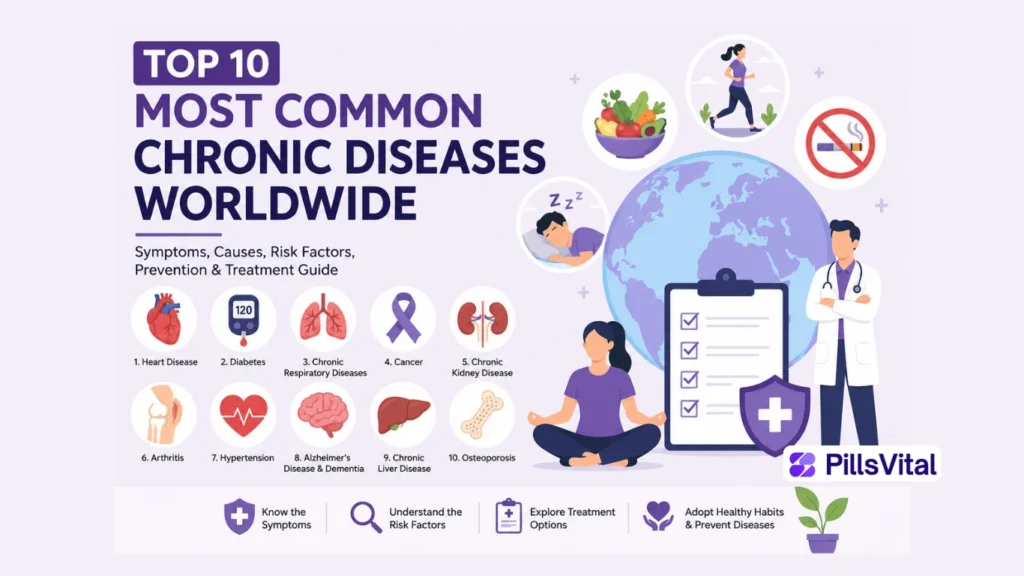
Understanding the most common chronic diseases can help people recognize potential risk factors and discuss appropriate screening and preventive care with a healthcare professional. Having a chronic disease does not mean that complications are inevitable; early diagnosis, appropriate treatment, and consistent management can often help people maintain a better quality of life. If you want to learn more about the most widespread long-term health conditions, read our guide to 10 most common chronic diseases worldwide for an overview of their symptoms, causes, risk factors, prevention, and treatment approaches.
What Is a Chronic Illness?
A chronic illness is a health condition that lasts for a long time—often months or years—and may require ongoing medical care, lifestyle changes, or regular monitoring. Unlike many acute illnesses, which develop suddenly and resolve within a relatively short period, chronic conditions often progress gradually and may need long-term management.
Some chronic diseases can be controlled effectively with medications, healthy lifestyle habits, and regular medical checkups. The impact of a chronic illness can vary from person to person depending on its type, severity, risk factors, and overall health.
Chronic Disease vs Acute Disease
| Chronic Disease | Acute Disease |
|---|---|
| Develops gradually | Develops suddenly |
| Lasts months or years | Usually lasts days or weeks |
| Often lifelong | Usually temporary |
| Requires ongoing treatment | Usually resolves after treatment |
| Can worsen over time | Often heals completely |
Examples of Acute Diseases
- Common cold
- Influenza (Flu)
- Food poisoning
- Ear infections
- Viral fever
- Minor injuries
Understanding this difference helps people recognize why long-term health management is essential for chronic illnesses.
Why Are Chronic Diseases So Common?
Modern lifestyles have significantly contributed to the growing number of chronic diseases worldwide.
Several factors are responsible, including:
- Sedentary lifestyles
- Increased consumption of processed foods
- Rising obesity rates
- Smoking
- Alcohol misuse
- Chronic stress
- Poor sleep habits
- Aging populations
Additionally, advances in healthcare mean people are living longer, making age-related chronic diseases more common.
Why Chronic Diseases Matter
Chronic diseases affect nearly every aspect of a person’s life. Beyond physical health, they can impact emotional well-being, finances, relationships, and overall quality of life.
People living with chronic diseases may experience:
- Reduced energy levels
- Difficulty performing daily activities
- Frequent doctor visits
- Ongoing medication use
- Emotional stress and anxiety
- Increased healthcare expenses
These conditions also place a significant burden on healthcare systems worldwide.
Early prevention, routine health screenings, and healthy lifestyle choices remain the most effective ways to reduce this burden.
How Do Chronic Diseases Develop?
Most chronic diseases don’t appear overnight.
Instead, they develop gradually through a combination of:
- Lifestyle habits
- Genetics
- Environmental exposure
- Aging
- Underlying medical conditions
Years of unhealthy habits can slowly damage organs and body systems before noticeable symptoms appear.
For example:
- High blood pressure can silently damage blood vessels.
- High blood sugar gradually affects nerves, kidneys, and eyes.
- Smoking progressively damages lung tissue and blood vessels.
- Chronic inflammation contributes to heart disease, arthritis, and certain cancers.
Because symptoms often develop slowly, many chronic diseases remain undiagnosed until complications occur.
Common Causes of Chronic Diseases
There is rarely a single cause. Instead, chronic diseases usually develop from several interacting risk factors.
1. Poor Nutrition
Eating excessive amounts of:
- Sugary drinks
- Processed foods
- Fast food
- Refined carbohydrates
- Saturated fats
- Trans fats
- Excess salt
can increase the risk of:
- Obesity
- Type 2 diabetes
- High blood pressure
- Heart disease
A healthy diet rich in vegetables, fruits, whole grains, legumes, lean protein, and healthy fats supports long-term health.
2. Physical Inactivity
Regular exercise benefits nearly every organ in the body.
Physical activity helps:
- Control body weight
- Improve heart function
- Lower blood sugar
- Improve cholesterol
- Strengthen muscles and bones
- Reduce stress
- Improve sleep quality
Adults should aim for at least 150 minutes of moderate-intensity exercise each week.
3. Tobacco Use
Smoking remains one of the leading preventable causes of chronic disease.
It increases the risk of:
- Heart disease
- Stroke
- COPD
- Lung cancer
- Bladder cancer
- Peripheral artery disease
Even secondhand smoke can negatively affect cardiovascular and respiratory health.
4. Excessive Alcohol Consumption
Heavy alcohol use may contribute to:
- Liver cirrhosis
- High blood pressure
- Pancreatitis
- Certain cancers
- Heart disease
Moderating alcohol intake or avoiding it altogether can reduce these risks.
5. Chronic Stress
Long-term stress affects the body’s hormone balance and immune system.
Over time, it may increase the risk of:
- Hypertension
- Heart disease
- Anxiety
- Depression
- Obesity
- Poor sleep
Stress management techniques such as mindfulness, exercise, meditation, and social support can improve overall health.
6. Poor Sleep
Sleep is essential for physical and mental health.
Adults generally need 7–9 hours of quality sleep each night.
Poor sleep has been linked to:
- Obesity
- Diabetes
- High blood pressure
- Heart disease
- Depression
- Reduced immune function
Maintaining a consistent sleep schedule is an important preventive measure.
7. Environmental Factors
Exposure to harmful substances over many years can increase disease risk.
Examples include:
- Air pollution
- Industrial chemicals
- Occupational hazards
- Contaminated drinking water
- Indoor smoke
Reducing exposure where possible can help protect long-term health.
8. Genetics
Family history plays an important role in many chronic diseases.
You may have a higher risk if close relatives have:
- Diabetes
- Heart disease
- Certain cancers
- Kidney disease
- High cholesterol
Although genetics cannot be changed, healthy lifestyle choices can often delay or reduce disease development.
Major Risk Factors
Healthcare professionals classify risk factors into two categories.
Modifiable Risk Factors
These can often be improved through lifestyle changes.
- Smoking
- Obesity
- Physical inactivity
- Unhealthy diet
- High cholesterol
- High blood pressure
- Chronic stress
- Poor sleep
- Excessive alcohol use
Non-Modifiable Risk Factors
These cannot be changed.
- Age
- Family history
- Genetics
- Biological sex
- Certain inherited conditions
Knowing your personal risk factors allows you to take preventive action earlier.
Who Is Most at Risk?
Your risk increases if you:
- Are over 45 years old
- Are overweight or obese
- Have high blood pressure
- Have prediabetes or diabetes
- Have high cholesterol
- Smoke
- Drink excessive alcohol
- Exercise infrequently
- Eat an unhealthy diet
- Experience long-term stress
- Sleep fewer than 7 hours regularly
- Have a family history of chronic diseases
People with multiple risk factors should consider regular health screenings to detect conditions early.
Can Chronic Diseases Be Prevented?
While not every chronic disease can be prevented, many cases can be delayed or avoided through healthy lifestyle choices.
Effective prevention strategies include:
- Eating a balanced diet
- Exercising regularly
- Maintaining a healthy body weight
- Avoiding tobacco products
- Limiting alcohol
- Getting enough sleep
- Managing stress
- Staying up to date with recommended vaccinations
- Scheduling regular health checkups
- Following medical advice for existing conditions
Preventive healthcare is often the most effective way to maintain long-term health and reduce the risk of serious complications.
Types, Symptoms, Diagnosis & Prevention of Chronic Diseases
# Major Types of Chronic Diseases
Chronic diseases are not a single condition. They include a wide range of long-term health problems that affect different organs and systems in the body. Below are the most common categories.
1. Cardiovascular Diseases (Heart & Blood Vessels)
Cardiovascular diseases are the leading cause of death globally. They affect the heart and blood vessels and often develop silently over many years.
Common conditions include:
- Coronary artery disease
- Heart attack (Myocardial infarction)
- Stroke
- Hypertension (High blood pressure)
- Heart failure
Key risk factors:
- High cholesterol
- Smoking
- Obesity
- Diabetes
- Sedentary lifestyle
2. Diabetes (Type 1 & Type 2)
Diabetes is a chronic metabolic disorder where the body cannot properly regulate blood sugar levels.
Types:
- Type 1 Diabetes: Autoimmune condition
- Type 2 Diabetes: Lifestyle and insulin resistance-related (most common)
Complications:
- Kidney damage
- Nerve damage (neuropathy)
- Vision loss
- Heart disease
3. Chronic Respiratory Diseases
These diseases affect the lungs and breathing system.
Common conditions:
- Chronic Obstructive Pulmonary Disease (COPD)
- Asthma
- Chronic bronchitis
- Emphysema
Major triggers:
- Smoking
- Air pollution
- Occupational dust exposure
4. Cancer
Cancer refers to uncontrolled growth of abnormal cells that can spread to other parts of the body.
Common types:
- Breast cancer
- Lung cancer
- Colorectal cancer
- Prostate cancer
Cancer is influenced by genetics, lifestyle, infections, and environmental exposure.
5. Chronic Kidney Disease (CKD)
CKD is a gradual loss of kidney function over time.
Causes:
- Diabetes
- High blood pressure
- Long-term medication use
If untreated, it may progress to kidney failure requiring dialysis or transplant.
6. Musculoskeletal Disorders
These affect bones, joints, muscles, and connective tissues.
Common conditions:
- Osteoarthritis
- Rheumatoid arthritis
- Osteoporosis
- Chronic back pain
They often lead to pain, stiffness, and reduced mobility.
7. Neurological Disorders
These conditions affect the brain, nerves, and spinal cord.
Examples:
- Alzheimer’s disease
- Parkinson’s disease
- Epilepsy
- Multiple sclerosis
Many of these are progressive and require long-term care.
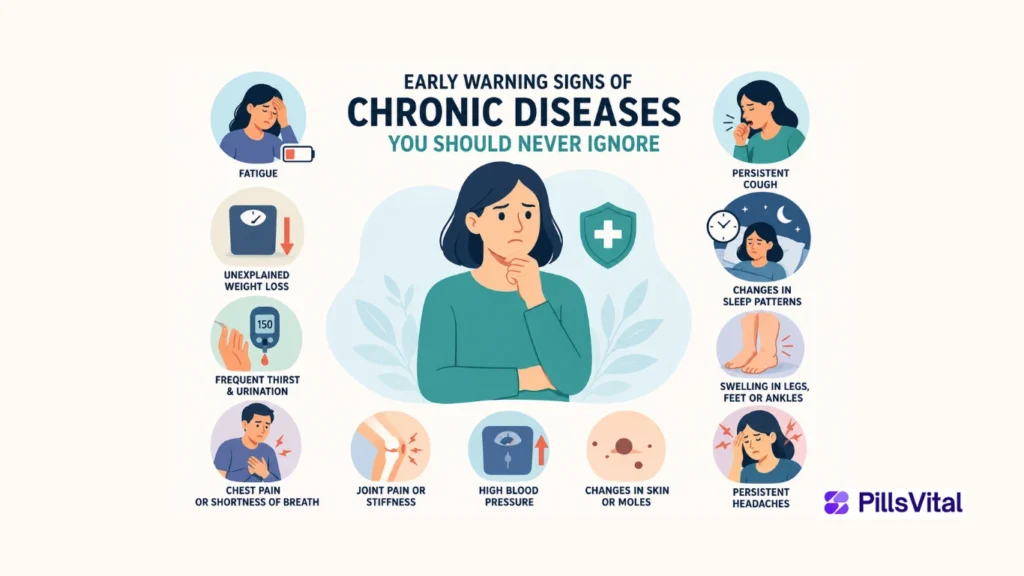
Common Symptoms of Chronic Diseases
Symptoms vary depending on the disease, but many chronic conditions share similar warning signs.
General symptoms include:
- Persistent fatigue
- Unexplained weight loss or gain
- Long-lasting pain
- Shortness of breath
- Frequent infections
- Changes in appetite
- Difficulty sleeping
- Reduced physical endurance
Disease-Specific Symptoms
Heart disease:
- Chest pain or pressure
- Shortness of breath
- Irregular heartbeat
Diabetes:
- Excessive thirst
- Frequent urination
- Blurred vision
- Slow wound healing
Lung disease:
- Chronic cough
- Wheezing
- Difficulty breathing
Cancer:
- Unexplained lumps
- Sudden weight loss
- Persistent fatigue
Why Symptoms Are Often Missed
Many chronic diseases develop slowly and silently. Early symptoms are often mild and mistaken for:
- Stress
- Aging
- Fatigue
- Minor infections
This is why routine screening is critical.
How Chronic Diseases Are Diagnosed
Doctors use a combination of medical history, physical examination, and diagnostic tests.
1. Medical History & Physical Exam
Doctors first assess:
- Symptoms
- Family history
- Lifestyle habits
- Risk factors
2. Blood Tests
Common blood tests include:
- Blood sugar (glucose)
- Cholesterol levels
- Kidney function tests
- Liver function tests
3. Imaging Tests
Used to view internal organs:
- X-rays
- CT scans
- MRI scans
- Ultrasound
4. Specialized Tests
Depending on condition:
- ECG (Heart function)
- Spirometry (Lung function)
- Biopsy (Cancer detection)
- Urine analysis (Kidney health)
Early Diagnosis Matters
Early detection can:
- Slow disease progression
- Improve treatment outcomes
- Reduce complications
- Improve quality of life
Prevention of Chronic Diseases
Most chronic diseases are preventable or can be delayed significantly through lifestyle changes.
1. Healthy Eating Habits
A balanced diet supports long-term health.
Recommended foods:
- Fruits and vegetables
- Whole grains
- Lean proteins
- Healthy fats (nuts, olive oil)
Foods to limit:
- Processed foods
- Sugary drinks
- Trans fats
- Excess salt
2. Regular Physical Activity
Exercise is one of the most powerful prevention tools.
Benefits:
- Improves heart health
- Controls weight
- Reduces blood sugar
- Lowers blood pressure
Recommended:
- 150 minutes of moderate exercise weekly
Examples:
- Walking
- Cycling
- Swimming
- Yoga
3. Maintain Healthy Weight
Excess body weight increases risk of:
- Diabetes
- Heart disease
- Joint problems
Even a small weight reduction (5–10%) can improve health markers.
4. Avoid Tobacco
Smoking is a major cause of:
- Heart disease
- Cancer
- Lung disease
Quitting smoking significantly reduces risk at any age.
5. Limit Alcohol Intake
Excess alcohol increases risk of:
- Liver disease
- Cancer
- High blood pressure
6. Manage Stress
Chronic stress affects the entire body.
Helpful techniques:
- Meditation
- Deep breathing
- Physical activity
- Social support
7. Improve Sleep Quality
Good sleep supports immune and metabolic health.
Tips:
- Maintain fixed sleep schedule
- Avoid screens before bed
- Sleep 7–9 hours nightly
8. Regular Health Checkups
Routine screening helps detect diseases early.
Recommended tests:
- Blood pressure
- Blood sugar
- Cholesterol
Treatment of Chronic Diseases
Chronic diseases usually cannot be completely cured, but they can be effectively managed with the right combination of medical treatment, lifestyle changes, and continuous monitoring. The goal of treatment is to control symptoms, slow disease progression, prevent complications, and improve quality of life.
1. Medications
Doctors prescribe medications based on the type of chronic disease.
Common examples:
- Hypertension: ACE inhibitors, beta-blockers, diuretics
- Diabetes: Metformin, insulin, GLP-1 medications
- Heart disease: Statins, blood thinners, beta-blockers
- Asthma/COPD: Inhalers (bronchodilators, steroids)
- Arthritis: Anti-inflammatory drugs, pain relievers
👉 Medications must always be taken under medical supervision. Self-medication can worsen conditions.
2. Lifestyle-Based Treatment
Lifestyle changes are a core part of managing all chronic diseases.
Key components:
- Healthy diet
- Regular physical activity
- Weight management
- Stress control
- Adequate sleep
3. Regular Monitoring
Ongoing monitoring helps prevent complications.
Examples:
- Blood sugar tracking (diabetes)
- Blood pressure monitoring (hypertension)
- Lung function tests (COPD)
- Kidney function tests (CKD)
Early detection of changes allows timely treatment adjustments.
4. Physical Therapy & Rehabilitation
For conditions affecting mobility or function:
- Arthritis
- Stroke recovery
- Chronic back pain
- Neurological disorders
Therapies may include:
- Physiotherapy
- Occupational therapy
- Exercise rehabilitation programs
5. Surgical Interventions
In advanced cases, surgery may be required:
- Heart bypass surgery
- Cancer removal surgeries
- Joint replacement
- Kidney transplant
Long-Term Management of Chronic Diseases
Managing chronic diseases is a lifelong process that focuses on maintaining stability and preventing complications.
1. Build a Daily Routine
A structured routine helps control symptoms:
- Fixed meal timings
- Regular sleep schedule
- Exercise at consistent times
- Medication adherence
2. Follow a Balanced Diet Plan
A chronic disease-friendly diet includes:
- High fiber foods
- Low sugar intake
- Reduced salt
- Healthy fats
- Lean proteins
Avoid:
- Processed foods
- Sugary drinks
- Excess fried foods
3. Stay Physically Active
Exercise improves:
- Heart health
- Blood sugar control
- Mood and mental health
Even simple activities like walking 30 minutes daily can make a big difference.
4. Mental Health Support
Living with chronic disease can be emotionally challenging.
Support options:
- Counseling
- Support groups
- Stress management techniques
- Mindfulness practices
5. Avoid Risk Factors
- Quit smoking
- Limit alcohol
- Avoid sedentary lifestyle
- Reduce stress exposure
Complications of Untreated Chronic Diseases
If not properly managed, chronic diseases may lead to serious complications:
- Heart attack or stroke
- Kidney failure
- Vision loss
- Nerve damage
- Disability
- Reduced life expectancy
Early treatment reduces these risks significantly.
When to See a Doctor
Seek medical attention if you experience:
- Persistent fatigue
- Chest pain
- Difficulty breathing
- Sudden weight changes
- Frequent urination or thirst
- Long-lasting pain
- Unexplained symptoms
Early consultation improves outcomes.
❓ FAQs
1. What are chronic diseases in simple words?
Chronic diseases are long-term health conditions that last for months or years and require ongoing medical care.
2. Can chronic diseases be cured?
Most chronic diseases cannot be fully cured, but they can be controlled with medication and lifestyle changes.
3. What are the main causes of chronic diseases?
Main causes include poor diet, lack of exercise, smoking, alcohol use, stress, poor sleep, and genetics.
4. Are chronic diseases preventable?
Yes, many chronic diseases can be prevented by maintaining a healthy lifestyle and regular health checkups.
5. What is the most common chronic disease?
Heart disease, diabetes, and cancer are among the most common chronic diseases worldwide.
6. How do I reduce my risk of chronic disease?
You can reduce risk by:
- Eating healthy foods
- Exercising regularly
- Avoiding tobacco
- Managing stress
- Sleeping well
Conclusion
Chronic diseases are long-term health conditions that affect millions of people worldwide. While they can be serious, many are preventable and manageable with the right approach.
A combination of early detection, medical treatment, and healthy lifestyle choices plays a crucial role in improving outcomes and quality of life.
The most important step is prevention—small daily habits like eating better, staying active, managing stress, and avoiding harmful substances can significantly reduce your risk.
Related Health Resources
-

Rosuvastatin 10mg (Crestor) Tablets
$398.00 – $788.00Price range: $398.00 through $788.00 This product has multiple variants. The options may be chosen on the product page -

Metformin 500mg (Okamet) Tablets
$48.00 – $92.00Price range: $48.00 through $92.00 This product has multiple variants. The options may be chosen on the product page -

Thyroxine 100mcg (Eltroxin) Tablets
$38.00 – $110.00Price range: $38.00 through $110.00 This product has multiple variants. The options may be chosen on the product page -

Asthalin (Salbutamol) Inhaler
$65.00 – $183.00Price range: $65.00 through $183.00 This product has multiple variants. The options may be chosen on the product page
🩺 Related Guides

Dr. Emily Carter specializes in evidence-based health education and wellness content. She focuses on simplifying complex medical topics related to cancer awareness, nutrition, preventive healthcare, skincare, and lifestyle wellness for readers worldwide.
This content is reviewed for medical accuracy, clarity, and alignment with current public health research. The article is intended for educational and informational purposes only and should not replace professional medical advice, diagnosis, or treatment.
Comprehensive, well-structured guide that clearly defines chronic diseases, outlines major types (diabetes, heart disease, cancer, respiratory, arthritis), and links causes to modifiable risk factors like diet, activity, smoking, and alcohol. The practical prevention tips and symptom checklists make it a useful patient education resource.