
Can Chronic Diseases Be Reversed? What Science Says (2026 Guide)
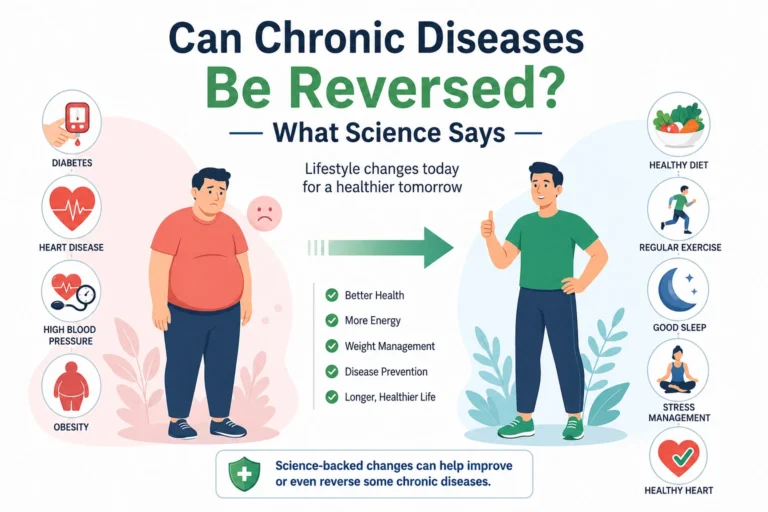
Millions of people worldwide live with chronic diseases such as diabetes, heart disease, obesity, high blood pressure, arthritis, and chronic kidney disease. One of the most common questions patients ask is:
“Can chronic diseases actually be reversed?”
The answer isn’t a simple yes or no.
According to modern medical research, some chronic diseases can be partially or completely reversed when detected early and managed aggressively, while others cannot be cured but can be controlled effectively, allowing people to live long, healthy lives.
The key lies in understanding the difference between reversal, remission, and disease management.
According to the Centers for Disease Control and Prevention (CDC), chronic diseases are health conditions that last one year or longer and often require ongoing medical care or limit daily activities.
In this guide, we’ll explore what science says about reversing chronic diseases, which conditions have the strongest evidence, and what lifestyle changes truly make a difference.
What Is a Chronic Disease?
A chronic disease is a health condition that lasts one year or longer, often requiring ongoing medical care or lifestyle management.
Common chronic diseases include:
- Heart disease
- Type 2 diabetes
- High blood pressure
- Obesity
- Chronic kidney disease
- COPD
- Arthritis
- Osteoporosis
- Fatty liver disease
- Certain mental health disorders
Many develop slowly over years due to a combination of:
- Poor diet
- Physical inactivity
- Smoking
- Excess alcohol
- Chronic stress
- Genetics
- Aging
- Environmental factors
What Does "Reversal" Actually Mean?
Many people confuse reversal with cure.
Here’s the difference:
| Term | Meaning |
|---|---|
| Cure | Disease is completely gone and will never return |
| Remission | Symptoms disappear, but disease may return |
| Reversal | Disease markers return to normal without progression |
| Management | Disease remains but is well controlled |
For example:
A person with Type 2 diabetes who maintains normal blood sugar without medication for years is considered in remission, not necessarily cured.
Which Chronic Diseases Can Sometimes Be Reversed?
1. Type 2 Diabetes
Scientific evidence shows Type 2 diabetes has one of the strongest possibilities for remission.
Research has found that significant weight loss can restore insulin sensitivity in many patients.
Ways remission may occur:
- Losing 10–15% of body weight
- Healthy eating
- Regular exercise
- Reduced calorie intake
- Bariatric surgery (for some patients)
Earlier intervention produces the best outcomes.
The American Diabetes Association states that some people with Type 2 diabetes can achieve remission through significant weight loss, healthy eating, regular physical activity, and ongoing medical supervision.
2. Fatty Liver Disease (NAFLD)
One of the most reversible chronic diseases.
The liver has an impressive ability to repair itself. Maintaining a healthy weight is one of the most effective ways to improve fatty liver disease and overall metabolic health. Explore our practical weight loss tips for beginners.
Lifestyle improvements can:
- Reduce liver fat
- Lower inflammation
- Improve liver enzymes
- Reverse early liver damage
Helpful habits include:
- Weight loss
- Exercise
- Reducing added sugar
- Limiting alcohol
- Mediterranean diet
According to the National Institute of Diabetes and Digestive and Kidney Diseases (NIDDK), early-stage nonalcoholic fatty liver disease can often improve with sustained weight loss and healthy lifestyle changes.
3. Obesity
Obesity itself is considered a chronic disease.
Although maintaining weight loss can be challenging, many people successfully reverse obesity through:
- Sustainable nutrition
- Physical activity
- Behavioral therapy
- Prescription medications
- Bariatric surgery when medically appropriate
Even modest weight loss significantly lowers disease risk.
4. High Blood Pressure
Many people reduce or eliminate hypertension through lifestyle improvements.
Blood pressure often improves with:
- Lower sodium intake
- Weight reduction
- Regular exercise
- Better sleep
- Stress management
- Limiting alcohol
Some patients still require medication due to genetics or other medical conditions.
5. Early Heart Disease
Heart disease cannot always be reversed completely. The American Heart Association emphasizes that heart-healthy lifestyle changes can significantly reduce the risk of cardiovascular disease and improve long-term outcomes.
However, studies suggest intensive lifestyle programs may:
- Slow plaque progression
- Improve artery function
- Reduce inflammation
- Lower cholesterol
- Decrease heart attack risk
Heart-healthy habits remain essential even after treatment.
Chronic Diseases That Usually Cannot Be Reversed
While some chronic diseases can improve significantly or even enter remission with early intervention, others cause permanent damage to organs or tissues that current medical treatments cannot fully repair. In these cases, the primary goals of treatment are to manage symptoms, slow disease progression, prevent complications, and improve quality of life. Understanding these conditions helps set realistic expectations and highlights the importance of early diagnosis and ongoing care.
1. Type 1 Diabetes
Unlike Type 2 diabetes, Type 1 diabetes is an autoimmune disease in which the body’s immune system mistakenly attacks and destroys the insulin-producing beta cells in the pancreas. Once these cells are destroyed, the body can no longer produce enough insulin to regulate blood sugar levels.
Currently, there is no cure or proven way to reverse Type 1 diabetes. Researchers are exploring promising treatments such as stem cell therapy, pancreatic islet cell transplantation, and immunotherapy, but these approaches are still being studied and are not widely available.
Why It Cannot Be Reversed
- Permanent destruction of insulin-producing cells
- The pancreas cannot naturally regenerate enough beta cells
- Autoimmune activity continues without treatment
How It Is Managed
People with Type 1 diabetes can lead healthy, active lives by carefully managing their condition through:
- Daily insulin injections or insulin pump therapy
- Regular blood glucose monitoring
- Healthy eating habits
- Routine physical activity
- Continuous glucose monitoring (CGM) devices
- Regular follow-ups with healthcare providers
With proper management, many complications can be prevented or delayed, allowing individuals to maintain a good quality of life.
2. Advanced Chronic Kidney Disease (CKD)
The kidneys play a vital role in filtering waste products, balancing fluids, and regulating blood pressure. In advanced Chronic Kidney Disease, a significant portion of kidney tissue becomes permanently scarred and loses its ability to function.
Unlike some organs, the kidneys have a limited ability to regenerate once severe damage has occurred. As a result, advanced CKD cannot be reversed.
Why It Cannot Be Reversed
- Permanent scarring of kidney tissue
- Loss of functioning nephrons (the kidneys’ filtering units)
- Reduced ability to repair damaged kidney structures
Treatment Goals
Although the damage cannot be undone, treatment aims to slow disease progression by:
- Controlling blood pressure
- Managing diabetes effectively
- Limiting dietary sodium and protein when recommended
- Avoiding medications that may further damage the kidneys
- Staying hydrated as advised by a healthcare provider
For individuals with end-stage kidney disease, treatment options may include:
- Dialysis
- Kidney transplantation
Early detection through routine kidney function tests offers the best chance of preserving remaining kidney function.
3. Osteoarthritis
Osteoarthritis is the most common form of arthritis and develops when the protective cartilage that cushions the ends of bones gradually wears away over time. Cartilage has very limited healing capacity, making it difficult for the body to replace once it is significantly damaged.
Although osteoarthritis cannot usually be reversed, symptoms can often be managed effectively, helping people remain active and independent.
Why It Cannot Be Reversed
- Damaged cartilage has poor regenerative ability
- Long-term joint wear leads to structural changes
- Bone spurs and joint deformities may develop in advanced stages
Treatment Focus
Treatment typically includes:
- Regular low-impact exercise such as walking or swimming
- Weight management to reduce joint stress
- Physical therapy to improve mobility and strength
- Pain-relieving medications when needed
- Supportive braces or assistive devices
- Joint replacement surgery for severe joint damage
Maintaining a healthy weight and staying physically active are among the most effective ways to slow disease progression.
4. Chronic Obstructive Pulmonary Disease (COPD)
COPD is a progressive lung disease that includes conditions such as chronic bronchitis and emphysema. It is most commonly caused by long-term smoking, although exposure to air pollution, occupational dust, and harmful chemicals can also contribute.
In COPD, the tiny air sacs (alveoli) in the lungs become permanently damaged, reducing the lungs’ ability to exchange oxygen efficiently.
Why It Cannot Be Reversed
- Permanent destruction of lung tissue
- Loss of elasticity in the airways
- Irreversible narrowing of breathing passages
Managing COPD
While damaged lung tissue cannot be restored, treatment can help reduce symptoms and slow progression by:
- Quitting smoking
- Using prescribed inhalers and medications
- Participating in pulmonary rehabilitation
- Receiving recommended vaccinations
- Staying physically active within individual limits
- Using supplemental oxygen when necessary
Stopping smoking is the single most effective step to slow further lung damage and improve long-term outcomes.
5. Alzheimer's Disease
Alzheimer’s disease is a progressive neurological disorder that affects memory, thinking, behavior, and the ability to perform daily activities. It is the most common cause of dementia worldwide.
The disease occurs due to the gradual accumulation of abnormal proteins in the brain, leading to the loss of nerve cells and permanent brain damage.
Why It Cannot Be Reversed
- Progressive death of brain cells
- Permanent damage to neural connections
- Current therapies cannot regenerate lost brain tissue
Current Treatment Options
Although there is no cure, treatment focuses on slowing cognitive decline and improving quality of life through:
- Medications that may temporarily improve memory and thinking
- Cognitive stimulation activities
- Regular physical exercise
- Social engagement
- Caregiver education and support
- Managing other health conditions that may worsen symptoms
Researchers continue to investigate new therapies, including disease-modifying drugs, immunotherapy, and precision medicine, offering hope for future advances.
The Importance of Early Intervention
Although these chronic diseases generally cannot be reversed, early diagnosis and consistent treatment can significantly slow their progression and reduce complications. Regular medical checkups, healthy lifestyle habits, adherence to prescribed treatments, and ongoing communication with healthcare providers play a critical role in maintaining independence and improving long-term quality of life.
For many individuals, the goal is not necessarily to reverse the disease but to live well, stay active, and prevent further damage through proactive, evidence-based care.
Lifestyle Changes That Science Consistently Supports
Regardless of diagnosis, researchers agree these habits improve nearly every chronic disease. The World Health Organization recommends that adults get at least 150 minutes of moderate-intensity physical activity each week to reduce the risk of chronic diseases and improve overall health.
1. Healthy Nutrition
Focus on:
- Vegetables
- Fruits
- Whole grains
- Lean protein
- Healthy fats
- Fiber-rich foods
Limit:
- Sugary drinks
- Processed foods
- Excess salt
- Trans fats
2. Regular Exercise
Aim for:
- 150 minutes of moderate activity weekly
- Strength training twice weekly
- Daily movement
- Reduced sitting time
Benefits include:
- Better insulin sensitivity
- Lower blood pressure
- Weight management
- Improved mood
- Better heart health
3. Healthy Weight
Losing even 5–10% of body weight can improve:
- Diabetes
- High blood pressure
- Fatty liver
- Cholesterol
- Sleep apnea
4. Better Sleep
Adults should aim for 7–9 hours of quality sleep.
Poor sleep increases:
- Diabetes risk
- Obesity
- Heart disease
- Depression
- High blood pressure
Learn how better sleep supports your immune system, metabolism, and chronic disease prevention in our sleep wellness guide.
5. Stress Reduction
Chronic stress raises inflammation.
Helpful strategies include:
- Meditation
- Deep breathing
- Yoga
- Nature walks
- Counseling
- Social support
6. Avoid Smoking
Stopping smoking rapidly lowers the risk of:
- Heart disease
- Stroke
- COPD progression
- Lung cancer
- Poor circulation
Healthy daily habits play a major role in preventing chronic diseases. Explore our Healthy Routine Guide for practical lifestyle tips.
7. Limit Alcohol
Heavy drinking increases the risk of:
- Liver disease
- High blood pressure
- Heart disease
- Certain cancers
Moderation supports long-term health.
The Importance of Early Diagnosis
The earlier a chronic disease is identified, the greater the chance of preventing permanent damage. The U.S. Preventive Services Task Force recommends routine preventive screenings to detect many chronic diseases early, when treatment is often more effective.
Regular health screenings help detect problems before symptoms appear.
Important checks include:
- Blood pressure
- Blood sugar
- Cholesterol
- Kidney function
- Liver function
- Cancer screening
- Body weight and waist circumference
Can Medication Help Reverse Chronic Disease?
Lifestyle changes remain the foundation of treatment, but medications often play a vital role.
Depending on the condition, healthcare providers may prescribe medicines to:
- Lower blood sugar
- Reduce blood pressure
- Control cholesterol
- Manage inflammation
- Protect organs from long-term damage
Never stop prescribed medication without medical advice, even if your symptoms improve.
What Does the Latest Research Say?
Large clinical studies consistently show that lifestyle interventions can:
- Reduce chronic inflammation
- Improve insulin sensitivity
- Lower cardiovascular risk
- Support healthy weight loss
- Improve blood pressure
- Reduce the need for medications in some patients
However, researchers also emphasize that results vary depending on:
- Disease stage
- Age
- Genetics
- Treatment adherence
- Overall health
There is no universal solution, but sustained healthy habits can produce meaningful improvements.
❓ FAQs
Can every chronic disease be reversed?
No. Some conditions can enter remission or improve significantly, while others can only be managed to slow progression.
Is Type 2 diabetes reversible?
Many people can achieve remission through weight loss, healthy eating, regular exercise, and medical supervision, especially when diagnosed early.
Can losing weight improve chronic diseases?
Yes. Even moderate weight loss can improve diabetes, high blood pressure, sleep apnea, fatty liver disease, and heart health.
Is medication always necessary?
Not always. Some individuals reduce or discontinue certain medications under medical supervision after substantial health improvements, while others require lifelong treatment.
Are lifestyle changes enough?
For some people, yes. Others need a combination of healthy habits, medications, and ongoing medical care. The right approach depends on the condition and its severity.
Final Thoughts
While not every chronic disease can be reversed, scientific evidence shows that many can be prevented, improved, or placed into remission through early intervention and consistent lifestyle changes. Healthy eating, regular physical activity, maintaining a healthy weight, quality sleep, stress management, and avoiding tobacco remain the cornerstones of better long-term health.
The goal isn’t only to live longer—it’s to improve quality of life, maintain independence, and reduce the risk of complications. Working closely with healthcare professionals and staying committed to sustainable habits offers the best opportunity to manage chronic conditions effectively.
Related Health Resources
-
Rosuvastatin 5mg (Crestor) Tablets
$78.00 – $150.00Price range: $78.00 through $150.00 This product has multiple variants. The options may be chosen on the product page -

Metformin 500mg (Okamet) Tablets
$48.00 – $92.00Price range: $48.00 through $92.00 This product has multiple variants. The options may be chosen on the product page -

Thyroxine 125mcg (Eltroxin) Tablets
$40.00 – $112.00Price range: $40.00 through $112.00 This product has multiple variants. The options may be chosen on the product page -

Asthalin Respirator Solution 15ml (Salbutamol)
$15.00 – $41.00Price range: $15.00 through $41.00 This product has multiple variants. The options may be chosen on the product page
🩺 Related Guides

Dr. Emily Carter specializes in evidence-based health education and wellness content. She focuses on simplifying complex medical topics related to cancer awareness, nutrition, preventive healthcare, skincare, and lifestyle wellness for readers worldwide.
This content is reviewed for medical accuracy, clarity, and alignment with current public health research. The article is intended for educational and informational purposes only and should not replace professional medical advice, diagnosis, or treatment.