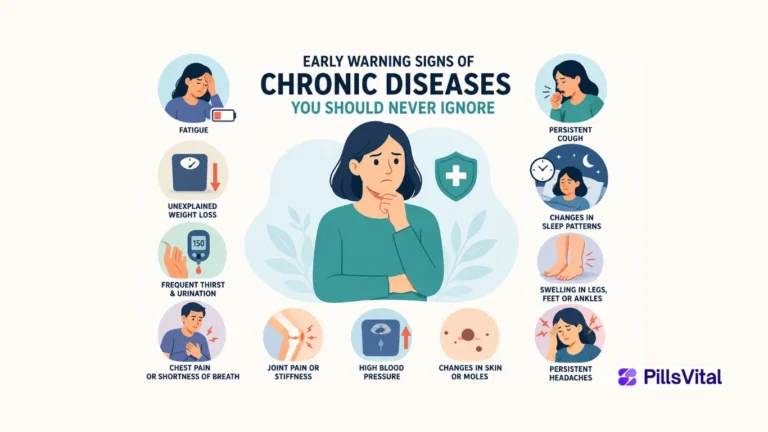
1. Constant Fatigue That Doesn't Improve
Everyone feels tired occasionally, but persistent fatigue lasting several weeks may indicate an underlying health issue.
Possible causes include:
- Diabetes
- Heart disease
- Chronic kidney disease
- Thyroid disorders
- Certain cancers
- Sleep disorders
Seek medical advice if fatigue continues despite adequate sleep and rest.
Poor sleep quality is a common but overlooked cause of persistent fatigue. Learn how to improve your rest in our Sleep Wellness guides.
2. Unexplained Weight Loss
Losing weight without changing your diet or exercise routine should never be ignored.
Possible causes:
- Cancer
- Diabetes
- Hyperthyroidism
- Digestive disorders
- Chronic infections
A sudden loss of more than 5% of body weight within six to twelve months deserves medical evaluation.
3. Persistent High Blood Pressure
High blood pressure rarely causes symptoms, which is why it’s known as the “silent killer.”
Long-term uncontrolled hypertension can increase the risk of:
- Heart attack
- Stroke
- Kidney disease
- Vision loss
Adults should have their blood pressure checked regularly, even if they feel healthy.
The American Heart Association provides guidance on understanding, monitoring, and managing high blood pressure.
4. Frequent Thirst and Excessive Urination
These symptoms may indicate elevated blood sugar levels.
Common warning signs include:
- Constant thirst
- Frequent urination
- Blurred vision
- Increased hunger
- Fatigue
These are classic early symptoms of Type 2 diabetes.
Learn about the warning signs of diabetes from the American Diabetes Association.
5. Chest Pain or Shortness of Breath
Chest discomfort should always be taken seriously.
Possible causes include:
- Coronary artery disease
- Heart failure
- Lung disease
- Pulmonary embolism
Seek immediate emergency care if chest pain is severe, sudden, or accompanied by sweating, nausea, or pain spreading to the arm or jaw.
6. Chronic Cough Lasting More Than Eight Weeks
A persistent cough may signal:
- COPD
- Lung disease
- Asthma
- Lung cancer
- Gastroesophageal reflux disease (GERD)
Never ignore a cough that continues for several weeks, especially if accompanied by blood or unexplained weight loss.
7. Changes in Sleep Patterns
Poor sleep isn’t always caused by stress.
Persistent sleep problems may be linked to:
- Heart disease
- Diabetes
- Depression
- Sleep apnea
- Chronic pain
Signs include:
- Loud snoring
- Frequent nighttime awakenings
- Daytime sleepiness
- Difficulty falling asleep
Sleep health is closely connected to overall physical health.
8. Swelling in the Legs, Feet, or Ankles
Persistent swelling (edema) can indicate:
- Heart failure
- Kidney disease
- Liver disease
- Poor circulation
If swelling appears suddenly or worsens over time, consult a healthcare provider.
9. Persistent Joint Pain or Stiffness
Joint pain lasting several weeks may be an early sign of:
- Osteoarthritis
- Rheumatoid arthritis
- Lupus
- Chronic inflammatory diseases
Early treatment can help reduce long-term joint damage.
10. Changes in Skin or Moles
Watch for:
- New skin growths
- Moles changing shape or color
- Non-healing sores
- Persistent skin discoloration
These changes may indicate skin cancer or other underlying medical conditions.
11. Memory Problems or Difficulty Concentrating
Occasional forgetfulness is common, but persistent cognitive changes deserve attention.
Possible causes include:
- High blood pressure
- Diabetes
- Alzheimer’s disease
- Vitamin deficiencies
- Thyroid disorders
Early evaluation may help identify treatable causes.
12. Digestive Problems That Don't Go Away
Persistent symptoms such as:
- Abdominal pain
- Constipation
- Diarrhea
- Blood in stool
- Difficulty swallowing
could indicate:
- Inflammatory bowel disease
- Colon cancer
- Liver disease
- Stomach disorders
Any digestive symptom lasting more than a few weeks should be evaluated.
13. Frequent Infections
Repeated infections may suggest:
- Diabetes
- Immune disorders
- Chronic kidney disease
- Certain blood cancers
Examples include:
- Recurrent urinary tract infections
- Skin infections
- Gum infections
- Slow wound healing
14. Persistent Headaches
Although headaches are common, frequent or worsening headaches may indicate:
- High blood pressure
- Neurological disorders
- Brain tumors (rare)
- Chronic migraines
Sudden severe headaches require immediate emergency medical care.
15. Vision Changes
Blurred vision, double vision, or sudden vision loss may be associated with:
- Diabetes
- High blood pressure
- Stroke
- Eye diseases
Prompt eye examinations can prevent permanent vision loss.






Откройте для себя комфорт и стиль с [url=https://www.divany-premium-klassa.ru/]купить премиум диван[/url] — идеальный выбор для тех, кто ценит элегантность и высокое качество.
Стильные дизайнерские диваны играют ключевую роль в оформлении пространства, формируя визуальный центр комнаты.
Дизайнерский диван обязан сочетать красивый внешний вид и удобство при ежедневном использовании.
Стили оформления различаются формами, декоративными приёмами и выбором текстур и тканей.
Покупка продуманного дизайнерского дивана приносит удовольствие от внешнего вида, комфорта и продолжительного срока службы.
Hello,
I came across your website and enjoyed your content about premium and designer sofas, interior style, comfort, and quality.
I’m reaching out from PillsVital, an online pharmacy and health information platform. We publish educational content covering medicines, chronic health conditions, wellness, and healthy living.
I wanted to ask whether you would be open to a content collaboration or relevant backlink placement on your website.
If you accept external contributions, we can provide a professionally written, original article that is tailored to your audience and editorial guidelines. Alternatively, if you have an existing article where a health or wellness resource would genuinely be relevant, we would appreciate consideration for a contextual mention of PillsVital.
Our goal is to create useful content for your readers rather than add an unrelated promotional link.
You can learn more about PillsVital here: https://www.pillsvital.com/
If you’re open to collaboration, please let me know your content guidelines, available placement options, and requirements.
Thank you for your time. I look forward to hearing from you.
Best regards,
PillsVital Team