
Early Warning Signs Your Kidneys May Be Failing: Symptoms You Should Never Ignore
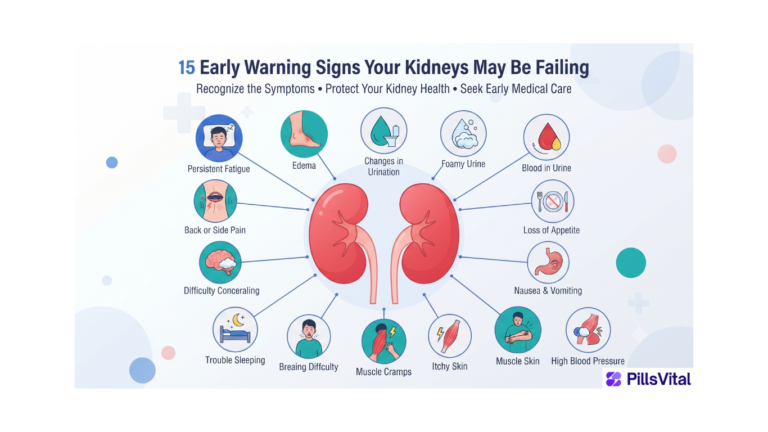
Your kidneys quietly perform some of the body’s most important jobs every day. They filter waste products, balance fluids and electrolytes, regulate blood pressure, produce hormones that support red blood cell production, and help keep your bones healthy.
Because kidneys can compensate for damage over time, kidney disease often develops without obvious symptoms. Many people don’t realize something is wrong until significant kidney function has already been lost. In many cases, these symptoms are caused by chronic kidney disease (CKD), a condition that develops gradually and often goes unnoticed until kidney function has significantly declined.
Recognizing the early warning signs your kidneys may be failing can help you seek medical attention sooner, potentially slowing disease progression and preventing serious complications.
In this guide, you’ll learn the symptoms, causes, risk factors, diagnosis, treatment options, and practical steps to protect your kidney health.
What Do Your Kidneys Do?
Healthy kidneys:
- Remove toxins and waste from the blood
- Filter excess water into urine
- Balance sodium, potassium, and other minerals
- Help regulate blood pressure
- Support healthy red blood cell production
- Maintain acid-base balance
- Keep bones strong through vitamin D activation
When kidneys become damaged, these functions gradually decline.
What Is Kidney Failure?
Kidney failure occurs when the kidneys lose the ability to effectively filter waste and maintain the body’s chemical balance. According to the National Kidney Foundation, chronic kidney disease affects millions of adults worldwide, and early detection is one of the best ways to slow disease progression.
There are two major forms:
Acute Kidney Injury (AKI)
Develops suddenly over hours or days.
Common causes include:
- Severe dehydration
- Serious infections
- Certain medications
- Major surgery
- Blocked urinary tract
AKI may improve if treated quickly.
Chronic Kidney Disease (CKD)
Develops slowly over months or years.
CKD is much more common and often progresses silently.
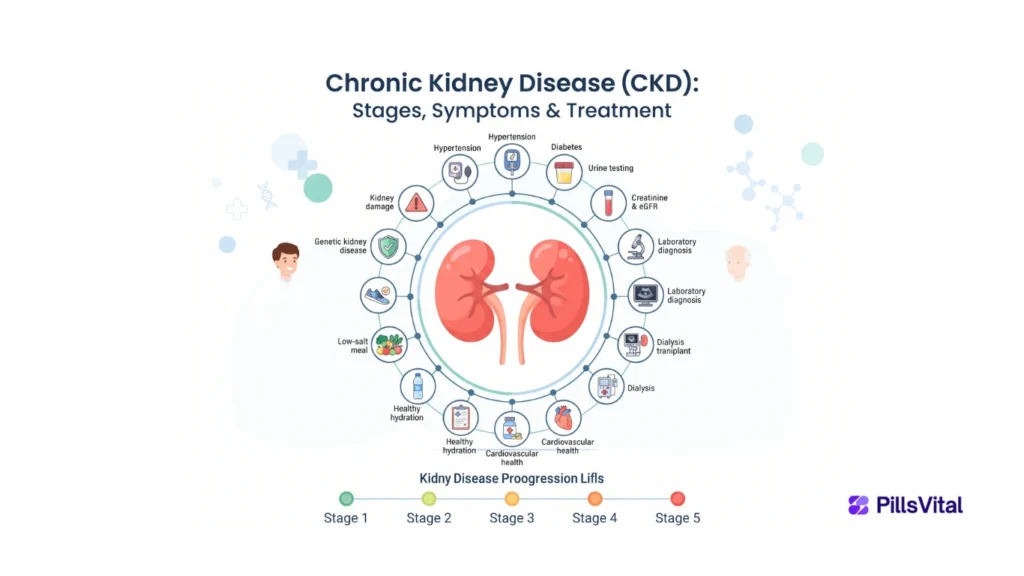
Without treatment, CKD can eventually lead to end-stage kidney disease requiring dialysis or a kidney transplant.
Early Warning Signs Your Kidneys May Be Failing
Your kidneys filter approximately 50 gallons (about 190 liters) of blood every day, removing waste products, balancing fluids, regulating blood pressure, and maintaining healthy levels of minerals and electrolytes. When kidney function begins to decline, waste and excess fluid gradually build up in the body. Unfortunately, kidney disease often develops silently, and symptoms may not appear until significant damage has occurred. The National Institute of Diabetes and Digestive and Kidney Diseases (NIDDK) recommends routine blood and urine tests for people with diabetes, high blood pressure, or other kidney disease risk factors.
Understanding these early warning signs can help you seek medical care before kidney disease progresses.
1. Persistent Fatigue and Low Energy
One of the earliest and most common signs of declining kidney function is persistent fatigue. Healthy kidneys produce a hormone called erythropoietin (EPO), which signals the bone marrow to produce red blood cells. These cells carry oxygen throughout your body.
When the kidneys become damaged, they produce less erythropoietin. As a result, the body may develop anemia, meaning there are fewer red blood cells available to transport oxygen. Reduced oxygen delivery to muscles and organs can leave you feeling tired even after a full night’s sleep.
Additionally, waste products that are no longer filtered efficiently can accumulate in the bloodstream, contributing to feelings of weakness and mental exhaustion.
Common symptoms include:
- Constant tiredness throughout the day
- Weakness during everyday activities
- Reduced physical stamina
- Difficulty concentrating at work or school
- Feeling exhausted despite getting enough sleep
- Lack of motivation or decreased productivity
If fatigue persists for several weeks without an obvious cause, it should be discussed with a healthcare provider.
2. Swelling in the Feet, Ankles, Legs, or Face
Healthy kidneys help regulate the body’s fluid balance by removing excess water and sodium through urine. When kidney function declines, extra fluid remains in the body instead of being eliminated.
This fluid retention often causes swelling, known as edema, which commonly affects the lower legs and ankles due to gravity. In some cases, swelling may also occur around the eyes, in the hands, or throughout the body.
People may notice that shoes, socks, rings, or watches feel tighter than usual.
Common symptoms include:
- Puffy ankles
- Swollen feet
- Facial puffiness, especially around the eyes
- Swollen fingers or hands
- Tight shoes or rings
- Shiny or stretched skin over swollen areas
Swelling can also occur in heart disease or liver disease, so medical evaluation is important to determine the underlying cause.
3. Changes in Urination
Changes in urination are often among the earliest signs that the kidneys are not functioning normally. Since the kidneys produce urine by filtering waste and excess water from the blood, any disruption in kidney function may affect the amount, appearance, or frequency of urination.
Some people may produce more urine than usual, especially at night, while others notice they are urinating much less than before. If your healthcare provider has diagnosed overactive bladder rather than kidney disease, explore our detailed guide on Mirabegron 50mg (Mirago): A Complete Guide to Better Bladder Control for treatment information and medication safety tips.
Warning signs include:
- Urinating more frequently than normal
- Urinating less often
- Waking several times at night to urinate (nocturia)
- Difficulty starting urination
- Weak urine stream
- Pain or discomfort while urinating
- Foamy or bubbly urine
- Dark-colored urine
- Blood in the urine
Persistent urinary changes should never be ignored, particularly if they occur alongside swelling or fatigue.
4. Foamy or Bubbly Urine
Occasional bubbles in the toilet after urination are usually harmless. However, urine that is consistently foamy or bubbly may indicate that protein is leaking into the urine.
Normally, healthy kidneys prevent important proteins such as albumin from leaving the bloodstream. Damaged kidneys may allow these proteins to pass into the urine, a condition known as proteinuria.
Proteinuria is often one of the earliest signs of chronic kidney disease and may develop before other symptoms appear.
Other possible signs include:
- Persistent white foam after flushing
- Frequent foamy urine
- Swelling in the legs or face due to protein loss
- Fatigue associated with kidney damage
A simple urine test can detect protein in the urine.
5. Blood in the Urine
Blood appearing in the urine, also called hematuria, should always be evaluated by a healthcare professional.
Blood may be visible to the naked eye or only detected through laboratory testing. Even a small amount of blood can indicate an underlying medical condition.
Urine may appear:
- Pink
- Bright red
- Brown
- Tea-colored
- Rust-colored
Possible causes include:
- Kidney disease
- Kidney stones
- Urinary tract infections
- Bladder infections
- Enlarged prostate
- Certain cancers affecting the urinary tract
Although blood in the urine does not always indicate kidney failure, it should never be ignored.
6. High Blood Pressure
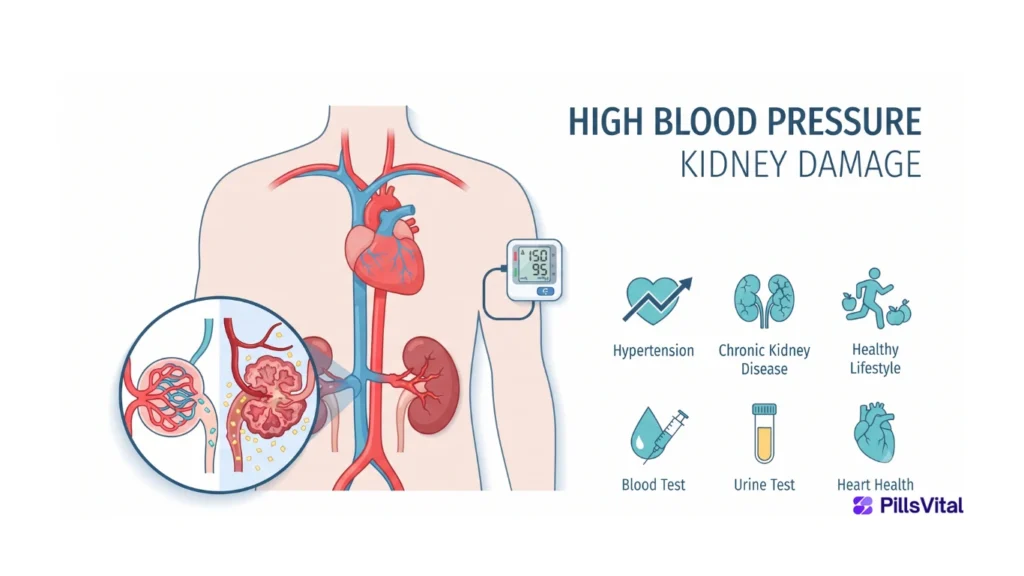
The kidneys play a major role in regulating blood pressure by controlling fluid levels and releasing hormones involved in blood vessel function.
When kidney function declines, blood pressure often rises. At the same time, uncontrolled high blood pressure damages the tiny blood vessels inside the kidneys, reducing their ability to filter blood effectively.
This creates a cycle in which kidney disease worsens blood pressure, and high blood pressure further damages the kidneys.
Signs of poorly controlled hypertension include:
- Frequent headaches
- Dizziness
- Blurred vision
- Chest discomfort
- Persistent elevated blood pressure readings
People with hypertension should have regular kidney function tests because early kidney damage may not cause noticeable symptoms.
7. Loss of Appetite
As waste products accumulate in the bloodstream due to declining kidney function, many people experience a reduced appetite.
Food may become less appealing, and some individuals report a persistent metallic taste in the mouth. Over time, poor appetite can lead to unintentional weight loss and nutritional deficiencies.
Common symptoms include:
- Feeling full after eating only small amounts
- Less interest in food
- Unexplained weight loss
- Metallic or unpleasant taste in the mouth
- Bad breath
- Reduced enjoyment of meals
Persistent appetite loss should be evaluated, especially if accompanied by fatigue or nausea.
8. Nausea and Vomiting
When toxins build up in the bloodstream because the kidneys cannot remove them efficiently, the digestive system may be affected.
People with worsening kidney disease frequently experience nausea, vomiting, and general stomach discomfort.
Symptoms may include:
- Morning nausea
- Vomiting
- Upset stomach
- Poor appetite
- Feeling sick after eating
- Unexplained weight loss
Digestive symptoms become more common as kidney disease progresses but may appear earlier in some individuals.
9. Itchy Skin
Persistent itching without an obvious skin condition may be associated with kidney disease.
Healthy kidneys regulate mineral levels such as phosphorus and calcium. When kidney function declines, these minerals can become imbalanced, and waste products may accumulate in the bloodstream.
These changes can lead to chronic itching, often affecting large areas of the body.
Symptoms include:
- Dry, rough skin
- Constant itching
- Scratching without visible rash
- Itching that worsens at night
- Skin irritation from repeated scratching
Moisturizers may provide temporary relief, but ongoing itching should be medically evaluated.
10. Muscle Cramps
Kidneys help maintain the proper balance of electrolytes, including potassium, calcium, sodium, and magnesium.
When these minerals become imbalanced, muscles may not function normally, resulting in painful cramps or spasms.
Common symptoms include:
- Painful leg cramps, especially at night
- Muscle twitching
- Muscle spasms
- Weak muscles
- Tingling sensations
Electrolyte abnormalities should be corrected under medical supervision.
11. Shortness of Breath
Difficulty breathing may develop for two major reasons in kidney disease.
First, excess fluid can accumulate in the lungs, making it harder to breathe. Second, anemia caused by reduced erythropoietin production decreases oxygen delivery throughout the body.
Symptoms include:
- Breathlessness during activity
- Difficulty climbing stairs
- Fatigue after mild exercise
- Feeling unable to take a deep breath
- Shortness of breath when lying flat
Sudden or severe breathing difficulty requires immediate medical attention.
12. Trouble Sleeping
Sleep disturbances are common among people with chronic kidney disease.
Poor sleep may result from toxin buildup, nighttime urination, muscle cramps, restless legs syndrome, or sleep apnea.
Common sleep problems include:
- Difficulty falling asleep
- Frequent waking during the night
- Restless legs
- Nighttime muscle cramps
- Frequent nighttime urination
- Daytime sleepiness
Poor sleep often worsens fatigue and reduces quality of life.
13. Difficulty Concentrating
When kidney function declines, waste products that would normally be filtered from the blood can affect brain function. Reduced oxygen delivery caused by anemia may also contribute.
Symptoms include:
- Brain fog
- Difficulty focusing
- Poor memory
- Trouble completing routine tasks
- Reduced mental clarity
- Confusion in advanced kidney disease
These symptoms can gradually worsen if kidney function continues to decline.
14. Persistent Back or Side Pain
Pain beneath the ribs or along the lower back may indicate certain kidney conditions, although pain alone does not necessarily mean kidney failure.
Pain may occur with:
- Kidney infections
- Kidney stones
- Polycystic kidney disease
- Blockages in the urinary tract
Seek medical care if pain occurs with:
- Fever
- Blood in the urine
- Nausea or vomiting
- Difficulty urinating
- Severe or worsening pain
Prompt evaluation can help identify and treat the underlying cause.
15. Persistent Bad Breath or Metallic Taste
As kidney function worsens, waste products such as urea accumulate in the bloodstream. These substances can alter the taste in the mouth and cause an ammonia-like odor on the breath, sometimes referred to as uremic breath.
Many people also notice that foods no longer taste the same, making it difficult to maintain a healthy diet.
Common symptoms include:
- Persistent metallic taste
- Ammonia-like breath odor
- Reduced appetite
- Food tasting unusual
- Nausea while eating
These symptoms often become more noticeable as kidney disease progresses and should prompt medical evaluation.
Important Note
Many of these symptoms can also be caused by conditions other than kidney disease. However, if you experience more than one of these warning signs, especially if you have diabetes, high blood pressure, obesity, or a family history of kidney disease, schedule an appointment with your healthcare provider. Early diagnosis through simple blood and urine tests can identify kidney problems before significant damage occurs, allowing treatment to slow progression and reduce the risk of complications.
Who Is at Higher Risk?
Risk factors include:
- Diabetes
- High blood pressure
- Heart disease
- Obesity
- Smoking
- Age over 60
- Family history of kidney disease
- Autoimmune diseases
- Frequent NSAID painkiller use
- Previous kidney injury
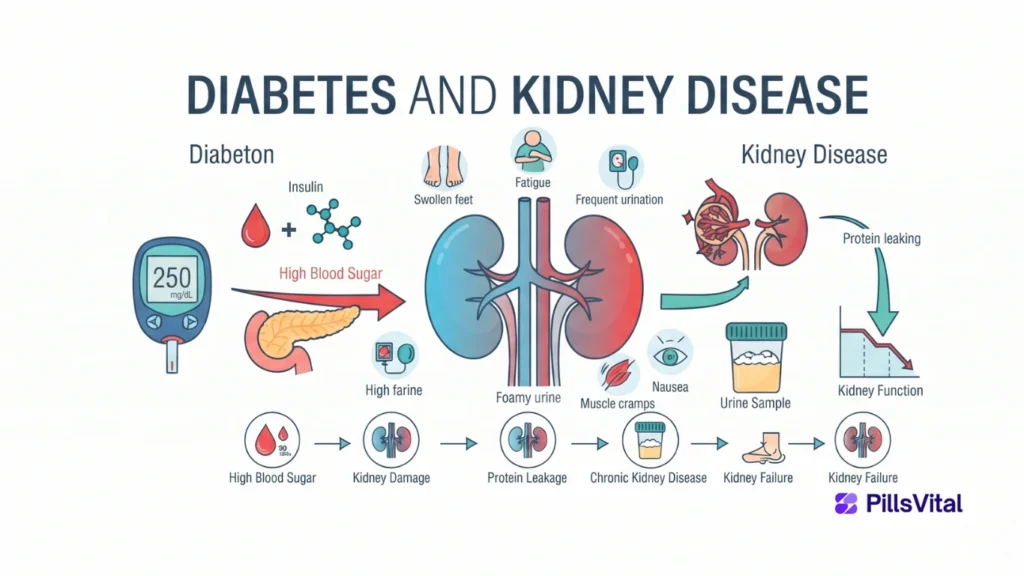
People with diabetes are at a significantly higher risk of developing kidney disease because high blood sugar can damage the kidneys’ tiny filtering units over time. The Centers for Disease Control and Prevention (CDC) reports that diabetes and high blood pressure are the two leading causes of chronic kidney disease.
Common Causes of Kidney Failure
The leading causes include:
- Diabetes
- Hypertension
- Chronic kidney infections
- Glomerulonephritis
- Polycystic kidney disease
- Autoimmune disorders
- Urinary tract obstruction
- Certain medications
- Severe dehydration
How Doctors Diagnose Kidney Disease
Evaluation may include:
Blood Tests
- Serum creatinine
- Estimated Glomerular Filtration Rate (eGFR)
- Blood urea nitrogen (BUN)
- Electrolytes
Urine Tests
Doctors check for:
- Protein
- Blood
- Infection
- Albumin
Imaging
Examples include:
- Ultrasound
- CT scan
- MRI (when appropriate)
Kidney Biopsy
In selected patients, a biopsy helps determine the exact cause of kidney damage.
Can Kidney Disease Be Reversed?
It depends on the cause.
Acute Kidney Injury
May improve completely if treated early.
Chronic Kidney Disease
Usually cannot be cured.
However, treatment can:
- Slow progression
- Reduce complications
- Preserve kidney function
- Delay dialysis
Early diagnosis makes a significant difference.
Treatment Options
Treatment depends on the underlying cause.
Common approaches include:
- Blood pressure control
- Diabetes management
- Kidney-friendly diet
- Limiting sodium intake
- Reducing excess protein when advised
- Managing cholesterol
- Treating anemia
- Treating electrolyte imbalances
- Avoiding harmful medications
- Dialysis for advanced kidney failure
- Kidney transplantation when appropriate
Tips to Protect Your Kidneys
You can lower your risk by:
- Controlling blood sugar
- Managing blood pressure
- Staying hydrated
- Exercising regularly
- Maintaining a healthy weight
- Avoiding smoking
- Limiting alcohol
- Eating less processed food
- Using pain medications only as directed
- Getting regular kidney function tests if you’re high risk
Following a healthy lifestyle can also lower your risk of developing diabetes, high blood pressure, and other chronic diseases that may damage the kidneys. The American Kidney Fund recommends staying hydrated, managing blood pressure, and controlling blood sugar levels to help reduce the risk of kidney disease.
When Should You See a Doctor?
Seek medical evaluation if you experience:
- Blood in urine
- Persistent swelling
- Foamy urine
- Unexplained fatigue
- Reduced urine output
- High blood pressure
- Ongoing nausea
- Severe shortness of breath
Seek emergency care for:
- Complete inability to urinate
- Severe breathing difficulty
- Chest pain
- Confusion
- Sudden severe swelling
Mayo Clinic advises seeking medical attention if you experience persistent swelling, blood in the urine, unexplained fatigue, or ongoing changes in urination.
❓ FAQs
What is the first sign of kidney failure?
Early signs often include fatigue, swelling, changes in urination, foamy urine, or high blood pressure. Many people have no symptoms in the earliest stages.
Can kidney disease develop without symptoms?
Yes. Chronic kidney disease frequently progresses silently until kidney function is significantly reduced.
Does foamy urine always mean kidney disease?
Not always. Temporary foam can occur from a strong urine stream or dehydration, but persistent foamy urine should be evaluated because it may indicate protein in the urine.
Can drinking more water fix kidney disease?
Staying hydrated supports overall kidney health, but drinking extra water cannot reverse chronic kidney disease. Treatment depends on the underlying cause.
Is kidney failure curable?
Acute kidney injury may recover if treated promptly. Chronic kidney disease is generally not curable, but early treatment can slow progression and help preserve kidney function.
Conclusion
Kidney disease often develops gradually and may not cause noticeable symptoms until it has progressed. Paying attention to warning signs—such as persistent fatigue, swelling, changes in urination, foamy urine, high blood pressure, and unexplained nausea—can lead to earlier diagnosis and better outcomes.
If you have diabetes, high blood pressure, or another risk factor, regular kidney function tests and healthy lifestyle habits are essential. Early medical care offers the best opportunity to protect kidney function and reduce the risk of complications.
Related Health Resources
-
Mirabegron 50mg (Mirago) Tablets
$62.00 – $175.00Price range: $62.00 through $175.00 This product has multiple variants. The options may be chosen on the product page
❤️ Related Guides

Dr. Emily Carter specializes in evidence-based health education and wellness content. She focuses on simplifying complex medical topics related to cancer awareness, nutrition, preventive healthcare, skincare, and lifestyle wellness for readers worldwide.
This content is reviewed for medical accuracy, clarity, and alignment with current public health research. The article is intended for educational and informational purposes only and should not replace professional medical advice, diagnosis, or treatment.