
Asthma vs COPD: Understanding the Difference
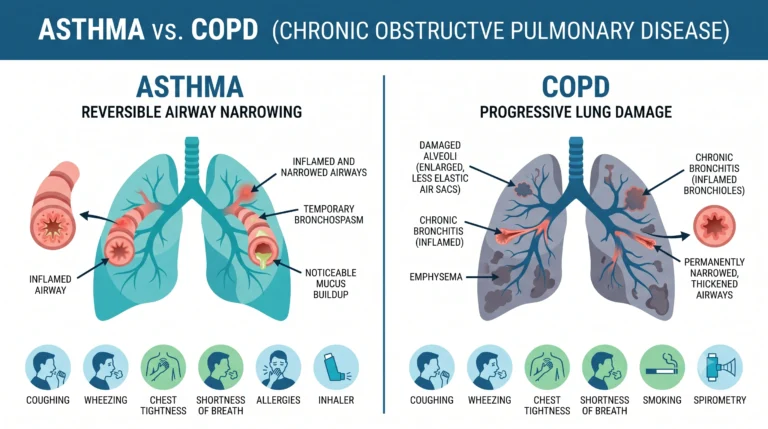
Breathing should happen effortlessly, yet millions of people worldwide struggle every day because of chronic respiratory diseases. Two of the most commonly confused conditions are asthma and Chronic Obstructive Pulmonary Disease (COPD).
Although both diseases can cause wheezing, coughing, chest tightness, and breathlessness, they are not the same. Confusing one for the other can delay appropriate treatment and increase the risk of severe flare-ups, hospitalizations, and long-term lung damage. Learn more about the basics of asthma in our complete Asthma Symptoms, Causes & Treatment Guide.
The biggest distinction is that asthma primarily causes reversible inflammation of the airways, while COPD results in permanent damage to the lungs that gradually worsens over time.
Understanding how these diseases differ can help patients recognize symptoms early, work with healthcare professionals to obtain an accurate diagnosis, and take steps to protect long-term lung function.
According to the World Health Organization (WHO), chronic respiratory diseases affect millions of people worldwide.
What Is Asthma?
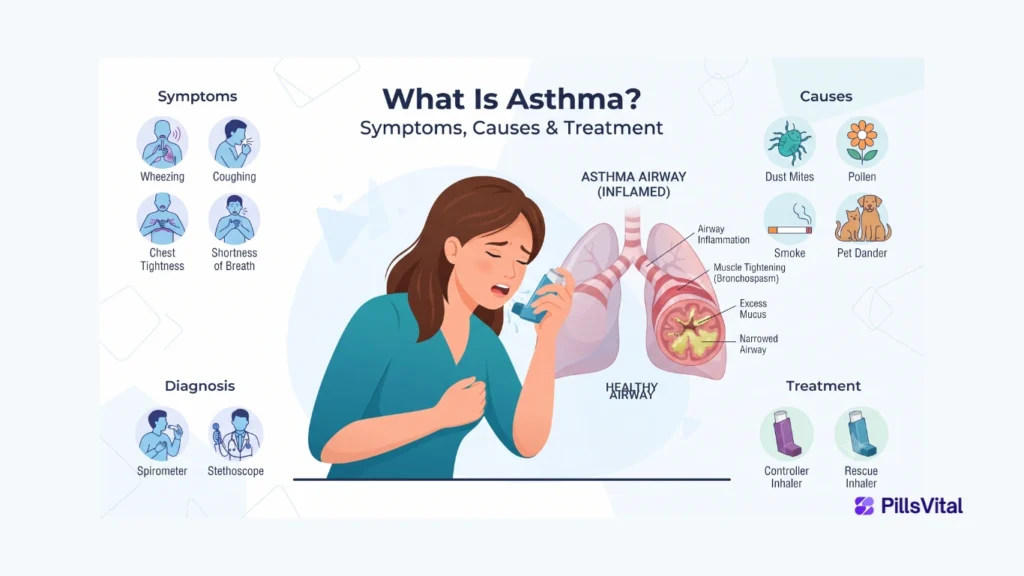
Asthma is a chronic inflammatory disease of the airways that causes the breathing tubes to become swollen and narrow. During an asthma attack, the muscles around the airways tighten while excess mucus production further blocks airflow. The Global Initiative for Asthma (GINA) provides internationally recognized asthma management guidelines.
One of the defining features of asthma is that airway narrowing is usually reversible, either naturally or with medication.
Asthma often begins during childhood but can develop at any age. You may also like our guide on Common Asthma Triggers and How to Avoid Them.
What Is COPD?
Chronic Obstructive Pulmonary Disease (COPD) is a progressive lung disease that gradually damages the lungs and permanently limits airflow.
COPD mainly includes:
- Chronic bronchitis
- Emphysema
Unlike asthma, COPD causes long-term structural damage to the lungs that cannot be completely reversed. The Global Initiative for Chronic Obstructive Lung Disease (GOLD) publishes evidence-based COPD treatment recommendations.
Most cases develop after years of exposure to harmful particles such as cigarette smoke.
Why Are Asthma and COPD Often Confused?
Many respiratory illnesses share similar symptoms because they affect the same organs—the lungs and airways. Both asthma and COPD reduce airflow, making breathing more difficult.
Several overlapping symptoms contribute to confusion, including:
- Persistent coughing
- Wheezing
- Chest tightness
- Breathlessness
- Reduced exercise capacity
- Fatigue
However, the underlying causes of these symptoms are very different.
In asthma, the airways become temporarily narrowed due to inflammation and muscle tightening. In COPD, years of lung injury permanently damage the air sacs and airways, reducing the lungs’ ability to exchange oxygen efficiently.
Understanding How Healthy Lungs Work
Before comparing asthma and COPD, it helps to understand normal lung function.
Every breath follows a simple pathway:
- Air enters through the nose or mouth.
- It travels down the trachea.
- The trachea divides into bronchi.
- Bronchi branch into smaller bronchioles.
- Air finally reaches tiny air sacs called alveoli.
The alveoli are surrounded by microscopic blood vessels where oxygen enters the bloodstream and carbon dioxide leaves the body.
Healthy lungs have:
- Flexible airways
- Open bronchioles
- Elastic alveoli
- Minimal mucus
- Efficient oxygen exchange
Asthma and COPD disrupt this process in different ways.
Quick Comparison: Asthma vs COPD
| Feature | Asthma | COPD |
|---|---|---|
| Age of onset | Usually childhood or young adulthood | Usually after age 40 |
| Cause | Allergies, genetics, environmental triggers | Smoking, air pollution, occupational exposure |
| Airway narrowing | Usually reversible | Mostly irreversible |
| Disease progression | Variable | Progressive |
| Symptoms | Episodes that come and go | Persistent and gradually worsening |
| Smoking history | Not necessary | Common |
| Lung damage | Minimal between attacks | Permanent damage |
| Treatment response | Excellent with inhalers | Symptoms improve but damage remains |
How Asthma Affects the Lungs
Asthma mainly affects the bronchial tubes.
When exposed to a trigger, three things happen simultaneously:
1. Airway Inflammation
The airway lining becomes swollen due to immune system activation.
2. Bronchospasm
The muscles surrounding the airways tighten suddenly, making breathing difficult.
3. Excess Mucus Production
Inflamed airways produce thick mucus that further blocks airflow.
The good news is that these changes are often reversible with proper medication.
How COPD Damages the Lungs
COPD causes long-term structural damage rather than temporary inflammation.
Over several years:
- Air sacs lose elasticity.
- Lung tissue breaks down.
- Airways become permanently narrowed.
- Thick mucus blocks airflow.
- Air becomes trapped inside the lungs.
This makes it increasingly difficult to breathe, especially during physical activity.
Unlike asthma, the damaged lung tissue cannot regenerate.
Asthma vs COPD: Disease Progression
One of the biggest differences lies in how each condition develops over time.
Asthma
Many people experience symptom-free periods lasting weeks or months. With proper treatment, lung function often remains close to normal.
Poorly controlled asthma, however, can lead to chronic inflammation that gradually remodels the airways.
COPD
COPD generally progresses slowly over decades.
Patients often notice:
- Mild morning cough
- Increased mucus production
- Breathlessness during exercise
- Difficulty climbing stairs
- Breathlessness while walking
- Breathlessness even at rest (advanced disease)
Without smoking cessation and treatment, lung function continues to decline.
Comparing Airway Changes
| Lung Feature | Asthma | COPD |
|---|---|---|
| Inflammation | High | Moderate to High |
| Muscle Tightening | Severe | Mild |
| Airway Swelling | Temporary | Chronic |
| Lung Tissue Damage | Minimal | Permanent |
| Alveolar Damage | Rare | Extensive |
| Mucus Production | During attacks | Continuous |
| Air Trapping | Temporary | Persistent |
Asthma Symptoms vs COPD Symptoms
| Symptom | Asthma | COPD |
|---|---|---|
| Wheezing | Very common | Common |
| Chronic cough | Sometimes | Very common |
| Mucus production | Mild | Heavy |
| Breathlessness | During attacks | Constant |
| Chest tightness | Common | Less common |
| Night symptoms | Frequent | Less frequent |
| Lung function | Returns to normal | Permanently reduced |
What Triggers Asthma?
Asthma symptoms can worsen quickly after exposure to triggers.
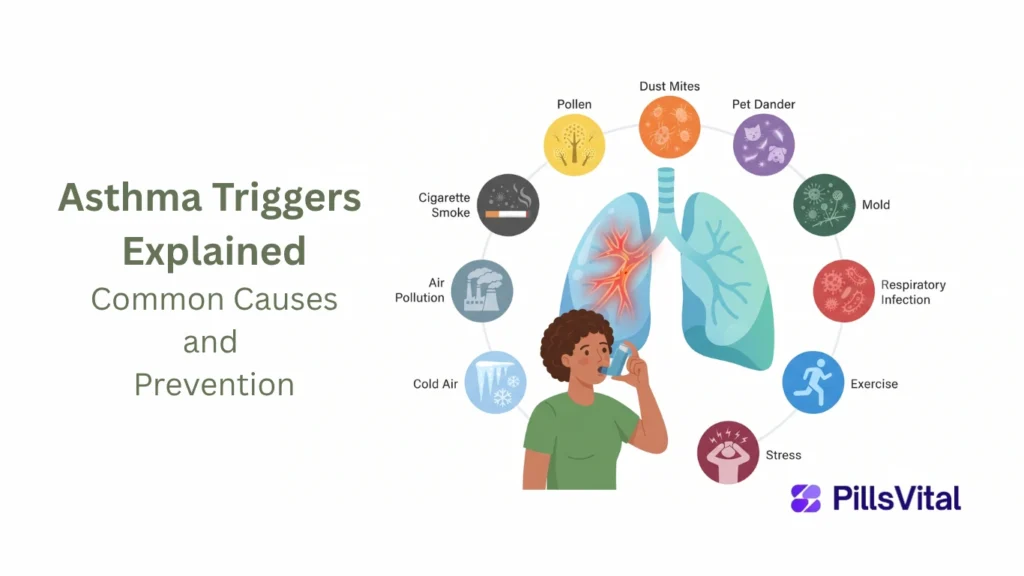
Common triggers include:
- Dust
- Pollen
- Animal fur
- Mold
- Cold air
- Exercise
- Viral infections
- Cigarette smoke
- Strong perfumes
- Air pollution
- Stress
What Makes COPD Worse?
COPD flare-ups are commonly triggered by:
- Respiratory infections
- Smoking
- Poor air quality
- Dust exposure
- Cold weather
- Chemical fumes
- Skipping medications
Persistent breathing problems can also occur in other chronic diseases affecting the lungs and heart.
Age and Risk Factors
Asthma
Although asthma may occur at any age, it often begins during childhood.
People at greater risk include:
- Individuals with allergies
- Children with eczema
- Family history of asthma
- Exposure to tobacco smoke
- Air pollution
- Premature birth
COPD
COPD generally develops after decades of lung irritation.
Risk factors include:
- Cigarette smoking
- Indoor wood-burning stoves
- Occupational dust exposure
- Chemical fumes
- Air pollution
- Genetic Alpha-1 antitrypsin deficiency
Can Non-Smokers Develop COPD?
Yes.
Although smoking remains the leading cause, approximately one in four people diagnosed with COPD have never smoked.
Possible causes include:
- Long-term biomass fuel exposure
- Indoor cooking smoke
- Industrial chemicals
- Chronic air pollution
- Childhood respiratory infections
- Genetic disorders
This is particularly important in regions where cooking with wood, charcoal, or animal dung is common.
Diagnosis: How Doctors Tell Them Apart
Doctors use several tests to distinguish asthma from COPD. Spirometry is recommended as the standard test for diagnosing obstructive lung diseases by the American Lung Association.
Medical History
Doctors ask about:
- Smoking history
- Allergies
- Family history
- Occupational exposure
- Symptom patterns
Physical Examination
The doctor listens for:
- Wheezing
- Reduced airflow
- Crackles
- Chest expansion
Spirometry
Spirometry measures:
- Airflow limitation
- Lung capacity
- Response after bronchodilator medication
Asthma often shows significant improvement after inhaler use, while COPD usually shows only partial improvement.
Chest Imaging
Chest X-rays or CT scans help identify:
- Lung damage
- Emphysema
- Other lung diseases
Allergy Testing
Useful mainly in asthma patients to identify allergic triggers.
How Doctors Differentiate Asthma and COPD
Making the correct diagnosis is essential because treatment plans differ.
Doctors evaluate several factors.
Symptom Pattern
Asthma symptoms often:
- Come and go
- Occur at night
- Worsen after exercise
- Improve quickly with inhalers
COPD symptoms:
- Persist daily
- Slowly worsen
- Rarely disappear completely
- Continue despite rest
Smoking History
A history of long-term smoking strongly suggests COPD but does not rule out asthma.
Lung Function Testing
Spirometry measures:
- Forced Expiratory Volume (FEV1)
- Forced Vital Capacity (FVC)
- FEV1/FVC ratio
In asthma, airflow often improves significantly after using a bronchodilator.
In COPD, improvement is usually limited because structural damage remains.
Blood Tests
Doctors may order blood tests to:
- Identify allergic inflammation
- Measure eosinophil levels
- Rule out infections
CT Scan Findings
High-resolution CT imaging may reveal:
Asthma
- Thickened airway walls
- Mucus plugging
COPD
- Destroyed alveoli
- Enlarged air spaces
- Hyperinflation
- Emphysema
Treatment of Asthma
Asthma treatment aims to control inflammation and prevent attacks.
Common treatments include:
Quick-Relief Medicines
Used during asthma attacks.
Examples include:
- Short-acting bronchodilators
Long-Term Controller Medicines
These reduce airway inflammation.
Examples include:
- Inhaled corticosteroids
- Long-acting bronchodilators
- Leukotriene modifiers
- Biologic medications (for severe asthma)
Lifestyle Measures
- Avoid triggers
- Quit smoking
- Stay physically active
- Follow an asthma action plan
- Receive recommended vaccinations
Treatment of COPD
COPD treatment focuses on slowing disease progression and relieving symptoms. The National Heart, Lung, and Blood Institute (NHLBI) offers comprehensive information on asthma diagnosis and treatment.
Treatment options include:
Bronchodilator Inhalers
Help open the airways.
Inhaled Corticosteroids
Recommended for selected patients with frequent flare-ups.
Pulmonary Rehabilitation
Includes:
- Exercise training
- Breathing exercises
- Nutrition counseling
- Education
Oxygen Therapy
Needed for advanced COPD with low oxygen levels.
Smoking Cessation
The single most effective intervention to slow COPD progression. Quitting smoking is the most effective way to slow COPD progression, according to the Centers for Disease Control and Prevention (CDC).
What Happens During a Flare-Up?
Asthma Attack
During an asthma attack:
- Airways rapidly tighten.
- Swelling increases.
- Mucus accumulates.
- Breathing becomes difficult.
Without treatment, oxygen levels may fall quickly.
COPD Exacerbation
COPD flare-ups usually develop because of:
- Viral infections
- Bacterial infections
- Air pollution
- Smoking
Symptoms include:
- Increased cough
- More sputum
- Thick yellow or green mucus
- Severe breathlessness
- Fever (sometimes)
These episodes may require antibiotics, corticosteroids, or hospitalization.
Can Someone Have Both Asthma and COPD?
Yes.
Some individuals develop Asthma-COPD Overlap (ACO), where they experience features of both diseases.
These patients often require individualized treatment plans combining asthma and COPD therapies.
Can Asthma Develop Into COPD?
Asthma does not directly transform into COPD.
However, long-standing uncontrolled asthma combined with smoking or prolonged exposure to air pollutants can lead to irreversible airway damage. Some individuals develop Asthma-COPD Overlap (ACO), a condition with features of both diseases. These patients may experience more frequent flare-ups and often require a combination of therapies used for asthma and COPD.
Complications
Asthma Complications
- Severe asthma attacks
- Hospitalization
- Reduced physical activity
- Medication side effects
- Airway remodeling
COPD Complications
- Respiratory failure
- Pneumonia
- Pulmonary hypertension
- Heart disease
- Depression
- Frequent hospital admissions
Learn how chronic diseases can affect multiple organs over time.
Impact on Daily Life
Asthma
Many people with well-controlled asthma can:
- Exercise regularly
- Participate in sports
- Sleep normally
- Travel safely
- Maintain full-time employment
COPD
As COPD progresses, everyday tasks may become increasingly difficult, including:
- Climbing stairs
- Carrying groceries
- Walking long distances
- Housework
- Bathing and dressing in severe cases
Pulmonary rehabilitation, breathing techniques, and appropriate medications can improve independence and quality of life.
Prevention Tips
Although not all cases are preventable, healthy habits can reduce the risk and severity of both conditions.
- Never smoke
- Avoid secondhand smoke
- Reduce exposure to dust and pollution
- Wear protective masks at work
- Get annual flu vaccination
- Stay physically active
- Maintain a healthy weight
- Follow prescribed medications
- Treat respiratory infections early
Air quality recommendations can help reduce exposure to harmful pollutants and protect lung health.
When Should You See a Doctor?
Seek medical attention if you experience:
- Persistent shortness of breath
- Wheezing that doesn’t improve
- Frequent coughing lasting more than three weeks
- Chest tightness
- Blue lips or fingertips
- Difficulty speaking because of breathlessness
- Repeated chest infections
- Coughing up blood
Emergency care is required if breathing becomes severely difficult or symptoms worsen suddenly.
Living Well with Asthma or COPD
Both asthma and COPD require lifelong management, but many people lead active, healthy lives with proper treatment.
Helpful habits include:
- Using inhalers correctly
- Attending regular medical check-ups
- Monitoring symptoms
- Exercising safely
- Eating a balanced diet
- Avoiding smoking
- Getting enough sleep
- Managing stress
- Keeping vaccinations up to date
Common Myths About Asthma and COPD
| Myth | Fact |
|---|---|
| Only children get asthma. | Adult-onset asthma is common. |
| COPD only affects smokers. | Non-smokers can develop COPD due to pollution, occupational exposure, or genetic factors. |
| Inhalers are addictive. | Inhalers are not addictive and are essential for controlling symptoms. |
| If symptoms improve, treatment can stop. | Many people need ongoing treatment even when symptoms are well controlled. |
| Exercise is unsafe. | With proper management, physical activity benefits most people with asthma or COPD. |
❓ FAQs
Is asthma the same as COPD?
No. Asthma is usually reversible and often linked to allergies, while COPD causes progressive and mostly irreversible lung damage.
Which is more serious, asthma or COPD?
Both conditions can become serious if not treated. COPD is generally progressive and causes permanent lung damage, whereas asthma is often well-controlled with appropriate medication.
Can asthma turn into COPD?
Asthma does not directly become COPD. However, people with long-standing asthma who smoke or have significant exposure to lung irritants may develop overlapping features of COPD.
Can COPD be cured?
No. COPD cannot be cured, but treatment can slow its progression, relieve symptoms, and improve quality of life.
Can asthma be cured?
There is no permanent cure for asthma, but it can often be effectively controlled with medications and trigger avoidance.
Is smoking the only cause of COPD?
No. While smoking is the leading cause, COPD can also result from long-term exposure to air pollution, occupational dust, chemical fumes, and certain genetic conditions.
Which disease responds better to inhalers?
Asthma generally responds better because airway narrowing is usually reversible. COPD symptoms may improve with inhalers, but the underlying lung damage remains.
Conclusion
Asthma and COPD are chronic respiratory diseases that share similar symptoms but differ in their underlying causes, disease progression, and treatment strategies. Asthma is characterized by reversible airway inflammation, while COPD involves permanent lung damage that gradually worsens over time.
Recognizing the differences between these conditions is essential for obtaining an accurate diagnosis and effective treatment. Early medical evaluation, proper medication use, healthy lifestyle habits, and avoiding lung irritants can help individuals with either condition breathe easier and maintain a better quality of life.
Additional patient education resources are available from the American Lung Association.
Related Health Resources
-
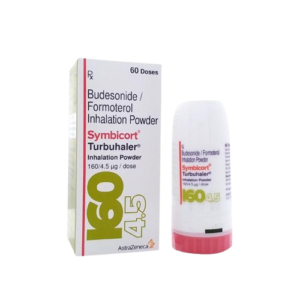
Symbicort 160mcg/4.5mcg Turbuhaler
$60.00 – $160.00Price range: $60.00 through $160.00 This product has multiple variants. The options may be chosen on the product page -
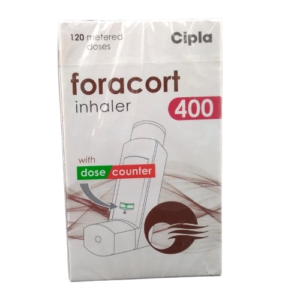
Budesonide 400mcg (Foracort) Inhaler
$62.00 – $180.00Price range: $62.00 through $180.00 This product has multiple variants. The options may be chosen on the product page -
Symbicort 320mcg/9mcg Turbuhaler
$70.00 – $170.00Price range: $70.00 through $170.00 This product has multiple variants. The options may be chosen on the product page -

Symbicort 80mcg/4.5mcg Turbuhaler
$50.00 – $150.00Price range: $50.00 through $150.00 This product has multiple variants. The options may be chosen on the product page

Dr. Emily Carter specializes in evidence-based health education and wellness content. She focuses on simplifying complex medical topics related to cancer awareness, nutrition, preventive healthcare, skincare, and lifestyle wellness for readers worldwide.
This content is reviewed for medical accuracy, clarity, and alignment with current public health research. The article is intended for educational and informational purposes only and should not replace professional medical advice, diagnosis, or treatment.