
Best Breathing Exercises for Asthma: Improve Lung Function Naturally (2026 Guide)
Living with asthma can make simple activities feel challenging, especially when breathing becomes difficult. While asthma medications remain the cornerstone of treatment, breathing exercises can complement your asthma management plan by improving breathing efficiency, reducing anxiety, and helping you regain control during mild symptoms.
These exercises are not a replacement for inhalers or prescribed medications, but they can become an effective part of your daily asthma routine when practiced consistently. If you’re new to asthma, start with our What Is Asthma? Symptoms, Causes & Treatment Guide to understand its causes, symptoms, diagnosis, and treatment options.
Global Initiative for Asthma (GINA) asthma guidelines when discussing evidence-based asthma management. In this guide, you’ll learn the most effective breathing exercises for asthma, how they work, and when to use them safely.
Why Breathing Exercises Help People With Asthma
Asthma causes inflammation and narrowing of the airways, making it difficult to move air in and out of the lungs.
Breathing exercises may help by:
- Improving breathing efficiency
- Reducing unnecessary chest breathing
- Encouraging deeper diaphragmatic breathing
- Helping remove trapped air
- Reducing anxiety-related breathlessness
- Improving exercise tolerance
- Promoting relaxation
Many people also report feeling calmer during asthma flare-ups when they use controlled breathing techniques.
How Breathing Exercises Affect Your Lungs During Asthma
During an asthma flare-up, the muscles surrounding your airways tighten, the airway lining becomes inflamed, and excess mucus may narrow the breathing passages. These changes make it harder to exhale completely, causing air to become trapped in the lungs.
Breathing exercises do not remove inflammation, but they can improve the way you breathe by:
- Slowing your breathing rate
- Encouraging full exhalation
- Improving diaphragm movement
- Reducing overuse of chest muscles
- Promoting better airflow through the lungs
- Helping you feel more in control of your breathing
When practiced regularly, these techniques may reduce the sensation of breathlessness and improve overall breathing efficiency.
American Lung Association asthma resources after mentioning breathing exercises as supportive therapy.
Benefits of Regular Breathing Exercises
People who practice breathing exercises consistently may experience:
- Better breathing control
- Reduced feeling of shortness of breath
- Improved quality of life
- Better exercise endurance
- Less chest tightness
- Reduced anxiety associated with asthma
- Improved posture
- Better oxygen utilization
Combining breathing exercises with trigger avoidance can further improve asthma control. Learn about Common Asthma Triggers and How to Avoid Them and discover the Best Foods for People with Asthma that support overall respiratory health.
Although research shows breathing exercises can improve symptoms and quality of life, they do not cure asthma or eliminate airway inflammation, so continue taking prescribed controller medications unless your healthcare provider advises otherwise.
Signs You're Breathing Inefficiently
Many people with asthma develop poor breathing habits without realizing it.
Watch for these signs:
- Frequent mouth breathing
- Rapid, shallow breaths
- Shoulder movement while breathing
- Feeling unable to take a deep breath
- Chest tightness during mild activity
- Frequent sighing or yawning
- Becoming breathless while talking
- Anxiety causing faster breathing
If these symptoms occur often, breathing retraining may help alongside your prescribed asthma treatment.
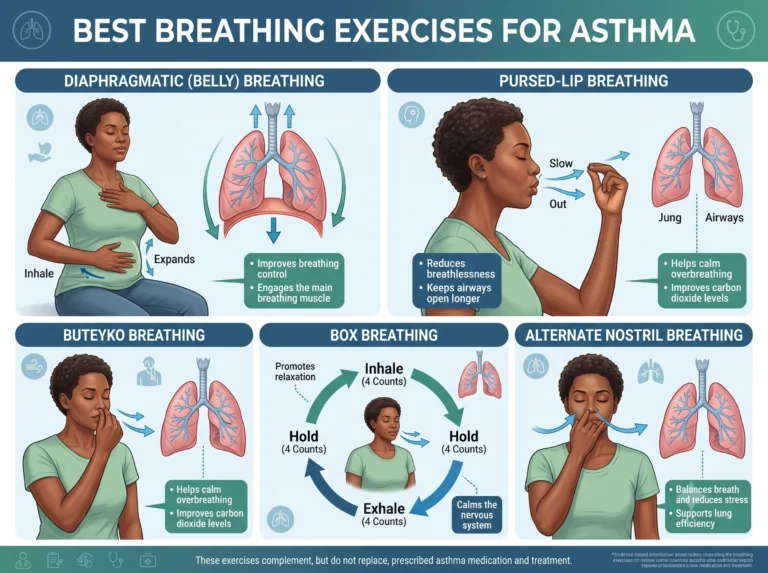
1. Diaphragmatic (Belly) Breathing
This is one of the most recommended breathing exercises for asthma.
How It Works
Instead of breathing with your chest, you breathe using your diaphragm—the primary muscle responsible for breathing.
This allows:
- More efficient airflow
- Less energy spent breathing
- Better oxygen exchange
Steps
- Sit comfortably or lie down.
- Place one hand on your chest.
- Place the other on your abdomen.
- Inhale slowly through your nose.
- Let your belly rise while keeping your chest relatively still.
- Exhale slowly through your mouth.
- Repeat for 5–10 minutes.
Practice twice daily for best results.
2. Pursed-Lip Breathing
Pursed-lip breathing helps keep airways open longer during exhalation.
It is especially helpful if you feel mildly short of breath.
Steps
- Inhale slowly through your nose for about 2 seconds.
- Purse your lips as if gently blowing out a candle.
- Exhale slowly for about 4 seconds through your pursed lips.
- Do not force the air out.
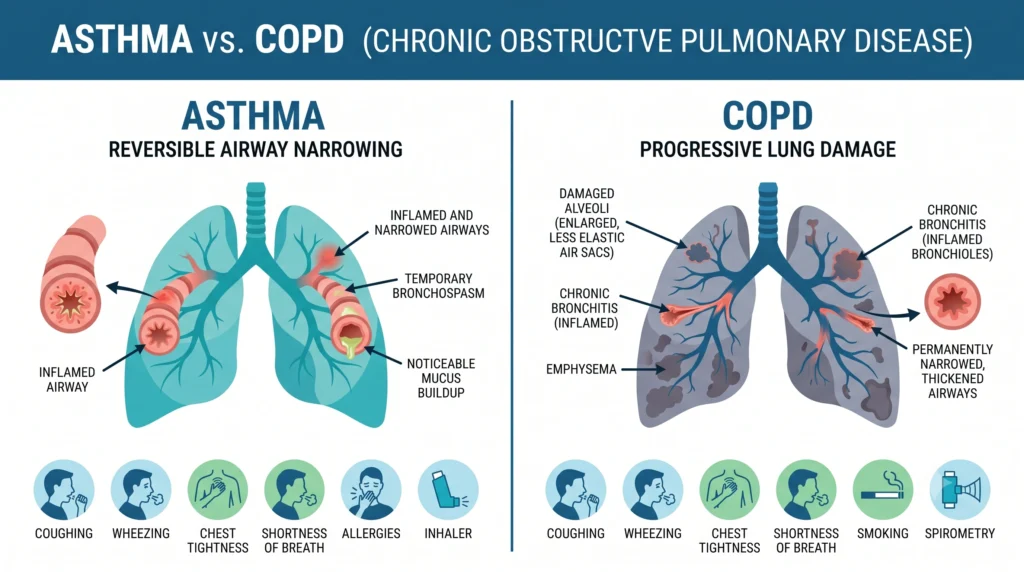
If you’re unsure whether your symptoms are caused by asthma or another lung condition, compare them in our guide Asthma vs COPD: Understanding the Key Differences.
Repeat for several minutes.
Benefits
- Slows breathing rate
- Prevents airway collapse
- Improves airflow
- Reduces breathlessness
3. Buteyko Breathing Method
The Buteyko technique focuses on reducing over-breathing (hyperventilation), which some people with asthma experience.
Main Principles
- Gentle nasal breathing
- Relaxed breathing
- Controlled breathing pauses
- Reduced mouth breathing
Some studies suggest this method may reduce asthma symptoms and improve quality of life, although it does not replace standard asthma treatment.
It is best learned with a trained instructor.
4. Papworth Method
The Papworth Method combines:
- Relaxation
- Nasal breathing
- Slow breathing
- Diaphragmatic breathing
This technique aims to reduce dysfunctional breathing patterns that can worsen asthma symptoms.
Potential benefits include:
- Reduced anxiety
- Better breathing control
- Improved daily functioning
5. Box Breathing
Originally used for stress management, box breathing can help calm the nervous system, which may reduce anxiety-related breathing difficulties.
Steps
- Inhale for 4 seconds
- Hold for 4 seconds
- Exhale for 4 seconds
- Hold for 4 seconds
Repeat 5–10 cycles.
Avoid prolonged breath holds if they make you uncomfortable.
6. Alternate Nostril Breathing (Nadi Shodhana)
This gentle yoga breathing exercise promotes relaxation and controlled breathing.
Steps
- Sit comfortably.
- Close your right nostril.
- Inhale through your left nostril.
- Close the left nostril.
- Exhale through the right.
- Inhale through the right.
- Switch again.
Continue for several minutes.
Benefits
- May reduce stress
- Encourages nasal breathing
- Promotes calmness
7. Deep Nasal Breathing
Breathing through the nose naturally:
- Filters air
- Warms air
- Humidifies air
- Reduces airway irritation
Practice slow, gentle nasal breathing throughout the day whenever possible.
8. Segmental Breathing
This exercise focuses on expanding different parts of the lungs.
A respiratory therapist often teaches this technique.
Benefits include:
- Better lung expansion
- Improved chest mobility
- Enhanced breathing awareness
9. Inspiratory Muscle Training (IMT)
Inspiratory Muscle Training uses a handheld device that provides resistance while you inhale.
Over time, it may:
- Strengthen breathing muscles
- Improve exercise tolerance
- Reduce breathlessness
Ask your healthcare provider or respiratory therapist if IMT is appropriate for you.
10. Gentle Yoga Breathing (Pranayama)
Several yoga breathing techniques may support asthma management when performed gently.
Examples include:
- Ujjayi breathing (performed gently)
- Dirga (three-part breathing)
- Nadi Shodhana (alternate nostril breathing)
Avoid forceful breathing techniques such as rapid kapalabhati or vigorous breathwork if they trigger symptoms.
Creating Your Personal Breathing Routine
A simple daily plan can help you stay consistent.
Morning (5–10 minutes):
- Diaphragmatic breathing
- Slow nasal breathing
Before Exercise (3–5 minutes):
- Pursed-lip breathing
- Gentle deep breathing
Evening (10 minutes):
- Alternate nostril breathing
- Relaxed diaphragmatic breathing
- Light stretching
Track your progress in a journal by noting:
- Ease of breathing
- Activity tolerance
- Stress levels
- Asthma symptoms
- Rescue inhaler use
Asthma-Friendly Exercises That Pair Well With Breathing Training
Many people with asthma can exercise safely when their condition is well controlled.
Recommended activities include:
- Walking
- Swimming
- Cycling at a comfortable pace
- Yoga
- Pilates
- Tai Chi
- Light hiking
Always warm up gradually and carry your rescue inhaler if prescribed.
Best Time of Day to Practice
Consistency is more important than timing, but these periods often work best:
| Time | Why It Helps |
|---|---|
| Morning | Opens the lungs before daily activities |
| Before exercise | Helps prepare the airways |
| After exercise | Promotes recovery |
| Evening | Encourages relaxation before sleep |
| During stress | Helps control anxiety-related breathing |
Avoid practicing immediately after a large meal.
Sample 10-Minute Daily Breathing Routine
| Time | Exercise |
|---|---|
| 2 minutes | Belly breathing |
| 2 minutes | Pursed-lip breathing |
| 2 minutes | Slow nasal breathing |
| 2 minutes | Alternate nostril breathing |
| 2 minutes | Relaxed diaphragmatic breathing |
Practice once or twice daily.
Foods That Support Healthy Breathing
Although no food can cure asthma, a balanced diet may support overall lung health.
Include More Of
- Leafy green vegetables
- Citrus fruits
- Berries
- Tomatoes
- Fatty fish
- Nuts and seeds
- Whole grains
- Beans and lentils
These foods provide antioxidants, vitamins, minerals, and healthy fats that support overall respiratory health.
Lifestyle Habits That Enhance Breathing Exercises
Healthy daily habits can make breathing exercises more effective.
Stay Physically Active
Regular moderate exercise strengthens the heart and lungs while improving stamina.
Maintain a Healthy Weight
Excess weight may increase pressure on the lungs and make breathing more difficult.
Drink Enough Water
Good hydration may help keep mucus thinner and easier to clear.
Get Quality Sleep
Poor sleep can worsen asthma symptoms and reduce energy levels.
Manage Stress
Stress may trigger faster breathing and increase the perception of breathlessness.
Breathing Tips During Exercise
If exercise triggers asthma:
- Warm up for 10–15 minutes.
- Use your rescue inhaler before exercise if prescribed.
- Breathe through your nose when possible.
- Pace yourself.
- Cool down gradually.
- Avoid exercising in very cold, dry air without protection.
Common Mistakes to Avoid
- Holding your breath too long
- Breathing too quickly
- Mouth breathing all the time
- Practicing during a severe asthma attack
- Stopping prescribed medications because you feel better
- Forcing deep breaths that cause dizziness
When NOT to Do Breathing Exercises
Do not rely on breathing exercises alone if you have:
- Severe wheezing
- Blue lips or fingertips
- Difficulty speaking due to breathlessness
- Rapid worsening of symptoms
- Poor response to your rescue inhaler
These signs require prompt medical attention according to your asthma action plan.
Scientific Evidence
Research indicates that breathing exercises can:
- Improve asthma-related quality of life
- Reduce symptom perception
- Improve breathing control
- Lower anxiety associated with asthma
However, current evidence shows they should be used alongside standard medical treatment, not as a replacement for inhaled corticosteroids or other prescribed therapies. Cochrane review on breathing exercises for asthma when discussing research findings.
Breathing Exercises vs Asthma Medication
| Breathing Exercises | Asthma Medication |
|---|---|
| Improve breathing technique | Reduce airway inflammation |
| Promote relaxation | Prevent asthma attacks |
| May reduce breathlessness | Open narrowed airways |
| Improve quality of life | Treat asthma directly |
| Support overall asthma management | Essential for asthma control |
Both are important. Breathing exercises are a supportive therapy—not a replacement for prescribed medication. National Heart, Lung, and Blood Institute (NHLBI) when emphasizing that medications should not be replaced.
Myth vs Fact
| Myth | Fact |
|---|---|
| Breathing exercises cure asthma. | They help manage symptoms but do not cure asthma. |
| You should stop using your inhaler if breathing improves. | Continue taking medications as prescribed by your healthcare provider. |
| Only adults benefit from breathing exercises. | Children and older adults may also benefit with proper guidance. |
| Deep breathing should be forceful. | Slow, relaxed breathing is usually more effective and comfortable. |
| Exercise should be avoided if you have asthma. | Many people with well-controlled asthma can safely exercise. |
How Long Does It Take to See Results?
Most people do not notice improvements after a single session.
With regular practice:
- After 1 week: Greater awareness of breathing patterns.
- After 2–4 weeks: Improved breathing control and relaxation.
- After 1–3 months: Better confidence during physical activity and reduced perception of breathlessness.
Results vary depending on asthma severity, consistency, and adherence to medical treatment.
When to Stop Exercising and Seek Medical Help
Stop your breathing exercises and seek medical advice if you experience:
- Severe shortness of breath
- Difficulty speaking
- Bluish lips or fingertips
- Chest pain
- Fainting or dizziness
- Symptoms that do not improve with your rescue inhaler
- Frequent nighttime asthma symptoms
These may indicate worsening asthma that requires prompt medical evaluation.
Expert Tip
Breathing exercises work best when they become part of your daily routine rather than something you only try during symptoms. Pair them with your prescribed asthma treatment, regular physical activity, good sleep, and trigger avoidance for the greatest benefit. If you are unsure which breathing technique is right for you, consult your healthcare provider or a respiratory therapist for personalized guidance.
❓ FAQs
Can breathing exercises cure asthma?
No. They help manage symptoms and improve breathing control but do not cure asthma.
Which breathing exercise is best for asthma?
Diaphragmatic breathing and pursed-lip breathing are among the most commonly recommended because they are simple, safe, and easy to practice.
How often should I practice?
Aim for 10–20 minutes daily. Consistency is more important than long sessions.
Can children with asthma do breathing exercises?
Yes, with guidance from parents or healthcare professionals. Keep exercises simple and age-appropriate.
Should I do breathing exercises during an asthma attack?
Breathing exercises should not replace your rescue inhaler. During an asthma attack, follow your asthma action plan and use prescribed quick-relief medication. Gentle pursed-lip breathing may help some people stay calm while seeking appropriate treatment, but it is not a substitute for medical care.
Conclusion
Breathing exercises are a valuable addition to an asthma management plan. Techniques such as diaphragmatic breathing, pursed-lip breathing, the Buteyko method, and gentle yoga breathing can improve breathing efficiency, reduce anxiety, and enhance quality of life when practiced regularly.
The best results come from combining these exercises with prescribed medications, trigger avoidance, regular physical activity, and routine follow-up with your healthcare provider. With consistent practice, many people with asthma gain greater confidence in managing their breathing and staying active. Asthma + Lung UK breathing exercises as an additional trusted educational resource.
Related Health Resources
-
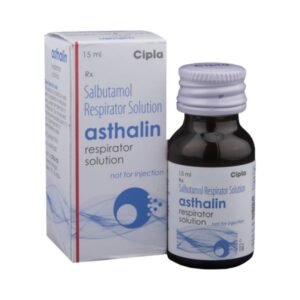
Asthalin Respirator Solution 15ml (Salbutamol)
$15.00 – $41.00Price range: $15.00 through $41.00 This product has multiple variants. The options may be chosen on the product page -
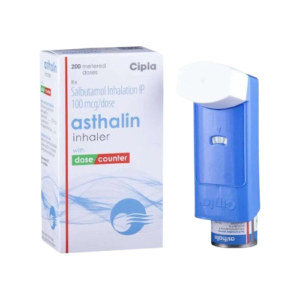
Asthalin (Salbutamol) Inhaler
$65.00 – $183.00Price range: $65.00 through $183.00 This product has multiple variants. The options may be chosen on the product page -
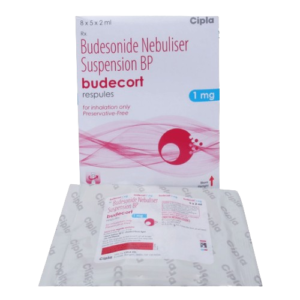
Budecort 1mg Respules 2ml
$52.00 – $150.00Price range: $52.00 through $150.00 This product has multiple variants. The options may be chosen on the product page -
Budecort 0.5mg Respules 2ml
$48.00 – $140.00Price range: $48.00 through $140.00 This product has multiple variants. The options may be chosen on the product page


Dr. Emily Carter specializes in evidence-based health education and wellness content. She focuses on simplifying complex medical topics related to cancer awareness, nutrition, preventive healthcare, skincare, and lifestyle wellness for readers worldwide.
This content is reviewed for medical accuracy, clarity, and alignment with current public health research. The article is intended for educational and informational purposes only and should not replace professional medical advice, diagnosis, or treatment.