Asthma is a chronic respiratory condition that causes inflammation and narrowing of the airways, making breathing difficult. While medications remain the primary treatment for asthma, many people wonder whether changing their diet can also help reduce symptoms. Following healthy eating recommendations can support overall wellness and may contribute to better asthma management.
The answer is yesβbut with important limitations. A healthy, balanced diet cannot cure asthma or replace prescribed medications. However, research suggests that certain nutrients and healthy eating patterns may help reduce inflammation, strengthen the immune system, maintain a healthy weight, and support overall lung function. These improvements may contribute to better asthma control and fewer symptom flare-ups for some individuals.
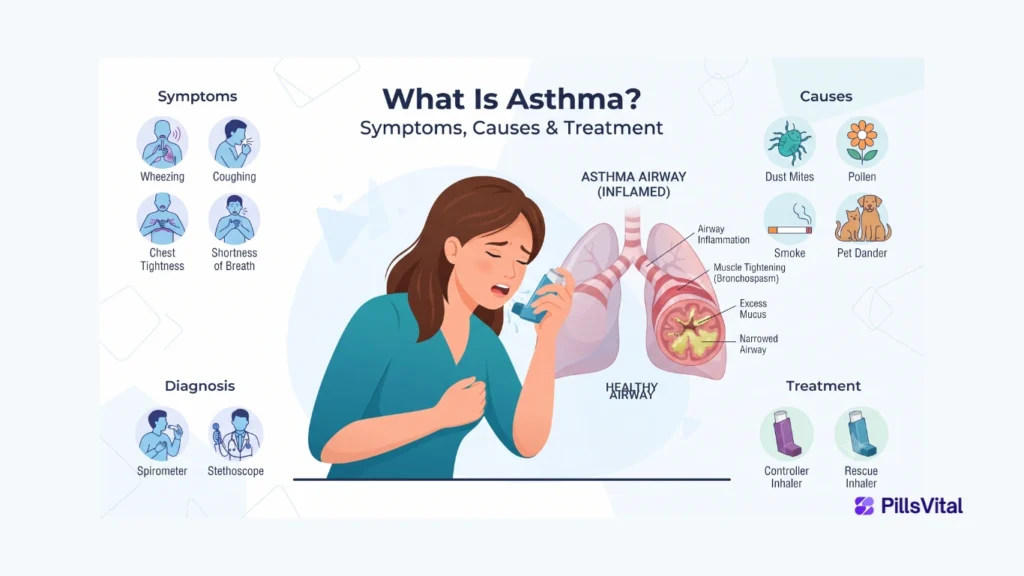
If you’re new to this condition, read our What Is Asthma? Symptoms, Causes & Treatment Guide to understand its causes, symptoms, diagnosis, and treatment options. This guide explains the relationship between nutrition and asthma, the best foods to include, foods that may trigger symptoms, and practical dietary tips for maintaining healthier lungs.
Does Diet Really Affect Asthma?
Your lungs constantly interact with your immune system. Since many asthma symptoms are caused by chronic airway inflammation, the foods you eat can influence how your body responds to inflammation. Learn more about Vitamin D fact sheet and its role in supporting immune function and overall health.
A nutrient-rich diet may help:
- Support a healthy immune response
- Reduce oxidative stress
- Lower chronic inflammation
- Improve lung function
- Maintain a healthy body weight
- Reduce the frequency of asthma attacks in some individuals
On the other hand, diets high in processed foods, added sugars, and unhealthy fats may increase inflammation and contribute to poorer asthma control. Along with nutrition, identifying and avoiding common triggers is essential. Read Asthma Triggers and How to Avoid Them to learn what may worsen your symptoms.
How Nutrition Supports Lung Health
Healthy foods provide vitamins, minerals, antioxidants, and healthy fats that help protect lung tissues from damage caused by pollutants, allergens, and inflammation.
Key nutritional benefits include:
- Protecting airway cells from oxidative stress
- Supporting normal immune function
- Helping muscles involved in breathing work efficiently
- Reducing chronic inflammation
- Supporting healthy gut bacteria that influence immune health
Best Foods That May Help Improve Asthma Symptoms
1. Fruits Rich in Vitamin C
Vitamin C acts as a powerful antioxidant that helps protect airway tissues from damage caused by inflammation.
Excellent choices include:
- Oranges
- Kiwi
- Strawberries
- Guava
- Papaya
- Pineapple
- Grapefruit
These fruits also provide hydration and fiber. Healthy eating works even better when combined with breathing techniques. Explore Best Breathing Exercises for Asthma to improve breathing control and support lung function.
2. Leafy Green Vegetables
Dark green vegetables contain vitamins A, C, E, folate, magnesium, and antioxidants.
Choose vegetables such as:
- Spinach
- Kale
- Swiss chard
- Broccoli
- Cabbage
- Mustard greens
These nutrients may help reduce oxidative stress associated with asthma.
3. Omega-3 Rich Fish
Omega-3 fatty acids possess natural anti-inflammatory properties.
Good sources include:
- Salmon
- Sardines
- Mackerel
- Tuna
- Herring
Aim for two servings of fatty fish each week if appropriate for your dietary needs.Β Read more about omega-3 fatty acids and their potential anti-inflammatory benefits.
4. Nuts and Seeds
Healthy fats and minerals may support lung health.
Healthy options include:
- Walnuts
- Almonds
- Flaxseeds
- Chia seeds
- Pumpkin seeds
These foods also provide magnesium, which helps musclesβincluding those involved in breathingβfunction normally.
5. Whole Grains
Whole grains contain fiber that supports gut health and may help reduce systemic inflammation.
Examples include:
- Oats
- Brown rice
- Quinoa
- Whole wheat
- Barley
6. Beans and Lentils
Legumes provide plant protein, fiber, iron, magnesium, and antioxidants.
Examples:
- Chickpeas
- Kidney beans
- Black beans
- Lentils
- Split peas
7. Yogurt and Fermented Foods
A healthy gut microbiome may play a role in regulating immune responses.
Include foods like:
- Plain yogurt
- Kefir
- Kimchi
- Sauerkraut
- Fermented vegetables
Choose products with little or no added sugar.
8. Garlic and Onions
Garlic and onions contain sulfur compounds and antioxidants that may support healthy inflammatory responses.
They also add flavor without requiring excess salt.
9. Olive Oil
Extra virgin olive oil is a key part of the Mediterranean diet and contains healthy monounsaturated fats along with antioxidant compounds.
It may help reduce chronic inflammation throughout the body.
10. Colorful Vegetables
Brightly colored vegetables provide carotenoids and antioxidants.
Include:
- Carrots
- Bell peppers
- Sweet potatoes
- Tomatoes
- Pumpkin
Important Nutrients for People with Asthma
| Nutrient | Benefits | Food Sources |
|---|---|---|
| Vitamin C | Antioxidant protection | Citrus fruits, berries |
| Vitamin D | Supports immune function | Fatty fish, fortified milk, sunlight |
| Magnesium | Helps muscle function | Nuts, seeds, leafy greens |
| Omega-3 fats | Anti-inflammatory | Salmon, sardines |
| Vitamin E | Protects cells | Almonds, sunflower seeds |
| Selenium | Antioxidant support | Brazil nuts, seafood |
| Fiber | Supports gut health | Fruits, vegetables, whole grains |
Can Weight Loss Improve Asthma?
Yes.
Research consistently shows that overweight and obesity can worsen asthma symptoms by increasing inflammation and placing additional pressure on the lungs. Maintaining a healthy weight can improve overall respiratory health. Learn more about healthy weight management.
Losing even 5β10% of body weight may help some people:
- Breathe more easily
- Improve lung function
- Reduce asthma symptoms
- Increase exercise tolerance
- Improve response to asthma medications
Weight loss should be gradual and achieved through healthy eating and regular physical activity.Β
Foods That May Trigger Asthma Symptoms
Not everyone has the same food triggers. However, some foods may worsen symptoms in sensitive individuals.
These include:
Highly Processed Foods
Examples:
- Fast food
- Chips
- Processed meats
- Frozen fried foods
These foods often contain unhealthy fats and excess sodium.
Sugary Drinks
Frequent consumption of sugary beverages may contribute to obesity and inflammation.
Examples:
- Soft drinks
- Energy drinks
- Sweetened fruit drinks
Artificial Preservatives
Some individuals are sensitive to preservatives such as sulfites.
Foods containing sulfites may include:
- Dried fruits
- Wine
- Bottled lemon juice
- Processed potatoes
Food Allergies
Certain foods can trigger allergic asthma.
Common allergens include:
- Milk
- Eggs
- Peanuts
- Tree nuts
- Soy
- Wheat
- Fish
- Shellfish
Avoid only foods confirmed by a healthcare professional or allergy testing. If you suspect a food allergy is triggering asthma symptoms, review information about food allergies from allergy specialists.
Excess Salt
High sodium intake may worsen airway responsiveness in some people.
Reduce consumption of:
- Packaged snacks
- Instant noodles
- Processed meats
- Fast food
The Mediterranean Diet and Asthma
Many experts recommend a Mediterranean-style eating pattern because it emphasizes:
- Fruits
- Vegetables
- Whole grains
- Fish
- Olive oil
- Nuts
- Beans
This diet naturally contains many anti-inflammatory nutrients that may support overall respiratory health. Research suggests that following a Mediterranean diet may help reduce inflammation and support overall respiratory health.
Sample One-Day Asthma-Friendly Meal Plan
Breakfast
- Oatmeal with blueberries
- Chia seeds
- Low-fat yogurt
Mid-Morning Snack
- Apple
- Handful of almonds
Lunch
- Grilled salmon
- Brown rice
- Steamed broccoli
- Mixed salad
Afternoon Snack
Carrot sticks with hummus
Dinner
- Lentil soup
- Whole-grain bread
- Spinach salad
- Olive oil dressing
Evening Snack
Kiwi or orange
Lifestyle Habits That Work Alongside a Healthy Diet
Nutrition works best when combined with healthy habits:
- Take asthma medications exactly as prescribed.
- Stay physically active.
- Maintain a healthy body weight.
- Drink enough water.
- Get adequate sleep.
- Avoid smoking and secondhand smoke.
- Reduce exposure to allergens when possible.
- Manage stress through relaxation techniques.
Common Myths About Diet and Asthma
Myth 1: Certain foods can cure asthma.
Fact: No food can cure asthma. Medications remain essential.
Myth 2: Everyone with asthma should avoid dairy.
Fact: Dairy only needs to be avoided if it causes allergy or symptoms in that individual.
Myth 3: Supplements are better than healthy food.
Fact: Whole foods provide a combination of nutrients that supplements cannot fully replace.
Myth 4: Eating spicy foods improves asthma.
Fact: Spicy foods may temporarily clear nasal passages but do not treat asthma.
When to Talk to Your Healthcare Provider
Consult your healthcare provider if you:
- Experience frequent asthma attacks
- Notice symptoms after eating certain foods
- Suspect a food allergy
- Want to lose weight safely
- Are considering dietary supplements
- Need help creating a nutrition plan
β FAQs
Can diet cure asthma?
No. A healthy diet can support overall lung health and may improve symptom control, but it cannot cure asthma.
Which fruit is best for asthma?
Vitamin C-rich fruits such as oranges, kiwi, strawberries, guava, and berries are nutritious choices that support overall health.
Is coffee good for asthma?
Caffeine may provide a mild, temporary improvement in airway function for some people, but it should never replace prescribed asthma medication.
Does drinking more water help asthma?
Staying hydrated supports overall health and may help keep mucus thinner, although water alone does not treat asthma.
Is milk bad for asthma?
Only if you have a confirmed milk allergy or dairy triggers your symptoms. Most people with asthma can consume dairy safely.
Are bananas good for asthma?
Bananas provide potassium and other nutrients and can be part of a healthy diet unless they trigger symptoms for a particular individual.
Key Takeaways
A healthy diet cannot replace asthma medications, but it can be an important part of an overall asthma management plan. Eating more fruits, vegetables, whole grains, healthy fats, and omega-3-rich foods while limiting highly processed foods and excess sugar may help reduce inflammation and support better lung function. Combined with regular exercise, maintaining a healthy weight, avoiding triggers, and following your prescribed treatment plan, good nutrition can contribute to improved quality of life for many people living with asthma. Always follow evidence-based asthma management guidelines and continue taking your prescribed medications as directed by your healthcare provider.
Related Health Resources
-

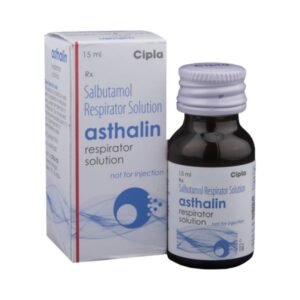
Asthalin Respirator Solution 15ml (Salbutamol)
$15.00 – $41.00Price range: $15.00 through $41.00 This product has multiple variants. The options may be chosen on the product page -
Asthalin (Salbutamol) Inhaler
$65.00 – $183.00Price range: $65.00 through $183.00 This product has multiple variants. The options may be chosen on the product page -
Budecort 1mg Respules 2ml
$52.00 – $150.00Price range: $52.00 through $150.00 This product has multiple variants. The options may be chosen on the product page -
Budecort 0.5mg Respules 2ml
$48.00 – $140.00Price range: $48.00 through $140.00 This product has multiple variants. The options may be chosen on the product page
β€οΈ Related Guides


Dr. Emily Carter specializes in evidence-based health education and wellness content. She focuses on simplifying complex medical topics related to cancer awareness, nutrition, preventive healthcare, skincare, and lifestyle wellness for readers worldwide.
This content is reviewed for medical accuracy, clarity, and alignment with current public health research. The article is intended for educational and informational purposes only and should not replace professional medical advice, diagnosis, or treatment.