
Can You Prevent Future Gout Attacks? Everything You Need to Know
Medically reviewed/updated: August 2026

If you’ve ever been woken up at 3 a.m. by a big toe that feels like it’s on fire, you already know that gout is not a condition you want to experience twice. The good news is that you can prevent future gout attacks in the vast majority of cases. Gout is one of the most well-understood forms of arthritis, and unlike many chronic conditions, it responds remarkably well to targeted diet and lifestyle changes — often alongside medication when needed. Several medical conditions increase the risk of developing gout or experiencing repeated attacks. Learn more about chronic diseases and how they can affect your long-term health.
In this guide, we’ll break down exactly how to stop gout from coming back, which foods to prevent gout attacks, how to lower uric acid naturally, and what long-term gout management actually looks like in real life.
What Causes Gout Attacks in the First Place?
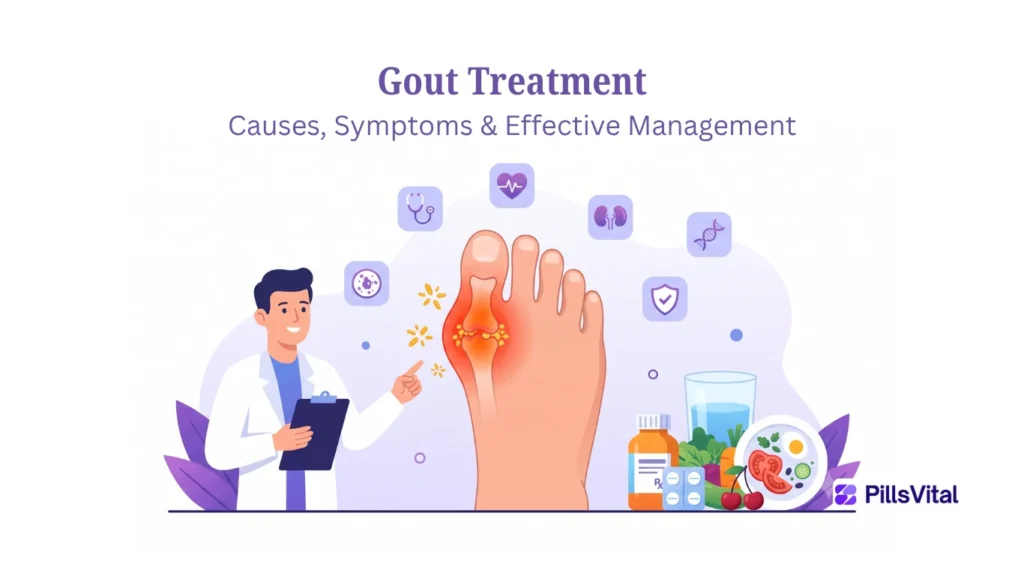
Before we talk about prevention, it helps to understand what triggers gout attacks. Gout develops when uric acid — a waste product created when your body breaks down purines (compounds found in certain foods and produced naturally by your cells) — builds up in the bloodstream. When uric acid levels stay too high for too long, sharp, needle-like urate crystals can form inside and around your joints, most commonly the big toe, ankle, or knee.
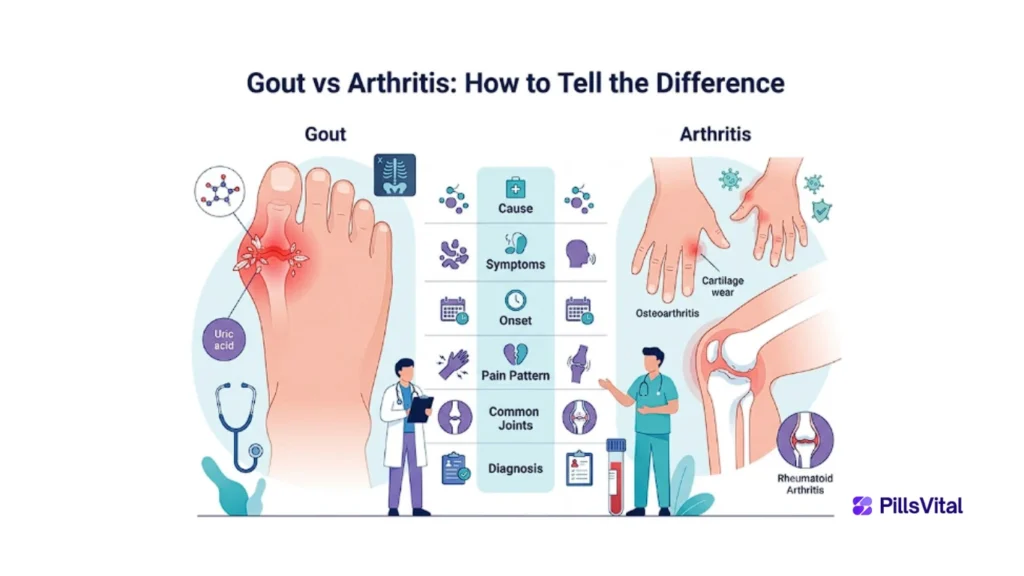
Your immune system reacts to these crystals as if they were an infection, triggering the intense joint inflammation, swelling, and pain that define a gout flare. This is why gout is often described as a “crystal-driven” inflammatory disease rather than simple wear-and-tear arthritis. Because gout causes sudden joint pain, swelling, and stiffness, it is sometimes mistaken for other forms of arthritis. Read our comparison of gout vs arthritis to understand the key differences.
Common gout triggers include:
- Diets high in red meat, organ meats, and shellfish
- Alcohol, especially beer and spirits
- Sugary drinks and foods high in fructose
- Dehydration
- Rapid weight loss or crash dieting
- Certain medications (like some diuretics)
- Being overweight
- Kidney problems that reduce uric acid excretion
Because most of these triggers are modifiable, gout prevention is largely within your control.
So, Can Gout Be Prevented Permanently?
This is the question most people really want answered: can gout be prevented permanently? The honest answer is nuanced. Gout itself is a chronic metabolic condition — meaning your tendency toward high uric acid doesn’t disappear entirely, especially if it’s genetic. However, attacks can absolutely be prevented, sometimes indefinitely, if uric acid levels are kept consistently within a healthy range (generally below 6 mg/dL for most people with gout. The American College of Rheumatology gout guidelines recommend maintaining target uric acid levels as part of long-term gout management.
Think of it less like curing an infection and more like managing high blood pressure or high cholesterol. With the right combination of diet, hydration, weight management, and — when necessary — medication, many people go years or even decades without another flare.
How to Prevent Gout Attacks: The Core Strategies
1. Focus on a Low-Purine, Gout-Friendly Diet
The single most talked-about factor in preventing gout is diet. Purines break down into uric acid, so the best diet to prevent gout emphasizes low-purine foods while limiting high-purine triggers.
Foods to prevent gout attacks (generally safe, low-purine options):
- Low-fat dairy products (linked to lower uric acid levels)
- Whole grains and complex carbohydrates
- Most fruits, especially cherries and citrus
- Vegetables (even purine-containing ones like spinach and mushrooms appear to carry lower gout risk than animal purines)
- Plant-based proteins like lentils, tofu, and beans in moderation
- Coffee, in moderate amounts, which some studies associate with lower uric acid
Foods to limit or avoid:
- Organ meats (liver, kidney)
- Red meat and processed meat
- Shellfish, especially anchovies, sardines, and mussels
- High-fructose corn syrup and sugary sodas
- Beer and hard liquor
Interestingly, cherries and cherry juice have gained a lot of attention for gout prevention. Some research suggests anthocyanins in cherries may help reduce inflammation and lower the frequency of flares, making them a popular natural addition to a gout-conscious diet.
2. Hydration and Gout: An Underrated Connection
The link between hydration and gout doesn’t get nearly enough attention. Water helps your kidneys flush excess uric acid out of your system efficiently. You can also review Kidney health and hydration resources for practical advice on staying properly hydrated and supporting kidney function. When you’re dehydrated, uric acid becomes more concentrated in the blood, increasing the risk of crystal formation.
A simple, practical target is 8–12 glasses of water daily, more if you exercise heavily, live in a hot climate, or drink alcohol or caffeine regularly (both of which are mildly dehydrating). Staying consistently hydrated is one of the easiest and most overlooked ways to keep uric acid low.
3. Maintain a Healthy Weight — Carefully
Excess body weight is strongly linked to higher uric acid levels and more frequent gout flares, largely because fat tissue increases uric acid production while reducing the kidneys’ ability to excrete it. Losing weight can meaningfully lower your risk. The Healthy weight recommendations from the CDC offer evidence-based strategies for achieving gradual, sustainable weight loss.
However, there’s an important caveat: rapid or extreme weight loss (crash diets, prolonged fasting, or very low-carb ketogenic diets) can actually trigger a gout attack. This happens because fast fat breakdown temporarily raises uric acid levels. The safest approach is gradual, sustainable weight loss of about 1–2 pounds per week through consistent diet and exercise changes.
4. Limit Alcohol, Especially Beer
Alcohol affects gout in two ways: it increases uric acid production and reduces the kidneys’ ability to remove it. Beer is particularly problematic because it also contains purines from the brewing process, making it a double risk factor. If you drink, moderation is key, and reducing or eliminating beer specifically tends to have the biggest impact on gout flare prevention.
5. Rethink Sugary Drinks
Fructose — found in sodas, fruit juices with added sugar, and many processed snacks — is metabolized in a way that directly increases uric acid production. Multiple studies have linked high fructose intake to significantly increased gout risk. Cutting back on sugary drinks is one of the more actionable, high-impact lifestyle changes for gout you can make.
Lifestyle Changes for Gout That Go Beyond Diet
While food and drink get the most attention, preventing gout involves your whole lifestyle, not just your plate.
- Exercise regularly, but avoid overexertion during flares. Low-impact activities like walking, swimming, and cycling support healthy weight and circulation without stressing joints.
- Manage related health conditions. High blood pressure, diabetes, and kidney disease are all closely tied to elevated uric acid. Managing these conditions with your doctor supports gout prevention too.
- Review your medications. Some diuretics and other drugs can raise uric acid levels. Never stop a prescribed medication without talking to your doctor, but it’s worth asking if alternatives exist if you’re prone to gout.
- Reduce stress where possible. Chronic stress can contribute to inflammation and unhealthy coping habits (like poor diet or alcohol use) that indirectly raise gout risk.
How to Stop Gout From Coming Back After Your First Attack
If you’ve just had your first flare, you’re in a great position to prevent recurrence early. Preventing gout after a first attack often comes down to:
- Getting a uric acid blood test to establish your baseline.
- Talking to your doctor about whether urate-lowering medication is appropriate, especially if you’ve had more than one attack, have visible tophi (uric acid deposits), or have kidney involvement. For additional patient-friendly information, see the Gout treatment overview provided by MedlinePlus.
- Making the dietary and hydration changes outlined above immediately, rather than waiting for a second flare.
- Tracking your triggers. Many people find keeping a simple food and symptom diary helps identify personal patterns — some people react strongly to shellfish, others to alcohol, others to red meat.
Catching gout early and making changes after the first episode significantly reduces the odds of it becoming a recurring, long-term problem.
When Diet and Lifestyle Aren't Enough: Medication for Gout Prevention
For some people, especially those with genetically high uric acid production, diet and lifestyle changes alone won’t fully prevent recurrent gout. This doesn’t mean you’ve failed — it simply means your body needs additional support.
Common medical options include:
- Urate-lowering therapies (such as allopurinol or febuxostat), which reduce uric acid production
- Uricosuric drugs, which help the kidneys excrete more uric acid
- Low-dose anti-inflammatory medication during the early months of starting urate-lowering therapy, since uric acid shifts can temporarily trigger flares
If you’ve had multiple attacks despite lifestyle changes, it’s worth discussing long-term gout management with a rheumatologist or your primary care physician. Many people successfully combine medication with diet and hydration strategies for the best long-term results. The NIAMS gout information resource provides additional guidance on diagnosis, treatment options, and long-term disease management.
Long-Term Gout Management: What Success Looks Like
Successful, sustainable gout self-care isn’t about perfection — it’s about consistency. A realistic long-term approach typically includes:
- Regular uric acid monitoring, especially in the first year after diagnosis
- A consistently low-purine, hydration-focused diet (not a rigid, restrictive one)
- Steady, moderate exercise
- Limited alcohol and sugary drink intake
- Ongoing communication with your doctor about medication needs
- Awareness of personal triggers based on your own flare history
Many people who commit to these habits go on to live flare-free for years. Gout recurrence prevention is a marathon, not a sprint, but the payoff — never experiencing that 3 a.m. toe pain again — makes it well worth the effort.
❓ FAQs
Can gout be prevented permanently?
Attacks can often be prevented long-term — sometimes for years or decades — by keeping uric acid consistently below 6 mg/dL through diet, hydration, weight management, and medication when needed. The underlying tendency toward high uric acid may remain, but flares themselves are highly preventable.
How do you stop gout from coming back after the first attack?
Get a uric acid blood test, start low-purine and hydration-focused habits right away, track your personal triggers, and talk to your doctor about whether urate-lowering medication makes sense, especially if you’ve had more than one flare.
What foods trigger gout attacks the most?
Organ meats, red meat, shellfish, beer, hard liquor, and high-fructose foods and drinks are the most common triggers because they either raise uric acid production or reduce the body’s ability to clear it.
Does drinking more water actually help prevent gout?
Yes. Proper hydration helps your kidneys flush excess uric acid more efficiently, reducing the concentration of uric acid in your blood and lowering the risk of crystal formation in your joints.
Can you lower uric acid naturally without medication?
Many people significantly reduce flare frequency through diet, hydration, weight management, and alcohol reduction alone. However, those with genetically high uric acid production often need urate-lowering medication alongside lifestyle changes for full control.
Final Thoughts
So, can you prevent future gout attacks? For most people, yes — through a combination of smart dietary choices, proper hydration, healthy weight management, and, when needed, medication. Gout is highly manageable once you understand your personal triggers and commit to consistent habits rather than short-term fixes.
If you’ve had a gout attack before, don’t wait for the next one to take action. Small, sustainable changes today can mean years of pain-free joints tomorrow.
Related Health Resources
-
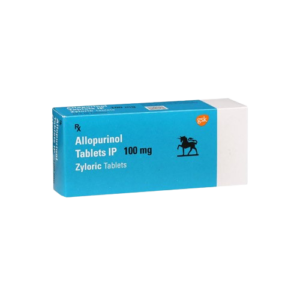
Allopurinol 100mg (Zyloric) Tablets
$34.00 – $98.00Price range: $34.00 through $98.00 This product has multiple variants. The options may be chosen on the product page -
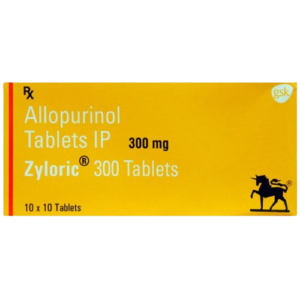
Allopurinol 300mg (Zyloric) Tablets
$38.00 – $774.00Price range: $38.00 through $774.00 This product has multiple variants. The options may be chosen on the product page
❤️ Related Guides


Dr. Emily Carter specializes in evidence-based health education and wellness content. She focuses on simplifying complex medical topics related to cancer awareness, nutrition, preventive healthcare, skincare, and lifestyle wellness for readers worldwide.
This content is reviewed for medical accuracy, clarity, and alignment with current public health research. The article is intended for educational and informational purposes only and should not replace professional medical advice, diagnosis, or treatment.