
What Is Gout? Causes, Symptoms & Treatment: A Complete Guide to Managing Gout Naturally and Medically (2026)
Medically reviewed/updated: August 2026

What Is Gout?
Gout is a form of inflammatory arthritis that develops when uric acid levels become too high in the bloodstream, allowing sharp urate crystals to accumulate inside joints. These tiny crystals trigger sudden episodes of severe pain, swelling, redness, and warmth that may last several days. Gout is one of many long-term conditions that can affect joint health. To understand how it fits into other ongoing health conditions, read our What Are Chronic Diseases? Types, Causes, Symptoms & Prevention guide.
Unlike general joint pain that develops gradually, gout attacks often appear unexpectedly—frequently during the night—and can become so painful that even light pressure from a bedsheet feels unbearable.
Although gout most commonly affects the big toe, it can also involve the ankles, knees, wrists, elbows, fingers, and feet.
The encouraging news is that gout is one of the most manageable forms of arthritis when diagnosed early, treated appropriately, and supported with healthy lifestyle habits. For additional patient information about gout, visit the Centers for Disease Control and Prevention (CDC) gout information.
Why Does Gout Develop?
Your body naturally produces uric acid while breaking down substances called purines, which are present in both your body and many foods.
Normally:
- Uric acid dissolves in blood.
- Kidneys filter it.
- Excess leaves through urine.
Problems occur when either:
- the body produces too much uric acid, or
- the kidneys cannot remove enough.
This causes uric acid crystals to settle inside joints, leading to inflammation.
How Gout Progresses
| Stage | What Happens |
|---|---|
| High uric acid | No symptoms yet |
| Crystal formation | Crystals begin collecting |
| Acute attack | Sudden severe pain develops |
| Repeated attacks | More frequent flare-ups |
| Chronic gout | Permanent joint damage may occur |
Common Causes of Gout
Gout usually develops because the body either produces too much uric acid or cannot remove enough of it through the kidneys. Over time, excess uric acid forms sharp crystals that settle in the joints, causing painful inflammation. In many cases, several risk factors work together rather than a single cause. Understanding these causes can help reduce the risk of gout attacks and improve long-term joint health.
1. High-Purine Diet
One of the most common causes of gout is eating a diet high in purines. Purines are natural compounds found in many foods and are also produced by the body. During digestion, purines break down into uric acid. When purine intake is consistently high, uric acid levels can rise faster than the kidneys can eliminate it.
Although not everyone who eats high-purine foods develops gout, people with a family history of gout or reduced kidney function may be more susceptible.
Foods High in Purines
- Organ meats such as liver, kidneys, and sweetbreads
- Red meats including beef, lamb, and pork
- Processed meats like bacon and sausages
- Shellfish such as shrimp, crab, lobster, and mussels
- Oily fish including sardines, anchovies, mackerel, and herring
- Meat-based gravies and broths
- Yeast extracts
Tip: Instead of avoiding these foods completely, many people benefit from limiting portion sizes and eating them less frequently while choosing lean proteins like chicken, eggs, or plant-based protein sources. A healthy eating pattern can help reduce the risk of gout flare-ups. Learn more in our Best Foods That Help Prevent Chronic Diseases Naturally guide.
2. Excess Alcohol Consumption
Drinking alcohol, particularly beer and distilled spirits, is a well-known trigger for gout attacks. Alcohol affects the body’s ability to regulate uric acid in two important ways.
First, it increases the production of uric acid during metabolism. Second, it reduces the kidneys’ ability to remove uric acid efficiently. This combination can quickly raise blood uric acid levels and trigger crystal formation in the joints.
Beer contains additional purines from brewer’s yeast, making it especially problematic for people with gout.
Alcoholic Beverages Most Likely to Increase Risk
- Beer
- Whiskey
- Vodka
- Rum
- Gin
- Brandy
Some studies suggest moderate wine consumption may have a lower impact than beer or spirits, but alcohol should still be consumed cautiously by people with gout.
3. Sugary Drinks and High-Fructose Foods
Frequent consumption of sugary beverages is another major contributor to elevated uric acid levels. Drinks sweetened with high-fructose corn syrup or large amounts of sugar stimulate the liver to produce more uric acid.
Unlike natural sugars found in whole fruits, added fructose is rapidly metabolized, increasing the risk of hyperuricemia (high uric acid levels).
Drinks That May Increase Gout Risk
- Soft drinks
- Energy drinks
- Sweetened fruit juices
- Sports drinks with added sugar
- Sweetened iced tea
- Flavored coffee drinks with syrups
Replacing sugary drinks with water, sparkling water, or unsweetened beverages can help lower the risk of gout flare-ups.
4. Obesity and Excess Body Weight
People who are overweight or obese have a significantly higher risk of developing gout. Excess body fat causes the body to produce more uric acid and also makes it harder for the kidneys to remove it effectively.
Obesity is also closely linked with conditions such as high blood pressure, insulin resistance, and type 2 diabetes, all of which can contribute to higher uric acid levels. People with diabetes often have a higher risk of elevated uric acid. Read Type 2 Diabetes: Symptoms, Causes & Management to understand this connection.
Why Obesity Increases Gout Risk
- Greater uric acid production
- Reduced kidney efficiency
- Increased inflammation throughout the body
- Higher likelihood of metabolic syndrome
Gradual weight loss through a balanced diet and regular physical activity may help lower uric acid levels and reduce the frequency of gout attacks. However, rapid weight-loss diets or prolonged fasting should be avoided because they can temporarily increase uric acid levels. Maintaining a healthy weight is important because obesity increases inflammation and uric acid levels. Learn more in How Obesity Increases the Risk of Chronic Diseases.
5. Kidney Disease
Healthy kidneys filter excess uric acid from the bloodstream and remove it through urine. When kidney function declines, uric acid remains in the blood and gradually accumulates.
People with chronic kidney disease are therefore at a much higher risk of developing gout, even if they follow a healthy diet.
Kidney disease may reduce uric acid removal because of:
- Chronic kidney disease (CKD)
- Reduced kidney filtration
- Kidney damage from diabetes or hypertension
- Certain kidney disorders
Managing kidney health is an important part of long-term gout prevention. Reduced kidney function makes it harder for the body to remove uric acid. Read our Chronic Kidney Disease: Symptoms, Causes & Treatment guide to learn more.
6. Genetics and Family History
Genetics play an important role in determining how efficiently your body processes uric acid. If one or more close family members have gout, your own risk is higher.
Researchers have identified several genes involved in uric acid transport through the kidneys. Some inherited variations reduce the body’s ability to remove uric acid efficiently, increasing the likelihood of crystal formation.
Although genetics cannot be changed, maintaining a healthy lifestyle can help reduce the impact of inherited risk.
You may have a higher genetic risk if:
- A parent has gout
- A sibling has gout
- Multiple family members have high uric acid levels
- You developed gout at a younger age than expected
7. Certain Medications
Some medications can increase uric acid levels or reduce the kidneys’ ability to remove it, making gout more likely. Never stop taking prescribed medication without consulting your healthcare provider, as the benefits of treatment may outweigh the risk of gout.
Medicines Associated with Gout Risk
- Diuretics (water pills) used to treat high blood pressure or heart failure
- Low-dose aspirin taken for cardiovascular protection
- Certain immunosuppressant medicines used after organ transplantation
- Cyclosporine
- Tacrolimus
- Some chemotherapy medicines
- Certain tuberculosis medications
If you develop gout while taking one of these medicines, your healthcare provider may recommend adjusting your treatment plan or prescribing medication to help control uric acid levels.
8. Other Medical Conditions
Several chronic health conditions are associated with an increased risk of gout because they affect how the body processes uric acid.
These include:
- Type 2 diabetes
- High blood pressure (hypertension)
- High cholesterol
- Metabolic syndrome
- Heart disease
- Psoriasis
- Chronic kidney disease
Managing these conditions effectively may help reduce gout risk and improve overall health.
9. Dehydration
Not drinking enough water can make uric acid more concentrated in the bloodstream, increasing the chance of crystal formation.
Common causes of dehydration include:
- Hot weather
- Heavy exercise without adequate fluid replacement
- Fever
- Vomiting or diarrhea
- Excessive alcohol intake
Staying well hydrated supports normal kidney function and helps the body eliminate excess uric acid.
10. Age and Gender
Although gout can affect anyone, it is more common in certain groups.
- Men are more likely to develop gout between the ages of 30 and 50.
- Women’s risk increases after menopause as estrogen levels decline, reducing the body’s ability to remove uric acid.
- Older adults often have a higher risk because kidney function naturally decreases with age and chronic health conditions become more common.
Who Has a Higher Risk?
Risk increases in people who:
- Are over 40
- Have obesity
- Have diabetes
- Have hypertension
- Have kidney disease
- Have metabolic syndrome
- Drink alcohol regularly
- Eat large amounts of red meat
- Have family members with gout
Symptoms of Gout
Gout symptoms often appear suddenly and without warning, usually during the night or early morning. A gout attack, also called a gout flare, occurs when sharp uric acid crystals accumulate in a joint, triggering intense inflammation. The first attack commonly affects the big toe, but other joints such as the ankles, knees, feet, wrists, elbows, and fingers can also be involved. More information about gout symptoms and diagnosis is available from the National Institute of Arthritis and Musculoskeletal and Skin Diseases (NIAMS).
Symptoms can develop within a few hours, become extremely painful, and gradually improve over several days or weeks with appropriate treatment. Recognizing the early signs of gout can help you seek medical care promptly and reduce the risk of long-term joint damage.
1. Severe Joint Pain
The hallmark symptom of gout is sudden, intense joint pain that often reaches its worst within 12 to 24 hours after the attack begins. Many people wake up in the middle of the night because of the pain, even though they felt completely normal before going to bed.
The pain is usually so severe that even the lightest touch—such as a bedsheet resting on the affected joint—can feel unbearable. During the first attack, the big toe (known as podagra) is affected in many cases, but gout can also occur in the ankles, knees, wrists, elbows, and fingers.
Characteristics of Gout Pain
- Sudden onset, often during the night
- Extremely sharp, throbbing, or burning pain
- Pain peaks within 12–24 hours
- Usually affects one joint initially
- Makes standing, walking, or using the joint difficult
- May last several days if untreated
2. Swelling Around the Joint
Inflammation caused by uric acid crystals leads to noticeable swelling in and around the affected joint. The body’s immune system reacts to the crystals, causing fluid to accumulate in the surrounding tissues.
As swelling increases, the joint may appear larger than normal and become very tender. Even slight pressure or movement can increase discomfort.
Signs of Swelling
- Enlarged joint
- Puffiness around the affected area
- Tight or stretched skin
- Tenderness when touched
- Difficulty wearing shoes, gloves, or jewelry if the hands or feet are affected
Swelling often develops within a few hours after the pain begins and gradually decreases as the inflammation improves.
3. Redness and Skin Discoloration
During a gout attack, the skin over the affected joint often becomes red, dark pink, or purplish because of increased blood flow caused by inflammation.
The skin may appear shiny and stretched, making the joint look visibly inflamed. In people with darker skin tones, the affected area may look darker than the surrounding skin rather than bright red.
Common Skin Changes
- Bright red or purplish appearance
- Shiny or tight skin
- Increased sensitivity to touch
- Visible inflammation around the joint
Redness usually improves as the gout flare subsides.
4. Warmth Around the Joint
Another common symptom is a noticeable feeling of heat in the affected joint. The inflamed area often feels much warmer than nearby skin because of increased blood circulation during the body’s inflammatory response.
This warmth may be accompanied by redness, swelling, and severe pain.
You May Notice
- The joint feels hot when touched
- Warmth extends to nearby tissues
- Increased discomfort when wearing socks, shoes, or tight clothing
- Heat persists throughout the acute attack
5. Limited Joint Movement
As pain and swelling worsen, moving the affected joint becomes increasingly difficult. People often avoid using the joint because even small movements can trigger severe pain.
For example, gout affecting the foot or ankle may make walking nearly impossible, while gout in the hand or wrist can interfere with everyday activities such as writing, typing, or gripping objects.
Movement Problems Include
- Difficulty walking
- Reduced flexibility
- Pain when bending or straightening the joint
- Trouble climbing stairs
- Difficulty performing daily tasks
Most people regain normal movement after the inflammation resolves, although repeated attacks may eventually cause permanent stiffness.
6. Lingering Discomfort After the Attack
Although the most intense pain usually improves within a few days, many people continue to experience mild soreness, tenderness, or stiffness for several days or even weeks afterward.
This lingering discomfort occurs because the inflammation takes time to completely resolve, even after the uric acid crystals begin to dissolve.
Residual Symptoms May Include
- Mild aching
- Joint stiffness
- Sensitivity when pressure is applied
- Slight swelling
- Temporary weakness in the affected joint
Following your healthcare provider’s treatment plan can help shorten recovery and reduce the chance of another attack.
7. Recurrent Gout Attacks
Without proper treatment, gout attacks often become more frequent over time. While the first flare may occur only once every few years, untreated gout can progress to attacks every few months or even several times a year.
Repeated episodes may also affect multiple joints instead of just one.
Signs of Recurrent Gout
- More frequent flare-ups
- Longer-lasting attacks
- Multiple joints becoming affected
- Symptoms becoming increasingly severe
- Shorter pain-free periods between attacks
Long-term management aimed at lowering uric acid levels can help reduce the frequency of future attacks.
8. Tophi (Advanced Gout)
People with untreated gout for many years may develop tophi, which are firm lumps made of uric acid crystals that collect beneath the skin.
Tophi usually develop around:
- Fingers
- Toes
- Elbows
- Knees
- Ears
- Achilles tendon
Although tophi are not always painful, they can damage joints, limit movement, and occasionally become infected or break through the skin.
9. Kidney-Related Symptoms
High uric acid levels can also affect the kidneys. Some people with gout develop kidney stones, which may cause:
- Severe pain in the back or side
- Blood in the urine
- Pain during urination
- Frequent urge to urinate
- Nausea or vomiting
If these symptoms occur, prompt medical evaluation is important.
When Should You See a Healthcare Professional?
Seek medical care promptly if you experience:
- Sudden, severe joint pain that develops within hours
- A swollen, red, and warm joint
- Fever along with joint pain, as this could indicate a joint infection
- Repeated gout attacks
- Persistent joint pain or swelling despite treatment
- Visible lumps (tophi) around joints
- Symptoms of kidney stones, such as severe flank pain or blood in the urine
Early diagnosis and treatment can help relieve pain, prevent future flare-ups, and reduce the risk of permanent joint damage.
Which Joints Are Most Commonly Affected?
| Joint | Frequency |
|---|---|
| Big toe | Very common |
| Ankle | Common |
| Knee | Common |
| Foot | Common |
| Wrist | Less common |
| Fingers | Less common |
| Elbow | Less common |
What Can Trigger a Gout Attack?
Several situations may trigger a flare-up.
These include:
- Heavy alcohol intake
- Dehydration
- Large meat meals
- Illness
- Surgery
- Emotional stress
- Rapid weight loss
- Missing prescribed medication
Foods That May Increase Gout Risk
Avoid frequent consumption of:
- Liver
- Kidney
- Bacon
- Lamb
- Beef
- Sardines
- Anchovies
- Mussels
- Beer
- Sugary soft drinks
Foods That May Help Support Healthy Uric Acid Levels
Choose more:
- Cherries
- Citrus fruits
- Whole grains
- Low-fat yogurt
- Vegetables
- Nuts
- Beans
- Oats
- Water
- Coffee (moderately, if appropriate)
Healthy dietary recommendations for people with gout can also be found through the Arthritis Foundation nutrition recommendations.
How Is Gout Diagnosed?
Healthcare providers may use:
- Medical history
- Physical examination
- Blood uric acid testing
- Joint fluid analysis
- Ultrasound
- Dual-energy CT scan (in selected cases)
A diagnosis should not rely only on blood uric acid because levels can be normal during an acute attack.
Gout Treatment Options
The primary goals of gout treatment are to relieve pain during an acute gout attack, reduce inflammation, lower uric acid levels, and prevent future flare-ups and joint damage. The treatment approach depends on the severity of your symptoms, how often attacks occur, your uric acid levels, kidney function, and whether complications such as tophi or kidney stones are present.
Many people require a combination of medication, healthy lifestyle changes, and regular follow-up with a healthcare professional to manage gout effectively.
Treatment During an Acute Gout Attack
An acute gout attack requires prompt treatment to reduce pain and inflammation as quickly as possible. Starting treatment within the first 24 hours of symptom onset often provides the best relief.
The choice of medication depends on your medical history, kidney function, stomach health, and other conditions. Healthcare professionals often follow evidence-based recommendations such as the American College of Rheumatology gout guidelines when managing gout.
1. Nonsteroidal Anti-Inflammatory Drugs (NSAIDs)
NSAIDs are commonly used as a first-line treatment for acute gout attacks because they help reduce inflammation, swelling, and pain.
These medications work by blocking chemicals in the body that contribute to inflammation around the affected joint.
Examples of NSAIDs include:
- Ibuprofen
- Naproxen
- Indomethacin
- Diclofenac
- Celecoxib (for selected patients)
Benefits
- Rapid pain relief
- Reduces swelling and redness
- Improves joint movement
- Often effective when started early
Possible Side Effects
NSAIDs may not be suitable for everyone, especially people with:
- Kidney disease
- Stomach ulcers
- Gastrointestinal bleeding
- Heart failure
- Poorly controlled high blood pressure
Possible side effects include:
- Stomach irritation
- Heartburn
- Increased blood pressure
- Kidney problems
- Increased risk of bleeding
NSAIDs should always be taken according to a healthcare professional’s instructions.
2. Colchicine
Colchicine is another commonly prescribed medication for treating acute gout attacks. It works differently from NSAIDs by reducing the inflammatory response triggered by uric acid crystals.
Colchicine is generally most effective when started within 12–24 hours after symptoms begin.
Benefits
- Helps reduce inflammation
- Can shorten the duration of a gout flare
- Useful for people who cannot take NSAIDs
- Sometimes prescribed in low doses to help prevent gout attacks when starting uric acid–lowering therapy
Possible Side Effects
Although effective, colchicine may cause:
- Nausea
- Vomiting
- Diarrhea
- Stomach cramps
The risk of side effects increases with higher doses or in people with kidney or liver disease. Dose adjustments may be needed in these situations.
3. Corticosteroids
When NSAIDs or colchicine are not appropriate or have not provided adequate relief, healthcare professionals may prescribe corticosteroids.
These medicines are powerful anti-inflammatory drugs that rapidly reduce swelling and pain.
Corticosteroids may be given as:
- Oral tablets
- Injections directly into the affected joint
- Intramuscular injections
Benefits
- Quickly reduces inflammation
- Effective for severe gout attacks
- Suitable for some people who cannot use NSAIDs
Possible Side Effects
Short-term treatment is generally well tolerated, but possible side effects include:
- Increased blood sugar levels
- Mood changes
- Increased appetite
- Difficulty sleeping
- Temporary increase in blood pressure
Repeated or prolonged corticosteroid use requires careful medical supervision.
Rest and Self-Care During a Gout Attack
Medication works best when combined with simple self-care measures.
During an acute flare, it may help to:
- Rest the affected joint.
- Elevate the affected limb to reduce swelling.
- Apply a cold pack wrapped in a cloth for 15–20 minutes several times a day.
- Drink plenty of water unless you have been advised to restrict fluids.
- Avoid alcohol until symptoms have resolved.
- Limit high-purine foods during recovery.
These measures can improve comfort while prescribed medications take effect.
Long-Term Uric Acid–Lowering Therapy
People who experience recurrent gout attacks, have tophi, kidney stones, joint damage, or persistently elevated uric acid levels may benefit from long-term medication to lower uric acid.
The goal of long-term therapy is not to treat pain during an attack but to prevent future attacks by reducing uric acid levels.
Healthcare providers often aim for a serum uric acid level below 6 mg/dL (360 µmol/L), or lower in people with severe gout.
Xanthine Oxidase Inhibitors
These medicines reduce the amount of uric acid produced by the body by blocking the enzyme xanthine oxidase, which is involved in uric acid formation.
Commonly prescribed medications include:
- Allopurinol
- Febuxostat
Benefits
- Lowers uric acid levels
- Reduces future gout attacks
- Helps shrink tophi over time
- May reduce the risk of kidney stones related to uric acid
Important Considerations
- Treatment is usually started at a low dose and gradually increased.
- Blood tests may be needed to monitor uric acid levels and kidney function.
- Stopping treatment without medical advice can increase the risk of flare-ups.
Some people may experience a gout flare shortly after starting therapy because existing uric acid crystals begin dissolving. Healthcare professionals may prescribe low-dose colchicine or an NSAID temporarily to reduce this risk.
Uricosuric Medications
Uricosuric medicines help the kidneys remove more uric acid through urine.
These medications may be considered for people who continue to have high uric acid levels despite other treatments or who cannot tolerate certain medicines.
Examples include:
- Probenecid (where appropriate)
- Other uricosuric agents depending on local availability and clinical circumstances
Benefits
- Increases uric acid elimination
- Helps prevent future crystal formation
- Can reduce the frequency of gout attacks
Considerations
These medicines may not be suitable for people with:
- Moderate to severe kidney disease
- A history of frequent kidney stones
- Poor kidney function
Your healthcare provider will determine whether this treatment is appropriate based on your medical history.
2. Colchicine
Colchicine is another commonly prescribed medication for treating acute gout attacks. It works differently from NSAIDs by reducing the inflammatory response triggered by uric acid crystals.
Colchicine is generally most effective when started within 12–24 hours after symptoms begin.
Benefits
- Helps reduce inflammation
- Can shorten the duration of a gout flare
- Useful for people who cannot take NSAIDs
- Sometimes prescribed in low doses to help prevent gout attacks when starting uric acid–lowering therapy
Possible Side Effects
Although effective, colchicine may cause:
- Nausea
- Vomiting
- Diarrhea
- Stomach cramps
The risk of side effects increases with higher doses or in people with kidney or liver disease. Dose adjustments may be needed in these situations.
Monitoring During Long-Term Treatment
Successful gout management requires regular follow-up.
Your healthcare provider may recommend periodic:
- Blood uric acid tests
- Kidney function tests
- Liver function tests (for certain medications)
- Assessment of gout symptoms
- Medication reviews
Regular monitoring helps ensure treatment remains effective while minimizing the risk of side effects.
Lifestyle Changes That Support Gout Treatment
Medication is most effective when combined with healthy lifestyle habits.
Healthcare professionals often recommend:
- Drinking plenty of water each day.
- Maintaining a healthy body weight.
- Limiting alcohol, especially beer and spirits.
- Reducing sugary drinks and foods high in added fructose.
- Limiting high-purine foods such as organ meats and certain seafood.
- Eating more vegetables, whole grains, low-fat dairy products, and fruits.
- Exercising regularly according to your ability.
- Managing conditions such as diabetes, high blood pressure, high cholesterol, and chronic kidney disease.
- Taking medications exactly as prescribed.
Lifestyle changes alone may not be enough for people with recurrent gout, but they play an important role in reducing flare-ups and improving overall health.
Can Gout Be Controlled?
Yes. Although gout is a chronic condition, it can usually be managed successfully with the right combination of medication, lifestyle changes, and regular medical follow-up. Many people who maintain healthy uric acid levels experience fewer flare-ups, improved joint function, and a lower risk of long-term complications such as tophi, joint damage, and kidney stones.
Can Gout Be Prevented?
While genetics cannot be changed, many risk factors can be managed.
Healthy habits that may help lower the risk of gout or future flare-ups include:
- Staying hydrated.
- Maintaining a healthy weight.
- Limiting high-purine foods.
- Reducing alcohol intake.
- Managing diabetes, blood pressure, and kidney disease.
- Following treatment plans if you have elevated uric acid.
When Should You Seek Medical Care?
Prompt medical evaluation is recommended if you experience:
- A first episode of sudden, severe joint pain.
- Fever along with a swollen joint (to rule out joint infection).
- Recurrent gout attacks.
- Joint symptoms that do not improve with treatment.
- Visible lumps around joints (possible tophi).
- Signs of kidney stones, such as severe flank pain or blood in the urine.
❓ FAQs
Is gout the same as arthritis?
Gout is a specific type of inflammatory arthritis caused by urate crystal deposits in joints.
Can gout be cured?
Gout can often be controlled effectively with appropriate treatment and lifestyle changes, but it usually requires ongoing management.
Is walking good during a gout attack?
Resting the affected joint during an acute attack is generally recommended. Gentle activity can usually be resumed as symptoms improve.
Can drinking water help?
Good hydration supports kidney function and may help reduce uric acid concentration, although it is not a standalone treatment.
Does everyone with high uric acid develop gout?
No. Some people have elevated uric acid without ever developing symptoms.
Key Takeaways
- Gout is caused by urate crystal buildup in joints due to elevated uric acid.
- It commonly affects the big toe but can involve many joints.
- Sudden pain, swelling, warmth, and redness are hallmark symptoms.
- Early diagnosis and appropriate treatment help prevent long-term joint damage.
- Healthy lifestyle habits, hydration, and adherence to prescribed therapy play a major role in reducing future flare-ups.
Regular physical activity and healthy lifestyle habits help support long-term joint health. Our Exercise Guide for Preventing Chronic Diseases explains how to get started safely.
Related Health Resources
-
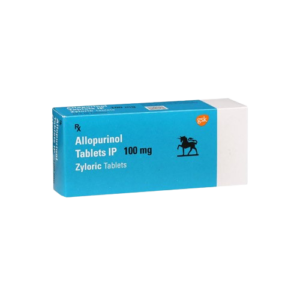
Allopurinol 100mg (Zyloric) Tablets
$34.00 – $98.00Price range: $34.00 through $98.00 This product has multiple variants. The options may be chosen on the product page -
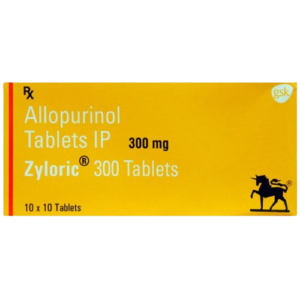
Allopurinol 300mg (Zyloric) Tablets
$38.00 – $774.00Price range: $38.00 through $774.00 This product has multiple variants. The options may be chosen on the product page
❤️ Related Guides



Dr. Emily Carter specializes in evidence-based health education and wellness content. She focuses on simplifying complex medical topics related to cancer awareness, nutrition, preventive healthcare, skincare, and lifestyle wellness for readers worldwide.
This content is reviewed for medical accuracy, clarity, and alignment with current public health research. The article is intended for educational and informational purposes only and should not replace professional medical advice, diagnosis, or treatment.