
How to Lower Uric Acid Naturally: Safe Ways to Reduce High Uric Acid
Medically reviewed/updated: September 2026

If you’re wondering how to lower uric acid naturally, the most useful approach is to focus on sustainable lifestyle changes rather than looking for a quick cure. Staying adequately hydrated, maintaining a healthy weight, limiting alcohol and sugary drinks, and following a balanced diet can support healthy uric acid levels.
These measures can help with uric acid control, but lifestyle changes do not replace medical treatment for everyone. People with recurrent gout attacks, tophi, kidney stones, kidney disease, or persistently high uric acid may need treatment prescribed by a healthcare professional.
This guide explains how to lower high uric acid, how to control uric acid levels, which foods and drinks may help, what to limit, how to manage uric acid at home, and when medical treatment may be necessary.
How Can You Lower Uric Acid Naturally?
The most practical ways to support healthy uric acid levels include:
- Drink enough water and avoid dehydration.
- Limit alcohol, especially beer and spirits.
- Reduce sugary drinks and foods high in added sugars.
- Limit organ meats, large amounts of red meat, and certain seafood that are high in purines.
- Eat a balanced diet that includes vegetables, fruits and whole grains.
- Choose appropriate low-fat or fat-free dairy products.
- Maintain a healthy body weight.
- Avoid crash diets and extreme fasting.
- Exercise regularly.
- Follow prescribed treatment if you have gout or persistently high uric acid.
These measures may help with uric acid control, but there is no reliable home remedy that instantly removes or “neutralizes” uric acid from the body.
How Does the Body Remove Uric Acid?
Your body normally removes uric acid primarily through the kidneys, which filter urate from the blood and excrete it in urine. When the body produces too much uric acid or the kidneys do not remove enough, urate can build up in the blood.
What Causes High Uric Acid?
High uric acid can occur when the body produces too much uric acid, does not remove enough through the kidneys, or both.
Factors associated with high uric acid and gout can include genetics, kidney problems, excess body weight, alcohol consumption, certain foods and drinks, and some medicines or health conditions. Having a high uric acid level does not always mean that a person has gout. Gout occurs when urate crystals build up in a joint or surrounding tissue and cause inflammation. High uric acid can occur alongside other long-term health conditions, particularly when kidney function, metabolic health or body weight are involved. You can learn more about long-term conditions in our guide to chronic diseases and chronic illnesses.
If you have repeatedly elevated uric acid, gout attacks or kidney stones, discuss the possible cause with a healthcare professional.
Common causes include:
1. Eating Too Many High-Purine Foods
Purines are converted into uric acid during digestion.
Foods high in purines include:
- Liver
- Kidney
- Red meat
- Sardines
- Anchovies
- Shellfish
- Game meat
Frequent consumption of these foods may contribute to higher uric acid levels.
2. Dehydration
Water helps the kidneys remove uric acid from the body.
When you don’t drink enough fluids, uric acid becomes more concentrated, making it harder for your kidneys to eliminate it efficiently. Staying properly hydrated also supports kidney function, which plays a key role in removing excess uric acid from the body. The National Kidney Foundation provides additional guidance on maintaining kidney health.
This is one reason why drinks that lower uric acid naturally, such as plain water, are often recommended as part of a healthy lifestyle.
3. Obesity and Excess Body Weight
People who are overweight often produce more uric acid, and excess body fat may reduce the kidneys’ ability to remove it.
Even modest, gradual weight loss can help lower uric acid levels and reduce the risk of gout attacks.
Crash diets, however, should be avoided because rapid weight loss can temporarily increase uric acid levels.
4. Kidney Problems
Healthy kidneys remove most uric acid from the bloodstream.
If kidney function declines, uric acid can accumulate, increasing the risk of hyperuricemia.
5. Sugary Drinks
Soft drinks, energy drinks, and fruit beverages sweetened with high-fructose corn syrup may increase uric acid production.
Replacing sugary beverages with water or unsweetened drinks is one of the simplest natural ways to lower uric acid levels.
6. Alcohol
Beer and spirits are particularly associated with higher uric acid levels because they:
- Increase uric acid production.
- Reduce its removal by the kidneys.
- Promote dehydration.
Limiting alcohol intake may help lower the risk of gout flares.
7. Genetics
Family history can influence how efficiently your body processes and eliminates uric acid.
If close relatives have gout or hyperuricemia, your risk may be higher.
8. Certain Medications
Some medicines may increase uric acid levels, including:
- Diuretics (water pills)
- Low-dose aspirin
- Certain immunosuppressive medications
Never stop prescribed medications without consulting your healthcare provider.
How to Control Uric Acid Levels
Controlling uric acid is usually a long-term process rather than something that can be fixed overnight.
For better uric acid control:
- Stay adequately hydrated.
- Limit alcohol.
- Reduce sugary drinks.
- Avoid frequent consumption of organ meats.
- Limit large portions of red meat and certain high-purine seafood.
- Eat a balanced diet with vegetables, fruits and whole grains.
- Maintain a healthy weight.
- Exercise regularly.
- Take prescribed urate-lowering medicine exactly as directed.
- Have your uric acid level monitored when your healthcare professional recommends it.
If your uric acid remains high despite lifestyle changes, speak with a healthcare professional rather than relying solely on home remedies.
How to Lower Uric Acid Naturally and Safely
Now that you understand what uric acid is and why high levels matter, let’s explore how to lower uric acid naturally through simple, evidence-based lifestyle changes.
1. Stay Hydrated
Drinking enough fluid helps prevent dehydration and supports normal kidney function. Water is a practical choice, particularly when replacing sugary drinks.
There is no single water target that is appropriate for everyone. Fluid requirements vary depending on factors such as activity, climate, body size and medical conditions. People who have kidney, heart or other conditions that affect fluid intake should follow their healthcare professional’s advice.
Do not claim that drinking a specific amount of water will “flush out” or cure high uric acid.
2. Follow a Balanced, Lower-Purine Diet
Purines are natural compounds that the body breaks down into uric acid. Some foods contain substantially more purines than others.
Instead of eliminating all purine-containing foods, focus on a balanced eating pattern and limit foods that can contribute to high uric acid or gout risk.
Emphasize vegetables, fruits, whole grains and appropriate low-fat dairy products while limiting organ meats, large portions of red meat and certain seafood.
3. Limit Alcohol
Alcohol can interfere with uric acid metabolism and may increase the risk of gout attacks.
Limit alcohol consumption, particularly beer and spirits, if you are trying to manage high uric acid or gout.
If you experience recurrent gout attacks, discuss alcohol intake with your healthcare professional.
4. Reduce Sugary Drinks
Regular consumption of sugar-sweetened beverages can contribute to higher uric acid levels and may increase gout risk.
Choose water or other unsweetened beverages more often instead of soda and other drinks containing large amounts of added sugar.
5. Maintain a Healthy Weight
If you are overweight, gradual and sustainable weight loss may help improve metabolic health and support better uric acid management.
Avoid crash diets or extreme fasting because rapid weight changes can sometimes increase uric acid temporarily.
Focus on sustainable eating habits, regular physical activity and gradual weight management.
6. Exercise Regularly
Regular physical activity can support healthy weight management and overall metabolic health.
Choose activities that you can maintain consistently, such as walking, cycling, swimming or strength training.
If you are currently experiencing a painful gout flare, avoid putting excessive stress on the affected joint and follow medical advice.
7. Choose Healthy Protein Sources
You do not necessarily need to eliminate protein from your diet.
Consider balanced protein choices such as low-fat dairy, eggs and appropriate plant-based sources. Limit excessive portions of organ meats and certain seafood that are high in purines.
8. Get Enough Sleep and Maintain Healthy Habits
Good sleep, regular physical activity, balanced nutrition and healthy weight management can support overall health.
These habits should be considered part of a long-term approach to managing high uric acid rather than an instant treatment.
These lifestyle measures are consistent with recommendations for managing gout and reducing risk factors such as excess weight, alcohol consumption, sugary drinks and certain high-purine foods. NIAMS provides additional guidance on gout diagnosis, treatment and lifestyle management.
Foods to Choose When Managing High Uric Acid
When managing high uric acid or gout, focus on an overall balanced eating pattern rather than relying on one “uric acid-lowering” food.
Foods that can fit into a healthy diet include:
- Vegetables
- Fresh fruits
- Whole grains
- Low-fat or fat-free dairy products
- Eggs
- Nuts and seeds
- Appropriate plant-based protein sources
- Water and unsweetened beverages
No single food can guarantee that your uric acid level will fall. Your overall diet, weight, alcohol intake, medications, kidney function and other health factors can all influence uric acid management. The CDC also identifies alcohol, sugary drinks, red meat, organ meats and certain seafood among dietary factors relevant to gout management. See the CDC’s gout guidance for additional information.
How to Lower Uric Acid at Home
If you’re looking for ways to manage high uric acid at home, focus on habits that can be maintained over time.
- Choose water instead of sugary drinks.
- Limit alcohol.
- Reduce large portions of red and organ meats.
- Eat a balanced diet rich in vegetables, fruits and whole grains.
- Maintain a healthy weight through gradual lifestyle changes.
- Exercise regularly.
- Monitor your uric acid level when advised by your healthcare professional.
- Follow prescribed gout or urate-lowering treatment.
Home measures can support uric acid management, but they should not delay medical care when gout attacks are frequent, symptoms are severe or complications are suspected.
What Can You Take for High Uric Acid?
The right treatment depends on why your uric acid is high and whether you have gout, kidney stones or other complications. Treatment decisions for gout and urate-lowering therapy should be individualized. For evidence-based clinical recommendations, see the American College of Rheumatology gout guideline.
There is no single supplement or home remedy that is appropriate for everyone.
Some people with gout or persistent hyperuricemia may need prescription urate-lowering medicines. The choice of treatment depends on the individual’s medical history, kidney function, other medicines and risk of gout complications.
Do not start, stop or change prescription medicine based solely on an online article. Talk with a healthcare professional about the appropriate treatment for your uric acid level and symptoms. Some people with gout or persistent hyperuricemia may need prescription urate-lowering medication. Allopurinol for gout is one commonly used urate-lowering treatment that reduces uric acid production and is generally used for long-term management rather than immediate relief during an acute gout attack. If a healthcare professional has prescribed allopurinol for your condition, you can also view our allopurinol gout treatment options.
Can High Uric Acid Be Cured Permanently?
Whether high uric acid can be permanently resolved depends on its underlying cause.
Some people can improve their uric acid levels through lifestyle changes, while others have ongoing risk factors or gout that require long-term treatment.
It is more accurate to think about long-term uric acid control rather than a guaranteed permanent cure.
If you have repeated gout attacks, tophi, kidney stones or persistently elevated uric acid, medical evaluation is important.
How Quickly Can Uric Acid Levels Decrease?
There is no guaranteed timeframe for lowering uric acid because the response depends on the underlying cause, diet, kidney function, medications, body weight and whether gout is present.
Sustainable lifestyle changes are more appropriate than attempting to lower uric acid rapidly with extreme diets or unproven remedies.
If you have gout or persistently high uric acid, your healthcare professional can determine whether medication or additional testing is appropriate.
High Uric Acid and Gout
High uric acid does not automatically mean that you have gout.
Gout develops when urate crystals accumulate in a joint or surrounding tissue and trigger inflammation. A gout attack can cause sudden and intense joint pain, swelling, warmth and redness, commonly affecting the big toe but potentially affecting other joints. If you experience repeated attacks or have symptoms that could be gout, seek medical evaluation.
Long-term gout management may require medication in addition to lifestyle changes.
Normal Uric Acid Levels
The following table shows commonly used reference ranges. Keep in mind that exact values can vary slightly between laboratories.
| Group | Normal Uric Acid Level |
|---|---|
| Adult Men | 3.4–7.0 mg/dL |
| Adult Women | 2.4–6.0 mg/dL |
| Children | 2.0–5.5 mg/dL |
Generally:
- Above 7 mg/dL in men may indicate high uric acid.
- Above 6 mg/dL in women may indicate elevated uric acid.
Your healthcare provider will interpret your results based on your overall health and medical history.
Why Lowering Uric Acid Naturally Is Important
Many people search for how to reduce uric acid without medicine because they want to improve their health through sustainable lifestyle habits.
For many individuals—especially those with mildly elevated uric acid—healthy lifestyle changes may help:
- Reduce future gout attacks
- Improve kidney health
- Support healthy body weight
- Lower inflammation
- Improve overall metabolic health
- Reduce the risk of kidney stone formation
- Enhance quality of life
However, it’s important to understand that natural remedies for gout and dietary changes are not a substitute for prescribed medication in people with frequent gout attacks, visible tophi, kidney disease, or very high uric acid levels. Your healthcare provider can recommend the most appropriate treatment based on your individual situation.
30-Day Natural Uric Acid Lowering Plan
If you’re wondering how to lower uric acid naturally at home, consistency is more important than quick fixes. Follow this simple 30-day plan to support healthy uric acid levels.
| Week | Goal | Daily Habits |
|---|---|---|
| Week 1 | Hydration | Drink 2–3 liters of water, avoid sugary drinks and alcohol. |
| Week 2 | Healthy Diet | Follow a low-purine diet, eat more fruits, vegetables, and whole grains. |
| Week 3 | Exercise & Weight | Walk 30 minutes daily, maintain a healthy weight, avoid crash diets. |
| Week 4 | Long-Term Lifestyle | Continue healthy eating, stay active, manage stress, and sleep 7–9 hours nightly. |
The Centers for Disease Control and Prevention (CDC) advises that maintaining a healthy weight, limiting alcohol, and following your healthcare provider’s treatment plan can help reduce gout flare-ups.
When Should You See a Doctor for High Uric Acid?
Speak with a healthcare professional if:
- You repeatedly have painful or swollen joints.
- You suspect you have gout.
- Your uric acid remains elevated.
- You have recurrent gout attacks.
- You have kidney stones.
- You have kidney disease.
- You develop lumps around joints that may represent tophi.
- Your symptoms are severe or getting worse.
Do not rely on home remedies alone if you have recurrent gout or complications.
Frequently Asked Questions About Lowering Uric Acid
How can I lower uric acid naturally?
Healthy habits that may support lower uric acid include staying adequately hydrated, limiting alcohol and sugary drinks, reducing high-purine foods such as organ meats, maintaining a healthy weight and exercising regularly. These measures may not be enough for everyone with gout or persistent high uric acid.
How can I lower high uric acid quickly?
There is no guaranteed home method for rapidly lowering uric acid. Extreme diets and unproven remedies should be avoided. If uric acid is persistently high or you have gout, a healthcare professional can determine whether medication is appropriate.
How do I remove uric acid from my body?
Your kidneys normally remove uric acid through urine. Staying adequately hydrated supports normal kidney function, but drinking excessive amounts of water does not provide an instant cure for high uric acid or gout.
What can I take for high uric acid?
Treatment depends on the cause of elevated uric acid and whether you have gout or another complication. Some people need prescription urate-lowering medication. Do not start or stop medication without discussing it with a healthcare professional.
How can I control my uric acid level?
Long-term uric acid control may involve a balanced diet, healthy weight management, limiting alcohol and sugary drinks, regular physical activity and prescribed treatment when needed.
Can I lower uric acid without medicine?
Lifestyle changes can help some people improve their uric acid levels, particularly when diet, alcohol intake or excess weight contribute to the problem. However, lifestyle changes alone may not adequately control gout in people with frequent attacks or other complications.
Can high uric acid be cured permanently?
There is no universal permanent cure for high uric acid. Some people can improve their levels through lifestyle changes, while others need ongoing medical treatment to control urate levels and prevent gout complications.
What foods help reduce uric acid?
A balanced diet emphasizing vegetables, fruits, whole grains and appropriate low-fat dairy can support healthy eating patterns for people managing gout. Limiting organ meats, excess red meat, certain seafood, alcohol and sugary drinks can also be helpful.
What drinks are best for high uric acid?
Water is a practical choice for staying hydrated. Unsweetened beverages can also help replace sugary drinks. Avoid relying on lemon water or another single beverage as a treatment for high uric acid.
When should I see a doctor for high uric acid?
Seek medical advice if you have recurrent or severe joint pain, a red or swollen joint, suspected gout, kidney stone symptoms, persistently elevated uric acid or symptoms that are getting worse.
Key Takeaways
- High uric acid can result from increased production, reduced removal by the kidneys or a combination of factors.
- Staying adequately hydrated can help prevent dehydration.
- A balanced diet can support long-term uric acid management.
- Limit alcohol and sugary drinks.
- Limit organ meats and excessive portions of red meat and certain seafood.
- Maintain a healthy weight through gradual lifestyle changes.
- Exercise regularly.
- There is no instant home remedy that safely removes large amounts of uric acid.
- High uric acid and gout are not exactly the same thing.
- People with recurrent gout or persistently high uric acid may need medical treatment.
- Do not stop or change prescribed medication without speaking with a healthcare professional.
Conclusion
Learning how to lower uric acid naturally starts with simple, sustainable lifestyle changes. Drinking enough water, eating a healthy low-purine diet, staying physically active, and maintaining a healthy weight can help support normal uric acid levels and reduce the risk of gout and kidney stones.
Although many people can improve their health through these natural approaches, lifestyle changes are not a replacement for medical treatment when uric acid levels remain high or gout attacks become frequent. If symptoms persist, consult a qualified healthcare professional for personalized advice and treatment. For the latest evidence-based recommendations on gout management and uric acid control, consult trusted organizations such as the American College of Rheumatology (ACR) and discuss the most appropriate treatment options with your healthcare provider.
By making informed choices every day, you can take meaningful steps toward better joint health, improved kidney function, and long-term well-being.
Related Health Resources
-
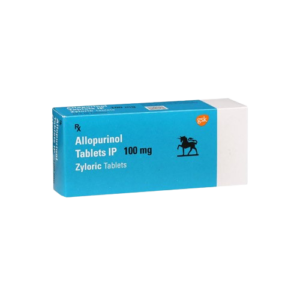
Allopurinol 100mg (Zyloric) Tablets
$34.00 – $98.00Price range: $34.00 through $98.00 This product has multiple variants. The options may be chosen on the product page -
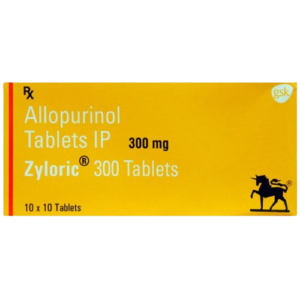
Allopurinol 300mg (Zyloric) Tablets
$38.00 – $774.00Price range: $38.00 through $774.00 This product has multiple variants. The options may be chosen on the product page



One Response