
Living With Pulmonary Fibrosis While Taking Pirfenidone: 7 Lifestyle Tips, Diet & Daily Care
Medically reviewed/updated: August 2026
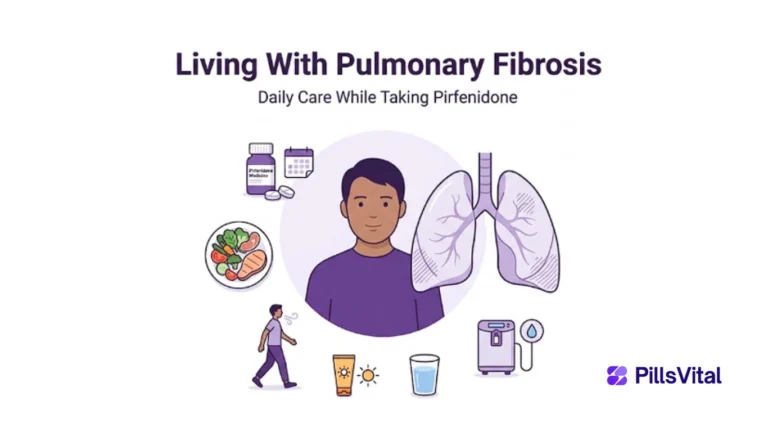
Living with pulmonary fibrosis can change the way you approach exercise, meals, work, travel and everyday activities. When pirfenidone is part of your treatment plan, lifestyle habits become especially important because managing pulmonary fibrosis involves more than taking medication alone.
Pulmonary fibrosis is a group of conditions in which lung tissue becomes scarred and stiff, making it harder for the lungs to transfer oxygen efficiently. Idiopathic pulmonary fibrosis (IPF) is one form of pulmonary fibrosis. Pirfenidone is an antifibrotic medicine used to help slow disease progression in people with IPF; it does not remove existing lung scarring or cure pulmonary fibrosis.
The goal of day-to-day management is therefore not to “exercise the fibrosis away,” but to preserve strength, maintain independence, manage treatment side effects, protect the lungs and work closely with your healthcare team. Pirfenidone is an antifibrotic medicine used for idiopathic pulmonary fibrosis; its official prescribing information provides detailed information about dosing, monitoring, warnings and adverse reactions.
This guide explains practical lifestyle strategies that may make everyday life easier while taking pirfenidone.
What Is Pirfenidone and Why Is Lifestyle Management Important?
Pirfenidone is an antifibrotic medication approved for the treatment of idiopathic pulmonary fibrosis. The medicine is intended to slow the progression of lung fibrosis rather than reverse established scar tissue.
However, medication is only one part of managing pulmonary fibrosis.
A healthy lifestyle can help you maintain physical function and quality of life. Pulmonary rehabilitation, appropriate physical activity, good nutrition, stress management and lung protection are all important parts of living well with pulmonary fibrosis. For additional nutrition guidance, see the American Lung Association’s nutrition guidance for pulmonary fibrosis, which discusses balanced foods, smaller meals and managing nutrition-related challenges.
This means your daily routine should ideally include:
- Taking medications according to your prescription
- Attending scheduled medical appointments
- Completing recommended blood tests
- Protecting your skin from sunlight
- Eating nutritious meals
- Staying physically active within your abilities
- Getting adequate rest
- Avoiding smoking and secondhand smoke
- Reducing exposure to respiratory irritants
- Monitoring changes in breathing and other symptoms
- Maintaining recommended vaccinations
- Asking for support when daily activities become difficult
1. Take Pirfenidone Consistently
One of the simplest but most important habits is developing a consistent medication routine.
The FDA prescribing information for pirfenidone recommends taking the medicine with food. Treatment is generally introduced gradually before reaching the maintenance dosage, although your own dosing schedule should always come from your prescriber.
A practical routine may include:
- Taking each dose around the same times every day
- Taking it with food if instructed
- Using a medication reminder or phone alarm
- Keeping a medication calendar
- Refilling your prescription before you run out
- Carrying enough medication when traveling
- Asking your healthcare professional what to do after a missed dose
Do not double your next dose because you forgot an earlier dose.
If you have missed treatment for an extended period, contact your healthcare professional before restarting. The FDA prescribing information states that patients who miss pirfenidone for 14 days or more should generally restart using the initial titration schedule.
2. Protect Your Skin From the Sun
Sun protection deserves special attention when taking pirfenidone.
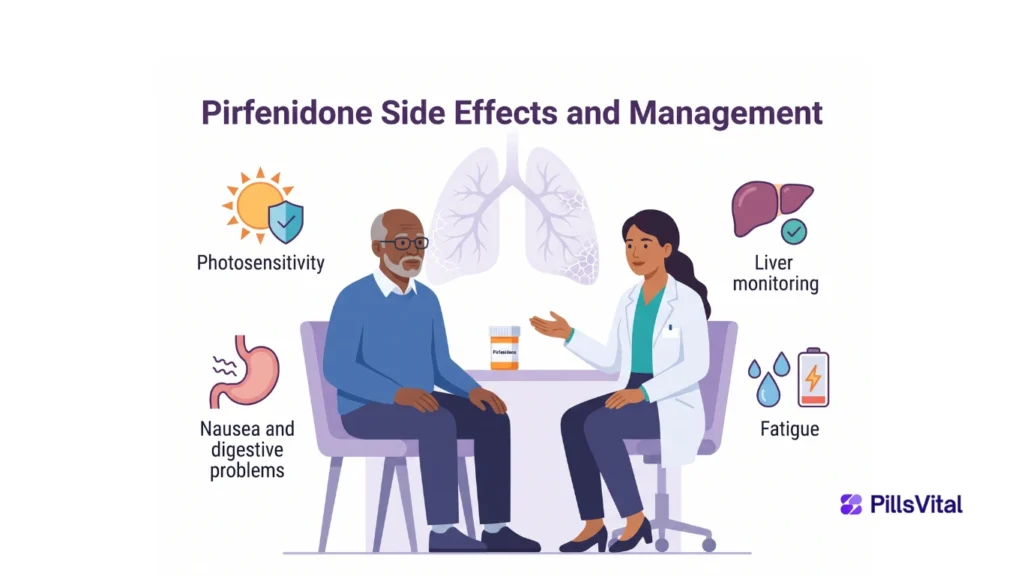
Photosensitivity reactions and rashes are recognized adverse effects of pirfenidone. The prescribing information advises minimizing exposure to sunlight, using sunscreen with SPF 50 or higher and wearing protective clothing.
This can be incorporated into your normal routine.
Practical sun-protection habits
Before going outside:
- Apply broad-spectrum sunscreen with high SPF.
- Wear long sleeves when practical.
- Use a wide-brimmed hat.
- Consider sunglasses that provide UV protection.
- Avoid unnecessary prolonged exposure to strong sunlight.
- Be particularly careful during periods of intense sunlight.
- Reapply sunscreen according to the product instructions.
Do not assume that cloudy weather completely eliminates UV exposure.
If you develop an unusual rash, severe sunburn, blistering or significant skin sensitivity after starting pirfenidone, contact your healthcare professional.
3. Build a Sustainable Exercise Routine
Shortness of breath can make exercise feel intimidating. It may seem logical to avoid physical activity altogether, but prolonged inactivity can reduce muscle strength and physical conditioning.
Pulmonary rehabilitation is particularly useful because it combines exercise, education and support. Activities may include walking, cycling, stretching and light strength training.
Exercise should be individualized.
Start with manageable activity
Depending on your condition and healthcare team’s recommendations, activity might include:
- Short walks
- Gentle stretching
- Light household activities
- Stationary cycling
- Supervised strength exercises
- Breathing exercises
- Pulmonary rehabilitation
Instead of thinking about exercise as one long workout, divide movement throughout the day.
For example:
Morning: 5–10 minutes of gentle movement
Afternoon: Short walk or prescribed rehabilitation activity
Evening: Gentle stretching or breathing exercises
The appropriate intensity depends on your disease severity, oxygen requirements and overall health. The American Lung Association provides practical guidance on physical activity and pulmonary fibrosis, including pulmonary rehabilitation, walking, stretching and breathing exercises.
Important distinction
Exercise can improve physical conditioning, strength and the ability to perform daily activities, but it does not eliminate lung scarring or cure pulmonary fibrosis.
If exercise causes unusual chest pain, severe breathlessness, fainting, significant dizziness or other concerning symptoms, stop and seek medical advice.
4. Ask About Pulmonary Rehabilitation
Pulmonary rehabilitation is more than an exercise class.
A pulmonary rehabilitation program can teach you:
- How to exercise safely
- How to manage breathlessness
- Breathing techniques
- Energy-conservation strategies
- Ways to improve physical conditioning
- How to cope with limitations caused by lung disease
The American Lung Association describes pulmonary rehabilitation as a combination of exercise, education and support for people with pulmonary fibrosis.
If everyday activities such as walking, bathing, shopping or climbing stairs are becoming increasingly difficult, ask your healthcare provider whether pulmonary rehabilitation could be appropriate.
5. Use Oxygen Exactly as Prescribed
Some people with pulmonary fibrosis eventually require supplemental oxygen. The need varies between individuals and may occur during exercise, sleep or throughout the day.
If oxygen has been prescribed:
- Use it according to your clinician’s instructions.
- Do not change the flow rate on your own.
- Make sure you understand how to use your equipment.
- Keep enough oxygen available for planned activities and travel.
- Learn oxygen safety procedures.
- Ask about portable oxygen options if mobility is becoming difficult.
Oxygen is not something to be embarrassed about. For people who need it, appropriate oxygen therapy can make physical activity and daily life more manageable.
6. Eat Smaller, Balanced Meals
Nutrition becomes particularly important when living with a chronic lung condition.
Large meals can sometimes make breathing feel more difficult because a very full abdomen can interfere with comfortable breathing.
The American Lung Association recommends nutritious foods such as vegetables, fruits, whole grains, beans, lean meats and fish, while limiting excess sodium, added sugars and unhealthy fats. Smaller, more frequent meals may also be easier for some people with pulmonary fibrosis.
A practical pulmonary fibrosis meal pattern
A balanced plate might include:
Protein:
Fish, eggs, poultry, beans or other appropriate protein sources
Complex carbohydrates:
Whole grains, oats, brown rice or other minimally processed grains
Vegetables:
A variety of colorful vegetables
Fruit:
Fresh fruit in appropriate portions
Healthy fats:
Foods such as nuts, seeds or olive oil when appropriate
Fluids:
Adequate hydration unless your healthcare provider has advised a fluid restriction
7. Pay Attention to Appetite and Weight Changes
Pirfenidone can cause gastrointestinal side effects such as nausea, diarrhea, indigestion and abdominal discomfort. Appetite or weight changes can also occur.
If eating becomes difficult:
- Try smaller meals.
- Eat slowly.
- Keep easy-to-eat nutritious foods available.
- Discuss persistent nausea or diarrhea with your healthcare professional.
- Track significant weight changes.
- Ask about a registered dietitian if maintaining your weight becomes difficult.
Do not simply stop pirfenidone because of gastrointestinal symptoms. Your healthcare professional may be able to adjust the treatment plan or provide strategies for managing side effects.
8. Manage Acid Reflux if You Experience It
Gastroesophageal reflux can occur alongside pulmonary fibrosis.
If reflux is a problem for you, practical strategies may include:
- Eating smaller meals
- Avoiding meals shortly before bedtime
- Identifying foods that trigger your symptoms
- Discussing persistent reflux with your healthcare provider
- Following any prescribed reflux treatment
The American Lung Association recommends avoiding eating within three hours of bedtime for people with pulmonary fibrosis who experience acid reflux.
Do not automatically eliminate large numbers of foods from your diet without a reason. Focus on identifying your personal triggers.
9. Keep Up With Liver Monitoring
Regular monitoring is an important part of living with pulmonary fibrosis while taking pirfenidone.
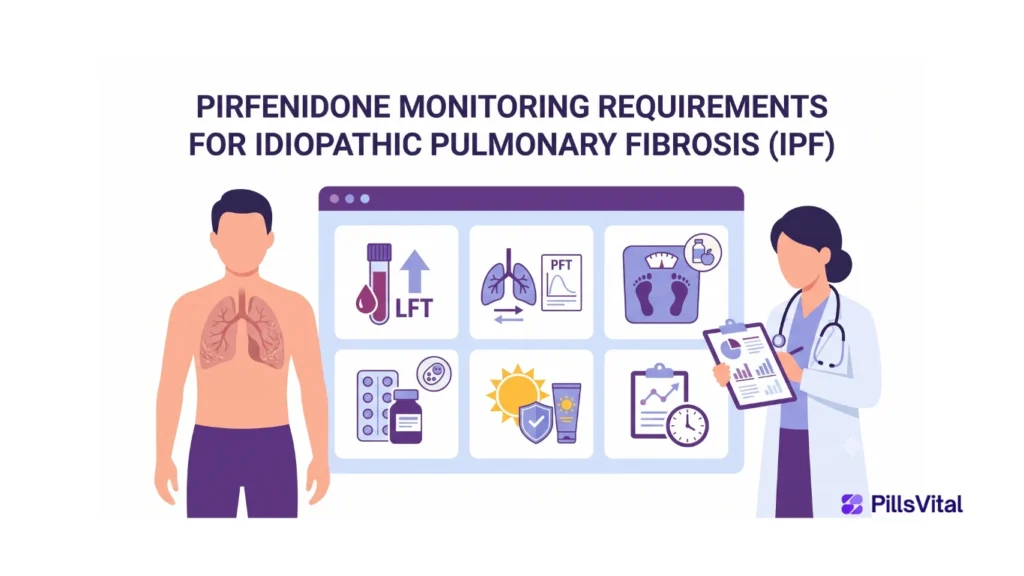
Pirfenidone can cause elevations in liver enzymes and, rarely, serious liver injury. The FDA prescribing information recommends liver function testing before treatment, monthly during the first six months and every three months thereafter, with additional testing when clinically appropriate.
Keep your blood-test appointments even when you feel well.
Contact your healthcare professional promptly if you develop symptoms that could suggest liver problems, such as:
- Yellowing of the skin or eyes
- Dark urine
- Unusual fatigue
- Loss of appetite
- Upper-right abdominal discomfort
- Unusual bruising or bleeding
Your doctor may recommend additional testing or changes to treatment if liver abnormalities occur.
10. Review Other Medicines With Your Healthcare Professional
Do not assume that a prescription drug, over-the-counter medicine, vitamin or herbal supplement is automatically safe to combine with pirfenidone.
Some medicines can affect pirfenidone exposure or increase adverse effects. The prescribing information specifically identifies clinically relevant drug interactions, including medicines that affect CYP1A2.
Before starting a new medication or supplement, tell your healthcare professional that you take pirfenidone.
This includes:
- Prescription medicines
- OTC medicines
- Vitamins
- Herbal products
- Supplements
- Medicines prescribed by another specialist
11. Avoid Smoking and Protect Your Lungs
Smoking is particularly harmful when you already have a chronic lung condition.
If you smoke, speak with your healthcare professional about evidence-based smoking cessation support.
Also consider reducing exposure to:
- Secondhand smoke
- Dust
- Strong chemical fumes
- Heavy air pollution
- Aerosols that irritate your lungs
- Poor indoor air quality
Check local air-quality conditions when outdoor pollution is high and modify strenuous outdoor activities when necessary.
Protecting your lungs does not reverse fibrosis, but reducing avoidable respiratory irritants is a sensible part of lung health management.
12. Stay Up to Date With Vaccinations
Respiratory infections can be particularly concerning for people living with chronic lung disease.
Ask your healthcare provider which vaccinations are appropriate for you, including seasonal respiratory vaccines and other recommended immunizations.
The American Lung Association specifically highlights influenza, COVID-19, pneumococcal disease and pertussis among respiratory health concerns relevant to people living with pulmonary fibrosis.
Your vaccination schedule should be individualized according to your age, health conditions, medications and local recommendations.
13. Learn How to Manage Fatigue
Fatigue can make everyday tasks feel much harder.
Instead of trying to complete everything at once, consider using energy-conservation strategies.
Try the “slow and planned” approach
Plan:
Decide which activities actually need to be done.
Prioritize:
Complete important tasks when your energy is highest.
Pace:
Avoid rushing through activities.
Rest:
Take planned breaks before you become completely exhausted.
Simplify:
Keep frequently used items within easy reach.
For example, sitting while preparing food may require less energy than standing for a long period.
14. Use Breathing Techniques
Breathing exercises may help some people manage breathlessness and improve breathing efficiency.
The American Lung Association highlights techniques such as belly breathing and pursed-lip breathing as useful strategies for people with pulmonary fibrosis.
However, breathing exercises should complement—not replace—your medical treatment.
A respiratory therapist or pulmonary rehabilitation professional can teach you techniques suited to your condition.
15. Protect Your Mental and Emotional Health
Living with pulmonary fibrosis can create uncertainty.
You may worry about:
- Changes in breathing
- Medication side effects
- Future disease progression
- Dependence on oxygen
- Work and finances
- Travel
- Family responsibilities
- Loss of independence
These concerns are understandable.
Consider talking with:
- Your healthcare team
- A counselor or mental-health professional
- Family members
- A pulmonary fibrosis support group
- Other people living with chronic lung disease
You do not have to manage every emotional challenge alone.
The American Lung Association also provides support resources for people with pulmonary fibrosis and their caregivers.
16. Make Daily Activities More Energy Efficient
Simple environmental changes can make daily life easier.
Around the home
Keep frequently used items at waist level rather than very high or very low.
Use a chair when completing tasks that normally require prolonged standing.
Organize your kitchen, bedroom and bathroom so you do not need to walk back and forth repeatedly.
While shopping
Consider:
- Shopping during quieter periods
- Using delivery services when necessary
- Taking planned breaks
- Using a cart for support if appropriate
- Asking for assistance with heavy items
At work
Depending on your occupation, discuss reasonable adjustments if breathlessness or fatigue is affecting your ability to work.
17. Plan Travel Before You Leave
Pulmonary fibrosis does not necessarily mean you cannot travel.
However, travel requires more planning if you use oxygen or have significant breathing limitations.
Before traveling:
- Discuss the trip with your healthcare provider.
- Confirm that you have enough medication.
- Keep medicines in appropriate carry-on storage when flying.
- Carry a current medication list.
- Plan rest periods.
- Understand your oxygen requirements.
- Arrange oxygen equipment in advance if required.
- Keep emergency contact information available.
If you use supplemental oxygen, ask your healthcare team and oxygen supplier about travel requirements before booking your trip.
18. Track Changes in Your Symptoms
You know your usual breathing pattern better than anyone.
Keep an eye on changes such as:
- Increasing shortness of breath
- A noticeably worsening cough
- Reduced ability to walk
- New or worsening fatigue
- Fever
- Chest discomfort
- Dizziness
- Significant oxygen-level changes if you monitor at home
- New swelling or other concerning symptoms
A worsening cough or shortness of breath does not automatically mean pulmonary fibrosis has progressed. Infection and other conditions can cause similar symptoms, so new or worsening symptoms should be discussed with your healthcare provider.
19. Create a Simple Daily Routine
A structured routine can make treatment and self-care easier.
Example pulmonary fibrosis daily routine
Morning
- Take prescribed medication according to your treatment plan.
- Eat breakfast.
- Complete gentle movement or prescribed exercise.
- Take medications that are scheduled for the morning.
- Apply sunscreen if going outside.
Midday
- Eat a balanced meal.
- Take your prescribed medication.
- Complete planned activity.
- Rest before becoming overly fatigued.
- Drink fluids according to your healthcare provider’s advice.
Afternoon
- Complete essential tasks.
- Take planned rest periods.
- Avoid excessive outdoor exposure during intense sunlight.
Evening
- Eat a lighter meal if large meals worsen breathing or reflux.
- Take medication according to your prescribed schedule.
- Complete gentle stretching or breathing exercises if recommended.
- Prepare medications and appointments for the next day.
The exact routine should always be adapted to your medication schedule, oxygen requirements, disease severity and healthcare team’s recommendations.
What Should You Avoid While Taking Pirfenidone?
A few precautions deserve particular attention.
Avoid unnecessary sun exposure
Pirfenidone can increase photosensitivity. Use high-SPF sunscreen and protective clothing.
Avoid changing your dose yourself
Do not increase, decrease or stop pirfenidone without medical advice.
Avoid ignoring persistent side effects
Nausea, diarrhea, rash or other symptoms that interfere with daily life should be discussed with your healthcare professional.
Avoid missing monitoring appointments
Liver-function monitoring is an important part of pirfenidone treatment.
Avoid smoking
Smoking can further compromise respiratory health.
Avoid starting supplements without checking
Some supplements and medicines can interact with prescription treatment.
When Should You Contact Your Healthcare Provider?
Contact your healthcare professional if you experience:
- A significant increase in shortness of breath
- A sudden or persistent worsening of cough
- Fever or signs of respiratory infection
- Severe or persistent diarrhea
- Persistent vomiting
- Severe skin reactions
- Significant sunburn or photosensitivity
- Yellow skin or eyes
- Dark urine
- Unusual bleeding or bruising
- Severe abdominal discomfort
- Significant unexplained weight loss
- Any side effect that interferes with normal activities
Sudden or severe breathing difficulty may require urgent medical evaluation. The NHS also explains the role of pirfenidone in idiopathic pulmonary fibrosis and highlights important issues such as gastrointestinal side effects, photosensitivity and liver monitoring.
Frequently Asked Questions About Pirfenidone
Can I exercise while taking pirfenidone?
Many people with pulmonary fibrosis can remain physically active, and pulmonary rehabilitation can be particularly helpful. However, the appropriate activity level depends on disease severity, oxygen needs and overall health. Exercise should be individualized with guidance from your healthcare team.
What foods should I eat while taking pirfenidone?
There is no single “pulmonary fibrosis diet.” Focus on a balanced eating pattern containing vegetables, fruits, whole grains, lean protein and other nutrient-dense foods. Smaller meals may be easier if large meals worsen breathing.
Can I go outside while taking pirfenidone?
Yes, but pirfenidone can increase sensitivity to sunlight. Use high-SPF sunscreen, protective clothing and other sun-protection measures when outdoors.
How often do I need liver tests while taking pirfenidone?
The FDA prescribing information recommends liver-function testing before starting treatment, monthly for the first six months and every three months thereafter, with additional testing when clinically indicated. Your doctor may use a different monitoring schedule based on your circumstances.
Does exercise stop pulmonary fibrosis from getting worse?
No. Exercise does not remove lung scarring or prevent pulmonary fibrosis from progressing. However, appropriate physical activity can improve conditioning, strength, oxygen efficiency and quality of life.
Can pulmonary fibrosis patients use oxygen during exercise?
Some patients need supplemental oxygen during activity. Oxygen requirements vary considerably, so use oxygen only according to your healthcare provider’s instructions.
Can pirfenidone cure pulmonary fibrosis?
No. Pirfenidone is used to slow the progression of idiopathic pulmonary fibrosis; it does not cure the condition or remove established scar tissue.
What is the most important lifestyle change for someone with pulmonary fibrosis?
There is no single lifestyle change that works for everyone. A combination of appropriate physical activity, pulmonary rehabilitation when recommended, nutritious food, lung protection, medication adherence, monitoring and emotional support can help people manage life with pulmonary fibrosis.
Final Takeaway
Living with pulmonary fibrosis while taking pirfenidone involves creating a routine that supports both your treatment and your everyday quality of life.
The most useful habits include:
- Take pirfenidone exactly as prescribed.
- Protect your skin from sunlight.
- Attend regular liver-function monitoring.
- Stay physically active within your prescribed limits.
- Ask about pulmonary rehabilitation.
- Eat balanced, nutrient-dense meals.
- Manage nausea, diarrhea and reflux rather than ignoring them.
- Avoid smoking and unnecessary respiratory irritants.
- Use supplemental oxygen exactly as prescribed.
- Keep recommended vaccinations up to date.
- Monitor changes in breathing and other symptoms.
- Seek emotional and practical support when needed.
Pulmonary fibrosis affects everyone differently, so the best lifestyle plan is one developed with your pulmonologist and healthcare team rather than a one-size-fits-all routine. Pulmonary fibrosis is a long-term health condition that may require ongoing monitoring and lifestyle adjustments. You can also explore our Chronic Diseases health guides for information about managing other long-term conditions.
Related Health Resources
-
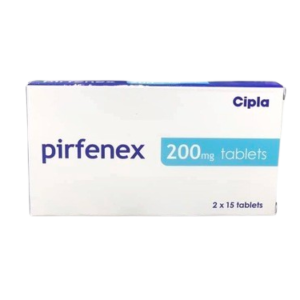
Pirfenex 200 mg Tablet
$70.00 – $190.00Price range: $70.00 through $190.00 This product has multiple variants. The options may be chosen on the product page -
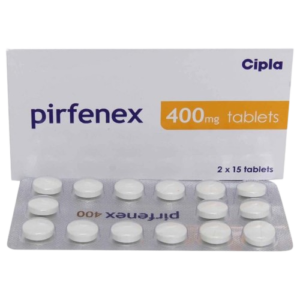
Pirfenex 400 mg Tablet
$95.00 – $285.00Price range: $95.00 through $285.00 This product has multiple variants. The options may be chosen on the product page
💜 Related Guides About Pirfenidone

Dr. Emily Carter specializes in evidence-based health education and wellness content. She focuses on simplifying complex medical topics related to cancer awareness, nutrition, preventive healthcare, skincare, and lifestyle wellness for readers worldwide.
This content is reviewed for medical accuracy, clarity, and alignment with current public health research. The article is intended for educational and informational purposes only and should not replace professional medical advice, diagnosis, or treatment.