
Pirfenidone Side Effects and Management: A Practical IPF Guide
Medically reviewed/updated: August 2026
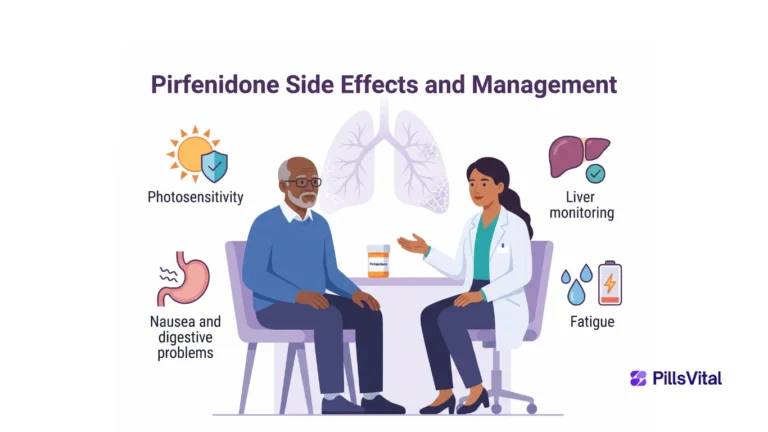
Starting an antifibrotic treatment can raise an important question for people living with idiopathic pulmonary fibrosis (IPF): What will pirfenidone feel like, and what can I do if side effects appear?
Pirfenidone is a prescription antifibrotic medicine used to treat adults with IPF. If you are new to this medication, our guide to pirfenidone for idiopathic pulmonary fibrosis explains its purpose, treatment role, and important considerations in more detail. In the United States, it is marketed as Esbriet, while pirfenidone is also available in other markets and formulations. The medicine is intended to help slow the decline associated with IPF; it is not a cure for established lung scarring.
The most useful way to think about pirfenidone side effects and management is not simply as a list of adverse reactions. Different problems require different responses. The current U.S. prescribing information provides additional details about pirfenidone’s indication, dosing, warnings, and safety considerations. U.S. DailyMed: Esbriet (pirfenidone) prescribing information
For example, nausea may be easier to manage by taking pirfenidone with food, while photosensitivity requires consistent sun protection. Liver-related concerns are different again because laboratory monitoring can detect changes before obvious symptoms develop.
This guide explains those differences and what patients should discuss with their healthcare team.
What Is Pirfenidone Used For?
Pirfenidone is an antifibrotic medication prescribed for adults with idiopathic pulmonary fibrosis.
IPF is a progressive interstitial lung disease in which lung tissue becomes scarred and stiff. As fibrosis progresses, breathing and physical activity can become increasingly difficult.
Pirfenidone is designed to slow disease progression rather than remove existing scar tissue.
In the U.S., Esbriet is specifically indicated for IPF. The UK patient information similarly identifies pirfenidone as a treatment for adults with idiopathic pulmonary fibrosis.
Because pirfenidone is a long-term treatment, understanding tolerability can be just as important to patients as understanding what the medicine is intended to do.
The Most Common Pirfenidone Side Effects
Official patient information identifies several adverse effects associated with pirfenidone.
Commonly reported problems include:
- Nausea
- Diarrhea
- Indigestion
- Stomach pain
- Vomiting
- Loss of appetite
- Fatigue
- Headache
- Dizziness
- Rash
- Increased sensitivity to sunlight
- Upper respiratory infections
- Sinusitis
- Insomnia
- Weight loss
- Gastroesophageal reflux disease
- Joint pain
Not everyone experiences these effects, and their severity can vary considerably between individuals.
This is why a practical pirfenidone side effects and management plan is more useful than assuming every patient will have the same experience. For practical advice about managing everyday life while using this medication, see our guide on living with pulmonary fibrosis while taking pirfenidone.
1. Pirfenidone Nausea: Why It Happens and What May Help
Nausea is one of the better-known digestive side effects of pirfenidone.
For some people, nausea is particularly noticeable during the early stages of treatment or following changes in treatment.
One important point from the manufacturer’s patient information is that taking Esbriet with food may reduce side effects such as nausea and dizziness.
Practical strategies to discuss with your healthcare team
You may find it useful to:
- Take pirfenidone with food as prescribed.
- Avoid taking doses on an empty stomach unless your clinician specifically tells you otherwise.
- Choose smaller meals if large meals make nausea worse.
- Keep yourself adequately hydrated.
- Identify foods that consistently trigger symptoms.
- Record when nausea occurs in relation to your medication.
If nausea becomes persistent enough to interfere with eating, hydration, sleep, or medication adherence, contact your healthcare provider.
Do not simply stop treatment because of nausea.
2. Pirfenidone Stomach Problems
Pirfenidone can cause several gastrointestinal symptoms, including indigestion, stomach pain, diarrhea, vomiting, heartburn and reflux.
These symptoms can be particularly frustrating because people with IPF may already have reduced appetite or unintended weight loss.
A better approach than simply “putting up with it”
Keep track of:
What happened?
Nausea, diarrhea, reflux, pain or vomiting?
When did it happen?
Immediately after a dose, several hours later, or randomly?
What did you eat?
Certain meals may make symptoms worse.
Did it affect your medication?
Were you unable to take a dose or tempted to skip it?
This information gives your prescriber something useful to work with.
The manufacturer’s information notes that stomach problems were often experienced early in treatment and decreased over time in clinical studies.
That does not mean everyone will improve automatically, so persistent symptoms still deserve medical attention.
3. Pirfenidone Diarrhea and Dehydration
Diarrhea is another recognized gastrointestinal side effect.
Occasional loose stools may be manageable, but repeated diarrhea can become more significant when it causes dehydration, weakness or difficulty maintaining nutrition.
Contact your healthcare provider if:
- Diarrhea is persistent.
- You cannot maintain adequate fluids.
- You develop significant weakness.
- You experience severe abdominal pain.
- You notice blood in your stool.
- Symptoms interfere with your medication schedule.
Do not assume every episode of diarrhea is caused by pirfenidone. Infection, diet, other medicines and underlying medical conditions can produce similar symptoms.
4. Pirfenidone and Loss of Appetite
Reduced appetite is another important issue because maintaining adequate nutrition can become difficult for people with chronic lung disease.
Pirfenidone-associated appetite loss may occur alongside nausea or other gastrointestinal symptoms.
If your appetite is falling
Instead of relying on three large meals, ask your healthcare professional whether smaller, more frequent meals would be appropriate.
Nutrient-dense foods may also help when the quantity of food you can comfortably eat is reduced.
Track your weight rather than relying only on how hungry you feel.
The UK patient information specifically warns that pirfenidone can cause weight loss and states that weight may be monitored during treatment.
5. Pirfenidone Fatigue and Dizziness
Fatigue and dizziness can occur with pirfenidone.
However, there is an important complication:
IPF itself can cause fatigue and reduced exercise tolerance.
Therefore, a patient should not automatically assume that worsening tiredness is a medication reaction.
Your healthcare team may need to consider several possibilities, including:
- IPF progression
- Medication effects
- Poor sleep
- Reduced physical activity
- Nutritional problems
- Anemia or other medical conditions
- Oxygen-related issues
Because dizziness can affect coordination and alertness, the UK patient leaflet advises caution with activities where alertness and coordination are important.
6. Pirfenidone Sun Sensitivity: One Side Effect Patients Should Not Underestimate
Photosensitivity is one of the most distinctive issues associated with pirfenidone.
The medicine can make skin more sensitive to sunlight, potentially increasing the risk of sun-related skin reactions. For detailed UK patient information about pirfenidone, including photosensitivity precautions, dosing with food, and possible adverse effects, see the Esbriet patient information leaflet from the Electronic Medicines Compendium.
The U.S. patient information recommends avoiding direct sunlight and using protective measures such as sunscreen and protective clothing.
The UK patient leaflet similarly advises patients to avoid sunlight and sunlamps, use sunblock daily and cover exposed areas.
Build sun protection into your routine
Rather than thinking about sun protection only when going to the beach, consider everyday exposure:
- Walking outdoors
- Gardening
- Driving
- Sitting near strong sunlight
- Outdoor exercise
- Vacations
- Summer activities
This matters for patients in very different climates.
Someone living in Canada may underestimate summer UV exposure, while someone living in southern regions may encounter intense sunlight for much longer periods.
The principle is the same: follow your healthcare professional’s advice about sun protection throughout treatment.
7. Pirfenidone Rash: When Is It More Concerning?
A mild rash should be discussed with your healthcare provider, particularly if it continues or worsens.
But some skin reactions require urgent attention.
Official information warns about serious skin reactions, including blistering, mouth sores, hives and other severe skin symptoms.
Seek prompt medical attention if you develop:
- Blistering skin
- Extensive peeling
- Painful rash
- Mouth sores
- Facial swelling
- Hives with breathing difficulty
- Rapidly worsening skin symptoms
Do not attempt to self-diagnose a severe medication-related rash.
8. Pirfenidone and Liver Monitoring
One of the most important aspects of long-term pirfenidone treatment is liver monitoring.
Pirfenidone can cause changes in liver enzymes, and serious liver problems can occur.
The U.S. prescribing information recommends liver testing, and patients are advised to report symptoms that could indicate liver injury.
Symptoms that deserve prompt medical attention include:
- Yellow skin
- Yellowing of the whites of the eyes
- Dark or brown urine
- Unusual or increasing fatigue
- Upper-right abdominal pain
- Unexpected bleeding or bruising
Importantly, laboratory testing matters because liver abnormalities may not always produce obvious symptoms.
This is one reason patients should not skip recommended blood tests simply because they feel well.
9. Why Pirfenidone Dose Changes Should Be Doctor-Guided
Patients sometimes search online for ways to reduce pirfenidone side effects by changing their dose.
This is where online information can become dangerous.
Pirfenidone dosing may be modified by a healthcare professional when adverse effects occur.
Official information states that a doctor may change the dose or temporarily discontinue treatment if side effects do not resolve.
If treatment is interrupted for an extended period, restarting may require a lower dose followed by gradual escalation according to prescribing instructions.
Therefore:
Do not create your own dosing schedule.
If side effects are making treatment difficult, contact the prescriber instead.
10. Who Should Tell Their Doctor Before Taking Pirfenidone?
Before starting pirfenidone, patients should tell their healthcare professional about their complete medication and health history.
This includes:
- Liver problems
- Kidney problems
- Smoking
- Pregnancy or plans to become pregnant
- Breastfeeding
- Prescription medicines
- Over-the-counter medicines
- Vitamins
- Herbal supplements
The U.S. patient information specifically emphasizes discussing other medicines and supplements with the prescriber.
The UK information also identifies important contraindications and precautions, including severe liver or kidney disease and certain medicines. For U.S. regulatory information, the FDA prescribing information for Esbriet (pirfenidone) provides details on approved use, dosing, and dosage modifications.
Pirfenidone and Other Medicines
Drug interactions can change how pirfenidone works or increase the likelihood of adverse effects.
One example is fluvoxamine, which is specifically identified in UK prescribing information as a medicine that should not be taken with Esbriet. Other medicines may also require review.
Certain medicines can also increase sensitivity to sunlight.
For this reason, do not start a new prescription, over-the-counter medicine or supplement without checking whether it is appropriate alongside your current treatment.
Pirfenidone Side Effects: A Simple Monitoring System
A practical way to manage long-term treatment is to create a simple symptom record. The NHS guide to idiopathic pulmonary fibrosis treatment also explains the role of pirfenidone, common side effects, and the importance of liver-function monitoring.
Record five things:
1. Medication time
When did you take each dose?
2. Food
What did you eat around the dose?
3. Symptoms
Nausea, diarrhea, rash, dizziness, fatigue or other changes?
4. Severity
Was the symptom mild, moderate or severe?
5. Duration
How long did it last?
This can reveal patterns that are difficult to remember during a short medical appointment.
It can also help your healthcare team determine whether a symptom is likely related to medication or may have another cause.
How Quickly Do Pirfenidone Side Effects Appear?
There is no single timeline for every person.
However, clinical information indicates that some adverse effects can be more noticeable early in treatment.
For example, manufacturer information reports that stomach problems were most commonly experienced during the first three months in clinical studies and that many decreased over time. Photosensitivity reactions were reported most often during the first six months.
This is useful information, but it should not be interpreted as a guarantee that side effects will disappear.
Persistent or worsening symptoms should still be reported.
Pirfenidone Side Effects vs IPF Symptoms
This distinction is particularly important.
Symptoms potentially associated with pirfenidone may include:
- Nausea
- Diarrhea
- Rash
- Photosensitivity
- Dizziness
- Fatigue
- Appetite loss
- Weight loss
Symptoms that may reflect IPF or another medical problem include:
- Increasing breathlessness
- Reduced exercise tolerance
- Persistent cough
- New oxygen requirements
- Sudden respiratory deterioration
A worsening breathing problem should not automatically be blamed on pirfenidone.
New or rapidly worsening respiratory symptoms require medical evaluation.
Should You Stop Pirfenidone Because of Side Effects?
Not without medical advice.
For some patients, side effects can be managed while continuing treatment. In other situations, a healthcare professional may need to change the dose, interrupt treatment or decide that discontinuation is appropriate.
The U.S. manufacturer’s information specifically states that the physician may reduce the dose or temporarily stop treatment when side effects do not resolve.
The correct decision depends on:
- Severity of the reaction
- Duration
- Laboratory results
- Other medicines
- Underlying liver or kidney function
- Overall clinical condition
- The balance between treatment benefits and adverse effects
Buying Pirfenidone: What Patients Should Know
Pirfenidone is a prescription medicine.
That means patients should not select a product solely because an online pharmacy advertises a particular strength or low price.
Before obtaining pirfenidone, patients should verify:
- The medicine was prescribed for them.
- The pharmacy is properly licensed in their jurisdiction.
- The product is appropriately labeled.
- The strength matches the prescription.
- The pharmacist can answer questions about the medicine.
- The medicine is sourced through a legitimate pharmaceutical supply chain.
For U.S. patients, prescription-drug purchasing should be approached with particular caution because counterfeit or improperly sourced medicines can present serious risks.
For patients in the UK and Canada, the same principle applies: use appropriately authorized pharmacies and follow local prescription requirements.
Frequently Asked Questions About Pirfenidone
What are the most common pirfenidone side effects?
Commonly reported effects include nausea, diarrhea, indigestion, stomach pain, fatigue, headache, dizziness, rash, appetite loss and photosensitivity.
How can I manage pirfenidone nausea?
Taking pirfenidone with food as prescribed may reduce nausea and dizziness. Smaller meals and adequate hydration may also be helpful, but persistent symptoms should be discussed with your healthcare provider.
Does pirfenidone make your skin sensitive to sunlight?
Yes. Photosensitivity is a recognized adverse effect. Patients should follow recommended sun-protection measures and avoid excessive exposure to direct sunlight.
Does pirfenidone cause liver problems?
Pirfenidone can cause liver enzyme abnormalities and, in some cases, serious liver injury. Regular liver-function monitoring is therefore important.
Can pirfenidone cause weight loss?
Yes. Weight loss and reduced appetite have been reported. The UK patient information recommends monitoring weight during treatment.
Can I stop pirfenidone if the side effects are severe?
Do not stop or restart pirfenidone on your own. Contact your prescribing healthcare professional. They may determine whether the dose should be adjusted, treatment temporarily interrupted or another approach taken.
Is pirfenidone the same as Esbriet?
Esbriet is a brand name for pirfenidone. The active ingredient is pirfenidone. Brand availability and authorized formulations can vary by country.
Final Takeaway
The most useful approach to pirfenidone side effects and management is to identify the specific problem rather than treating all adverse effects the same way.
Digestive symptoms may require attention to how the medicine is taken and what foods are tolerated. Sun sensitivity requires consistent protection from UV exposure. Appetite and weight changes deserve monitoring, while liver-related concerns require appropriate laboratory follow-up.
Most importantly, patients should not independently change their prescription because of side effects.
Pirfenidone is a long-term prescription treatment for IPF, so maintaining an open conversation with the prescribing team can help balance treatment goals with tolerability.
Related Health Resources
-

Pirfenex 200 mg Tablet
$70.00 – $190.00Price range: $70.00 through $190.00 This product has multiple variants. The options may be chosen on the product page -
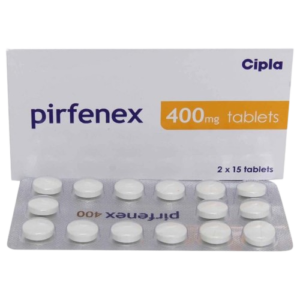
Pirfenex 400 mg Tablet
$95.00 – $285.00Price range: $95.00 through $285.00 This product has multiple variants. The options may be chosen on the product page
💜 Related Guides About Pirfenidone

Dr. Emily Carter specializes in evidence-based health education and wellness content. She focuses on simplifying complex medical topics related to cancer awareness, nutrition, preventive healthcare, skincare, and lifestyle wellness for readers worldwide.
This content is reviewed for medical accuracy, clarity, and alignment with current public health research. The article is intended for educational and informational purposes only and should not replace professional medical advice, diagnosis, or treatment.