
Fexofenadine vs Montair vs Omnacortil: What’s the Difference?
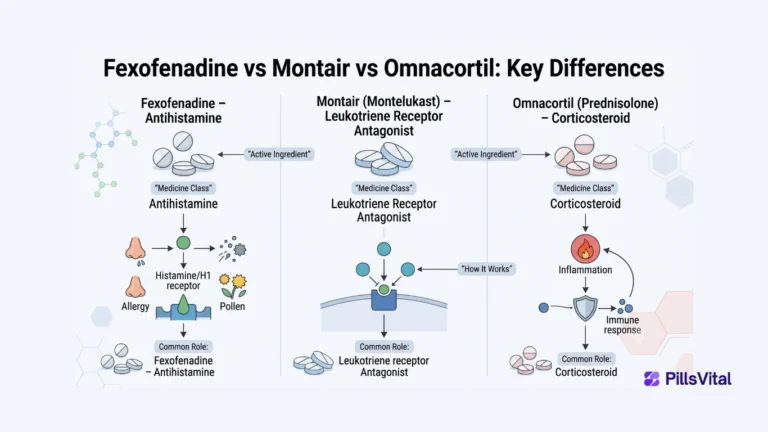
Allergy symptoms can look similar, but the medicines used to manage them can work in very different ways. Fexofenadine, Montair and Omnacortil are not the same type of medicine, even though they may sometimes be prescribed for conditions involving allergies or inflammation.
Fexofenadine is an antihistamine, Montair contains montelukast, a leukotriene receptor antagonist, while Omnacortil contains prednisolone, a corticosteroid.
Understanding these differences is important because one medicine should not automatically be substituted for another.
This guide explains the active ingredients, uses, mechanisms, common side effects and key differences between Fexofenadine, Montair and Omnacortil in simple terms.
Important: The exact formulation can vary by product and strength. Always check the medicine packaging and prescribing information for the specific product you have.
Fexofenadine vs Montair vs Omnacortil at a Glance
| Feature | Fexofenadine | Montair | Omnacortil |
|---|---|---|---|
| Active ingredient | Fexofenadine hydrochloride | Montelukast | Prednisolone |
| Medicine class | Antihistamine | Leukotriene receptor antagonist | Corticosteroid |
| Main action | Blocks histamine effects | Blocks leukotriene receptors | Reduces inflammation and immune activity |
| Common role | Allergy symptom relief | Allergic rhinitis and certain asthma-related conditions | Inflammatory and allergic conditions |
| Treats inflammation? | Limited | Indirectly helps certain inflammatory pathways | Yes, strongly |
| Can cause drowsiness? | Usually less likely | Usually not considered a sedating medicine | Not typically used for sedation |
| Long-term use | Depends on clinical need | Depends on clinical need | Requires particular medical supervision |
1. What Is Fexofenadine?
Fexofenadine is a second-generation antihistamine used to relieve symptoms associated with allergies and hives. For additional information, see the FDA’s information on fexofenadine.
Its active ingredient is fexofenadine hydrochloride. It works primarily by blocking the effects of histamine, a chemical involved in many allergic reactions.
When your body encounters an allergen, such as pollen, dust mites or certain other triggers, it can release histamine. Histamine can contribute to symptoms including:
- Sneezing
- Runny nose
- Itchy nose
- Itchy or watery eyes
- Skin itching
- Hives
By blocking histamine at H1 receptors, fexofenadine can help reduce these symptoms.
Is Fexofenadine a steroid?
No.
Fexofenadine is an antihistamine, not a corticosteroid.
This distinction is important when comparing it with Omnacortil, because Omnacortil contains prednisolone, which belongs to the corticosteroid class.
2. What Is Montair?
Montair is a brand associated with montelukast.
Montelukast belongs to a different medicine class called leukotriene receptor antagonists. Montelukast works differently from antihistamines and may be used for certain respiratory and allergy-related conditions. More information is available through MedlinePlus’ montelukast drug information.
Unlike fexofenadine, montelukast does not primarily work by blocking histamine.
Instead, it blocks the action of certain chemicals called leukotrienes. Leukotrienes are involved in airway inflammation, narrowing of the airways and some allergy-related inflammatory responses.
Montelukast may be prescribed for certain patients with:
- Allergic rhinitis
- Asthma management
- Exercise-induced bronchoconstriction
However, it is not simply a stronger version of fexofenadine.
The two medicines act through different pathways.
Is Montair an antihistamine?
No.
Montair’s active ingredient, montelukast, is a leukotriene receptor antagonist rather than an antihistamine.
That is one of the biggest differences between Montair and fexofenadine.
3. What Is Omnacortil?
Omnacortil contains prednisolone, a corticosteroid.
Prednisolone works differently from both fexofenadine and montelukast. It reduces inflammation and suppresses certain immune responses.
Because corticosteroids can have significant effects throughout the body, prednisolone is generally used when a healthcare professional considers its anti-inflammatory or immunosuppressive effects appropriate.
It may be prescribed for various inflammatory, allergic or immune-related conditions.
Is Omnacortil an antihistamine?
No.
Omnacortil is a corticosteroid, not an antihistamine.
Therefore:
Fexofenadine ≠ Montair ≠ Omnacortil
They belong to three different medicine classes. Prednisolone is a corticosteroid that can affect inflammation and immune responses. Patients can learn more about its uses and precautions from NHS information on prednisolone.
How Do Fexofenadine, Montair and Omnacortil Work?
The simplest way to understand the difference is to look at the chemical pathway each medicine targets.
Fexofenadine → Histamine
Fexofenadine blocks H1 histamine receptors.
Allergen → histamine release → allergy symptoms → fexofenadine blocks histamine effects
This makes it particularly useful for histamine-related symptoms such as itching, sneezing and watery eyes.
Montair → Leukotrienes
Montelukast blocks leukotriene receptors.
Inflammatory signals → leukotriene activity → airway/allergic inflammation → montelukast blocks leukotriene receptors
This pathway is particularly relevant to asthma and some allergic conditions.
Omnacortil → Inflammation and immune response
Prednisolone affects multiple inflammatory and immune pathways.
Inflammatory response → inflammation → prednisolone suppresses inflammatory activity
Because corticosteroids have broader effects, they can also have more significant systemic risks, particularly with prolonged or repeated use.
Fexofenadine vs Montair for Allergies
This is one of the most common comparisons people may make when looking for allergy treatment.
The important point is that they are not equivalent medicines.
Fexofenadine
Fexofenadine primarily targets histamine-related symptoms.
It may be useful when the main symptoms include:
- Sneezing
- Runny nose
- Itching
- Watery eyes
- Hives
Montelukast
Montelukast works on the leukotriene pathway and may be used when allergic rhinitis occurs alongside certain respiratory conditions, depending on the individual’s situation.
It is not generally considered a first-choice replacement for an antihistamine for every person with ordinary seasonal allergies.
Which is better?
There isn’t one universally “better” medicine.
The appropriate choice depends on:
- The symptoms being treated
- Whether asthma is also present
- Other medical conditions
- Other medicines being taken
- Previous response to treatment
- The healthcare professional’s assessment
Fexofenadine vs Omnacortil
Fexofenadine and Omnacortil are even more different.
Fexofenadine
- Antihistamine
- Targets histamine
- Primarily provides allergy symptom relief
- Generally designed for routine allergy symptom management when appropriate
Omnacortil
- Corticosteroid
- Reduces inflammation and immune activity
- Used for a much broader range of inflammatory conditions
- Requires more careful consideration because systemic corticosteroids can cause important adverse effects
Therefore, Omnacortil should not be viewed as a stronger version of fexofenadine.
They have completely different mechanisms and clinical roles.
Montair vs Omnacortil
Montair and Omnacortil also work through different mechanisms.
Montelukast targets leukotriene receptors, while prednisolone has broad anti-inflammatory and immunosuppressive effects.
This means that the two medicines should not be compared simply by asking which one is “stronger.”
The more useful question is:
Which medicine is appropriate for the particular condition and treatment goal?
For example, montelukast may be used in certain asthma or allergic rhinitis treatment plans, whereas prednisolone may be prescribed for conditions requiring stronger systemic anti-inflammatory or immunosuppressive treatment.
Can Fexofenadine, Montair and Omnacortil Be Taken Together?
Sometimes healthcare professionals may prescribe medicines from different classes together when there is a specific clinical reason.
However, you should not combine these medicines on your own simply because they treat allergy or inflammation.
The decision depends on:
- Your diagnosis
- Dosage and duration
- Other medicines
- Age
- Medical history
- Severity of symptoms
- Potential drug interactions and contraindications
In particular, prednisolone should be taken according to professional medical advice rather than added to an allergy treatment regimen independently.
Fexofenadine vs Montair vs Omnacortil: Side Effects
Each medicine has its own potential adverse effects.
Fexofenadine side effects
Possible side effects can include:
- Headache
- Nausea
- Dizziness
- Fatigue in some people
Fexofenadine is generally considered less likely to cause drowsiness than many older antihistamines, although individual responses can differ.
Montelukast side effects
Possible effects include:
- Headache
- Abdominal discomfort
- Nausea
- Other individual reactions
Montelukast also carries an important warning concerning neuropsychiatric effects, including changes in mood or behavior. Anyone experiencing concerning mood, behavior or sleep changes while taking it should contact a healthcare professional promptly. Because montelukast has an important warning concerning possible neuropsychiatric effects, patients should discuss its risks and benefits with a healthcare professional. See the FDA’s montelukast safety information for more details.
Prednisolone side effects
Prednisolone can cause different effects depending on the dose and duration of treatment.
Potential effects include:
- Increased appetite
- Fluid retention
- Indigestion
- Mood changes
- Increased blood glucose
- Increased susceptibility to infections
Longer-term or repeated corticosteroid use can carry additional risks, which is why treatment should be medically supervised.
Which One Causes the Most Drowsiness?
This comparison can be confusing because people often assume all allergy medicines cause similar sedation.
Fexofenadine is generally considered a low-sedating antihistamine.
Montelukast is not an antihistamine and is not generally used as a sedating medicine.
Prednisolone is also not an antihistamine and does not work through sedation.
Therefore, comparing them simply according to “which makes you sleepy” isn’t particularly useful because they are different types of medicines with different purposes.
Are Fexofenadine, Montair and Omnacortil Steroids?
No—all three should not be grouped together as steroids.
- Fexofenadine: Antihistamine
- Montelukast: Leukotriene receptor antagonist
- Prednisolone: Corticosteroid
Only Omnacortil (prednisolone) is a corticosteroid among these three.
Which Medicine Is Used for Runny Nose and Sneezing?
Runny nose and sneezing can have several causes, but when they are caused by allergies, an antihistamine such as fexofenadine may be used to relieve these symptoms.
Montelukast may have a role in selected patients, particularly when allergic rhinitis occurs with certain respiratory conditions.
Prednisolone is not generally something a person should self-start for ordinary sneezing or a mild runny nose.
The correct treatment depends on the underlying cause and severity.
Why You Shouldn't Choose an Allergy Medicine Based Only on Brand Name
Brand names can make medicines seem similar when their active ingredients are actually very different.
For example:
Fexofenadine → antihistamine
Montair → montelukast
Omnacortil → prednisolone
The active ingredient is therefore more important than simply comparing brand names.
When buying or taking a medicine, check:
- Active ingredient
- Strength
- Dosage instructions
- Intended use
- Warnings and precautions
- Expiry date
If you’re unsure whether two medicines can be substituted, ask a pharmacist or healthcare professional. When comparing different medicines, it is important to understand their active ingredients and intended uses rather than relying only on brand names. You can explore our Anti-Allergic medicines category to learn more about medicines commonly used for allergy-related conditions.
Quick Comparison: Fexofenadine vs Montair vs Omnacortil
| Question | Fexofenadine | Montair | Omnacortil |
|---|---|---|---|
| What is the active ingredient? | Fexofenadine hydrochloride | Montelukast | Prednisolone |
| Is it an antihistamine? | Yes | No | No |
| Is it a steroid? | No | No | Yes |
| Main pathway | Histamine/H1 receptors | Leukotriene receptors | Multiple inflammatory pathways |
| Common role | Allergy symptom relief | Allergic rhinitis/selected asthma-related use | Inflammatory and immune-related conditions |
| Should it be self-substituted? | No | No | No |
| Requires medical supervision? | Depends on use | Yes, particularly for appropriate indication | Particularly important |
Frequently Asked Questions
Is Fexofenadine the same as Montair?
No. Fexofenadine contains fexofenadine hydrochloride, an antihistamine. Montair contains montelukast, which is a leukotriene receptor antagonist.
Is Montair the same as an antihistamine?
No. Montair (montelukast) works on leukotriene receptors rather than blocking histamine H1 receptors.
Is Omnacortil an allergy medicine?
Omnacortil contains prednisolone, a corticosteroid that can be prescribed for certain allergic and inflammatory conditions. It should not be self-used as a routine allergy medicine.
Is Omnacortil stronger than Fexofenadine?
They cannot be meaningfully ranked as “stronger” because they are different classes of medicines with different mechanisms and purposes.
Can I replace Fexofenadine with Montair?
Do not automatically substitute one for the other. Although both can appear in treatment plans involving allergies, they work differently and may be prescribed for different reasons.
Can I take Fexofenadine and Montair together?
A healthcare professional may sometimes prescribe them together when clinically appropriate. Do not combine or change medicines without checking the recommended treatment for your condition.
Which is better for allergies: Fexofenadine or Montair?
Neither is universally better. Fexofenadine directly blocks histamine and is commonly used for allergy symptoms, while montelukast targets leukotrienes and may be appropriate in selected situations.
Is Omnacortil safe for long-term use?
Long-term corticosteroid treatment can have significant risks. Prednisolone should be used according to medical advice, with duration and dose determined by the healthcare professional. Because prolonged corticosteroid treatment can cause important side effects, prednisolone should be used according to medical advice. The NHS guidance on prednisolone provides additional information about treatment and potential risks.
Final Takeaway
Fexofenadine, Montair and Omnacortil are three different medicines with three different mechanisms.
Fexofenadine is an antihistamine that primarily helps control histamine-related allergy symptoms.
Montair (montelukast) works by blocking leukotriene receptors and may be used for allergic rhinitis and certain asthma-related conditions.
Omnacortil (prednisolone) is a corticosteroid that suppresses inflammation and immune activity and is used for selected inflammatory or allergic conditions under medical supervision.
Because these medicines are not interchangeable, choosing between them should depend on the condition being treated rather than simply which medicine appears “stronger.”
Always check the active ingredient and follow the dosing instructions provided by your doctor or pharmacist.
Related Health Resources
-
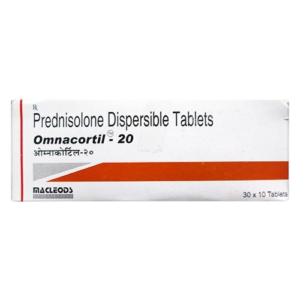
Prednisolone 20mg (Omnacortil) Tablets
$38.00 – $110.00Price range: $38.00 through $110.00 This product has multiple variants. The options may be chosen on the product page -
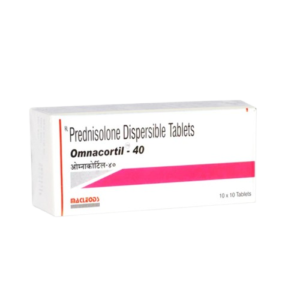
Prednisolone 40mg (Omnacortil) Tablets
$41.00 – $118.00Price range: $41.00 through $118.00 This product has multiple variants. The options may be chosen on the product page -
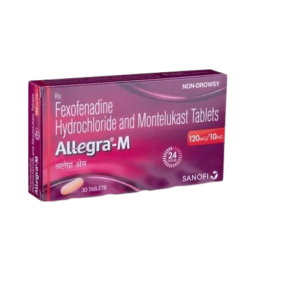
Allegra M (Fexofenadine) Tablets
$55.00 – $160.00Price range: $55.00 through $160.00 This product has multiple variants. The options may be chosen on the product page -
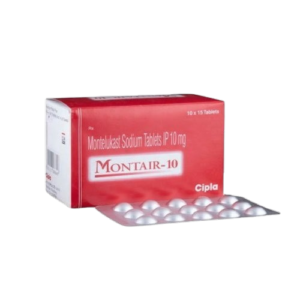
Montelukast 10mg (Montair) Tablet
$52.00 – $140.00Price range: $52.00 through $140.00 This product has multiple variants. The options may be chosen on the product page
🩺 Related Allergy Guides




Dr. Emily Carter specializes in evidence-based health education and wellness content. She focuses on simplifying complex medical topics related to cancer awareness, nutrition, preventive healthcare, skincare, and lifestyle wellness for readers worldwide.
This content is reviewed for medical accuracy, clarity, and alignment with current public health research. The article is intended for educational and informational purposes only and should not replace professional medical advice, diagnosis, or treatment.