
Exercise and Chronic Disease Management: Complete Beginner Guide (2026)
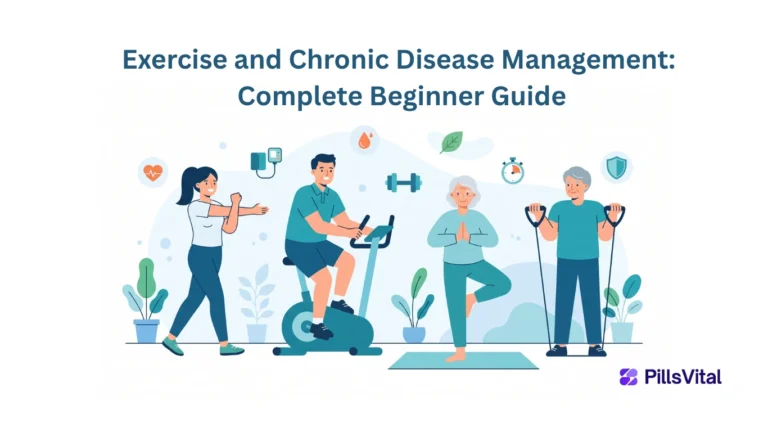
Millions of people live with chronic diseases such as diabetes, heart disease, obesity, arthritis, and high blood pressure. While medications play an important role, regular physical activity is one of the most effective lifestyle strategies for improving overall health and reducing disease complications.
The good news is that you do not need to become an athlete to experience these benefits. Even simple activities like walking, stretching, swimming, or cycling can improve cardiovascular fitness, strengthen muscles, support weight management, and enhance mental well-being.
Whether you have recently been diagnosed with a chronic condition or want to reduce your future health risks, this beginner-friendly guide explains how exercise helps, what activities are safest, and how to build a sustainable routine.
Why Exercise Matters for Chronic Diseases
Exercise influences nearly every organ system in the body.
Regular movement helps:
- Lower blood pressure
- Improve insulin sensitivity
- Strengthen the heart
- Reduce inflammation
- Increase energy
- Improve sleep quality
- Maintain healthy body weight
- Reduce anxiety and depression
Research consistently shows that physically active individuals have a lower risk of developing many chronic illnesses compared with sedentary adults.
The World Health Organization Physical Activity Guidelines recommend that adults engage in regular physical activity each week to reduce the risk of chronic diseases, improve cardiovascular health, and enhance overall well-being.
Chronic Diseases That Benefit from Regular Exercise
Exercise supports many long-term health conditions.
These include:
- Type 2 diabetes
- Heart disease
- High blood pressure
- Obesity
- Arthritis
- Osteoporosis
- Chronic back pain
- Depression
- Anxiety
- Some cancer survivors
People with multiple chronic conditions often experience improvements in mobility, independence, and quality of life after beginning a safe exercise routine.
Chronic Diseases That Benefit from Regular Exercise
Regular physical activity is one of the most effective lifestyle habits for managing chronic diseases. Exercise improves how your heart, muscles, lungs, brain, and immune system function, helping reduce symptoms and lower the risk of complications. Whether you are newly diagnosed or have been living with a chronic condition for years, staying active can improve your overall quality of life.
Here are some of the most common chronic diseases that benefit from regular exercise.
Type 2 Diabetes
Exercise helps your muscles use glucose for energy, which naturally lowers blood sugar levels. It also improves insulin sensitivity, allowing your body to use insulin more effectively. Over time, consistent physical activity may help people with type 2 diabetes maintain healthier blood sugar levels, reduce the risk of complications, and support a healthy weight.
Recommended activities include:
- Brisk walking
- Cycling
- Swimming
- Resistance training
- Low-impact aerobic exercises
Heart Disease
Heart disease remains one of the leading causes of death worldwide, but regular exercise can significantly improve cardiovascular health. Physical activity strengthens the heart muscle, improves circulation, lowers blood pressure, and helps manage cholesterol levels. It also reduces the workload on the heart during daily activities.
People with heart disease should always consult their healthcare provider before beginning a new exercise program.
High Blood Pressure
High blood pressure often develops without noticeable symptoms, making it a silent health risk. Regular aerobic exercise helps blood vessels become more flexible, allowing blood to flow more efficiently. Over time, this may contribute to healthier blood pressure levels and reduce the risk of heart attack and stroke.
Good options include:
- Walking
- Swimming
- Light jogging
- Cycling
- Dancing
Obesity
Excess body weight increases the risk of diabetes, heart disease, sleep disorders, and certain cancers. Exercise burns calories, builds lean muscle, and boosts metabolism. When combined with a balanced diet, regular physical activity supports gradual and sustainable weight loss while improving overall health.
Arthritis
Many people with arthritis avoid exercise because they fear worsening joint pain. However, appropriate low-impact activities can actually reduce stiffness, improve flexibility, strengthen muscles around the joints, and decrease pain over time.
Helpful exercises include:
- Water aerobics
- Swimming
- Yoga
- Stretching
- Walking
Osteoporosis
Weight-bearing and resistance exercises help strengthen bones and slow bone loss. Regular physical activity also improves balance and coordination, reducing the risk of falls and fractures, especially in older adults.
Examples include:
- Walking
- Light strength training
- Stair climbing
- Resistance band exercises
Chronic Back Pain
For many people, staying inactive may worsen chronic back pain. Gentle strengthening and stretching exercises improve posture, increase flexibility, and strengthen the muscles that support the spine. A structured exercise program can reduce pain and improve daily function.
Depression and Anxiety
Exercise benefits mental health as much as physical health. Physical activity stimulates the release of endorphins and other brain chemicals that improve mood, reduce stress, and promote relaxation. People who exercise regularly often report reduced symptoms of anxiety and depression, along with improved confidence and emotional well-being.
Cancer Survivors
Many cancer survivors experience fatigue, reduced strength, and decreased mobility after treatment. With medical approval, regular exercise can improve energy levels, increase muscle strength, support cardiovascular health, and enhance overall quality of life during recovery.
People living with multiple chronic diseases often experience even greater benefits from regular physical activity. Improved mobility, better balance, increased independence, enhanced energy levels, and a lower risk of hospitalization are just a few of the long-term advantages of maintaining an active lifestyle.
How Exercise Helps Your Body
Exercise produces positive changes throughout nearly every system in your body. While the benefits may not appear overnight, consistent physical activity can improve your health in numerous ways over time.
Improves Blood Sugar Control
When you exercise, your muscles require energy to perform physical work. They use glucose from your bloodstream as fuel, which naturally lowers blood sugar levels during and after activity. Exercise also increases insulin sensitivity, allowing your body’s cells to absorb glucose more efficiently.
For people living with type 2 diabetes or prediabetes, regular physical activity can help improve blood sugar management when combined with a healthy eating plan and medical care. Even moderate exercise, such as a 30-minute walk most days of the week, can make a meaningful difference over time.
To further support healthy blood sugar levels through nutrition, read our guide on Foods That Help Prevent Chronic Diseases Naturally.
Supports Heart Health
Your heart is a muscle, and like other muscles in your body, it becomes stronger with regular exercise. Aerobic activities increase your heart rate, improving the efficiency of your cardiovascular system and helping your heart pump blood more effectively.
Regular physical activity provides several heart-health benefits, including:
- Improved blood circulation
- Lower resting heart rate
- Reduced LDL (“bad”) cholesterol
- Increased HDL (“good”) cholesterol
- Lower blood pressure
- Improved oxygen delivery throughout the body
- Reduced risk of heart attack and stroke
Simple activities such as brisk walking, cycling, swimming, or dancing for at least 30 minutes on most days can significantly improve heart health.
For additional guidance on exercising safely for cardiovascular health, review the American Heart Association Physical Activity Recommendations, which provide evidence-based advice for adults of all fitness levels.
Helps With Weight Management
Maintaining a healthy body weight is one of the most important factors in preventing and managing chronic diseases. Exercise helps create a calorie deficit by increasing energy expenditure while preserving lean muscle mass. Muscle tissue burns more calories than fat tissue, even while resting, making strength training an important part of long-term weight management.
Regular exercise also helps regulate hormones involved in hunger and fullness, making it easier for many people to maintain healthy eating habits.
Combining regular physical activity with balanced nutrition provides the best long-term results for healthy weight management.
Learn more in our guide on Healthy Weight Loss Strategies That Actually Work.
Reduces Chronic Inflammation
Chronic low-grade inflammation is associated with many long-term health conditions, including heart disease, diabetes, obesity, arthritis, and certain cancers. Unlike short-term inflammation that helps the body heal after injury, chronic inflammation may gradually damage tissues and organs over time.
Regular moderate exercise helps regulate inflammatory responses by improving immune system function, reducing excess body fat, and promoting the release of natural anti-inflammatory substances. Consistent physical activity may also improve circulation, allowing nutrients and oxygen to reach tissues more efficiently.
These benefits contribute to better overall health and may reduce the progression of certain chronic conditions.
Improves Mental Health
Exercise supports both physical and emotional well-being. During physical activity, your brain releases endorphins, serotonin, and dopamine—chemicals that help improve mood, reduce stress, and promote feelings of well-being.
People who exercise regularly often experience:
- Lower stress levels
- Improved mood
- Better concentration
- Higher energy levels
- Increased self-confidence
- Better sleep quality
- Reduced symptoms of anxiety and depression
Physical activity can also provide opportunities for social interaction, spending time outdoors, and developing healthy daily routines, all of which contribute to better mental health.
Even light activities such as walking in nature, yoga, stretching, or gardening can have a positive impact on emotional well-being when performed consistently.
Best Exercises for Beginners
Starting an exercise routine doesn’t mean you need to spend hours in the gym or perform high-intensity workouts. The most effective exercise program is one that matches your current fitness level, health condition, and personal goals. If you are living with a chronic disease, beginning with low-impact activities and gradually increasing your intensity can help you build strength safely while reducing the risk of injury.
The key is consistency rather than intensity. Even 20 to 30 minutes of physical activity most days of the week can provide significant health benefits over time.
Here are some of the best beginner-friendly exercises for improving overall health and managing chronic diseases.
1. Walking
Walking is one of the easiest and most accessible forms of exercise. It requires no special equipment other than a comfortable pair of walking shoes and can be done almost anywhere. Because it is a low-impact activity, walking is suitable for people of all ages and fitness levels.
Regular walking helps improve cardiovascular health, supports healthy blood sugar levels, aids weight management, strengthens muscles, and enhances mood. It also reduces stress and improves overall endurance.
Benefits of Walking:
- Easy to start with no previous experience
- Free or low cost
- Suitable for most age groups
- Improves heart and lung function
- Helps manage body weight
- Supports healthy blood pressure
- Boosts mental well-being
Beginner Tip: Start with a 10–15 minute walk at a comfortable pace and gradually increase your duration until you reach 30 minutes on most days of the week.
2. Swimming
Swimming is an excellent full-body workout that places minimal stress on the joints. The buoyancy of water supports your body weight, making it especially beneficial for individuals with arthritis, obesity, joint pain, or mobility limitations.
Swimming improves cardiovascular fitness while strengthening muscles throughout the body. It also increases flexibility and endurance without causing excessive strain.
Benefits of Swimming:
- Low-impact exercise that’s gentle on joints
- Excellent for people with arthritis
- Strengthens both upper and lower body muscles
- Improves heart and lung health
- Enhances endurance and flexibility
- Helps burn calories efficiently
Beginner Tip: Begin with short sessions of 15–20 minutes and take breaks as needed while building your stamina.
3. Cycling
Cycling is another joint-friendly aerobic exercise that improves cardiovascular health and strengthens the lower body. Whether you ride outdoors or use a stationary bike at home or in a gym, cycling helps increase endurance while reducing pressure on the knees and hips compared to high-impact exercises like running.
Cycling is particularly helpful for people aiming to lose weight, improve heart health, or increase overall fitness.
Benefits of Cycling:
- Strengthens leg muscles
- Improves cardiovascular fitness
- Burns calories effectively
- Easy on the knees and joints
- Enhances stamina and endurance
- Supports healthy blood circulation
Beginner Tip: Start with 15–20 minutes at a moderate pace two or three times per week before gradually increasing your duration.
4. Yoga
Yoga combines gentle physical movement, controlled breathing, and mindfulness. It improves flexibility, muscle strength, posture, balance, and relaxation while reducing stress and anxiety.
Many yoga poses can be modified for beginners, making it suitable for people with chronic pain, arthritis, heart disease, or limited mobility. Regular practice may also improve sleep quality and reduce muscle stiffness.
Benefits of Yoga:
- Improves flexibility and joint mobility
- Strengthens core muscles
- Reduces stress and anxiety
- Improves balance and coordination
- Supports better posture
- Promotes relaxation and quality sleep
Beginner Tip: Choose beginner or chair yoga classes and focus on proper breathing rather than perfect poses.
5. Strength Training
Strength training is important for people of all ages—not just athletes. Building muscle helps improve metabolism, maintain bone density, enhance balance, and support healthy aging. Stronger muscles also make everyday activities like climbing stairs, carrying groceries, or getting out of a chair much easier.
Beginners do not need heavy weights to experience benefits. Resistance bands, light dumbbells, or bodyweight exercises can effectively build strength while reducing injury risk.
Benefits of Strength Training:
- Preserves and builds lean muscle mass
- Supports a healthy metabolism
- Improves bone strength and density
- Enhances balance and stability
- Helps control blood sugar levels
- Reduces the risk of falls in older adults
Beginner Exercises Include:
- Bodyweight squats
- Wall push-ups
- Chair sit-to-stands
- Resistance band rows
- Light dumbbell curls
- Step-ups
Beginner Tip: Perform strength training two to three times per week, allowing at least one day of rest between sessions to support muscle recovery.
If you’re unsure how to begin exercising safely, the Centers for Disease Control and Prevention Physical Activity Basics offers practical tips for starting and maintaining an active lifestyle.
How to Choose the Right Exercise
The best exercise is one that you enjoy and can perform consistently. When selecting an activity, consider your age, fitness level, medical conditions, and personal preferences.
For example:
| Health Goal | Recommended Exercise |
|---|---|
| Improve heart health | Walking, cycling, swimming |
| Manage diabetes | Walking, resistance training, cycling |
| Lose weight | Brisk walking, cycling, swimming |
| Reduce joint pain | Swimming, yoga, walking |
| Improve flexibility | Yoga, stretching |
| Build muscle | Strength training, resistance bands |
| Reduce stress | Yoga, walking outdoors |
Remember, consistency is more important than intensity. Starting with manageable activities and gradually increasing your effort over time can lead to lasting improvements in your physical and mental health while helping manage chronic diseases safely.
How Much Exercise Do You Need?
The WHO recommends:
- 150–300 minutes of moderate aerobic activity weekly
OR
- 75–150 minutes of vigorous activity
Plus
- Muscle-strengthening exercises at least twice weekly.
Small amounts of activity are still better than none.
Best Exercises for Beginners
Starting an exercise routine doesn’t mean you need to spend hours in the gym or perform high-intensity workouts. The most effective exercise program is one that matches your current fitness level, health condition, and personal goals. If you are living with a chronic disease, beginning with low-impact activities and gradually increasing your intensity can help you build strength safely while reducing the risk of injury.
The key is consistency rather than intensity. Even 20 to 30 minutes of physical activity most days of the week can provide significant health benefits over time.
Here are some of the best beginner-friendly exercises for improving overall health and managing chronic diseases.
1. Walking
Walking is one of the easiest and most accessible forms of exercise. It requires no special equipment other than a comfortable pair of walking shoes and can be done almost anywhere. Because it is a low-impact activity, walking is suitable for people of all ages and fitness levels.
Regular walking helps improve cardiovascular health, supports healthy blood sugar levels, aids weight management, strengthens muscles, and enhances mood. It also reduces stress and improves overall endurance.
Benefits of Walking:
- Easy to start with no previous experience
- Free or low cost
- Suitable for most age groups
- Improves heart and lung function
- Helps manage body weight
- Supports healthy blood pressure
- Boosts mental well-being
Beginner Tip: Start with a 10–15 minute walk at a comfortable pace and gradually increase your duration until you reach 30 minutes on most days of the week.
2. Swimming
Swimming is an excellent full-body workout that places minimal stress on the joints. The buoyancy of water supports your body weight, making it especially beneficial for individuals with arthritis, obesity, joint pain, or mobility limitations.
Swimming improves cardiovascular fitness while strengthening muscles throughout the body. It also increases flexibility and endurance without causing excessive strain.
Benefits of Swimming:
- Low-impact exercise that’s gentle on joints
- Excellent for people with arthritis
- Strengthens both upper and lower body muscles
- Improves heart and lung health
- Enhances endurance and flexibility
- Helps burn calories efficiently
Beginner Tip: Begin with short sessions of 15–20 minutes and take breaks as needed while building your stamina.
3. Cycling
Cycling is another joint-friendly aerobic exercise that improves cardiovascular health and strengthens the lower body. Whether you ride outdoors or use a stationary bike at home or in a gym, cycling helps increase endurance while reducing pressure on the knees and hips compared to high-impact exercises like running.
Cycling is particularly helpful for people aiming to lose weight, improve heart health, or increase overall fitness.
Benefits of Cycling:
- Strengthens leg muscles
- Improves cardiovascular fitness
- Burns calories effectively
- Easy on the knees and joints
- Enhances stamina and endurance
- Supports healthy blood circulation
Beginner Tip: Start with 15–20 minutes at a moderate pace two or three times per week before gradually increasing your duration.
4. Yoga
Yoga combines gentle physical movement, controlled breathing, and mindfulness. It improves flexibility, muscle strength, posture, balance, and relaxation while reducing stress and anxiety.
Many yoga poses can be modified for beginners, making it suitable for people with chronic pain, arthritis, heart disease, or limited mobility. Regular practice may also improve sleep quality and reduce muscle stiffness.
Benefits of Yoga:
- Improves flexibility and joint mobility
- Strengthens core muscles
- Reduces stress and anxiety
- Improves balance and coordination
- Supports better posture
- Promotes relaxation and quality sleep
Beginner Tip: Choose beginner or chair yoga classes and focus on proper breathing rather than perfect poses.
5. Strength Training
Strength training is important for people of all ages—not just athletes. Building muscle helps improve metabolism, maintain bone density, enhance balance, and support healthy aging. Stronger muscles also make everyday activities like climbing stairs, carrying groceries, or getting out of a chair much easier.
Beginners do not need heavy weights to experience benefits. Resistance bands, light dumbbells, or bodyweight exercises can effectively build strength while reducing injury risk.
Benefits of Strength Training:
- Preserves and builds lean muscle mass
- Supports a healthy metabolism
- Improves bone strength and density
- Enhances balance and stability
- Helps control blood sugar levels
- Reduces the risk of falls in older adults
Beginner Exercises Include:
- Bodyweight squats
- Wall push-ups
- Chair sit-to-stands
- Resistance band rows
- Light dumbbell curls
- Step-ups
Beginner Tip: Perform strength training two to three times per week, allowing at least one day of rest between sessions to support muscle recovery.
How to Choose the Right Exercise
The best exercise is one that you enjoy and can perform consistently. When selecting an activity, consider your age, fitness level, medical conditions, and personal preferences.
For example:
| Health Goal | Recommended Exercise |
|---|---|
| Improve heart health | Walking, cycling, swimming |
| Manage diabetes | Walking, resistance training, cycling |
| Lose weight | Brisk walking, cycling, swimming |
| Reduce joint pain | Swimming, yoga, walking |
| Improve flexibility | Yoga, stretching |
| Build muscle | Strength training, resistance bands |
| Reduce stress | Yoga, walking outdoors |
Remember, consistency is more important than intensity. Starting with manageable activities and gradually increasing your effort over time can lead to lasting improvements in your physical and mental health while helping manage chronic diseases safely.
Beginner Weekly Exercise Plan
Creating a weekly exercise routine is one of the best ways to build healthy habits and improve your overall fitness. For beginners and people managing chronic diseases, the goal is not to exercise at maximum intensity but to stay active consistently. A balanced plan should include aerobic exercise, strength training, flexibility exercises, and adequate recovery time.
Before starting any new exercise program, consult your healthcare provider if you have heart disease, diabetes, arthritis, or another chronic medical condition.
Below is a simple beginner-friendly weekly exercise plan that can be adjusted according to your fitness level and health needs.
Monday: 30-Minute Brisk Walk
Start your week with a brisk walk to improve cardiovascular fitness and boost your energy levels. Walking is one of the safest and most effective forms of exercise for beginners because it requires no special equipment and can be done almost anywhere.
Begin with a 5-minute warm-up by walking at a comfortable pace. Gradually increase your speed for the next 20 minutes until you are walking briskly enough to slightly increase your breathing while still being able to hold a conversation. Finish with a 5-minute cool-down at a slower pace.
Benefits:
- Improves heart health
- Helps regulate blood sugar
- Burns calories
- Increases endurance
- Reduces stress
Total Time: Approximately 30 minutes
Tuesday: Stretching and Light Yoga
After Monday’s walking session, focus on improving flexibility and mobility. Stretching and beginner yoga help relax tight muscles, improve posture, reduce stiffness, and lower stress levels.
Spend 10 to 15 minutes performing gentle stretches for your neck, shoulders, back, hips, hamstrings, and calves. Follow this with 15 to 20 minutes of beginner-friendly yoga poses such as Child’s Pose, Cat-Cow Stretch, Mountain Pose, Cobra Pose, and Seated Forward Bend.
Remember to breathe slowly and avoid forcing your body into uncomfortable positions.
Benefits:
- Improves flexibility
- Reduces muscle stiffness
- Enhances balance
- Promotes relaxation
- Supports joint health
Total Time: 25–35 minutes
Wednesday: Strength Training (20 Minutes)
Strength training helps build muscle, improve bone health, increase metabolism, and support better balance. Beginners do not need heavy weights. Bodyweight exercises, resistance bands, or light dumbbells provide excellent results.
Begin with a 5-minute warm-up such as marching in place or gentle walking. Then perform one or two sets of the following exercises:
- Chair squats (10–12 repetitions)
- Wall push-ups (10 repetitions)
- Resistance band rows (10–12 repetitions)
- Standing shoulder press with light dumbbells (10 repetitions)
- Glute bridges (10–15 repetitions)
Rest for 30 to 60 seconds between exercises and finish with gentle stretching.
Benefits:
- Builds lean muscle
- Strengthens bones
- Improves metabolism
- Enhances balance and posture
- Makes daily activities easier
Total Time: About 20–30 minutes
Thursday: Walking and Light Mobility
Return to walking to improve endurance while allowing your muscles to recover from strength training.
Walk for 30 minutes at a moderate pace. If you feel comfortable, include short intervals of faster walking for one minute followed by two minutes at a normal pace.
Finish with 5 to 10 minutes of gentle stretching for your legs and lower back.
Benefits:
- Improves cardiovascular fitness
- Increases stamina
- Supports weight management
- Promotes active recovery
Total Time: 30–40 minutes
Friday: Cycling or Swimming
Choose either cycling or swimming depending on your preference and access to facilities. Both activities provide excellent cardiovascular exercise while placing less stress on the joints than running.
If cycling, ride at a comfortable pace for 20 to 30 minutes. If swimming, perform easy laps or water walking for the same duration.
Maintain a steady pace rather than pushing yourself to maximum effort.
Benefits:
- Strengthens the heart
- Improves endurance
- Burns calories
- Supports healthy joints
- Builds lower-body strength
Total Time: 20–30 minutes
Saturday: Light Recreational Activity
Exercise does not always have to feel like a workout. Saturday is a great opportunity to stay active by doing something enjoyable with family or friends.
Examples include:
- Gardening
- Dancing
- Hiking on an easy trail
- Playing with children or grandchildren
- Walking your dog
- Light recreational sports
- Casual cycling
The goal is simply to keep moving while enjoying yourself.
Benefits:
- Increases daily physical activity
- Reduces stress
- Improves mood
- Encourages long-term exercise habits
- Makes fitness more enjoyable
Recommended Time: 30–60 minutes
Sunday: Rest and Gentle Stretching
Rest is an important part of every exercise program. During rest, your muscles recover, rebuild, and become stronger. Taking one recovery day each week also reduces the risk of overuse injuries and burnout.
Although this is a rest day, avoid remaining completely inactive. Gentle stretching, deep breathing exercises, or a short leisurely walk can improve circulation and reduce muscle stiffness.
You can also practice relaxation techniques such as meditation or mindfulness to support both physical and mental recovery.
Benefits:
- Promotes muscle recovery
- Reduces soreness
- Prevents overtraining
- Improves flexibility
- Supports overall well-being
Recommended Time: 10–20 minutes
Sunday: Rest and Gentle Stretching
| Day | Activity | Duration |
|---|---|---|
| Monday | Brisk walking | 30 minutes |
| Tuesday | Stretching + Beginner yoga | 25–35 minutes |
| Wednesday | Strength training | 20–30 minutes |
| Thursday | Walking + Mobility | 30–40 minutes |
| Friday | Cycling or Swimming | 20–30 minutes |
| Saturday | Light recreational activity | 30–60 minutes |
| Sunday | Rest + Gentle stretching | 10–20 minutes |
Tips for Success
- Start slowly and gradually increase your activity level each week.
- Always warm up before exercising and cool down afterward.
- Drink plenty of water before, during, and after exercise.
- Wear supportive footwear and comfortable clothing.
- Listen to your body and stop exercising if you experience chest pain, severe dizziness, or unusual shortness of breath.
- Aim for consistency rather than perfection—regular movement is more beneficial than occasional intense workouts.
Following this beginner-friendly weekly plan can help improve cardiovascular health, strengthen muscles, increase flexibility, support healthy weight management, and make exercise a sustainable part of your lifestyle.
Tips for Staying Consistent
Start slowly.
Set realistic goals.
Wear comfortable shoes.
Exercise with friends.
Track progress.
Celebrate small improvements.
Remember that consistency matters far more than intensity.
Safety Tips Before Starting Exercise
Consult your healthcare provider if you have:
- Heart disease
- Severe arthritis
- Diabetes complications
- Chest pain
- Breathing problems
Stop exercising immediately if you experience:
- Severe chest pain
- Dizziness
- Shortness of breath
- Fainting
Common Mistakes Beginners Make
Skipping warm-ups
Doing too much too soon
Ignoring pain
Poor hydration
Inconsistent schedules
Comparing progress with others
Exercise and Weight Loss
Many people begin exercising with the goal of losing weight, but it’s important to understand that exercise is only one part of a successful weight management plan. While physical activity helps burn calories and improve overall fitness, long-term weight loss is most effective when it is combined with balanced nutrition, quality sleep, stress management, and consistent healthy habits.
Rather than focusing on rapid weight loss, aim for gradual, sustainable changes that support your overall health. Even if the number on the scale changes slowly, regular exercise provides numerous benefits that improve your body’s ability to maintain a healthy weight over time.
To better understand how physical activity supports weight management and long-term health, explore the Harvard T.H. Chan School of Public Health Physical Activity resource for science-backed information on exercise and healthy living.
How Exercise Supports Weight Loss
Exercise increases the amount of energy your body uses, helping create a calorie deficit when combined with healthy eating. A calorie deficit occurs when you burn more calories than you consume, encouraging your body to use stored fat for energy.
Regular physical activity also offers several additional benefits that support healthy weight management:
- Burns calories during and after exercise
- Preserves lean muscle while losing fat
- Boosts metabolism by increasing muscle mass
- Improves insulin sensitivity
- Helps regulate appetite hormones
- Reduces abdominal fat over time
- Increases daily energy levels
- Supports better long-term weight maintenance
Although exercise contributes to weight loss, nutrition generally has the greatest influence on creating a sustainable calorie deficit. Combining both strategies often produces the best results.
Cardio and Strength Training: Why You Need Both
Many beginners believe they should only perform cardio exercises to lose weight. However, combining cardiovascular exercise with strength training provides better long-term results.
Cardiovascular Exercise
Cardio activities increase your heart rate and help burn calories during exercise.
Examples include:
- Brisk walking
- Cycling
- Swimming
- Jogging
- Dancing
These activities improve heart health, increase endurance, and support fat loss.
Strength Training
Strength training builds and preserves lean muscle mass. Muscle tissue burns more calories than fat tissue, even while your body is resting. Maintaining muscle during weight loss also helps prevent your metabolism from slowing down.
Beginner-friendly strength exercises include:
- Bodyweight squats
- Wall push-ups
- Resistance band exercises
- Light dumbbell workouts
- Chair sit-to-stands
For most adults, combining 150 minutes of moderate aerobic activity each week with two or more strength-training sessions provides excellent health benefits.
Exercise Helps Reduce Belly Fat
Excess abdominal fat is associated with an increased risk of chronic diseases such as type 2 diabetes, heart disease, and high blood pressure.
While it’s not possible to lose fat from only one area of the body through targeted exercises, regular physical activity helps reduce overall body fat, including fat stored around the abdomen.
Pairing exercise with healthy eating habits is the most effective approach for reducing belly fat safely.
Healthy Habits That Improve Weight Loss Results
Exercise works best when combined with other healthy lifestyle choices. Small daily habits can make a significant difference over time.
These include:
- Eating a balanced diet rich in vegetables, fruits, whole grains, lean proteins, and healthy fats
- Drinking enough water throughout the day
- Limiting sugary drinks and highly processed foods
- Managing stress through relaxation techniques or mindfulness
- Avoiding smoking and excessive alcohol consumption
- Staying physically active throughout the day, not just during workouts
These habits not only support weight loss but also reduce the risk of many chronic diseases.
The Importance of Sleep in Weight Management
Sleep is often overlooked, but it plays a vital role in maintaining a healthy weight. Poor sleep can disrupt hormones that regulate hunger and fullness, leading to increased cravings, larger portion sizes, and reduced energy for physical activity.
People who consistently sleep too little may also experience slower recovery after exercise, higher stress hormone levels, and greater difficulty maintaining healthy habits.
To learn how sleep affects your overall health and chronic disease risk, read our guide on The Link Between Poor Sleep and Chronic Diseases.
Be Patient With Your Progress
Healthy weight loss takes time. It is normal for progress to vary from week to week, and short-term fluctuations on the scale do not always reflect meaningful changes in body composition.
Instead of focusing only on weight, pay attention to other signs of progress, such as:
- Increased energy levels
- Better endurance
- Improved strength
- Better sleep quality
- Looser-fitting clothes
- Improved mood
- Lower blood pressure or blood sugar levels (when monitored by your healthcare provider)
These improvements are valuable indicators that your healthy lifestyle is benefiting your body.
Can Exercise Prevent Chronic Diseases?
Regular exercise cannot eliminate every health risk, but it significantly lowers the likelihood of developing many chronic conditions.
Combined with:
- Healthy eating
- Quality sleep
- Stress management
- Routine medical checkups
- Avoiding tobacco
Exercise becomes one of the strongest investments in long-term health.
Managing stress is just as important as staying physically active because long-term stress can contribute to high blood pressure, poor sleep, inflammation, and other chronic health conditions. Learn more in our guide, Stress and Chronic Diseases: Understanding the Hidden Connection, to discover how chronic stress affects your body and practical ways to reduce its impact.
❓ FAQs
Can beginners exercise with chronic diseases?
Yes. Most people can safely begin with low-impact activities after consulting their healthcare provider.
Is walking enough?
Walking is one of the best beginner exercises and provides substantial health benefits when performed consistently.
How soon will I notice results?
Many people experience increased energy and improved mood within a few weeks, while measurable health improvements may take several months.
Which exercise burns the most calories?
Running generally burns more calories than walking, but the best exercise is the one you can perform consistently.
Should older adults exercise?
Yes. Age-appropriate exercise helps maintain independence, muscle strength, and balance.
Conclusion
Exercise is one of the most powerful and accessible tools for managing chronic diseases. You don’t need expensive equipment or intense workouts to improve your health. Starting with simple activities like walking, stretching, or cycling can lead to meaningful improvements in blood sugar control, heart health, mobility, mental well-being, and overall quality of life.
By combining regular physical activity with nutritious eating, quality sleep, stress management, and routine medical care, you can build habits that support long-term health and reduce the impact of chronic conditions.
Related Health Resources
-
Rosuvastatin 5mg (Crestor) Tablets
$78.00 – $150.00Price range: $78.00 through $150.00 This product has multiple variants. The options may be chosen on the product page -

Metformin 500mg (Okamet) Tablets
$48.00 – $92.00Price range: $48.00 through $92.00 This product has multiple variants. The options may be chosen on the product page -
Thyroxine 125mcg (Eltroxin) Tablets
$40.00 – $112.00Price range: $40.00 through $112.00 This product has multiple variants. The options may be chosen on the product page -

Asthalin Respirator Solution 15ml (Salbutamol)
$15.00 – $41.00Price range: $15.00 through $41.00 This product has multiple variants. The options may be chosen on the product page
🩺 Related Guides




Dr. Emily Carter specializes in evidence-based health education and wellness content. She focuses on simplifying complex medical topics related to cancer awareness, nutrition, preventive healthcare, skincare, and lifestyle wellness for readers worldwide.
This content is reviewed for medical accuracy, clarity, and alignment with current public health research. The article is intended for educational and informational purposes only and should not replace professional medical advice, diagnosis, or treatment.