
Can Ivermectin Be Taken With Other Medications? Understanding Potential Drug Interactions

Many people who are prescribed ivermectin ask the same question:
“Can I take ivermectin with my other medications?”
The answer depends on several factors, including your current prescriptions, underlying medical conditions, liver function, and the type of medications you use every day.
Although ivermectin is generally well tolerated when used for approved medical conditions, certain medications may affect how it is absorbed, metabolized, or eliminated from the body. In some situations, combining ivermectin with other medicines may increase the risk of side effects or require additional monitoring by a healthcare professional.
Drug interactions do not always mean two medicines cannot be taken together. Often, they simply mean your healthcare provider may need to adjust the dose, recommend laboratory monitoring, or watch for specific symptoms during treatment.
Whether you take blood thinners such as Warfarin, Eliquis (Apixaban), Xarelto (Rivaroxaban), or Plavix (Clopidogrel), antibiotics like Amoxicillin, antifungal medicines, seizure medications, or herbal supplements, understanding potential interactions can help you use ivermectin more safely.
In this comprehensive guide, you’ll learn:
- How ivermectin is processed in the body
- Which medications may interact with ivermectin
- Blood thinner interactions (Warfarin, Eliquis, Xarelto, Plavix)
- Antibiotic interactions including Amoxicillin
- Antifungal and seizure medication interactions
- Supplements and herbal products to discuss with your healthcare provider
- Warning signs of a possible drug interaction
- Practical tips to reduce your risk of medication-related problems
Whether you are taking ivermectin for a parasitic infection or another approved medical use, this guide will help you better understand potential drug interactions and support informed discussions with your healthcare provider.
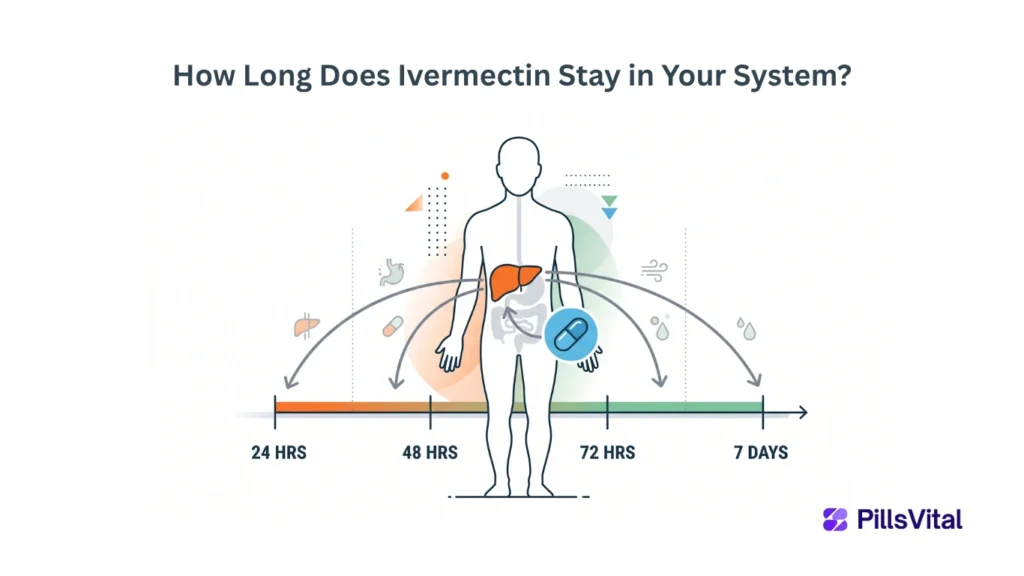
Before taking ivermectin, it’s also important to understand how long the medication stays in your body, as this may influence treatment planning and potential interactions. Read our guide on How Long Does Ivermectin Stay in Your System?
What Are Ivermectin Drug Interactions?
A drug interaction occurs when one medication changes the way another medication works inside the body. These changes may affect how a medicine is absorbed, broken down, transported, or eliminated.
Drug interactions can lead to:
- Higher medication levels in the bloodstream
- Lower treatment effectiveness
- Increased risk of side effects
- Greater likelihood of toxicity
- Changes in how long a medication remains active in the body
Not every interaction is dangerous. In many cases, two medications can still be taken together safely under medical supervision. However, some combinations may require closer monitoring, dosage adjustments, or additional laboratory tests.
Ivermectin is processed mainly by the liver, so medicines that affect liver enzymes or drug transport proteins may influence how ivermectin behaves in the body. This is why healthcare providers often review a patient’s complete medication list before prescribing ivermectin.
Understanding these interactions helps reduce unnecessary risks and supports safer, more effective treatment.
Why Drug Interactions Matter
Many people take more than one medication every day. Prescription medicines, over-the-counter products, vitamins, and herbal supplements can all influence how medications work. Healthcare professionals may also use evidence-based drug interaction databases to evaluate potential medication combinations.
Even when a medicine has an excellent safety profile, combining it with certain drugs may change its effects.
Possible consequences of drug interactions include:
- Reduced effectiveness of treatment
- Increased medication levels
- Unexpected side effects
- Greater risk of bleeding with certain medicines
- Increased dizziness or drowsiness
- Higher risk of liver-related complications
- Changes in how long the medicine stays in the body
The likelihood of experiencing a clinically significant interaction generally increases if you:
- Take multiple prescription medications
- Have liver disease
- Have kidney disease
- Are over 65 years of age
- Take blood thinners
- Receive immunosuppressive therapy
- Use seizure medications
- Take HIV medications
- Regularly use herbal supplements
This does not mean ivermectin is unsafe. Instead, it highlights the importance of sharing a complete medication list with your healthcare provider before starting treatment.
How Is Ivermectin Metabolized?
Understanding how ivermectin is processed helps explain why certain drug interactions may occur.
After taking an oral dose, ivermectin is absorbed through the digestive tract and enters the bloodstream. From there, it travels to the liver, where specialized enzymes help break it down into inactive metabolites.
Most of the medication is eventually eliminated through bile and stool, while only a small amount is excreted in the urine.
Several medicines can influence these liver enzymes or drug transport proteins. Depending on the medication involved, this may:
- Slow the breakdown of ivermectin, increasing its concentration in the bloodstream
- Speed up metabolism, potentially reducing ivermectin levels
- Increase the likelihood of side effects
- Affect how long ivermectin remains active in the body
Because of these potential effects, healthcare providers may recommend closer monitoring when ivermectin is prescribed alongside medications that share similar metabolic pathways. You can also review the official prescribing information and safety details available through MedlinePlus Drug Information.
Understanding how the body processes ivermectin can also help explain why following the correct dose is important. Learn more in our Ivermectin Dosage Guide.
Ivermectin and Blood Thinners
One of the most common concerns among patients is whether ivermectin can be taken safely with blood-thinning medications.
Blood thinners, also known as anticoagulants or antiplatelet medicines, are commonly prescribed to help prevent blood clots, reduce the risk of stroke, and treat certain heart and circulation conditions.
Common examples include:
- Warfarin
- Eliquis (Apixaban)
- Xarelto (Rivaroxaban)
- Pradaxa (Dabigatran)
- Plavix (Clopidogrel)
Although ivermectin is not considered a blood thinner, healthcare providers may exercise additional caution when these medications are used together.
The reason is not that every combination is unsafe, but because people taking anticoagulants often require careful monitoring to reduce the risk of bleeding or medication-related complications.
Factors that may influence treatment decisions include:
- Your medical history
- Liver function
- Kidney function
- Other prescription medications
- Herbal supplements
- Age
- Existing bleeding disorders
Rather than avoiding ivermectin automatically, healthcare providers evaluate each patient individually to determine the safest treatment plan.
Taking more ivermectin than prescribed may increase the risk of side effects and medication-related complications. Learn how to recognize the warning signs in our guide on Signs of Taking Too Much Ivermectin.
Can You Take Ivermectin With Eliquis (Apixaban)?
Eliquis (apixaban) is a direct oral anticoagulant (DOAC) used to reduce the risk of blood clots and stroke in people with conditions such as atrial fibrillation or deep vein thrombosis.
Many patients ask:
- Can I take ivermectin with Eliquis?
- Does ivermectin interact with Eliquis?
- Is it safe to take Eliquis and ivermectin together?
At present, there is no well-established major interaction between ivermectin and Eliquis for most people. However, this does not mean the combination is appropriate for everyone. Factors such as liver function, kidney function, age, and other medications may influence how these medicines are used together.
Your healthcare provider may consider:
- Your complete medication list
- Liver and kidney health
- History of bleeding disorders
- Other prescription medicines
- Herbal supplements
- Alcohol consumption
Contact your healthcare provider if you notice:
- Unusual bruising
- Nosebleeds
- Blood in urine
- Black or tarry stools
- Prolonged bleeding
- Severe weakness or dizziness
Key Takeaway: Never stop taking Eliquis or adjust your dose without medical advice. If ivermectin is prescribed, your healthcare provider will determine whether any additional monitoring is necessary.
Ivermectin and Warfarin
Warfarin is one of the oldest and most widely prescribed anticoagulants. Unlike newer blood thinners, patients taking warfarin require regular INR (International Normalized Ratio) testing to ensure their blood is clotting within the desired range.
Some published reports have suggested that ivermectin may influence the effects of warfarin in certain individuals, potentially increasing the risk of bleeding. While this interaction is not expected in every patient, healthcare providers often recommend closer observation when these medicines are used together.
Your healthcare provider may recommend:
- Additional INR testing
- Monitoring for signs of bleeding
- Reviewing all prescription and over-the-counter medications
- Evaluating liver function if clinically appropriate
Seek immediate medical attention if you experience:
- Vomiting blood
- Coughing up blood
- Severe or persistent nosebleeds
- Blood in urine
- Black, tarry stools
- Large unexplained bruises
- Severe headache after a fall or injury
Key Takeaway: If you take warfarin, inform your healthcare provider before starting ivermectin. Never change or stop your anticoagulant therapy without professional guidance.
Ivermectin and Xarelto (Rivaroxaban)
Xarelto (rivaroxaban) is another direct oral anticoagulant commonly prescribed to prevent or treat blood clots.
Many people search for:
- Ivermectin and Xarelto
- Can I take ivermectin with Xarelto?
- Xarelto interaction with ivermectin
Current evidence does not indicate a common or major interaction between ivermectin and Xarelto in most patients. However, because both medications are often used by individuals with chronic health conditions or those taking multiple medicines, healthcare providers may still review the combination carefully.
Extra caution may be appropriate if you:
- Have liver disease
- Have kidney disease
- Take several prescription medications
- Use herbal supplements that affect blood clotting
- Have a history of bleeding complications
Watch for symptoms such as:
- Easy bruising
- Persistent bleeding
- Blood in the stool
- Unusual fatigue
- Severe dizziness
Key Takeaway: Xarelto and ivermectin may be used together in some situations, but treatment decisions should always be individualized.
Ivermectin and Plavix (Clopidogrel)
Plavix (clopidogrel) is an antiplatelet medication that helps prevent blood clots in people who have experienced a heart attack, stroke, or certain cardiovascular procedures.
Unlike anticoagulants such as warfarin or Eliquis, Plavix works by preventing platelets from sticking together.
Currently, no common direct interaction between ivermectin and Plavix has been established. However, because patients taking Plavix often have underlying cardiovascular disease and may also use other medications, healthcare providers still review the complete medication profile before recommending ivermectin.
Medical advice is especially important if you also take:
- Aspirin
- Warfarin
- Eliquis
- Xarelto
- Non-steroidal anti-inflammatory drugs (NSAIDs)
- Herbal supplements that may affect clotting
Contact your healthcare provider if you develop:
- Unusual bruising
- Prolonged bleeding
- Blood in urine
- Bloody or black stools
- Severe headache
- Unexpected weakness
Key Takeaway: Patients taking Plavix should inform their healthcare provider about all medications and supplements before starting ivermectin.
Comparison of Common Blood Thinners and Ivermectin
| Medication | Drug Type | Interaction Consideration | Recommendation |
|---|---|---|---|
| Warfarin | Anticoagulant | May require closer monitoring in some patients | Inform your healthcare provider and follow INR monitoring if advised |
| Eliquis (Apixaban) | Direct oral anticoagulant | No well-established major interaction, but individual assessment is important | Follow medical advice and monitor for unusual bleeding |
| Xarelto (Rivaroxaban) | Direct oral anticoagulant | No common major interaction reported | Review all medications with your healthcare provider |
| Plavix (Clopidogrel) | Antiplatelet medication | No established direct interaction | Continue only as directed and report unusual bleeding |
| Pradaxa (Dabigatran) | Direct oral anticoagulant | Limited evidence of significant interaction | Medical supervision is recommended when combining medications |
Important: This table is intended for educational purposes only. Treatment decisions should always be based on your individual medical history and the advice of a qualified healthcare professional.
Warning Signs to Watch For
Regardless of which blood thinner you take, seek medical attention promptly if you experience any of the following while taking ivermectin:
- Unusual or excessive bruising
- Bleeding that does not stop
- Blood in the urine
- Black, tarry, or bloody stools
- Vomiting blood
- Severe dizziness or fainting
- Persistent severe headache
- Difficulty breathing
- Sudden weakness or confusion
These symptoms do not necessarily mean a drug interaction has occurred, but they require prompt medical evaluation.
Why Extra Caution Is Needed
Some reports suggest ivermectin may affect the way certain blood thinners behave in the body.
This does not necessarily mean the medications cannot be used together, but healthcare providers may recommend:
- Additional monitoring
- Blood tests
- Dose adjustments
Possible Warning Signs
Contact a healthcare professional if you experience:
- Unusual bruising
- Nosebleeds
- Blood in urine
- Black stools
- Excessive bleeding
Never stop taking a prescribed blood thinner without medical advice.
Ivermectin and Other Common Medication Interactions
Ivermectin and Antibiotics
Antibiotics are among the most frequently prescribed medications worldwide. Many patients who are being treated for bacterial infections may also receive ivermectin for approved parasitic infections, making it natural to wonder whether these medicines can be taken together.
In most cases, commonly prescribed antibiotics do not have clinically significant interactions with ivermectin. However, individual factors such as liver disease, kidney disease, age, and the use of multiple medications may influence treatment decisions.
Some antibiotics are processed by the same liver enzyme systems involved in drug metabolism. Because of this, healthcare providers may review your complete medication list before prescribing ivermectin.
Common antibiotics include:
- Amoxicillin
- Azithromycin
- Doxycycline
- Ciprofloxacin
- Metronidazole
- Clarithromycin
Although most patients tolerate these combinations well, always follow your healthcare provider’s instructions and report any unusual symptoms.
If you’re taking ivermectin for a parasitic infection, understanding the correct dosage schedule is equally important. Read our detailed Ivermectin Dosage Guide.
Can You Take Ivermectin With Amoxicillin?
One of the most common Google searches is:
“Can you take ivermectin with amoxicillin?”
Amoxicillin is a penicillin antibiotic used to treat many bacterial infections, including ear infections, sinus infections, respiratory infections, urinary tract infections, and certain skin infections.
Currently, no widely established major drug interaction has been identified between ivermectin and amoxicillin. For many patients, these medicines may be prescribed at the same time for different medical conditions.
However, both medications may occasionally cause mild digestive symptoms, including:
- Nausea
- Diarrhea
- Stomach discomfort
- Mild abdominal pain
Having these side effects does not necessarily mean the medicines are interacting. If symptoms become severe, persistent, or are accompanied by signs of an allergic reaction, contact your healthcare provider promptly.
When should you speak with your healthcare provider?
Consult your healthcare provider before taking ivermectin with amoxicillin if you:
- Have liver disease
- Have kidney disease
- Take multiple prescription medications
- Have experienced medication allergies in the past
- Are pregnant or breastfeeding
Key Takeaway
For most patients, amoxicillin and ivermectin can often be used together when prescribed by a healthcare professional. Never start or stop either medication without medical advice.
Other Antibiotics and Ivermectin
Several other antibiotics are commonly discussed alongside ivermectin.
Azithromycin
Azithromycin is used to treat respiratory, skin, and sexually transmitted infections.
No common major interaction with ivermectin has been established, although healthcare providers may consider your overall medication profile before recommending treatment.
Doxycycline
Doxycycline is frequently prescribed for acne, Lyme disease, respiratory infections, and malaria prevention.
No significant interaction is commonly reported with ivermectin, but both medications should be taken exactly as prescribed.
Ciprofloxacin
Ciprofloxacin is used to treat certain urinary tract, gastrointestinal, and respiratory infections.
While no major interaction has been consistently reported, patients taking several medications should always inform their healthcare provider before combining treatments.
Possible Overlapping Side Effects
Although drug interactions are uncommon, some antibiotics and ivermectin may share similar side effects.
Examples include:
- Nausea
- Vomiting
- Diarrhea
- Stomach discomfort
- Dizziness
- Headache
Experiencing these symptoms does not automatically indicate a drug interaction, but worsening symptoms should be evaluated by a healthcare professional.
Ivermectin and Antifungal Medications
Antifungal medicines deserve special attention because several commonly prescribed antifungal drugs affect liver enzymes responsible for breaking down medications.
Examples include:
- Ketoconazole
- Itraconazole
- Fluconazole
- Voriconazole
- Posaconazole
Some antifungal medications can slow the metabolism of ivermectin, potentially increasing the amount of ivermectin circulating in the bloodstream.
Higher ivermectin levels may increase the likelihood of side effects, particularly in susceptible individuals.
Possible symptoms include:
- Dizziness
- Fatigue
- Headache
- Nausea
- Difficulty concentrating
This does not mean these medicines should never be taken together. Instead, healthcare providers may evaluate:
- Liver function
- Current medication list
- Duration of treatment
- Overall health status
Key Takeaway
If you take prescription antifungal medication, tell your healthcare provider before starting ivermectin.
Higher drug levels may increase the likelihood of adverse reactions. Learn about the common and serious side effects of ivermectin before starting treatment.
Why Antifungals May Increase Ivermectin Levels
Certain antifungal drugs inhibit liver enzymes responsible for breaking down medications.
As a result:
- Ivermectin may remain in the body longer.
- Blood concentrations may increase.
- Side effects may become more likely.
Possible symptoms include:
- Dizziness
- Fatigue
- Nausea
- Headache
Patients using antifungal medications should discuss potential interactions with their healthcare provider.
Ivermectin and Seizure Medications
Certain seizure medications can increase the activity of liver enzymes responsible for drug metabolism.
Examples include:
- Carbamazepine
- Phenytoin
- Phenobarbital
- Primidone
Because these medicines may increase the breakdown of ivermectin, they could potentially reduce the amount of ivermectin available in the body.
Possible effects include:
- Lower ivermectin concentrations
- Shorter duration of action
- Reduced treatment effectiveness
Healthcare providers may consider these factors when selecting the most appropriate treatment plan.
Never adjust seizure medication yourself.
Abruptly stopping seizure medications can lead to serious health complications. Continue taking all prescribed medicines unless instructed otherwise by your healthcare provider.
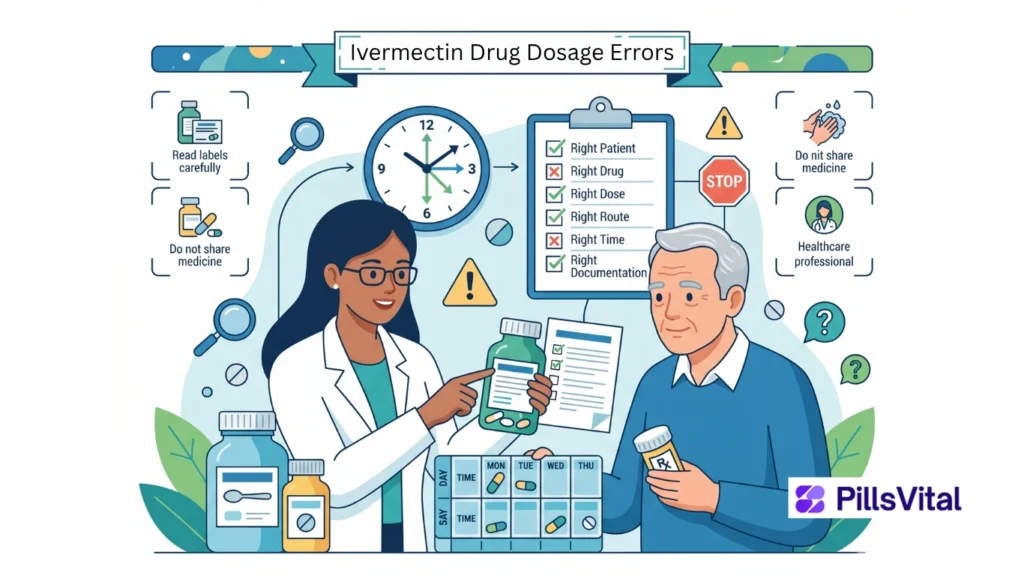
Incorrect dosing may reduce treatment effectiveness or increase unwanted effects. Learn how medication mistakes happen in our Drug Dosage Errors: Causes, Risks & Prevention Guide.
How These Drugs Affect Ivermectin
Some seizure medications increase liver enzyme activity.
This may cause:
- Faster ivermectin breakdown
- Reduced ivermectin concentrations
- Potential reduction in treatment effectiveness
In some situations, healthcare providers may adjust treatment plans accordingly.
Ivermectin and HIV Medications
Many people living with HIV take antiretroviral medications every day to help control the virus and support immune function.
Some HIV medications may influence the same liver enzymes involved in ivermectin metabolism.
Examples include:
- Ritonavir
- Cobicistat
- Atazanavir
- Darunavir
- Efavirenz
- Lopinavir
Depending on the medication involved, ivermectin levels may increase or decrease.
Your healthcare provider may consider:
- Current HIV treatment regimen
- Liver function
- Other prescription medications
- Overall treatment goals
Potential symptoms that should be reported include:
- Severe dizziness
- Persistent nausea
- Unusual fatigue
- Confusion
- Worsening neurological symptoms
Key Takeaway
Patients receiving antiretroviral therapy should always inform their healthcare provider before starting ivermectin.
Why HIV Medications May Affect Ivermectin
Many antiretroviral medications influence enzymes in the liver that are responsible for processing medications.
Some HIV drugs can:
- Slow the breakdown of ivermectin
- Increase ivermectin blood concentrations
- Extend the amount of time ivermectin remains in the body
Others may:
- Increase liver enzyme activity
- Accelerate ivermectin metabolism
- Reduce drug levels more quickly
Because different antiretroviral medications affect liver enzymes differently, the interaction risk varies from person to person.
Potential Concerns
Higher ivermectin levels may increase the likelihood of side effects such as:
- Dizziness
- Headache
- Nausea
- Fatigue
- Neurological symptoms
Patients taking HIV medications should always inform their healthcare provider before starting ivermectin.
Ivermectin and Immunosuppressant Medications
Immunosuppressants reduce the activity of the immune system and are commonly prescribed after organ transplantation or to treat autoimmune diseases.
Common examples include:
- Tacrolimus
- Cyclosporine
- Sirolimus
- Mycophenolate mofetil
- Azathioprine
Many immunosuppressants require careful monitoring because even small changes in medication levels can affect treatment success.
Some of these medicines share metabolic pathways with ivermectin.
Healthcare providers may recommend:
- Blood level monitoring
- Routine laboratory testing
- Medication review
- Liver function assessment
Never change immunosuppressant doses yourself.
Missing doses or changing treatment without medical advice may increase the risk of organ rejection or disease flare-ups.
Why Immunosuppressants Require Extra Monitoring
Many immunosuppressants have narrow therapeutic ranges.
This means that even small changes in drug levels can potentially affect treatment outcomes.
Some immunosuppressive medications share metabolic pathways with ivermectin, particularly those involving liver enzymes and transport proteins.
Potential concerns include:
- Altered drug concentrations
- Increased side effect risk
- Changes in medication effectiveness
Importance of Medical Supervision
Patients receiving immunosuppressive therapy are often closely monitored through:
- Blood testing
- Medication level checks
- Routine follow-up appointments
If ivermectin is prescribed, healthcare providers may evaluate whether additional monitoring is necessary.
Ivermectin and Cholesterol Medications
Millions of people take cholesterol-lowering medications every day to reduce the risk of heart attack and stroke. If you’re prescribed ivermectin, you may wonder whether these medicines can be used together safely.
Common cholesterol medications include:
- Atorvastatin
- Simvastatin
- Rosuvastatin
- Pravastatin
- Lovastatin
Most cholesterol medications can generally be used alongside ivermectin when prescribed appropriately. However, some statins are processed through liver enzyme systems that are also involved in drug metabolism.
Your healthcare provider may consider:
- Liver function
- Current medications
- Overall medication burden
- Existing muscle disorders
Possible overlapping side effects
Both ivermectin and statins may occasionally cause:
- Muscle aches
- Fatigue
- Headache
- Mild digestive discomfort
Experiencing these symptoms does not necessarily indicate a drug interaction, but persistent or severe symptoms should be discussed with your healthcare provider.
How Cholesterol Medications May Interact
Some cholesterol-lowering medications are processed through the same liver enzyme systems involved in ivermectin metabolism.
Although serious interactions are uncommon, healthcare professionals may still consider:
- Shared metabolic pathways
- Liver function status
- Overall medication burden
Why This Matters
When multiple medications rely on similar liver enzymes:
- Drug levels may be altered
- Side effects may become more noticeable
- Monitoring may be recommended
Overlapping Side Effects
Both ivermectin and some cholesterol medications may occasionally cause:
- Muscle discomfort
- Fatigue
- Headaches
- Digestive symptoms
Experiencing these symptoms does not necessarily mean an interaction has occurred, but persistent or severe symptoms should be discussed with a healthcare provider.
Ivermectin and Sedatives
Certain medications that affect the central nervous system (CNS) may increase drowsiness or dizziness when taken with ivermectin.
Examples include:
- Diazepam
- Lorazepam
- Alprazolam
- Clonazepam
- Zolpidem
Because ivermectin may occasionally cause dizziness or drowsiness, combining it with sedatives may make these effects more noticeable in some people.
Be cautious if you:
- Drive regularly
- Operate heavy machinery
- Work at heights
- Are over 65 years old
Older adults may be more sensitive to medications that affect the nervous system, so extra care may be appropriate.
Why Sedatives May Be Relevant
Ivermectin can occasionally cause nervous system-related side effects such as:
- Dizziness
- Drowsiness
- Fatigue
- Difficulty concentrating
When combined with other medications that produce similar effects, the symptoms may become more noticeable.
Potential Combined Effects
Patients may experience:
- Increased drowsiness
- Reduced alertness
- Impaired coordination
- Slower reaction times
- Increased fatigue
These effects are generally more important for individuals who:
- Drive regularly
- Operate machinery
- Perform safety-sensitive work
Older Adults May Be More Vulnerable
Age-related changes in metabolism can make older adults more sensitive to medications that affect the nervous system.
Healthcare providers may evaluate:
- Overall medication burden
- Existing neurological conditions
- Fall risk
- Cognitive status
before recommending certain medication combinations.
The Role of Liver Enzymes in Drug Interactions
Many of the medication interactions discussed above occur because of their effect on liver enzymes.
The liver contains specialized enzymes that help break down medications.
When another medication:
Inhibits Enzymes
Drug breakdown slows.
This may lead to:
- Higher ivermectin levels
- Longer drug exposure
- Increased side effect risk
Induces Enzymes
Drug breakdown speeds up.
This may lead to:
- Lower ivermectin levels
- Shorter duration of action
- Potential reduction in effectiveness
This is one reason healthcare providers often review a patient’s complete medication list before prescribing treatment.
Who Should Be Especially Careful?
Extra caution may be appropriate for individuals who:
- Take multiple prescription medications
- Have liver disease
- Have chronic medical conditions
- Are transplant recipients
- Use HIV medications
- Take seizure medications
- Use multiple sedatives
- Are older adults
The more medications a person takes, the greater the possibility of a clinically significant interaction.
Can Supplements Interact With Ivermectin?
Yes. Many people forget that vitamins, herbal products, and dietary supplements can also affect how medications work.
Examples include:
- St. John’s Wort
- Ginkgo biloba
- Garlic supplements
- Ginseng
- High-dose vitamin supplements
Some herbal products may influence liver enzymes or blood clotting, which could affect medication safety.
Always tell your healthcare provider if you take:
- Multivitamins
- Herbal remedies
- Protein supplements
- Weight-loss supplements
- Sports nutrition products
- Traditional or alternative medicines
Even though these products are available without a prescription, they may still influence how medications are processed.
Can Food or Alcohol Affect Ivermectin?
Many patients ask whether they need to avoid specific foods or alcoholic beverages while taking ivermectin.
Food
There is no universal list of foods that must always be avoided. However, healthcare providers may recommend following the dosing instructions provided with your prescription, as food can influence how some medications are absorbed.
Always follow the directions on your medication label or the advice of your healthcare professional.
Alcohol
There is no well-established direct interaction between ivermectin and alcohol. However, alcohol may increase dizziness, drowsiness, or stomach discomfort in some individuals.
If you experience:
- Dizziness
- Fatigue
- Difficulty concentrating
- Poor coordination
avoid drinking alcohol until you have spoken with your healthcare provider.
What Drugs Cannot Be Taken With Ivermectin?
One of the most common online searches is:
“What drugs cannot be taken with ivermectin?”
The answer is that there is no single list of medications that every person must always avoid.
Instead, healthcare providers assess each patient individually.
Extra caution may be appropriate with medications such as:
- Blood thinners
- Certain antifungal medications
- Some seizure medicines
- HIV medications
- Immunosuppressants
- Sedatives
- Herbal supplements that affect liver enzymes or blood clotting
Having one of these medications on your list does not automatically mean you cannot take ivermectin. It simply means your healthcare provider may recommend additional monitoring or consider individual risk factors before treatment.
Warning Signs of a Potential Drug Interaction
Seek medical advice if you experience:
- Severe dizziness
- Confusion
- Excessive fatigue
- Unusual bleeding
- Allergic reactions
- Persistent vomiting
- Severe headache
These symptoms do not automatically indicate a drug interaction, but they deserve medical evaluation.
How to Reduce Your Risk
While many people take ivermectin without experiencing serious medication interactions, taking a few simple precautions can significantly reduce potential risks. Whether you’re using ivermectin for a parasitic infection or another approved medical purpose, being informed about your medications is an important part of safe treatment.
Keep an Updated Medication List
One of the most effective ways to prevent drug interactions is to maintain a complete and up-to-date list of everything you take.
Many patients remember their prescription medications but forget to mention over-the-counter products, vitamins, or herbal supplements. However, these products can sometimes affect how medications are absorbed, metabolized, or eliminated from the body.
Your medication list should include:
Prescription Medications
These are medications prescribed by a healthcare provider, such as:
- Blood pressure medications
- Diabetes medications
- Blood thinners
- Cholesterol medications
- Antifungal medications
- Seizure medications
Even if you’ve been taking a medication for years, it should still be included when discussing treatment options
Over-the-Counter (OTC) Medications
Many people assume non-prescription medications are completely harmless, but some OTC products can affect other medications.
Examples include:
- Pain relievers
- Cold and flu medications
- Allergy medications
- Antacids
- Sleep aids
Always tell your healthcare provider about any OTC products you use regularly.
Vitamins and Minerals
Vitamins may seem unrelated to prescription medications, but some supplements can influence drug metabolism or absorption.
Examples include:
- Vitamin D
- Vitamin C
- Iron supplements
- Calcium supplements
- Magnesium supplements
Providing a complete list helps healthcare professionals identify potential concerns.
Herbal Supplements
Herbal products are among the most commonly overlooked sources of drug interactions.
Examples include:
- St. John’s Wort
- Ginkgo biloba
- Garlic supplements
- Ginseng
- Echinacea
Some herbal products can affect liver enzymes responsible for metabolizing medications, including ivermectin.
Why a Medication List Matters
Keeping a medication list can help:
- Prevent drug interactions
- Avoid duplicate medications
- Reduce medication errors
- Improve treatment safety
- Assist healthcare providers in making informed decisions
Consider storing your medication list on your phone or carrying a printed copy during medical appointments.
Follow Prescribed Doses Carefully
Taking the correct dose is one of the most important factors in medication safety.
Even when a medication is generally safe, taking too much or too little can create unnecessary risks.
Why Dosage Matters
Drug interactions often become more significant when medication levels become higher than expected.
Taking more ivermectin than prescribed may increase the likelihood of:
- Dizziness
- Nausea
- Headaches
- Neurological side effects
- Medication toxicity
Similarly, taking less than prescribed may reduce treatment effectiveness.
Avoid Common Dosage Mistakes
Common mistakes include:
- Taking an extra dose after forgetting whether a dose was taken
- Misreading dosage instructions
- Using someone else’s prescription
- Assuming a larger dose will work better
- Combining multiple ivermectin products
Avoid Self-Medicating
Self-medication is one of the leading causes of preventable drug-related problems. For approved prescribing information, safety warnings, and labeling, see the U.S. Food and Drug Administration (FDA).
Some individuals combine medications without realizing that certain combinations may affect treatment safety.
Why Self-Medicating Can Be Risky
Without professional guidance, it can be difficult to determine:
- Whether medications are compatible
- Whether dose adjustments are needed
- Whether side effects may overlap
- Whether a combination increases health risks
For example, certain antifungal medications, seizure medications, and blood thinners may affect how ivermectin is metabolized.
Common Self-Medication Mistakes
Examples include:
- Using leftover medications from previous treatments
- Taking medications recommended by friends or family
- Combining prescription and non-prescription drugs without advice
- Increasing doses without consulting a healthcare provider
- Taking veterinary formulations intended for animals
Ask Before Combining Treatments
Before starting ivermectin, speak with a healthcare professional if you currently take:
- Prescription medications
- Over-the-counter drugs
- Herbal supplements
- Vitamins
- Natural health products
A quick discussion may help identify potential interactions before they become a problem.
Watch for Side Effects
Monitoring your body’s response to treatment is another important safety step.
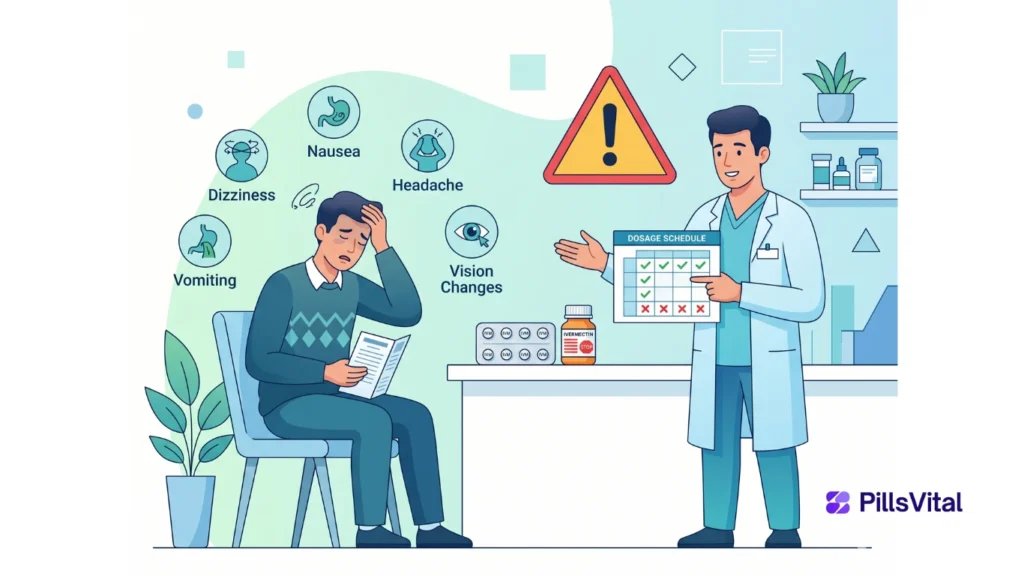
Most people tolerate ivermectin well, but side effects can occur, especially when medications interact or when unexpected drug levels develop.
Ask Before Combining Treatments
Potential symptoms include:
- Dizziness
- Headache
- Nausea
- Fatigue
- Diarrhea
- Stomach discomfort
These side effects are often mild and temporary.
When to Seek Medical Attention
Contact a healthcare professional if you experience:
- Severe dizziness
- Confusion
- Difficulty breathing
- Severe allergic reactions
- Persistent vomiting
- Vision changes
- Unusual bleeding or bruising
These symptoms may not always indicate a drug interaction, but they should be evaluated promptly.
Learn More About Side Effects
For a detailed overview of common and serious side effects, read: 👉Ivermectin Side Effects: Warning Signs, Risks & Safety Guide
This guide covers expected side effects, warning signs that require medical attention, and practical safety considerations.
Common Medication Mistakes
Many interaction problems occur because people:
- Take extra doses
- Use old prescriptions
- Combine medications without advice
- Ignore warning symptoms
Related Reading: 👉 Drug Dosage Errors: Causes, Risks, Warning Signs & Prevention
Conclusion
Ivermectin is widely used to treat certain parasitic infections and is generally well tolerated when used as prescribed. However, like many medications, it may interact with certain prescription medicines, over-the-counter products, and dietary supplements.
Blood thinners, antifungal medications, seizure medicines, HIV therapies, immunosuppressants, and some herbal supplements deserve particular attention because they may affect how ivermectin is metabolized or increase the likelihood of side effects.
The safest approach is to keep an up-to-date list of all medications and supplements you use and share it with your healthcare provider before starting ivermectin. By understanding potential interactions and following professional medical advice, you can help reduce the risk of medication-related problems and support safe, effective treatment. The Centers for Disease Control and Prevention (CDC) provides additional information on parasitic diseases and their treatment.
Related Health Resources
-
Ivermectin 12mg Tablet (Iverjohn 12)
$78.00 – $190.00Price range: $78.00 through $190.00 This product has multiple variants. The options may be chosen on the product page -
Ivermectin 12mg Tablets (Ivercen 12)
$78.00 – $190.00Price range: $78.00 through $190.00 This product has multiple variants. The options may be chosen on the product page -
Ivermectin 12mg (Ivanorm) Tablet
$78.00 – $250.00Price range: $78.00 through $250.00 This product has multiple variants. The options may be chosen on the product page -
Ivermectin 12mg (Iverheal) Tablets
$78.00 – $250.00Price range: $78.00 through $250.00 This product has multiple variants. The options may be chosen on the product page
❓ FAQs
Does ivermectin interact with other drugs?
Yes. Some medications may affect how ivermectin is metabolized or increase the likelihood of side effects. Healthcare providers review your complete medication list before recommending treatment.
Does ivermectin interfere with other medications?
It can in certain situations. The likelihood depends on the medication involved, your overall health, and individual factors such as liver function and the use of multiple medicines.
Can I take ivermectin with Eliquis?
No widely established major interaction has been reported for most patients. However, because Eliquis is a blood thinner, consult your healthcare provider before combining these medications.
Can you take ivermectin with amoxicillin?
For most people, no significant interaction has been established. These medicines may sometimes be prescribed together, but always follow your healthcare provider’s recommendations.
Can ivermectin be taken with blood thinners?
Some patients may be able to take ivermectin while using blood thinners, but closer monitoring may be recommended depending on the specific medication and individual health factors.
Can ivermectin interact with vitamins?
Most standard vitamin supplements do not cause significant interactions. However, always tell your healthcare provider about every supplement you take.
Can herbal supplements interact with ivermectin?
Yes. Some herbal products may influence liver enzymes or blood clotting, potentially affecting medication safety.
Can older adults take ivermectin safely?
Many older adults can take ivermectin safely when prescribed appropriately. Because older adults often take multiple medications, healthcare providers may carefully review possible drug interactions before treatment.
Can I stop my regular medications while taking ivermectin?
No. Never stop prescription medications without consulting the healthcare provider who prescribed them.
When should I contact my healthcare provider?
Seek medical advice if you experience unusual bleeding, severe dizziness, confusion, difficulty breathing, persistent vomiting, or other serious symptoms after taking ivermectin.
💊 Related Ivermectin & Medication Safety Guides

Dr. Emily Carter specializes in evidence-based health education and wellness content. She focuses on simplifying complex medical topics related to cancer awareness, nutrition, preventive healthcare, skincare, and lifestyle wellness for readers worldwide.
This content is reviewed for medical accuracy, clarity, and alignment with current public health research. The article is intended for educational and informational purposes only and should not replace professional medical advice, diagnosis, or treatment.