
Chronic Kidney Disease (CKD): Stages, Symptoms & Treatment
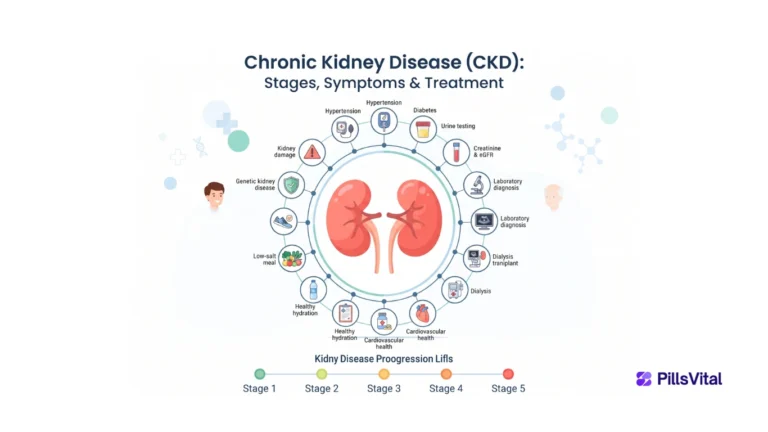
Chronic Kidney Disease (CKD) is a long-term condition in which the kidneys gradually lose their ability to filter waste, excess fluids, and toxins from the blood. Because kidney damage often develops slowly over months or years, many people do not notice symptoms until the disease has progressed significantly.
According to global health estimates, hundreds of millions of people worldwide are living with some form of chronic kidney disease. Early diagnosis, lifestyle changes, and proper medical treatment can significantly slow disease progression and reduce complications. Chronic Kidney Disease is one of the many long-term conditions discussed in our complete guide to chronic diseases.
According to the National Kidney Foundation, CKD often develops without noticeable symptoms.
In this comprehensive guide, you’ll learn everything about CKD—including causes, symptoms, stages, diagnosis, treatment options, dietary recommendations, prevention strategies, and when to seek medical care.
What Is Chronic Kidney Disease?
The kidneys are two bean-shaped organs located on either side of your spine. Their primary functions include:
- Filtering waste products from blood
- Removing excess water
- Maintaining electrolyte balance
- Regulating blood pressure
- Producing hormones that make red blood cells
- Supporting bone health through vitamin D activation
Chronic Kidney Disease occurs when kidney function gradually declines over at least three months. People with CKD often have other chronic conditions such as Type 2 diabetes and high blood pressure.
Unlike acute kidney injury, CKD usually cannot be reversed. However, early treatment may slow or even halt further damage.
How Common Is CKD?
CKD is among the leading causes of illness worldwide.
People at higher risk include:
- Adults over age 60
- Individuals with diabetes
- People with high blood pressure
- Smokers
- Obese individuals
- Those with cardiovascular disease
- Family history of kidney disease
Many patients remain undiagnosed because early stages often produce no symptoms.
How Healthy Kidneys Work
Healthy kidneys filter approximately 180 liters of blood daily.
They help:
- Remove toxins
- Control blood pressure
- Balance sodium and potassium
- Regulate body fluids
- Produce erythropoietin
- Maintain healthy bones
When kidneys become damaged, waste products begin accumulating throughout the body.
Causes of Chronic Kidney Disease (CKD)
Chronic Kidney Disease (CKD) develops when the kidneys are damaged over time and can no longer filter waste and excess fluid from the blood effectively. This damage is usually gradual and irreversible, often resulting from underlying medical conditions or long-term health problems. Understanding the causes of CKD can help identify risk factors early and prevent further kidney damage.
1. Diabetes (Diabetic Kidney Disease)
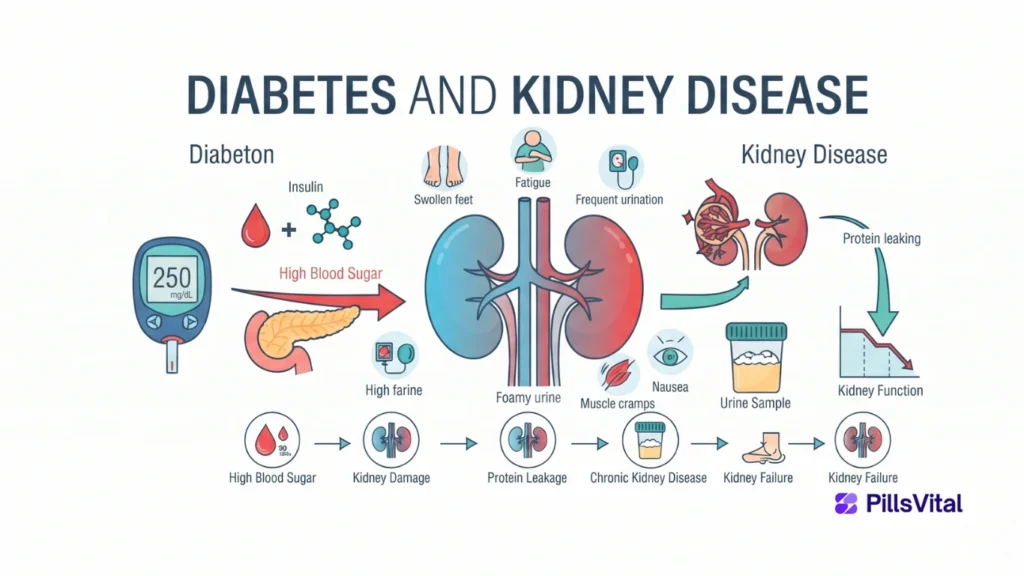
Diabetes is the most common cause of Chronic Kidney Disease worldwide, accounting for nearly half of all CKD cases in many countries. Persistently high blood sugar levels damage the tiny blood vessels (glomeruli) in the kidneys that are responsible for filtering waste from the blood.
Over time, excess glucose makes these blood vessels thicker and less efficient. As the damage progresses, the kidneys begin leaking protein into the urine—a condition known as albuminuria or proteinuria, which is often one of the earliest signs of kidney disease. Without proper blood sugar control, kidney function continues to decline, potentially leading to kidney failure.
Diabetes is the leading cause of CKD, making blood sugar control essential for protecting kidney health.
Risk Factors
- Poorly controlled Type 1 or Type 2 diabetes
- Long duration of diabetes (more than 10 years)
- High HbA1c levels
- Obesity
- Smoking
- High blood pressure alongside diabetes
Prevention Tips
- Maintain healthy blood sugar levels.
- Have regular kidney function tests (eGFR and urine albumin tests).
- Follow a diabetes-friendly diet.
- Exercise regularly.
- Take prescribed diabetes medications consistently.
2. High Blood Pressure (Hypertension)
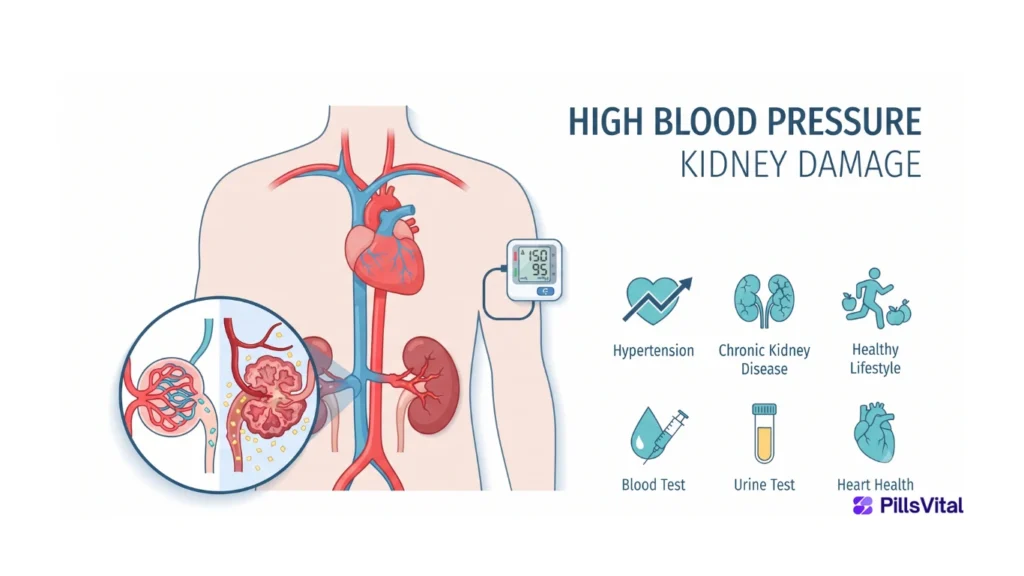
High blood pressure is the second leading cause of Chronic Kidney Disease. The kidneys contain thousands of delicate blood vessels that filter waste products from the bloodstream. Constantly elevated blood pressure places excessive strain on these vessels, causing them to narrow, harden, or weaken over time.
When blood vessels become damaged, the kidneys receive less oxygen-rich blood and gradually lose their ability to function properly. Additionally, kidney disease itself can increase blood pressure, creating a harmful cycle where each condition worsens the other.
Risk Factors
- Uncontrolled hypertension
- High sodium intake
- Lack of physical activity
- Obesity
- Smoking
- Excessive alcohol consumption
Prevention Tips
- Keep blood pressure below your healthcare provider’s recommended target.
- Reduce salt intake.
- Exercise for at least 150 minutes per week.
- Maintain a healthy weight.
- Take prescribed blood pressure medications as directed.
3. Glomerulonephritis
Glomerulonephritis refers to a group of diseases that cause inflammation of the glomeruli, the tiny filtering units inside the kidneys. Inflammation damages these filters, making it difficult for the kidneys to remove waste products and excess fluids.
Glomerulonephritis may occur suddenly (acute) or develop slowly over many years (chronic). It can result from infections, autoimmune disorders, or inherited conditions. Chronic inflammation often leads to scarring of kidney tissue, reducing filtration capacity permanently.
Common Causes
- Autoimmune diseases
- Streptococcal infections
- Hepatitis B or C
- Lupus
- IgA nephropathy
Symptoms
- Blood in urine
- Foamy urine
- Swelling in the face or legs
- High blood pressure
- Fatigue
Early diagnosis and treatment are essential to slow disease progression and preserve kidney function.
4. Polycystic Kidney Disease (PKD)
Polycystic Kidney Disease is a genetic disorder in which numerous fluid-filled cysts develop inside the kidneys. These cysts gradually enlarge, replacing healthy kidney tissue and reducing the kidneys’ ability to filter blood effectively.
PKD often runs in families and may not cause noticeable symptoms until adulthood. As the cysts continue growing, kidney function declines, increasing the risk of kidney failure.
Common Symptoms
- High blood pressure
- Back or side pain
- Frequent urinary tract infections
- Blood in urine
- Enlarged kidneys
- Kidney stones
Although PKD cannot currently be cured, medications, blood pressure control, and healthy lifestyle habits can help slow disease progression.
5. Autoimmune Diseases
Autoimmune diseases occur when the body’s immune system mistakenly attacks its own healthy tissues. In some conditions, the kidneys become a target, leading to chronic inflammation and progressive kidney damage.
One of the most common autoimmune causes of CKD is systemic lupus erythematosus (SLE), which can lead to lupus nephritis, an inflammatory kidney condition. Other autoimmune disorders, such as vasculitis and Goodpasture syndrome, can also affect kidney function.
Common Autoimmune Conditions Affecting the Kidneys
- Lupus nephritis
- ANCA-associated vasculitis
- Goodpasture syndrome
- IgA nephropathy
Warning Signs
- Swelling
- High blood pressure
- Blood or protein in urine
- Joint pain
- Skin rashes
- Persistent fatigue
Treatment typically involves medications that reduce immune system activity and inflammation.
6. Recurrent Kidney Infections (Pyelonephritis)
Repeated kidney infections can gradually scar kidney tissue, reducing its ability to function properly. This condition is particularly concerning when infections occur frequently or remain untreated.
Kidney infections usually begin as urinary tract infections (UTIs) that spread upward to the kidneys. Chronic infections can cause permanent structural damage and increase the risk of Chronic Kidney Disease.
Risk Factors
- Frequent UTIs
- Kidney stones
- Urinary tract obstruction
- Vesicoureteral reflux (backward urine flow)
- Diabetes
Symptoms
- Fever
- Back or side pain
- Painful urination
- Frequent urination
- Cloudy or foul-smelling urine
Prompt treatment with appropriate antibiotics and management of underlying causes can help prevent long-term kidney damage.
7. Kidney Stones
Kidney stones are hard mineral deposits that form inside the kidneys. While many stones pass without causing permanent harm, large, recurring, or untreated kidney stones can obstruct urine flow and increase pressure inside the kidneys.
Repeated blockages may cause infections, inflammation, and scarring, eventually contributing to Chronic Kidney Disease.
Risk Factors
- Dehydration
- High salt intake
- Diets high in animal protein
- Obesity
- Family history of kidney stones
- Certain metabolic disorders
Prevention Tips
- Drink plenty of water unless otherwise advised by your healthcare provider.
- Reduce sodium intake.
- Maintain a balanced diet.
- Treat stones promptly to avoid complications.
8. Long-Term Medication Use
Certain medications can damage the kidneys when used frequently, in high doses, or without medical supervision. People who already have kidney disease, diabetes, high blood pressure, or older adults are particularly vulnerable.
One of the most common medication-related causes of kidney injury is the prolonged use of nonsteroidal anti-inflammatory drugs (NSAIDs), such as ibuprofen and naproxen. These medications reduce blood flow to the kidneys, especially during dehydration or existing kidney impairment.
Other drugs, including some antibiotics, certain antiviral medications, chemotherapy agents, and contrast dyes used in imaging tests, may also affect kidney function in susceptible individuals.
Higher Risk If You
- Use NSAIDs daily for chronic pain
- Take multiple medications affecting the kidneys
- Are over age 65
- Have diabetes or hypertension
- Already have reduced kidney function
Prevention Tips
- Use medications only as directed by a healthcare professional.
- Avoid unnecessary long-term use of over-the-counter pain relievers.
- Stay well hydrated unless fluid restriction has been recommended.
- Inform your healthcare provider about all medications and supplements you take.
- Have kidney function monitored if you need long-term treatment with potentially kidney-affecting medications.
Other Possible Causes of Chronic Kidney Disease
In addition to the major causes above, CKD may also develop due to:
- Congenital kidney abnormalities present at birth
- Long-term urinary tract obstruction from an enlarged prostate or tumors
- Chronic dehydration
- Severe cardiovascular disease
- Rare inherited kidney disorders
- Exposure to certain environmental toxins or heavy metals
- Repeated episodes of acute kidney injury
If you’re experiencing urinary urgency, frequent urination, or overactive bladder symptoms, read our complete guide on Mirabegron 50mg (Mirago): A Complete Guide to Better Bladder Control to learn how this medication works, its benefits, dosage, and important safety considerations.
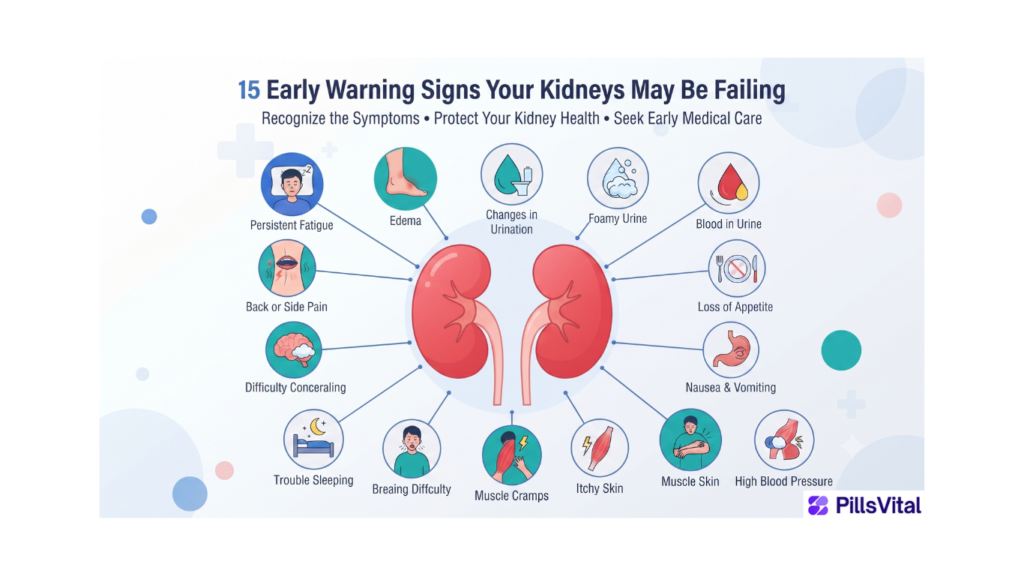
Early Symptoms of Chronic Kidney Disease
Early CKD often causes no noticeable symptoms. The National Institute of Diabetes and Digestive and Kidney Diseases (NIDDK) explains that early CKD often has no symptoms.
As kidney function declines, symptoms may include:
- Fatigue
- Weakness
- Poor concentration
- Swollen ankles
- Puffy eyes
- Frequent nighttime urination
- Muscle cramps
- Dry itchy skin
- Loss of appetite
- Nausea
- Metallic taste in the mouth
Advanced CKD Symptoms
When kidney damage becomes severe, symptoms may include:
- Persistent swelling
- Severe fatigue
- Shortness of breath
- Chest pain
- Persistent vomiting
- Difficulty sleeping
- Confusion
- Uncontrolled high blood pressure
- Significant weight loss
- Reduced urine output
- Severe itching
Advanced symptoms require urgent medical evaluation.
Stages of Chronic Kidney Disease
Doctors classify CKD using the estimated glomerular filtration rate (eGFR).
| Stage | eGFR | Kidney Function |
|---|---|---|
| Stage 1 | 90+ | Normal with kidney damage |
| Stage 2 | 60–89 | Mild decline |
| Stage 3a | 45–59 | Mild to moderate loss |
| Stage 3b | 30–44 | Moderate to severe loss |
| Stage 4 | 15–29 | Severe kidney damage |
| Stage 5 | Below 15 | Kidney failure |
Complications of CKD
Untreated CKD may lead to:
- Heart disease
- Stroke
- Anemia
- Bone disease
- High potassium levels
- Fluid overload
- High blood pressure
- Metabolic acidosis
- Nerve damage
- Malnutrition
- Kidney failure
Kidney Health Checklist for Daily Prevention
Daily Habits That Help Protect Your Kidneys
Even if you have early-stage chronic kidney disease or are at risk, healthy lifestyle habits can help protect kidney function and reduce the risk of complications. Consider the following daily checklist:
- ✓ Drink enough water unless your healthcare provider recommends fluid restriction.
- ✓ Keep your blood pressure within the target range.
- ✓ Manage blood sugar levels if you have diabetes.
- ✓ Limit processed foods high in sodium and added sugars.
- ✓ Choose fresh fruits, vegetables, whole grains, and lean protein.
- ✓ Exercise for at least 150 minutes each week.
- ✓ Maintain a healthy weight.
- ✓ Avoid smoking and limit alcohol intake.
- ✓ Take medications only as prescribed and avoid unnecessary use of pain relievers such as NSAIDs.
- ✓ Schedule regular kidney function tests if you have diabetes, hypertension, or a family history of kidney disease.
Small, consistent lifestyle changes can help preserve kidney function and improve overall health.
How Doctors Diagnose Chronic Kidney Disease (CKD)
Diagnosing Chronic Kidney Disease (CKD) involves more than a single test. Since CKD often develops slowly and may not cause noticeable symptoms in its early stages, healthcare providers use a combination of blood tests, urine tests, imaging studies, and, in some cases, a kidney biopsy to evaluate kidney function and determine the underlying cause of the disease. Healthcare providers diagnose CKD using blood and urine tests recommended by the Centers for Disease Control and Prevention (CDC).
Early diagnosis is essential because treatment can slow the progression of CKD, reduce complications, and improve long-term health outcomes.
1. Blood Tests
Blood tests are one of the most important tools for assessing kidney function. They help determine how well the kidneys are filtering waste products from the blood.
Serum Creatinine Test
Creatinine is a waste product produced by normal muscle activity. Healthy kidneys remove creatinine from the bloodstream and eliminate it through urine.
When the kidneys become damaged, creatinine levels rise because the kidneys cannot filter it effectively.
Why It’s Important
- Measures kidney filtration efficiency
- Detects reduced kidney function
- Helps monitor CKD progression
- Used to calculate the estimated Glomerular Filtration Rate (eGFR)
Although creatinine levels vary depending on age, sex, muscle mass, and overall health, persistently elevated levels may indicate kidney disease.
Estimated Glomerular Filtration Rate (eGFR)
The estimated Glomerular Filtration Rate (eGFR) is considered one of the best indicators of kidney function. It estimates how much blood the kidneys filter each minute.
The eGFR is calculated using several factors, including:
- Blood creatinine level
- Age
- Sex
- In some laboratory equations, additional demographic factors
Understanding eGFR Results
| eGFR (mL/min/1.73 m²) | CKD Stage | Kidney Function |
|---|---|---|
| 90 or higher | Stage 1 | Normal kidney function with evidence of kidney damage |
| 60–89 | Stage 2 | Mild decrease in kidney function |
| 45–59 | Stage 3a | Mild to moderate kidney damage |
| 30–44 | Stage 3b | Moderate to severe kidney damage |
| 15–29 | Stage 4 | Severe kidney damage |
| Below 15 | Stage 5 | Kidney failure |
A low eGFR does not always mean permanent kidney disease. Healthcare providers usually repeat testing after at least three months to confirm that reduced kidney function is persistent before diagnosing CKD.
Blood Urea Nitrogen (BUN)
Blood Urea Nitrogen (BUN) measures the amount of urea—a waste product formed when the body breaks down proteins—in the bloodstream.
Healthy kidneys remove urea efficiently. Elevated BUN levels may indicate:
- Reduced kidney function
- Dehydration
- High-protein diets
- Certain medications
BUN is usually interpreted alongside creatinine and eGFR rather than on its own.
Electrolyte Tests
The kidneys help maintain proper levels of essential minerals and electrolytes. CKD can disrupt this balance.
Doctors commonly measure:
- Potassium
- Sodium
- Calcium
- Phosphorus
- Bicarbonate
Abnormal electrolyte levels can increase the risk of heart rhythm problems, muscle weakness, bone disorders, and metabolic complications.
2. Urine Tests
Urine testing is another key part of diagnosing CKD because it can detect early signs of kidney damage before kidney function declines significantly.
Urine Albumin-to-Creatinine Ratio (uACR)
One of the earliest signs of kidney disease is the presence of albumin, a protein that should normally remain in the bloodstream.
Damaged kidneys may allow albumin to leak into the urine.
The urine albumin-to-creatinine ratio (uACR) measures how much albumin is present relative to creatinine in a urine sample.
Higher-than-normal albumin levels may indicate:
- Early diabetic kidney disease
- High blood pressure-related kidney damage
- Chronic kidney disease progression
Persistent albuminuria is an important marker of CKD.
Proteinuria Testing
Proteinuria refers to excess protein in the urine.
Doctors may detect protein through:
- Urine dipstick tests
- Laboratory protein measurements
- 24-hour urine collection (in selected cases)
Large amounts of protein in the urine often suggest damage to the kidney’s filtering units (glomeruli).
Urinalysis
A routine urinalysis evaluates the physical, chemical, and microscopic properties of urine.
It helps identify:
- Blood in urine (hematuria)
- White blood cells
- Bacteria
- Crystals
- Glucose
- Protein
- Signs of infection
Urinalysis provides valuable clues about kidney disease, urinary tract infections, and other conditions affecting the urinary system.
Urine Culture
If a kidney or urinary tract infection is suspected, a urine culture can identify the bacteria causing the infection and help guide antibiotic treatment.
3. Blood Pressure Monitoring
High blood pressure is both a major cause and a common complication of Chronic Kidney Disease.
Damaged kidneys often struggle to regulate blood pressure, while uncontrolled hypertension can further damage kidney blood vessels. Because of this two-way relationship, regular blood pressure monitoring is an essential part of CKD diagnosis and management.
Healthcare providers may:
- Measure blood pressure during clinic visits
- Recommend home blood pressure monitoring
- Use 24-hour ambulatory blood pressure monitoring in selected cases
Keeping blood pressure within the target range can help slow the progression of kidney disease and reduce the risk of heart disease and stroke.
4. Kidney Ultrasound
A kidney ultrasound is a safe, painless imaging test that uses sound waves to produce detailed images of the kidneys and surrounding structures.
Unlike X-rays or CT scans, ultrasound does not use radiation.
What a Kidney Ultrasound Can Show
Doctors use ultrasound to evaluate:
- Kidney size and shape
- Thickness of kidney tissue
- Kidney cysts
- Kidney stones
- Urinary tract blockages
- Tumors or masses
- Congenital kidney abnormalities
- Scarring or shrinkage associated with chronic kidney disease
Small, shrunken kidneys often suggest long-standing CKD, while enlarged kidneys may be seen in conditions such as polycystic kidney disease or diabetic kidney disease.
Ultrasound also helps determine whether urine flow is blocked by kidney stones, enlarged prostate, or other structural problems.
5. CT Scan or MRI (When Needed)
Although not required for every patient, doctors may recommend a CT scan or MRI if more detailed images of the kidneys or urinary tract are needed.
These imaging tests may help detect:
- Kidney tumors
- Complex cysts
- Blood vessel abnormalities
- Urinary tract obstruction
- Traumatic kidney injuries
In people with significantly reduced kidney function, healthcare providers carefully consider whether contrast dye is appropriate, as certain contrast agents may increase the risk of kidney injury.
6. Kidney Biopsy
A kidney biopsy is sometimes necessary when the exact cause of kidney disease cannot be determined through blood tests, urine tests, and imaging studies alone.
During the procedure, a healthcare provider uses a thin needle to remove a very small sample of kidney tissue, usually with ultrasound guidance. The sample is then examined under a microscope by a pathologist.
Why a Kidney Biopsy Is Performed
A kidney biopsy may be recommended to:
- Identify the specific type of kidney disease
- Diagnose glomerulonephritis
- Confirm autoimmune kidney disorders, such as lupus nephritis
- Evaluate unexplained blood or protein in the urine
- Assess the severity of kidney damage
- Guide treatment decisions
- Monitor the health of a transplanted kidney if rejection is suspected
What to Expect
The procedure is usually performed under local anesthesia. Most people can go home the same day, although temporary observation is often recommended to monitor for bleeding or other rare complications.
Additional Tests Your Doctor May Order
Depending on your symptoms and medical history, your healthcare provider may also recommend:
- Blood glucose or HbA1c testing to check for diabetes
- Lipid profile to assess cholesterol levels
- Complete blood count (CBC) to look for anemia
- Parathyroid hormone (PTH) levels to evaluate bone and mineral disorders related to CKD
- Vitamin D levels
- Autoimmune blood tests (such as ANA or ANCA) if an immune-related kidney disease is suspected
- Genetic testing when inherited kidney diseases, such as polycystic kidney disease, are suspected
Why Early Diagnosis Matters
Chronic Kidney Disease often progresses silently, with few or no symptoms in its early stages. By the time symptoms become noticeable, significant kidney damage may already have occurred.
Early diagnosis allows healthcare providers to:
- Slow the progression of kidney disease
- Manage underlying conditions such as diabetes and high blood pressure
- Reduce the risk of heart disease and stroke
- Prevent complications such as anemia, electrolyte imbalances, and bone disease
- Delay or prevent the need for dialysis or kidney transplantation
- Improve quality of life and long-term outcomes
Regular screening is especially important for people with diabetes, high blood pressure, cardiovascular disease, obesity, a family history of kidney disease, or those aged 60 years and older.
When Should You See a Kidney Specialist?
Many people with CKD are treated by a primary care physician in the early stages. However, referral to a nephrologist (kidney specialist) may be recommended if:
- Your estimated glomerular filtration rate (eGFR) falls below 30 mL/min/1.73 m².
- Kidney function continues to decline over time.
- Protein levels in your urine remain high.
- Blood pressure is difficult to control despite treatment.
- You develop complications such as anemia, bone disease, or electrolyte imbalances.
- Dialysis or kidney transplant planning becomes necessary.
Early consultation with a nephrologist can help slow disease progression and improve long-term outcomes.
Treatment for Chronic Kidney Disease (CKD)
The treatment of Chronic Kidney Disease (CKD) focuses on slowing the progression of kidney damage, managing the underlying cause, preventing complications, and maintaining the best possible quality of life. Although CKD usually cannot be cured, early diagnosis and a personalized treatment plan can significantly delay kidney failure and reduce the need for dialysis or kidney transplantation. The National Kidney Foundation recommends early treatment to slow disease progression.
Treatment varies depending on the stage of CKD, the underlying cause, age, overall health, and the presence of other medical conditions such as diabetes, high blood pressure, or heart disease.
1. Lifestyle Changes
Healthy lifestyle habits are one of the most effective ways to slow the progression of Chronic Kidney Disease. These changes not only protect kidney function but also lower the risk of heart disease, stroke, and other complications that commonly occur in people with CKD. Following a healthy lifestyle is one of the best ways to slow kidney disease progression.
Dietary recommendations should always follow guidance from a qualified healthcare professional and resources such as the NIDDK.
Quit Smoking
Smoking reduces blood flow to the kidneys by narrowing blood vessels and increasing blood pressure. It also accelerates the loss of kidney function and raises the risk of heart attack and stroke.
Benefits of Quitting Smoking
- Slows kidney damage
- Improves blood circulation
- Lowers blood pressure
- Reduces the risk of cardiovascular disease
- Enhances the effectiveness of certain CKD treatments
If quitting is difficult, speak with your healthcare provider about counseling, nicotine replacement therapy, or medications that may hel
Maintain a Healthy Weight
Being overweight or obese increases the risk of diabetes, high blood pressure, and heart disease—all major contributors to CKD.
Even modest weight loss can help improve blood pressure and blood sugar control, reducing stress on the kidneys.
Healthy Weight Tips
- Eat balanced, nutrient-rich meals.
- Control portion sizes.
- Avoid sugary beverages and highly processed foods.
- Stay physically active.
- Aim for gradual, sustainable weight loss if recommended.
Exercise Regularly
Regular physical activity supports kidney health by improving blood pressure, blood sugar control, cholesterol levels, and overall cardiovascular fitness.
Most adults should aim for at least 150 minutes of moderate-intensity exercise per week, unless otherwise advised by their healthcare provider.
Recommended Activities
- Brisk walking
- Cycling
- Swimming
- Yoga
- Light strength training
- Stretching exercises
Always consult your healthcare provider before beginning a new exercise program, especially if you have advanced CKD or other medical conditions. Regular physical activity improves circulation and supports overall kidney health. Learn more about exercise for chronic disease prevention.
Control Blood Sugar
For people with diabetes, maintaining blood glucose within the target range is one of the most important ways to protect kidney function.
High blood sugar damages the tiny blood vessels that filter waste from the blood, leading to diabetic kidney disease.
Blood Sugar Management Includes
- Taking diabetes medications as prescribed
- Monitoring blood glucose regularly
- Following a diabetes-friendly eating plan
- Exercising consistently
- Attending routine medical checkups
Good blood sugar control can significantly slow the progression of CKD.
Limit Sodium Intake
Excess sodium causes the body to retain fluid, increasing blood pressure and placing additional strain on the kidneys.
Many healthcare providers recommend limiting sodium intake to less than 2,300 mg per day, though some individuals with CKD may require a lower limit based on their medical condition.
High-Sodium Foods to Limit
- Processed meats
- Fast food
- Canned soups
- Instant noodles
- Potato chips
- Salty snacks
- Pickled foods
- Frozen processed meals
Better Choices
- Fresh fruits and vegetables
- Homemade meals
- Herbs and spices instead of salt
- Low-sodium food options
Stay Hydrated
Proper hydration helps the kidneys remove waste products and maintain normal body functions. However, fluid needs vary depending on the stage of CKD and the presence of swelling, heart failure, or dialysis.
- People with early CKD are often encouraged to maintain adequate hydration unless advised otherwise.
- Those with advanced CKD or on dialysis may need to limit fluid intake to prevent fluid overload.
Always follow your healthcare provider’s recommendations regarding fluid intake.
Limit Alcohol
Excessive alcohol consumption may increase blood pressure, contribute to dehydration, interfere with medications, and worsen kidney damage.
If you choose to drink alcohol, do so only in moderation and discuss safe limits with your healthcare provider, particularly if you have CKD or other chronic health conditions.
2. Blood Pressure Control
High blood pressure is both a leading cause and a major complication of Chronic Kidney Disease. Controlling blood pressure is one of the most effective ways to slow the progression of CKD and reduce the risk of cardiovascular disease.
Healthcare providers often recommend:
- Regular blood pressure monitoring
- Following a low-sodium diet
- Maintaining a healthy weight
- Exercising regularly
- Taking prescribed blood pressure medications consistently
Medications such as ACE inhibitors or angiotensin receptor blockers (ARBs) are commonly prescribed for many people with CKD because they not only lower blood pressure but also help reduce protein loss in the urine and protect kidney function. These medications should only be taken under medical supervision.
3. Diabetes Management
Diabetes is the most common cause of Chronic Kidney Disease, making effective blood sugar management essential for slowing kidney damage.
Treatment may include:
- Healthy eating tailored to diabetes and kidney health
- Regular physical activity
- Routine blood glucose monitoring
- Oral diabetes medications or insulin, as prescribed
- Periodic HbA1c testing to assess long-term blood sugar control
Managing diabetes also helps lower the risk of nerve damage, eye disease, heart disease, and other complications.
4. Cholesterol Management
People with CKD are at a higher risk of heart attack, stroke, and other cardiovascular diseases. High cholesterol contributes to plaque buildup in the arteries, reducing blood flow to vital organs, including the kidneys.
Cholesterol Management Strategies
- Eat a heart-healthy diet low in saturated and trans fats.
- Increase intake of vegetables, fruits, and whole grains as appropriate for your CKD stage.
- Exercise regularly.
- Maintain a healthy weight.
- Stop smoking.
- Take cholesterol-lowering medications, such as statins, if prescribed.
Managing cholesterol helps protect both the heart and the
5. Treating Anemia
Healthy kidneys produce a hormone called erythropoietin (EPO), which stimulates the bone marrow to make red blood cells. As kidney function declines, the kidneys produce less EPO, increasing the risk of anemia.
Symptoms of CKD-Related Anemia
- Fatigue
- Weakness
- Pale skin
- Shortness of breath
- Dizziness
- Difficulty concentrating
Treatment Options
Depending on the cause and severity, treatment may include:
Iron Supplements
Iron is necessary for red blood cell production. Iron may be given orally or intravenously if iron deficiency is present.
Erythropoiesis-Stimulating Agents (ESAs)
These prescription medications help stimulate the production of red blood cells when the kidneys no longer make enough erythropoietin. They are used under close medical supervision because they require careful monitoring.
Regular blood tests help determine whether anemia treatment is working and guide adjustments.
6. Managing Bone and Mineral Disorders
The kidneys play an important role in balancing calcium, phosphorus, and vitamin D. As CKD progresses, these minerals can become imbalanced, increasing the risk of weakened bones and cardiovascular complications.
Possible Treatments
Vitamin D Supplements
Activated forms of vitamin D may be prescribed to support bone health and help regulate calcium levels.
Calcium Management
Healthcare providers monitor calcium levels and recommend dietary adjustments or supplements only when appropriate, as both low and high calcium levels can be harmful.
Phosphate Binders
When phosphorus levels become too high, phosphate binders may be prescribed. These medications reduce the amount of phosphorus absorbed from food and are taken with meals as directed.
Regular monitoring of calcium, phosphorus, parathyroid hormone (PTH), and vitamin D levels helps guide treatment.
7. Dialysis
When Chronic Kidney Disease progresses to end-stage kidney disease (Stage 5 CKD) and the kidneys can no longer adequately remove waste products and excess fluid, dialysis may become necessary.
Dialysis does not cure kidney disease, but it performs some of the filtering functions normally carried out by healthy kidneys.
There are two main types of dialysis.
Hemodialysis
Hemodialysis uses a special machine and an artificial filter called a dialyzer to clean the blood.
How It Works
- Blood is removed from the body through a vascular access.
- The blood passes through the dialyzer, where waste products, toxins, and excess fluid are removed.
- The cleaned blood is returned to the body.
Typical Schedule
Most people receive hemodialysis three times a week, with each session lasting about three to five hours, although schedules may vary based on individual needs.
Advantages
- Performed by trained healthcare professionals
- Highly effective at removing waste and excess fluid
- Regular monitoring during treatment
Challenges
- Requires travel to a dialysis center unless home hemodialysis is an option
- Time-consuming
- May cause fatigue or low blood pressure after treatment
Peritoneal Dialysis
Peritoneal dialysis uses the lining of the abdomen (the peritoneum) as a natural filter.
A cleansing fluid called dialysate is placed into the abdominal cavity through a catheter. Waste products and excess fluid move into the fluid, which is later drained and replaced.
Types of Peritoneal Dialysis
- Continuous Ambulatory Peritoneal Dialysis (CAPD): Manual fluid exchanges are performed several times during the day.
- Automated Peritoneal Dialysis (APD): A machine performs exchanges overnight while the patient sleeps.
Advantages
- Can often be performed at home
- Greater flexibility and independence
- No needles during each treatment
Challenges
- Requires careful attention to cleanliness to reduce the risk of infection
- Daily treatment is necessary
- Not suitable for every patient
Healthcare providers help determine which dialysis method best fits an individual’s medical condition and lifestyle.
8. Kidney Transplant
A kidney transplant is considered the preferred long-term treatment for many eligible people with end-stage kidney disease because it can restore much of the kidney’s normal function and improve quality of life.
During the procedure, a healthy kidney from a living or deceased donor is surgically implanted into the recipient. The damaged kidneys are usually left in place unless there is a specific reason to remove them.
Benefits of a Kidney Transplant
- Better quality of life for many patients
- Greater independence compared with long-term dialysis
- Improved energy and overall well-being
- Fewer dietary and fluid restrictions in many cases
- Longer life expectancy for many eligible recipients
After the Transplant
Recipients must take immunosuppressive (anti-rejection) medications for life to prevent the immune system from attacking the transplanted kidney. Regular follow-up appointments and blood tests are essential to monitor kidney function and detect any signs of rejection or complications.
Not everyone is a candidate for kidney transplantation. Eligibility depends on overall health, other medical conditions, and a comprehensive evaluation by a transplant team.
Best Diet for CKD
Diet varies by CKD stage and individual needs, so guidance from a healthcare professional or renal dietitian is important.
General recommendations may include:
Eat More
- Fresh vegetables
- Fruits (based on potassium recommendations)
- Whole grains (when appropriate)
- Lean proteins
- Healthy fats
Limit
- Salt
- Processed foods
- Sugary drinks
- Foods high in phosphorus
- Excess potassium (if advised)
- Excess protein (when recommended)
Foods That Support Kidney Health
Good options include:
- Apples
- Blueberries
- Cauliflower
- Cabbage
- Garlic
- Olive oil
- Egg whites
- Fish
- Bell peppers
- Strawberries
Foods to Limit
Depending on your kidney function, you may need to limit:
- Processed meats
- Fast food
- Potato chips
- Soda
- Excess dairy
- Instant noodles
- Canned soups
- Pickles
- High-sodium snacks
Chronic Kidney Disease vs Acute Kidney Injury
Although they both affect kidney function, chronic kidney disease and acute kidney injury are different conditions.
| Chronic Kidney Disease (CKD) | Acute Kidney Injury (AKI) |
|---|---|
| Develops gradually over months or years | Occurs suddenly over hours or days |
| Often permanent but manageable | Often reversible with prompt treatment |
| Commonly caused by diabetes or high blood pressure | Often caused by dehydration, infection, medications, or surgery |
| Requires long-term monitoring | Requires immediate medical attention |
Understanding the difference helps ensure timely diagnosis and appropriate treatment.
Can CKD Be Reversed?
Most chronic kidney damage cannot be reversed.
However, early treatment may:
- Slow disease progression
- Prevent complications
- Delay dialysis
- Improve quality of life
- Reduce cardiovascular risk
How to Prevent Chronic Kidney Disease
You can reduce your risk by:
- Controlling diabetes
- Managing blood pressure
- Exercising regularly
- Eating a balanced diet
- Staying hydrated
- Avoiding tobacco
- Limiting unnecessary NSAID use
- Maintaining a healthy weight
- Getting routine health checkups if you’re at risk
Learn more about kidney disease prevention from the World Health Organization (WHO).
Common Myths About Chronic Kidney Disease
Myth 1: CKD always causes noticeable symptoms.
Fact: Early-stage CKD often has no symptoms, making routine screening important for people at risk.
Myth 2: Only older adults develop kidney disease.
Fact: CKD can affect adults of any age, especially those with diabetes, hypertension, obesity, or inherited kidney disorders.
Myth 3: Drinking more water can cure CKD.
Fact: Staying hydrated supports overall health, but drinking excessive amounts of water does not reverse chronic kidney disease.
Myth 4: Dialysis is needed immediately after diagnosis.
Fact: Most people with CKD never require dialysis, particularly if the condition is detected early and managed appropriately.
Living Well With Chronic Kidney Disease
Receiving a diagnosis of chronic kidney disease can feel overwhelming, but many people continue to lead active, healthy lives for years with appropriate care. Following your treatment plan, eating a kidney-friendly diet, staying physically active, controlling blood pressure and blood sugar, and attending regular medical checkups can help slow disease progression. Partnering with your healthcare team and making informed lifestyle choices are key to protecting kidney function and maintaining quality of life.
❓ FAQs
Is chronic kidney disease curable?
CKD is generally not curable, but treatment can slow progression and help manage complications.
What is the main cause of CKD?
Diabetes and high blood pressure are the two most common causes.
Can you live a normal life with CKD?
Many people with early-stage CKD live active lives by following treatment plans, maintaining healthy habits, and attending regular checkups.
What foods should people with CKD avoid?
This depends on disease stage, but many people are advised to limit sodium, highly processed foods, and—when appropriate—foods high in potassium or phosphorus.
How fast does CKD progress?
Progression varies. It depends on the underlying cause, disease stage, blood pressure, blood sugar control, lifestyle, and treatment adherence.
Conclusion
Chronic Kidney Disease is a progressive condition that often develops without obvious symptoms, making regular screening especially important for people with diabetes, high blood pressure, or other risk factors. While CKD usually cannot be reversed, early diagnosis, appropriate medical care, healthy lifestyle changes, and regular monitoring can help preserve kidney function and improve long-term health.
Understanding the stages of CKD, recognizing warning signs, and following a personalized treatment plan are key steps in reducing complications and maintaining quality of life.
Global CKD estimates have been published by the Institute for Health Metrics and Evaluation (IHME) through the Global Burden of Disease Study.
Related Health Resources
-
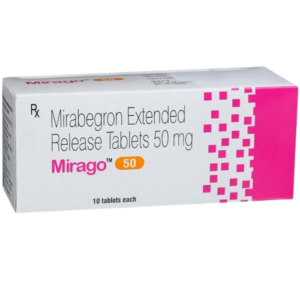
Mirabegron 50mg (Mirago) Tablets
$62.00 – $175.00Price range: $62.00 through $175.00 This product has multiple variants. The options may be chosen on the product page
❤️ Related Guides

Dr. Emily Carter specializes in evidence-based health education and wellness content. She focuses on simplifying complex medical topics related to cancer awareness, nutrition, preventive healthcare, skincare, and lifestyle wellness for readers worldwide.
This content is reviewed for medical accuracy, clarity, and alignment with current public health research. The article is intended for educational and informational purposes only and should not replace professional medical advice, diagnosis, or treatment.