Cancer remains one of the leading health concerns worldwide, and while no single food can completely prevent cancer, research shows that certain dietary habits may help lower the risk of developing several types of cancer.
A healthy diet rich in antioxidants, fiber, vitamins, minerals, and anti-inflammatory compounds can support the immune system, reduce chronic inflammation, and protect cells from damage linked to cancer development.
This guide explores the best anti cancer foods backed by scientific research and explains how they may support overall wellness and cancer prevention naturally.
π First understand cancer basics: Complete Cancer Prevention Guide
How Diet May Influence Cancer Risk
Scientists have identified several lifestyle factors that contribute to cancer risk, including smoking, obesity, alcohol consumption, lack of exercise, and poor dietary habits.
According to research from the American Cancer Society, healthy lifestyle choices including diet and physical activity may help reduce cancer risk.
Some foods contain compounds that may:
- Reduce oxidative stress
- Support healthy cell repair
- Lower inflammation
- Protect DNA from damage
- Support immune system function
On the other hand, highly processed diets, excessive sugar intake, and unhealthy fats may contribute to chronic inflammation and metabolic issues associated with increased cancer risk.
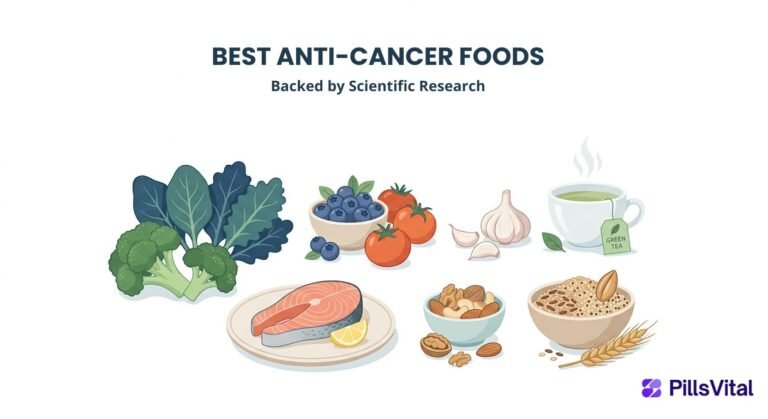
1. Cruciferous Vegetables
Examples
- Broccoli
- Cauliflower
- Cabbage
- Brussels sprouts
- Kale
Cruciferous vegetables contain compounds called glucosinolates, which produce biologically active substances such as sulforaphane during digestion.
Research suggests these compounds may help:
- Neutralize harmful toxins
- Support detoxification enzymes
- Reduce oxidative stress
- Support healthy cell function
Broccoli sprouts, in particular, are often studied for their high sulforaphane content.
The National Cancer Institute has published research on the role of plant compounds and nutrition in cancer prevention.
Easy Ways to Add Them
- Steam broccoli as a side dish
- Add kale to smoothies
- Include cabbage in salads
- Roast cauliflower with olive oil
2. Berries
Examples
- Blueberries
- Strawberries
- Raspberries
- Blackberries
Berries are rich in antioxidants called anthocyanins, which may help protect cells from oxidative damage.
Studies suggest berries may help:
- Reduce inflammation
- Support immune health
- Protect against cellular stress
Their high fiber content also supports digestive health and gut balance.
3. Tomatoes
Tomatoes are one of the best dietary sources of lycopene, a powerful antioxidant linked to cellular protection.
Some studies suggest diets rich in tomatoes may support prostate health and reduce oxidative stress.
Cooked tomatoes may provide better lycopene absorption than raw tomatoes.
Healthy Tomato Foods
- Tomato soup
- Fresh salsa
- Tomato-based sauces
- Roasted tomatoes
4. Garlic and Onions
Garlic and onions contain sulfur compounds and antioxidants that have been widely studied for their potential health benefits.
Research suggests these foods may:
- Support immune function
- Reduce inflammation
- Help protect cells from oxidative damage
Garlic also contains allicin, which forms when garlic is chopped or crushed.
5. Green Tea
Green tea contains catechins, including EGCG (epigallocatechin gallate), which have been studied for antioxidant properties.
Potential benefits include:
- Reducing oxidative stress
- Supporting healthy metabolism
- Promoting cellular protection
Replacing sugary beverages with unsweetened green tea may also support overall wellness.
6. Fatty Fish
Examples
- Salmon
- Sardines
- Mackerel
- Tuna
Fatty fish are rich in omega-3 fatty acids, which may help reduce chronic inflammation.
Long-term inflammation is associated with several chronic diseases, including cancer.
Fatty fish also provide:
- Vitamin D
- Protein
- Selenium
Aim for balanced portions as part of a healthy weekly diet.
7. Leafy Green Vegetables
Spinach, arugula, lettuce, and Swiss chard are nutrient-dense foods rich in:
- Folate
- Fiber
- Carotenoids
- Vitamins A, C, and K
Leafy greens may help support:
- Healthy digestion
- Immune system function
- Cellular protection
8. Nuts and Seeds
Examples
- Walnuts
- Almonds
- Flaxseeds
- Chia seeds
These foods provide:
- Healthy fats
- Fiber
- Plant protein
- Antioxidants
Flaxseeds are particularly rich in lignans and omega-3 fatty acids, which have been researched for hormone-related health benefits.
9. Whole Grains
Examples
- Oats
- Brown rice
- Quinoa
- Whole wheat
- Barley
Whole grains are excellent sources of dietary fiber, which supports gut health and healthy digestion.
Higher fiber intake has been associated with reduced risk of certain digestive system cancers in some studies.
10. Beans and Legumes
Examples
- Lentils
- Chickpeas
- Black beans
- Kidney beans
Legumes are rich in:
- Fiber
- Protein
- Polyphenols
- Minerals
Regular intake may help support:
- Blood sugar balance
- Healthy weight management
- Digestive health
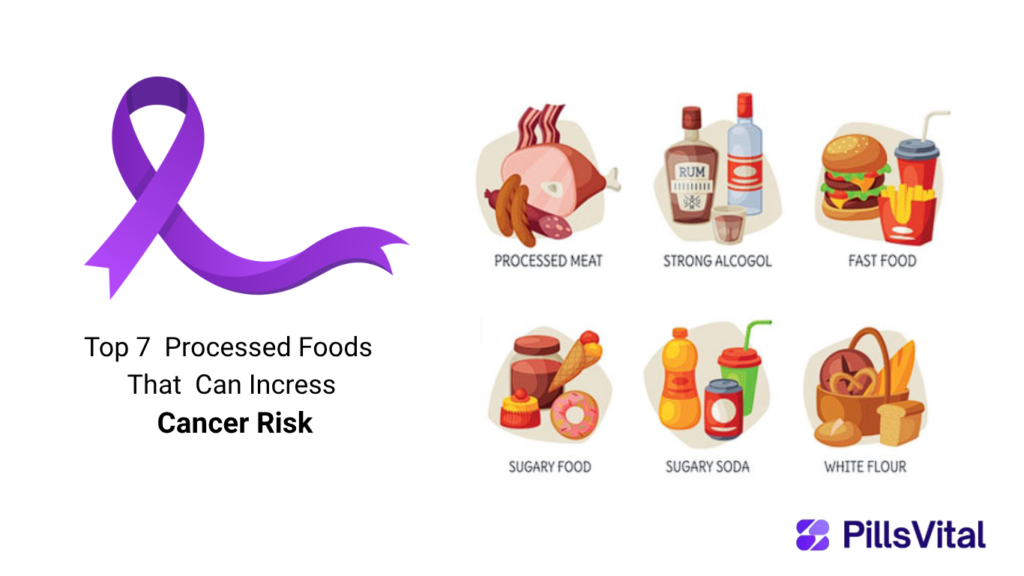
Foods to Limit for Better Long-Term Health
While adding healthy foods matters, reducing certain foods may also support cancer prevention.
Limit:
- Processed meats
- Excessive sugary drinks
- Deep-fried foods
- Highly processed snacks
- Excess alcohol consumption
π Avoid these foods too: Foods That May Increase Cancer Risk
Lifestyle Habits That Support Cancer Prevention
Diet works best when combined with healthy daily habits.
Important Lifestyle Factors
- Avoid smoking
- Exercise regularly
- Maintain a healthy weight
- Sleep adequately
- Reduce chronic stress
- Stay hydrated
- Limit alcohol intake
These habits support overall health and may help reduce cancer-related risk factors.
Can Food Cure Cancer?
No food can cure cancer on its own.
However, a nutrient-rich diet may:
- Support overall health
- Improve immune function
- Reduce inflammation
- Help maintain energy levels during treatment
People diagnosed with cancer should always follow medical guidance from qualified healthcare professionals.
Final Thoughts
Building a healthier diet does not require extreme changes. Small, consistent improvements can make a meaningful difference over time.
The Mayo Clinic also recommends focusing on healthy nutrition, physical activity, and weight management to support overall wellness.
Adding more vegetables, fruits, whole grains, healthy fats, and antioxidant-rich foods into daily meals may help support long-term wellness and reduce certain cancer risk factors.
Focusing on balanced nutrition, regular exercise, and healthy lifestyle habits remains one of the most effective long-term approaches for overall health support.
π Watch for symptoms: Top Early Symptoms of Cancer
Related Health Resources
Some medications are commonly researched online in broader health discussions. Always consult a qualified healthcare professional before using any medication or treatment product.
- Mebendazole Tablets
- Fenbendazole Tablets
- Ivermectin Combination Tablets
-

Covilife MBD 275 (Ivermectin & Mebendazole) Tablets
$92.00 – $260.00Price range: $92.00 through $260.00 This product has multiple variants. The options may be chosen on the product page -
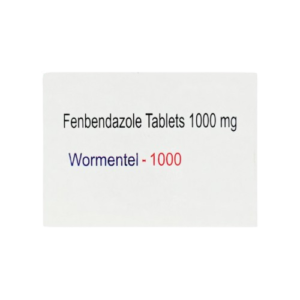
Fenbendazole 1000mg (Wormentel) Tablet
$92.00 – $260.00Price range: $92.00 through $260.00 This product has multiple variants. The options may be chosen on the product page -
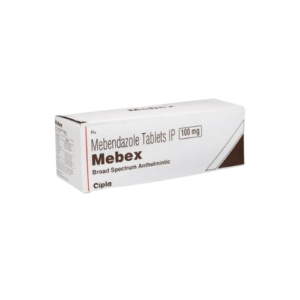
Mebendazole 100mg (Mebex) tablets
$42.00 – $115.00Price range: $42.00 through $115.00 This product has multiple variants. The options may be chosen on the product page -
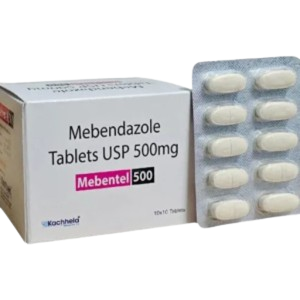
Mebendazole 500mg (Mebentel) tablets
$92.00 – $342.00Price range: $92.00 through $342.00 This product has multiple variants. The options may be chosen on the product page
β FAQs
What are the best anti cancer foods?
Some of the best anti cancer foods include broccoli, berries, tomatoes, garlic, leafy greens, fatty fish, whole grains, and legumes because they contain antioxidants and anti-inflammatory compounds.
Can healthy eating prevent cancer completely?
No diet can completely prevent cancer, but healthy eating may help reduce certain cancer risk factors and support overall health.
Which foods are linked to higher cancer risk?
Processed meats, excessive alcohol, sugary drinks, and highly processed foods are commonly associated with increased health risks in research studies.
Are antioxidants important for cancer prevention?
Antioxidants help protect cells from oxidative stress and damage, which may support long-term cellular health.
Is green tea good for cancer prevention?
Green tea contains catechins and antioxidants that may help reduce oxidative stress and support overall wellness.
π Related Cancer Guides
Dr. Emily Carter specializes in evidence-based health education and wellness content. She focuses on simplifying complex medical topics related to cancer awareness, nutrition, preventive healthcare, skincare, and lifestyle wellness for readers worldwide.
This content is reviewed for medical accuracy, clarity, and alignment with current public health research. The article is intended for educational and informational purposes only and should not replace professional medical advice, diagnosis, or treatment.
One Response