
Diabetes vs Heart Disease vs Hypertension: What’s the Difference?
Introduction
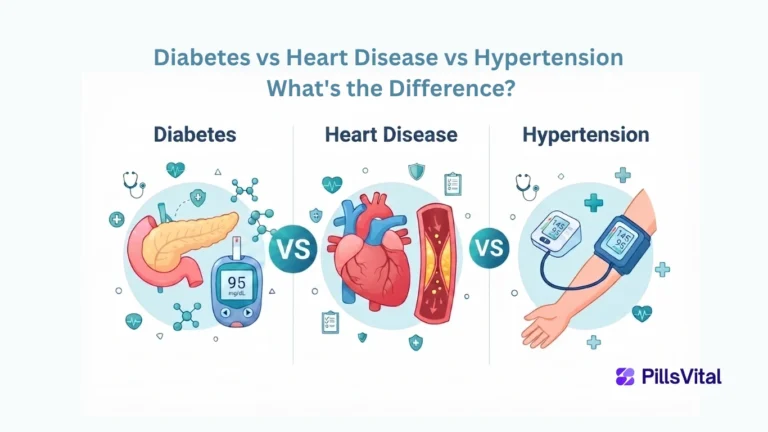
Chronic diseases are among the leading causes of illness and death worldwide, affecting millions of people every year. While diabetes, heart disease, and hypertension (high blood pressure) are often discussed together, they are distinct medical conditions with different causes, symptoms, treatments, and long-term health effects. Understanding the differences between these conditions is essential for early detection, effective management, and reducing the risk of serious complications.
Many people mistakenly believe that diabetes, heart disease, and hypertension are separate health issues with no connection. In reality, these conditions are closely linked. Having one can significantly increase the likelihood of developing another. For example, poorly controlled diabetes can damage blood vessels, increasing the risk of heart disease and stroke. Likewise, uncontrolled high blood pressure can strain the heart and contribute to cardiovascular disease.
Despite these connections, each condition affects the body differently:
- Diabetes primarily disrupts how the body regulates blood sugar.
- Heart disease refers to several disorders that affect the heart and blood vessels.
- Hypertension is a condition where blood pressure remains consistently higher than normal, often without noticeable symptoms.
Recognizing the warning signs and understanding how these conditions differ can help individuals make informed lifestyle choices and seek timely medical care.
One of the most effective ways to lower your risk is by adopting healthier lifestyle habits, including eating nutrient-rich foods. Read our guide on Best Foods That Help Prevent Chronic Diseases to learn which foods support long-term health.
Why These Three Conditions Are Often Confused
Diabetes, heart disease, and hypertension frequently occur together because they share many of the same risk factors, including obesity, physical inactivity, smoking, unhealthy eating habits, chronic stress, and aging. In many cases, a person diagnosed with one of these conditions may eventually develop one or both of the others if lifestyle changes and medical treatment are not followed.
Healthcare professionals often refer to this combination as part of cardiometabolic health, where metabolic disorders and cardiovascular diseases influence one another.
For example:
- High blood sugar damages blood vessels over time.
- Damaged blood vessels become less flexible, contributing to high blood pressure.
- High blood pressure forces the heart to work harder, increasing the risk of heart attack and heart failure.
- Elevated cholesterol levels can further narrow arteries, reducing blood flow to the heart and brain.
This interconnected relationship highlights why routine health screenings are important, even for individuals who feel healthy.
What Is Diabetes?
Diabetes is a chronic metabolic disorder that occurs when the body cannot properly regulate blood glucose (blood sugar). Glucose serves as the body’s primary energy source, but it must be transported into cells by a hormone called insulin, which is produced by the pancreas.
When insulin production is insufficient or when the body’s cells become resistant to insulin, glucose accumulates in the bloodstream instead of entering cells for energy. Over time, elevated blood sugar levels can damage blood vessels, nerves, kidneys, eyes, and other organs.
Diabetes affects people of all ages and is one of the most common chronic diseases worldwide. Early diagnosis and consistent management can significantly reduce the risk of long-term complications.
According to the World Health Organization – Diabetes, diabetes is a major chronic disease that affects millions of people worldwide and requires ongoing management to reduce the risk of complications.
Types of Diabetes
Type 1 Diabetes
Type 1 diabetes is an autoimmune condition in which the immune system mistakenly attacks the insulin-producing beta cells in the pancreas. As a result, the body produces little or no insulin.
Key characteristics include:
- Usually develops during childhood or early adulthood
- Requires lifelong insulin therapy
- Cannot currently be prevented
- Represents approximately 5–10% of diabetes cases
Type 2 Diabetes
Type 2 diabetes is the most common form of diabetes. It develops when the body’s cells become resistant to insulin or when the pancreas cannot produce enough insulin to maintain normal blood sugar levels.
Risk factors include:
- Overweight or obesity
- Sedentary lifestyle
- Family history
- Poor dietary habits
- Increasing age
- High blood pressure
- High cholesterol
Many individuals with Type 2 diabetes can successfully manage their condition through healthy eating, regular physical activity, weight management, medications, and routine medical monitoring.
Gestational Diabetes
Gestational diabetes develops during pregnancy when hormonal changes reduce the body’s ability to use insulin effectively.
Although blood sugar levels often return to normal after childbirth, women who experience gestational diabetes have a higher risk of developing Type 2 diabetes later in life.
Proper prenatal care helps reduce complications for both mother and baby.
Common Symptoms of Diabetes
Diabetes often develops gradually, particularly Type 2 diabetes, making early recognition important.
Common symptoms include:
- Frequent urination
- Excessive thirst
- Increased hunger
- Fatigue
- Blurred vision
- Slow-healing wounds
- Frequent infections
- Tingling or numbness in the hands and feet
- Unexplained weight loss (more common in Type 1 diabetes)
Some people experience no noticeable symptoms until complications develop, which is why regular blood sugar screening is recommended for individuals with risk factors.
What Causes Diabetes?
Several factors contribute to diabetes, depending on the specific type.
Type 1 Diabetes Causes
Researchers believe Type 1 diabetes results from a combination of genetic susceptibility and environmental triggers such as viral infections that activate an autoimmune response.
Type 2 Diabetes Causes
Type 2 diabetes develops through a combination of lifestyle and genetic influences.
Major contributing factors include:
- Excess body weight
- Physical inactivity
- High-calorie diets
- Family history
- Aging
- Smoking
- Chronic stress
- Poor sleep quality
Although genetics play a role, healthy lifestyle habits can substantially reduce the risk of developing Type 2 diabetes.
The Centers for Disease Control and Prevention – Diabetes recommends regular screening for people who have risk factors such as obesity, a family history of diabetes, or high blood pressure.
Possible Complications of Diabetes
When blood sugar remains uncontrolled for long periods, damage can occur throughout the body.
Potential complications include:
Cardiovascular Disease
People with diabetes are significantly more likely to develop heart disease and stroke because elevated blood sugar damages blood vessels and accelerates plaque buildup.
Kidney Disease
Persistent high blood sugar can damage the kidneys’ filtering system, increasing the risk of chronic kidney disease and kidney failure.
Nerve Damage
Diabetic neuropathy can cause pain, numbness, burning sensations, or weakness, particularly in the feet and legs.
Eye Disease
Diabetes can damage the small blood vessels in the retina, increasing the risk of diabetic retinopathy, cataracts, and glaucoma.
Foot Problems
Reduced circulation and nerve damage increase the likelihood of foot ulcers and infections that may require specialized treatment.
Additional educational resources about diabetes prevention and management are available from the American Diabetes Association.
How Diabetes Is Diagnosed
Healthcare providers use several laboratory tests to diagnose diabetes.
Common diagnostic tests include:
| Test | Purpose |
|---|---|
| Fasting Blood Glucose | Measures blood sugar after fasting for at least 8 hours |
| HbA1c Test | Reflects average blood sugar levels over the previous 2–3 months |
| Oral Glucose Tolerance Test | Evaluates how the body processes glucose after consuming a sugary drink |
| Random Blood Sugar Test | Measures blood sugar at any time of day when symptoms are present |
Routine screening is especially important for adults with obesity, high blood pressure, a family history of diabetes, or other risk factors.
Living Well With Diabetes
Although diabetes is a lifelong condition for many individuals, effective management can greatly improve quality of life and reduce the risk of complications.
Healthy habits include:
- Eating a balanced diet rich in vegetables, fruits, whole grains, lean proteins, and healthy fats
- Limiting sugary beverages and highly processed foods
- Engaging in regular physical activity
- Maintaining a healthy weight
- Taking medications exactly as prescribed
- Monitoring blood glucose levels when recommended
- Attending regular medical check-ups
- Managing stress and getting adequate sleep
Small, consistent lifestyle changes often have a meaningful impact on blood sugar control and overall health.
Along with medication, regular physical activity plays an important role in managing diabetes. Learn how staying active helps in our guide on Exercise and Chronic Disease.
What Is Heart Disease?
Heart disease is a broad term that describes a group of conditions affecting the heart and blood vessels. It is one of the leading causes of illness and death worldwide. The most common form is coronary artery disease (CAD), which occurs when fatty deposits (plaque) build up inside the coronary arteries, reducing blood flow to the heart muscle. This can increase the risk of chest pain (angina), heart attack, heart failure, and other serious complications.
The heart is responsible for pumping oxygen-rich blood throughout the body. When its structure or function is impaired, it cannot work efficiently, affecting the delivery of oxygen and nutrients to vital organs.
Heart disease can affect people of all ages, although the risk increases with age and certain lifestyle factors. Early diagnosis, appropriate treatment, and healthy lifestyle changes can significantly reduce complications and improve long-term heart health.
The World Health Organization – Cardiovascular Diseases identifies cardiovascular diseases as a leading cause of death globally, highlighting the importance of prevention and early detection.
Types of Heart Disease
Coronary Artery Disease (CAD)
Coronary artery disease is the most common type of heart disease. It develops when cholesterol, fat, and other substances accumulate inside the coronary arteries, narrowing them and restricting blood flow to the heart.
Key characteristics include:
- Most common form of heart disease
- Caused by plaque buildup (atherosclerosis)
- Can lead to angina or heart attack
- Often develops gradually over many years
- May have no symptoms in its early stages
Heart Failure
Heart failure occurs when the heart cannot pump enough blood to meet the body’s needs. It does not mean the heart has stopped working but rather that it has become weaker or stiffer.
Common characteristics include:
- Shortness of breath during activity or rest
- Swelling in the legs, ankles, or feet
- Fatigue and weakness
- Fluid buildup in the lungs
- Requires ongoing medical management
Heart Rhythm Disorders (Arrhythmias)
Arrhythmias occur when the electrical signals controlling the heartbeat become irregular, causing the heart to beat too fast, too slow, or irregularly.
Common examples include atrial fibrillation, bradycardia, and tachycardia.
Heart Valve Disease
Heart valve disease develops when one or more heart valves do not open or close properly, affecting blood flow through the heart.
It may result from aging, infections, congenital defects, or other medical conditions.
Congenital Heart Disease
Congenital heart disease refers to structural abnormalities of the heart that are present at birth. Some defects are mild, while others require surgery or lifelong medical care.
Common Symptoms of Heart Diseases
Symptoms vary depending on the specific type of heart disease. Some people may experience no noticeable symptoms until the disease has progressed.
Common symptoms include:
- Chest pain or discomfort (angina)
- Shortness of breath
- Fatigue or weakness
- Rapid or irregular heartbeat
- Pain spreading to the arm, neck, jaw, shoulder, or back
- Dizziness or fainting
- Swelling in the legs, ankles, or feet
- Cold sweats
- Nausea, especially during a heart attack
Women, older adults, and people with diabetes may experience less typical symptoms such as unusual fatigue, nausea, indigestion, or back pain.
Early recognition of these warning signs can help reduce the risk of severe complications.
What Causes Heart Diseases?
Heart disease develops from a combination of genetic, lifestyle, and environmental factors.
Coronary Artery Disease Causes
Coronary artery disease most commonly develops because of atherosclerosis, a condition in which cholesterol and other fatty substances build up inside artery walls, reducing blood flow to the heart.
Other contributing factors include chronic inflammation and damage to blood vessels over time.
Other Causes of Heart Disease
Different types of heart disease have different causes, including:
- High blood pressure
- High cholesterol
- Diabetes
- Heart infections
- Congenital heart defects
- Damaged heart valves
- Abnormal heart rhythms
- Cardiomyopathy (heart muscle disease)
Risk Factors for Heart Disease
Several lifestyle and medical factors increase the likelihood of developing heart disease.
Major risk factors include:
- High blood pressure
- High cholesterol
- Diabetes
- Smoking or tobacco use
- Obesity or overweight
- Physical inactivity
- Unhealthy diet
- Excessive alcohol consumption
- Chronic stress
- Poor sleep quality
- Family history of heart disease
- Increasing age
Many of these risk factors are modifiable, meaning healthy lifestyle choices can significantly reduce the risk.
Possible Complications of Heart Disease
If left untreated, heart disease can lead to life-threatening complications.
Potential complications include:
Heart Attack
A heart attack occurs when blood flow to part of the heart muscle becomes blocked, causing damage to the heart tissue.
Heart Failure
Long-term damage to the heart can weaken its pumping ability, leading to heart failure.
Stroke
Heart disease can increase the risk of blood clots that travel to the brain, resulting in a stroke.
Cardiac Arrest
Serious rhythm disturbances may cause the heart to suddenly stop beating effectively, requiring immediate emergency treatment.
Kidney Damage
Reduced blood flow caused by heart disease can affect kidney function and contribute to chronic kidney disease.
How Heart Disease Is Diagnosed
Healthcare providers use several tests to diagnose heart disease and evaluate heart function.
| Test | Purpose |
|---|---|
| Blood Pressure Measurement | Checks for hypertension, a major cardiovascular risk factor |
| Blood Tests | Measure cholesterol, blood sugar, and markers of heart damage |
| Electrocardiogram (ECG/EKG) | Records the heart’s electrical activity |
| Echocardiogram | Uses ultrasound to evaluate heart structure and function |
| Exercise Stress Test | Assesses how the heart performs during physical activity |
| Coronary Angiography | Identifies blocked or narrowed coronary arteries |
| CT or MRI Scan | Produces detailed images of the heart and blood vessels |
Routine screening is especially important for people with diabetes, hypertension, high cholesterol, obesity, smoking history, or a family history of cardiovascular disease.
The American Heart Association recommends maintaining healthy blood pressure, cholesterol, body weight, and physical activity levels to support long-term heart health.
Living Well With Heart Disease
Although many forms of heart disease are chronic, proper management can help improve quality of life and reduce the risk of serious complications.
Healthy habits include:
- Eating a heart-healthy diet rich in vegetables, fruits, whole grains, lean proteins, and healthy fats
- Limiting foods high in saturated fat, trans fat, sodium, and added sugars
- Exercising regularly as recommended by a healthcare professional
- Maintaining a healthy body weight
- Taking prescribed medications consistently
- Monitoring blood pressure, cholesterol, and blood sugar levels
- Avoiding smoking and limiting alcohol intake
- Managing stress through healthy coping strategies
- Getting adequate sleep
- Attending regular medical check-ups and following treatment plans
Consistent lifestyle improvements, combined with appropriate medical care, play a vital role in protecting heart health and preventing future cardiovascular events.
A heart-healthy diet can lower cholesterol and reduce cardiovascular risk. Explore Best Foods That Help Prevent Chronic Diseases for practical nutrition tips.
What Is Hypertension?
Hypertension, commonly known as high blood pressure, is a chronic cardiovascular condition in which the force of blood pushing against the walls of the arteries remains consistently too high. Blood pressure is measured using two numbers: systolic pressure (when the heart beats) and diastolic pressure (when the heart rests between beats).
Over time, persistently elevated blood pressure forces the heart to work harder and damages blood vessels throughout the body. This can increase the risk of serious health problems, including heart disease, stroke, kidney disease, and vision loss.
Hypertension often develops gradually and may not cause noticeable symptoms, earning it the nickname “the silent killer.” Early detection, healthy lifestyle changes, and appropriate treatment can help prevent long-term complications.
According to the Centers for Disease Control and Prevention – High Blood Pressure, hypertension often develops without noticeable symptoms, making routine blood pressure checks especially important.
Types of Hypertension
Primary (Essential) Hypertension
Primary hypertension is the most common form of high blood pressure. It develops gradually over many years and has no single identifiable cause.
Key characteristics include:
- Accounts for approximately 90–95% of hypertension cases
- Usually develops in adulthood
- Results from a combination of genetic, lifestyle, and environmental factors
- Often requires long-term lifestyle management and, in some cases, medication
Secondary Hypertension
Secondary hypertension occurs due to an underlying medical condition or certain medications.
Common causes include:
- Kidney disease
- Hormonal disorders
- Thyroid disorders
- Obstructive sleep apnea
- Certain medications (such as corticosteroids or birth control pills)
- Congenital blood vessel abnormalities
Treating the underlying condition may improve or resolve secondary hypertension.
Gestational Hypertension
Gestational hypertension develops during pregnancy, usually after 20 weeks of gestation, in women who previously had normal blood pressure.
Although blood pressure often returns to normal after delivery, women who develop gestational hypertension have a greater risk of developing chronic hypertension and cardiovascular disease later in life.
Proper prenatal care helps protect both mother and baby.
Common Symptoms of Diabetes
High blood pressure often causes no symptoms, especially during its early stages.
When blood pressure becomes severely elevated, symptoms may include:
- Persistent headaches
- Dizziness
- Blurred vision
- Shortness of breath
- Chest pain
- Nosebleeds
- Fatigue
- Irregular heartbeat
- Difficulty concentrating
Many people are unaware they have hypertension until it is detected during a routine medical examination or after complications develop.
Regular blood pressure screening is recommended, especially for adults with risk factors.
What Causes Hypertension?
Several factors contribute to the development of hypertension.
Primary Hypertension Causes
Primary hypertension develops gradually through a combination of lifestyle and genetic influences.
Major contributing factors include:
- Family history
- Increasing age
- Overweight or obesity
- Physical inactivity
- High sodium intake
- Low potassium intake
- Smoking
- Excessive alcohol consumption
- Chronic stress
- Poor sleep quality
Healthy lifestyle habits can significantly lower the risk of developing high blood pressure.
Secondary Hypertension Causes
Secondary hypertension may result from:
- Chronic kidney disease
- Adrenal gland disorders
- Thyroid disease
- Sleep apnea
- Certain prescription medications
- Illegal drug use
- Congenital heart or blood vessel abnormalities
Proper diagnosis helps identify the underlying cause and guide treatment.
Possible Complications of Hypertension
When blood pressure remains uncontrolled for long periods, it can damage nearly every organ in the body.
The National Heart, Lung, and Blood Institute explains that repeated blood pressure measurements are commonly used to diagnose hypertension and guide treatment decisions.
Heart Disease
High blood pressure increases the risk of coronary artery disease, heart attack, heart failure, and enlargement of the heart.
Stroke
Damaged or narrowed arteries increase the likelihood of ischemic or hemorrhagic stroke.
Kidney Disease
Hypertension can damage the kidneys’ blood vessels, reducing their ability to filter waste effectively and increasing the risk of chronic kidney disease.
Eye Disease
High blood pressure may damage the blood vessels in the retina, leading to hypertensive retinopathy, vision impairment, or vision loss.
Peripheral Artery Disease
Reduced blood flow caused by narrowed arteries can lead to pain, poor circulation, and increased risk of ulcers in the legs and feet.
Cognitive Decline
Long-term hypertension has been associated with memory problems, vascular dementia, and reduced cognitive function.
How Hypertension Is Diagnosed
Healthcare providers use several methods to diagnose hypertension.
| Test | Purpose |
|---|---|
| Blood Pressure Measurement | Measures systolic and diastolic blood pressure using a cuff |
| Ambulatory Blood Pressure Monitoring | Records blood pressure over 24 hours to confirm diagnosis |
| Home Blood Pressure Monitoring | Tracks blood pressure outside the clinical setting |
| Blood & Urine Tests | Evaluates kidney function, cholesterol, blood sugar, and possible underlying causes |
| Electrocardiogram (ECG) | Assesses heart rhythm and signs of heart strain |
Routine screening is especially important for adults over age 40 or younger adults with obesity, diabetes, kidney disease, or a family history of hypertension.
Living Well With Hypertension
Although hypertension is often a lifelong condition, effective management can greatly reduce the risk of heart disease, stroke, and other complications.
Healthy habits include:
- Eating a balanced diet rich in vegetables, fruits, whole grains, lean proteins, and low-fat dairy products
- Limiting sodium (salt) intake
- Reducing consumption of processed and high-fat foods
- Engaging in regular physical activity
- Maintaining a healthy body weight
- Taking blood pressure medications exactly as prescribed
- Monitoring blood pressure regularly at home when recommended
- Avoiding smoking and limiting alcohol consumption
- Managing stress through relaxation techniques and adequate sleep
- Attending regular medical check-ups
Small, consistent lifestyle changes can have a significant impact on blood pressure control and overall cardiovascular health.
Getting enough quality sleep is also important for maintaining healthy blood pressure. Visit our Sleep Wellness section for evidence-based sleep tips.
Diabetes vs Heart Disease vs Hypertension: At-a-Glance Comparison
| Comparison Factor | Diabetes | Heart Disease | Hypertension |
|---|---|---|---|
| What Happens in the Body? | Blood sugar remains too high because insulin is lacking or ineffective. | The heart or blood vessels cannot function normally due to narrowed arteries, damaged heart muscle, or electrical problems. | Blood continuously pushes against artery walls with excessive force. |
| How It Usually Begins | Often develops gradually (Type 2), while Type 1 usually develops suddenly. | Usually develops slowly over many years because of plaque buildup or other heart conditions. | Typically develops gradually over time without noticeable symptoms. |
| Early Warning Signs | Increased thirst, frequent urination, fatigue, blurred vision. | Chest discomfort, breathlessness during activity, unusual tiredness. | Usually no symptoms until blood pressure becomes dangerously high. |
| Can It Go Undetected? | Yes, especially Type 2 diabetes. | Yes, many people discover it only after a heart event. | Yes. It is commonly known as the “silent killer.” |
| Biggest Health Concern | Long-term damage to blood vessels and nerves. | Reduced blood flow can lead to heart attack or heart failure. | Constant pressure damages arteries and vital organs over time. |
| Most Affected Organs | Eyes, kidneys, nerves, heart, feet. | Heart, arteries, brain, kidneys. | Heart, brain, kidneys, eyes, blood vessels. |
| Daily Self-Monitoring | Blood glucose monitoring may be required. | Symptoms, weight, and heart health are monitored depending on the condition. | Regular blood pressure monitoring at home is often recommended. |
| Lifestyle Changes That Help Most | Healthy eating, weight management, physical activity, blood sugar monitoring. | Heart-healthy diet, exercise, quitting smoking, cholesterol control. | Lower sodium intake, regular exercise, maintaining a healthy weight, limiting alcohol. |
| Can It Increase the Risk of Other Diseases? | Yes. It significantly increases the risk of heart disease, stroke, and hypertension. | Yes. Heart disease can contribute to heart failure, stroke, and kidney problems. | Yes. Uncontrolled hypertension greatly increases the risk of heart disease, stroke, and kidney disease. |
| Long-Term Outlook | Good blood sugar control can help reduce complications and improve quality of life. | Early treatment and healthy habits can slow progression and reduce cardiovascular events. | Effective blood pressure control greatly lowers the risk of serious complications. |
How These Three Conditions Are Connected
Although diabetes, heart disease, and hypertension are different conditions, they frequently occur together because they share many of the same risk factors, including obesity, physical inactivity, unhealthy eating habits, smoking, chronic stress, and advancing age.
The relationship between them often follows a cycle:
- Diabetes can damage blood vessels, increasing the risk of hypertension and heart disease.
- Hypertension places extra strain on the heart, making heart disease and heart failure more likely.
- Heart disease may become more severe when diabetes or uncontrolled hypertension is also present.
- Having more than one of these conditions significantly increases the risk of heart attack, stroke, kidney disease, and other serious complications.
❓ FAQs
1. What is the main difference between diabetes, heart disease, and hypertension?
Diabetes is a condition that affects how the body regulates blood sugar. Heart disease refers to various conditions that affect the heart and blood vessels, while hypertension is persistently high blood pressure that increases the strain on the heart and arteries. Although they are different conditions, they often occur together and share many of the same risk factors.
2. Can diabetes increase the risk of heart disease?
Yes. Over time, high blood sugar can damage blood vessels and nerves that help control the heart. People with diabetes are at a higher risk of developing heart disease, heart attack, and stroke, especially if blood sugar, blood pressure, and cholesterol are not well managed.
3. Is hypertension considered a heart disease?
No. Hypertension (high blood pressure) is not a type of heart disease, but it is a major risk factor for developing cardiovascular conditions such as coronary artery disease, heart failure, heart attack, and stroke.
4. Can a person have diabetes, heart disease, and hypertension at the same time?
Yes. Many people have more than one of these chronic conditions. Diabetes and hypertension often occur together and significantly increase the risk of heart disease. Managing all three conditions through lifestyle changes and appropriate medical treatment can help reduce complications.
5. What are the common risk factors for all three conditions?
Several risk factors are shared by diabetes, heart disease, and hypertension, including obesity, physical inactivity, unhealthy eating habits, smoking, excessive alcohol consumption, chronic stress, poor sleep, increasing age, and a family history of chronic disease.
6. Can these chronic diseases be prevented?
While not every case can be prevented, many cases—especially Type 2 diabetes, hypertension, and some forms of heart disease—can be delayed or prevented by maintaining a healthy weight, eating a balanced diet, staying physically active, avoiding tobacco, limiting alcohol, and attending regular health screenings.
7. How are diabetes, heart disease, and hypertension diagnosed?
Healthcare providers use different tests depending on the condition. Diabetes is diagnosed using blood glucose and HbA1c tests. Heart disease may require tests such as an electrocardiogram (ECG), echocardiogram, or stress test. Hypertension is diagnosed through repeated blood pressure measurements over time.
8. When should I see a doctor?
You should consult a healthcare professional if you experience symptoms such as persistent chest pain, shortness of breath, frequent urination, excessive thirst, unexplained fatigue, dizziness, or consistently high blood pressure readings. Regular check-ups are also important if you have risk factors such as obesity, diabetes, high cholesterol, or a family history of chronic disease.
Conclusion
Diabetes, heart disease, and hypertension are different chronic conditions, but they are closely connected and often share the same risk factors. Understanding their differences, recognizing early warning signs, and seeking timely medical care can help reduce the risk of serious complications. By maintaining a healthy lifestyle, staying physically active, eating a balanced diet, and attending regular health check-ups, you can better protect your heart and overall health.
Continue learning by exploring our Health Guide and Chronic Diseases categories for more evidence-based information on preventing and managing long-term health conditions.
Related Health Resources
-

Rosuvastatin 5mg (Crestor) Tablets
$78.00 – $150.00Price range: $78.00 through $150.00 This product has multiple variants. The options may be chosen on the product page -

Metformin 500mg (Okamet) Tablets
$48.00 – $92.00Price range: $48.00 through $92.00 This product has multiple variants. The options may be chosen on the product page -

Thyroxine 125mcg (Eltroxin) Tablets
$40.00 – $112.00Price range: $40.00 through $112.00 This product has multiple variants. The options may be chosen on the product page -

Asthalin Respirator Solution 15ml (Salbutamol)
$15.00 – $41.00Price range: $15.00 through $41.00 This product has multiple variants. The options may be chosen on the product page
🩺 Related Guides

Dr. Emily Carter specializes in evidence-based health education and wellness content. She focuses on simplifying complex medical topics related to cancer awareness, nutrition, preventive healthcare, skincare, and lifestyle wellness for readers worldwide.
This content is reviewed for medical accuracy, clarity, and alignment with current public health research. The article is intended for educational and informational purposes only and should not replace professional medical advice, diagnosis, or treatment.