🚚 Worldwide Shipping | 🔒 Secure Checkout | 💬 24/7 Support

Welcome to PillsVital — Essential Care, Trusted Globally

Contact Us

+1 (354) 200-7417

Email Support

pillsvital8@gmail.com

Our Location

United States

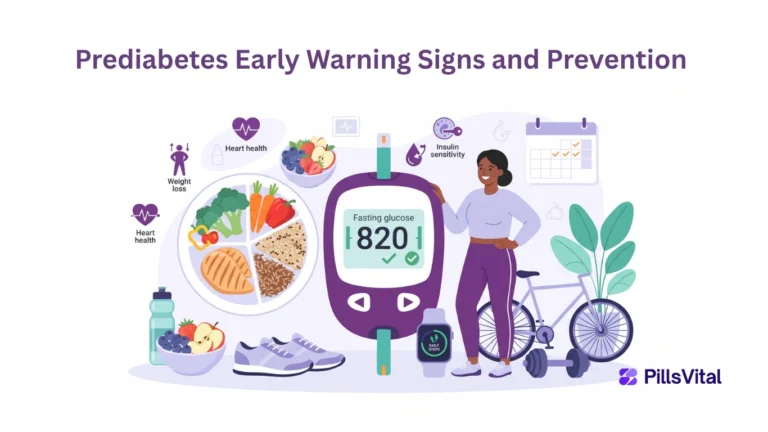
Flat vector illustration showing healthy foods, exercise, blood glucose monitoring, and lifestyle changes to help prevent prediabetes and reduce the risk of type 2 diabetes.

Living with diabetes doesn’t mean giving up delicious food. The right eating plan can help maintain healthy blood sugar levels, improve energy, support weight management, and reduce the risk of long-term complications.

Whether you’ve recently been diagnosed or want to improve your daily eating habits, this complete diabetic diet plan explains which foods to include, which foods to limit, and how to build balanced meals that support long-term health.

If you’re new to diabetes, start by reading What Is Type 2 Diabetes? Causes, Symptoms, Diagnosis & Treatment.

Why Diet Matters in Diabetes

Food directly affects blood glucose levels. Choosing nutrient-rich foods with the right balance of carbohydrates, protein, healthy fats, and fiber helps:

  • Maintain stable blood sugar
  • Improve insulin sensitivity
  • Support healthy weight loss
  • Lower cholesterol
  • Reduce blood pressure
  • Protect heart health
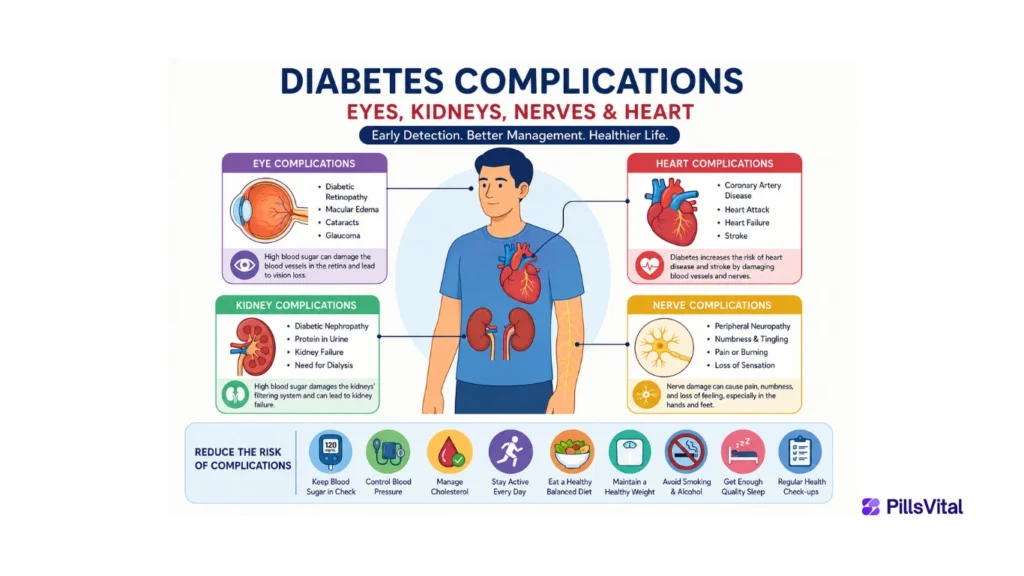
  • Lower the risk of diabetic complications

According to the American Diabetes Association (ADA), no single “diabetes diet” works for everyone. Instead, personalized meal planning with healthy food choices is recommended.

Best Foods to Eat with Diabetes

1. Non-Starchy Vegetables

Fill half your plate with vegetables.

Examples include:

  • Spinach
  • Kale
  • Broccoli
  • Cauliflower
  • Bell peppers
  • Cucumbers
  • Zucchini
  • Green beans
  • Mushrooms
  • Cabbage

Benefits:

  • High fiber
  • Low calories
  • Rich in vitamins
  • Low glycemic impact

2. Whole Grains

Replace refined grains with whole grains.

Choose:

  • Oats
  • Brown rice
  • Quinoa
  • Whole wheat bread
  • Barley
  • Millet

Avoid oversized portions because carbohydrates still affect blood sugar.

3. Lean Protein

Protein slows digestion and helps maintain fullness.

Healthy choices include:

  • Skinless chicken
  • Turkey
  • Fish
  • Eggs
  • Tofu
  • Lentils
  • Chickpeas
  • Greek yogurt

Fatty fish like salmon also provide omega-3 fatty acids that support heart health.

4. Healthy Fats

Choose unsaturated fats.

Examples:

  • Avocados
  • Olive oil
  • Almonds
  • Walnuts
  • Chia seeds
  • Flaxseeds

Healthy fats help improve satiety without causing rapid blood sugar spikes.

5. Fruits (In Moderation)

Fruit can be part of a diabetes-friendly diet.

Better options:

  • Apples
  • Berries
  • Pears
  • Oranges
  • Kiwi
  • Peaches

Limit fruit juices because they contain concentrated sugar.

6. Low-Fat Dairy

Good options include:

  • Plain Greek yogurt
  • Cottage cheese
  • Low-fat milk
  • Unsweetened soy milk

Choose products without added sugar.

7. High-Fiber Foods

Fiber slows glucose absorption.

High-fiber foods include:

  • Beans
  • Lentils
  • Oats
  • Vegetables
  • Chia seeds
  • Whole grains

Adults should aim for approximately 25–38 grams of fiber daily, depending on age and sex.

Foods to Avoid with Diabetes

Sugary Drinks

Avoid:

  • Soda
  • Sweet tea
  • Energy drinks
  • Sweetened coffee
  • Fruit punch

These beverages rapidly increase blood sugar.

Refined Carbohydrates

Limit:

  • White bread
  • White rice
  • Pastries
  • Cookies
  • Cakes
  • Sugary cereals

Fried Foods

Examples:

  • French fries
  • Fried chicken
  • Potato chips

These foods are often high in unhealthy fats and calories.

Processed Meats

Reduce consumption of:

  • Bacon
  • Sausage
  • Hot dogs
  • Salami

Frequent intake has been linked to increased cardiovascular risk.

Highly Processed Snacks

Avoid:

  • Candy
  • Ice cream
  • Doughnuts
  • Packaged desserts

Foods High in Added Sugar

Check labels for:

  • High-fructose corn syrup
  • Cane sugar
  • Brown sugar
  • Molasses
  • Syrups

Sample One-Day Diabetic Meal Plan

Breakfast

  • Vegetable omelet
  • Whole-grain toast
  • Unsweetened tea

Snack

  • Handful of almonds

Lunch

  • Grilled chicken
  • Brown rice
  • Mixed vegetables

Snack

  • Greek yogurt

Dinner

  • Baked salmon
  • Roasted broccoli
  • Quinoa

Dessert

  • Fresh berries

Portion Control Tips

Use the Diabetes Plate Method.

Fill your plate with:

  • ½ non-starchy vegetables
  • ¼ lean protein
  • ¼ healthy carbohydrates

Drink water instead of sugary beverages.

Can Weight Loss Improve Diabetes?

Yes.

Even losing 5–10% of body weight may improve insulin sensitivity and blood sugar control in many adults with overweight or obesity.

If weight management is your goal, also read Prediabetes: Early Warning Signs and How to Prevent Diabetes.

Healthy Eating Tips

  • Eat meals at consistent times.
  • Drink enough water.
  • Read nutrition labels.
  • Limit added sugars.
  • Increase daily fiber intake.
  • Include protein with every meal.
  • Avoid skipping breakfast.
  • Prepare meals at home when possible.

Common Mistakes People Make

Many people unknowingly:

  • Skip meals
  • Drink sugary beverages
  • Eat oversized portions
  • Ignore food labels
  • Snack excessively
  • Consume too many refined carbohydrates
  • Depend on processed foods

Making gradual, sustainable changes is often more effective than restrictive dieting.

❓ FAQs

Can people with diabetes eat rice?

Yes. Whole grains like brown rice or smaller portions of white rice can fit into a balanced meal plan when paired with protein and vegetables.

Not necessarily. Bananas can be enjoyed in moderation as part of an overall balanced eating pattern.

Yes. Whole fruits are generally preferred over fruit juice because they contain fiber.

Yes, but baked or boiled potatoes in moderate portions are better choices than fried potatoes.

Honey still raises blood glucose and should be consumed in moderation.

Conclusion

A healthy diabetic diet focuses on whole foods, balanced meals, fiber-rich carbohydrates, lean protein, and healthy fats while limiting refined carbohydrates, sugary drinks, and highly processed foods. Combined with regular physical activity, adequate sleep, and routine medical care, healthy eating plays a central role in managing diabetes and reducing the risk of complications.

For a broader understanding of long-term health conditions, explore What Are Chronic Diseases? Types, Causes, Symptoms & Prevention.

Related Health Resources
Dr Emily Carter PharmD
Written By
Dr. Emily Carter, PharmD
Medical Content Reviewer & Health Research Writer

Dr. Emily Carter specializes in evidence-based health education and wellness content. She focuses on simplifying complex medical topics related to cancer awareness, nutrition, preventive healthcare, skincare, and lifestyle wellness for readers worldwide.

🩺
Medically Reviewed
Reviewed for Accuracy & Readability
Educational & Informational Health Content

This content is reviewed for medical accuracy, clarity, and alignment with current public health research. The article is intended for educational and informational purposes only and should not replace professional medical advice, diagnosis, or treatment.

One Response

Leave a Reply

Your email address will not be published. Required fields are marked *