🚚 Worldwide Shipping | 🔒 Secure Checkout | 💬 24/7 Support

Welcome to PillsVital — Essential Care, Trusted Globally

Contact Us

+1 (354) 200-7417

Email Support

pillsvital8@gmail.com

Our Location

United States

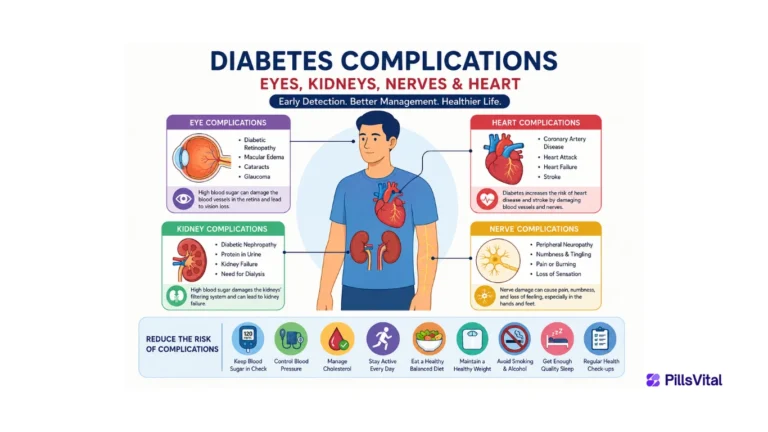
Diabetes is one of the most common chronic diseases worldwide, affecting hundreds of millions of people. While high blood sugar is the primary feature of diabetes, the real danger often comes from the long-term complications it can cause throughout the body.

When blood glucose remains elevated for months or years, it gradually damages blood vessels and nerves. This damage can affect nearly every organ, especially the eyes, kidneys, nerves, and heart.

The good news is that many diabetes complications are preventable. Early diagnosis, proper treatment, healthy lifestyle habits, and regular medical checkups can significantly reduce the risk of serious health problems.

In this guide, you’ll learn how diabetes affects major organs, recognize early warning signs, and discover practical ways to protect your health.

If you’re new to diabetes, start with our complete guide on What Is Type 2 Diabetes? Causes, Symptoms, Diagnosis & Treatment to understand how the disease develops and why early management matters.

Why Does Diabetes Cause Complications?

Your body relies on healthy blood vessels to deliver oxygen and nutrients to every organ.

High blood sugar damages:

  • Small blood vessels (microvascular complications)
  • Large blood vessels (macrovascular complications)
  • Peripheral nerves
  • Immune function

Over time, this damage reduces blood flow, causes inflammation, and interferes with normal organ function.

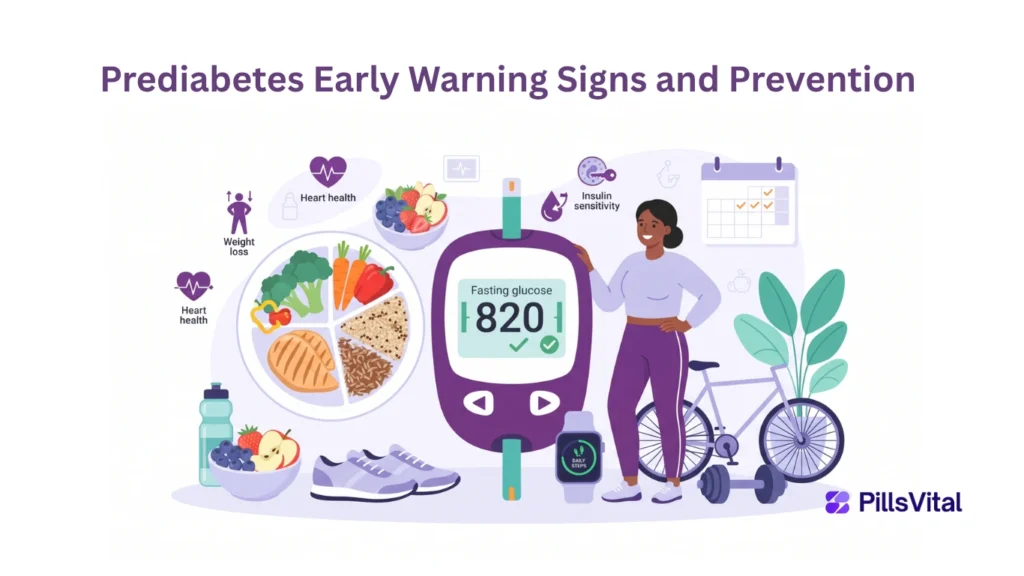
Many people first develop prediabetes before Type 2 diabetes. Learn the early symptoms and prevention strategies in our guide on Prediabetes: Early Warning Signs and How to Prevent Diabetes.

Types of Diabetes Complications

Diabetes complications are generally divided into two categories.

Microvascular Complications

These involve damage to small blood vessels.

They include:

  • Diabetic retinopathy (eye disease)
  • Diabetic nephropathy (kidney disease)
  • Diabetic neuropathy (nerve damage)

Macrovascular Complications

These affect larger blood vessels and increase the risk of:

  • Heart attack
  • Stroke
  • Peripheral artery disease

1. Eye Complications (Diabetic Retinopathy)

How Diabetes Damages the Eyes

High blood sugar weakens tiny blood vessels inside the retina.

Over time these vessels may:

  • Leak fluid
  • Bleed
  • Swell
  • Become blocked
  • Grow abnormal new vessels

Without treatment, vision loss can occur. The National Eye Institute (NEI) recommends comprehensive dilated eye examinations every year for people living with diabetes to detect vision problems before symptoms appear.

Types of Diabetic Eye Disease

Diabetic Retinopathy

The most common eye complication.

It progresses through:

  • Mild non-proliferative retinopathy
  • Moderate retinopathy
  • Severe retinopathy
  • Proliferative diabetic retinopathy

Diabetic Macular Edema (DME)

Fluid builds up in the macula—the part responsible for sharp central vision.

Cataracts

People with diabetes often develop cataracts at a younger age.

Glaucoma

Diabetes nearly doubles the risk of glaucoma due to increased pressure inside the eye.

Early Symptoms

Many people notice no symptoms during early stages.

Later signs include:

  • Blurred vision
  • Floaters
  • Dark spots
  • Poor night vision
  • Difficulty reading
  • Colors appearing faded
  • Vision loss

Prevention

  • Maintain healthy blood sugar
  • Control blood pressure
  • Manage cholesterol
  • Quit smoking
  • Get a dilated eye exam every year

Following a balanced eating plan can help stabilize blood sugar and reduce the risk of eye damage. Read our Diabetic Diet Plan: Foods to Eat & Foods to Avoid for practical meal recommendations.

2. Kidney Complications (Diabetic Nephropathy)

The kidneys contain millions of tiny filters called nephrons. According to the National Institute of Diabetes and Digestive and Kidney Diseases (NIDDK), annual kidney function and urine albumin testing can help detect diabetic kidney disease early.

High blood sugar gradually damages these filters, making it difficult for the kidneys to remove waste and excess fluid.

Stages of Diabetic Kidney Disease

Stage 1

Kidneys function normally but begin showing subtle damage.

Stage 2

Small amounts of protein appear in urine.

Stage 3

Moderate decline in kidney function.

Stage 4

Severe kidney damage.

Stage 5

Kidney failure requiring dialysis or transplant.

Symptoms

Kidney disease often develops silently.

Possible symptoms include:

  • Swollen ankles
  • Puffy eyes
  • Fatigue
  • High blood pressure
  • Nausea
  • Loss of appetite
  • Foamy urine
  • Frequent urination
  • Muscle cramps

Who Is at Higher Risk?

Risk factors include:

  • Long-standing diabetes
  • Poor blood sugar control
  • High blood pressure
  • Smoking
  • Obesity
  • Family history
  • High cholesterol

Prevention

  • Keep HbA1c within your target range
  • Monitor kidney function annually
  • Test urine for albumin
  • Control blood pressure
  • Stay hydrated
  • Eat less sodium
  • Avoid unnecessary painkillers

Regular physical activity also helps protect kidney health by improving blood sugar and blood pressure. Learn more in our Exercise and Chronic Disease Management: Complete Beginner Guide.

3. Nerve Damage (Diabetic Neuropathy)

Nearly half of people with long-term diabetes develop some form of nerve damage.

High blood sugar injures nerves while reducing blood supply to them

Types of Diabetic Neuropathy

Peripheral Neuropathy

Most common.

Usually affects:

  • Feet
  • Legs
  • Hands

Symptoms:

  • Tingling
  • Burning pain
  • Numbness
  • Sharp pain
  • Loss of sensation
  • Muscle weakness

Autonomic Neuropathy

Affects automatic body functions.

Symptoms include:

  • Digestive problems
  • Constipation
  • Diarrhea
  • Bladder issues
  • Sexual dysfunction
  • Dizziness upon standing
  • Abnormal sweating

Proximal Neuropathy

Usually affects hips, thighs, and buttocks.

Focal Neuropathy

Sudden nerve damage affecting a single nerve.

Why Foot Care Matters

Loss of sensation means small injuries may go unnoticed.

Minor cuts can develop into:

  • Infections
  • Ulcers
  • Gangrene
  • Amputation

Daily Foot Care Tips

  • Inspect feet daily
  • Wash and dry thoroughly
  • Moisturize dry skin (avoid between toes)
  • Wear comfortable shoes
  • Never walk barefoot
  • Trim nails carefully
  • Report sores promptly

4. Heart Disease

Heart disease is the leading cause of death among people with diabetes. The American Diabetes Association (ADA) recommends controlling blood sugar, blood pressure, and cholesterol to reduce the risk of diabetes-related complications.

High blood sugar damages arteries and accelerates plaque buildup, increasing the risk of cardiovascular disease.

Common Heart Complications

People with diabetes have a higher risk of:

  • Coronary artery disease
  • Heart attack
  • Heart failure
  • Stroke
  • Peripheral artery disease

Symptoms

Seek medical attention if you experience:

  • Chest pain or pressure
  • Shortness of breath
  • Fatigue
  • Pain in the arm, jaw, neck, or back
  • Dizziness
  • Irregular heartbeat

Some individuals, particularly those with diabetic neuropathy, may have a “silent” heart attack with mild or unusual symptoms.

Risk Factors

  • High blood sugar
  • High blood pressure
  • High LDL cholesterol
  • Low HDL cholesterol
  • Smoking
  • Obesity
  • Physical inactivity
  • Family history of heart disease

Prevention

  • Follow a heart-healthy eating pattern
  • Exercise regularly
  • Maintain a healthy weight
  • Avoid tobacco
  • Limit alcohol
  • Manage blood pressure and cholesterol
  • Take prescribed medications consistently

Diabetes, heart disease, and hypertension often occur together. Learn how these conditions differ in Diabetes vs Heart Disease vs Hypertension: What’s the Difference?

Other Diabetes Complications

Foot Problems

Reduced circulation and nerve damage increase the risk of:

  • Ulcers
  • Infections
  • Slow healing
  • Amputation

Dental Problems

High blood sugar can contribute to:

  • Gum disease
  • Tooth decay
  • Dry mouth
  • Bad breath

Brush twice daily, floss, and schedule regular dental checkups.

Skin Conditions

  • People with diabetes are more prone to:

    • Fungal infections
    • Bacterial infections
    • Dry skin
    • Slow wound healing

Hearing Loss

Long-term diabetes may increase the risk of hearing impairment due to damage to small blood vessels and nerves in the inner ear.

Mental Health

Living with diabetes can contribute to:

  • Stress
  • Anxiety
  • Depression
  • Diabetes-related distress

Seeking emotional support and discussing concerns with a healthcare professional can improve overall well-being.

Warning Signs You Should Never Ignore

Contact your healthcare provider if you notice:

  • Sudden vision changes
  • Swelling in the legs
  • Persistent numbness or burning pain
  • Foot sores that do not heal
  • Chest pain
  • Severe shortness of breath
  • Blood in the urine
  • Repeated infections
  • Dizziness or fainting

Prompt evaluation can help prevent complications from worsening. The Centers for Disease Control and Prevention (CDC) recommends healthy eating, regular exercise, maintaining a healthy weight, and routine medical care to help prevent diabetes complications.

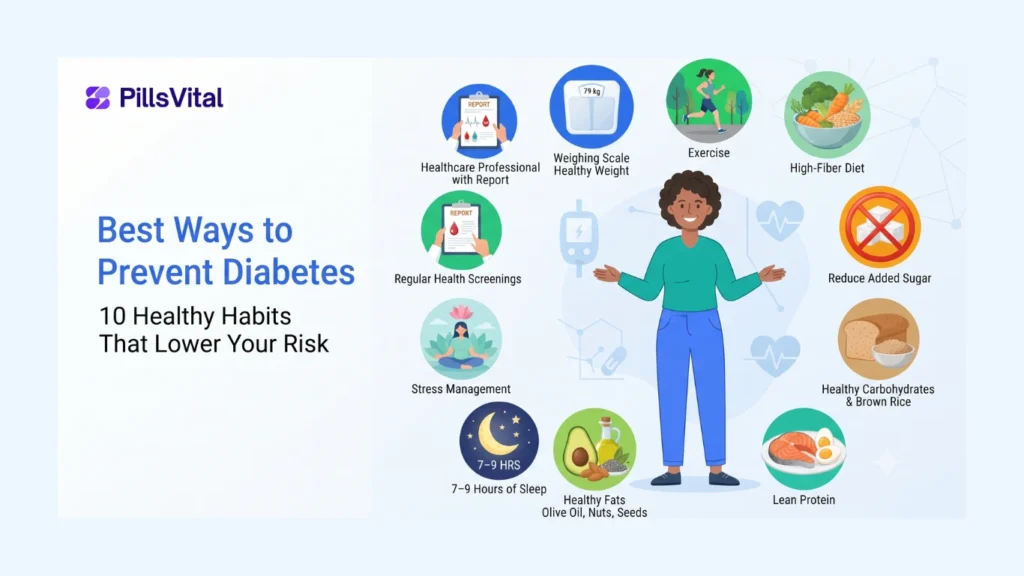
How to Reduce the Risk of Diabetes Complications

Healthy daily habits make a significant difference.

  • Monitor blood sugar as recommended
  • Aim for your individualized HbA1c target
  • Eat a balanced diet rich in vegetables, whole grains, lean proteins, and healthy fats
  • Limit sugary drinks and ultra-processed foods
  • Exercise for at least 150 minutes per week
  • Maintain a healthy weight
  • Avoid smoking
  • Limit alcohol
  • Manage stress
  • Sleep 7–9 hours each night
  • Keep up with routine medical appointments

Choosing nutrient-rich foods every day can lower inflammation and support long-term health. Discover the Best Foods That Help Prevent Chronic Diseases.

Recommended Health Screenings

ScreeningFrequency
HbA1cEvery 3–6 months (or as advised)
Blood PressureEvery healthcare visit
CholesterolAt least once a year
Kidney Function TestsAnnually
Urine Albumin TestAnnually
Dilated Eye ExamEvery year
Comprehensive Foot ExamAt least annually, more often if high risk
Dental CheckupEvery 6 months

❓ FAQs

Can diabetes complications be reversed?

Some early changes may improve with excellent blood sugar control and treatment, but advanced damage—such as severe nerve injury or kidney failure—is often permanent. Early detection offers the best chance of slowing or preventing progression.

No. Many people live for decades without major complications by keeping blood sugar, blood pressure, and cholesterol well controlled and attending regular health checkups.

Complications usually develop gradually over several years, especially when blood sugar remains consistently elevated. However, the timeline varies from person to person.

Diabetic neuropathy is among the most common long-term complications, while heart disease remains the leading cause of illness and death in people with diabetes.

Yes. Type 2 diabetes can damage the retina and increase the risk of cataracts, glaucoma, and vision loss if not managed properly.

Conclusion

Diabetes complications develop gradually but can have a major impact on quality of life if left unmanaged. Damage to the eyes, kidneys, nerves, and heart often begins silently, making regular monitoring and preventive care essential.

By maintaining healthy blood sugar levels, following a balanced lifestyle, taking medications as prescribed, and attending routine screenings, many people can significantly reduce their risk of serious complications and continue to lead active, healthy lives.

Related Health Resources
Dr Emily Carter PharmD
Written By
Dr. Emily Carter, PharmD
Medical Content Reviewer & Health Research Writer

Dr. Emily Carter specializes in evidence-based health education and wellness content. She focuses on simplifying complex medical topics related to cancer awareness, nutrition, preventive healthcare, skincare, and lifestyle wellness for readers worldwide.

🩺
Medically Reviewed
Reviewed for Accuracy & Readability
Educational & Informational Health Content

This content is reviewed for medical accuracy, clarity, and alignment with current public health research. The article is intended for educational and informational purposes only and should not replace professional medical advice, diagnosis, or treatment.

Leave a Reply

Your email address will not be published. Required fields are marked *