
How Exercise Helps Control Blood Sugar Naturally: A Complete Guide to Better Diabetes Management (2026)

Living with diabetes or prediabetes doesn’t always require complicated solutions. One of the most effective ways to improve blood sugar levels is completely natural—regular physical activity.
Exercise helps your muscles use glucose for energy, improves insulin sensitivity, supports weight management, and reduces the risk of long-term diabetes complications. Whether it’s a brisk walk, cycling, strength training, or yoga, consistent movement can significantly improve overall metabolic health.
In this guide, you’ll learn how exercise affects blood sugar, which workouts are best, how often you should exercise, important safety tips, and how to build a sustainable routine.
To better understand how regular physical activity supports overall health, read our Exercise and Chronic Disease Management: Complete Beginner Guide.
Why Exercise Is Important for Blood Sugar Control
Every time you move your body, your muscles require energy. Instead of allowing glucose to remain in the bloodstream, muscles absorb it and use it as fuel.
This natural process helps:
- Lower blood sugar levels
- Improve insulin effectiveness
- Reduce insulin resistance
- Burn excess calories
- Support healthy body weight
- Improve heart health
- Increase energy levels
- Reduce inflammation
People who exercise consistently often experience better long-term glucose control and improved HbA1c levels compared to those who are inactive.
Newly diagnosed? Explore What Is Type 2 Diabetes? Causes, Symptoms, Diagnosis & Treatment for a complete overview of symptoms, diagnosis, and treatment options.
How Exercise Lowers Blood Sugar Naturally
Regular exercise is one of the most effective natural ways to manage blood sugar levels. Physical activity helps your body use glucose more efficiently, improves insulin function, supports weight management, and reduces several risk factors associated with diabetes. Whether you have prediabetes, type 2 diabetes, or simply want to maintain healthy blood sugar levels, understanding how exercise works can help you make informed lifestyle choices.
According to the American Diabetes Association, adults with diabetes should aim for at least 150 minutes of moderate-intensity aerobic exercise each week along with regular strength training to improve blood sugar control.
1. Muscles Use Glucose for Energy
Every movement your body makes requires energy, and your muscles rely on glucose as one of their primary fuel sources. During exercise, your muscles increase their demand for energy and begin pulling glucose directly from the bloodstream.
Normally, insulin acts as the key that allows glucose to enter cells. However, when you exercise, your muscles can absorb glucose even if insulin is not working efficiently. This is especially beneficial for people with insulin resistance or type 2 diabetes.
As your workout continues, your muscles continue using glucose to produce energy, causing blood sugar levels to decrease naturally. This effect can occur during activities such as walking, jogging, cycling, swimming, or strength training.
Benefits
- Lowers blood sugar during physical activity
- Helps muscles use glucose more efficiently
- Reduces glucose buildup in the bloodstream
- Supports better daily blood sugar control
Example:
A 30-minute brisk walk after lunch can help reduce the blood sugar spike that commonly occurs after eating.
2. Improves Insulin Sensitivity
Insulin sensitivity refers to how effectively your body’s cells respond to insulin. When insulin sensitivity is low (known as insulin resistance), glucose remains in the bloodstream instead of entering cells, resulting in elevated blood sugar levels.
Regular exercise makes muscle and fat cells more responsive to insulin. This means your body requires less insulin to transport glucose into cells for energy.
One of the most remarkable benefits of exercise is that improved insulin sensitivity continues for 24 to 48 hours after a workout. Because of this lasting effect, health experts recommend exercising consistently throughout the week rather than only occasionally.
Benefits
- Helps insulin work more effectively
- Reduces insulin resistance
- Lowers fasting blood sugar levels
- Improves HbA1c over time
- May reduce the need for higher medication doses (under medical supervision)
Example:
Someone who walks for 30 minutes five days a week often experiences better blood sugar stability than someone who exercises only once a week.
3. Helps Reduce Body Fat
Excess body fat, especially abdominal or visceral fat, is strongly associated with insulin resistance. Fat stored around internal organs releases inflammatory chemicals that interfere with insulin’s ability to regulate blood sugar.
Exercise helps burn calories and gradually reduce body fat. As body fat decreases, insulin can function more efficiently, making it easier for glucose to enter cells.
Both aerobic exercises and strength training contribute to fat loss while preserving lean muscle mass, which further improves metabolism.
Benefits
- Reduces harmful abdominal fat
- Improves insulin function
- Lowers inflammation
- Supports healthier metabolism
- Reduces risk of heart disease
Example:
Losing even a small amount of abdominal fat through regular exercise can noticeably improve blood sugar control.
4. Supports Healthy Weight Loss
Maintaining a healthy body weight plays a significant role in diabetes prevention and management. Excess weight increases insulin resistance and makes it more difficult for the body to regulate blood sugar.
Exercise increases calorie expenditure while helping preserve muscle mass during weight loss. Unlike crash diets, combining physical activity with healthy eating promotes gradual, sustainable weight loss.
Research has shown that losing just 5–10% of total body weight can significantly improve insulin sensitivity, lower blood sugar levels, and reduce the risk of progressing from prediabetes to type 2 diabetes.
Benefits
- Encourages healthy weight loss
- Improves blood sugar regulation
- Decreases diabetes risk
- Supports long-term metabolic health
Example:
A person weighing 90 kg who loses 5–9 kg through healthy lifestyle changes may experience significant improvements in blood sugar and blood pressure.
5. Reduces Stress Hormones
Stress affects more than just mental health—it also influences blood sugar levels. When you’re under stress, your body releases hormones such as cortisol and adrenaline. These hormones stimulate the liver to release additional glucose into the bloodstream to prepare for a “fight or flight” response.
Chronic stress can lead to persistently elevated blood sugar levels, especially in people with diabetes.
Exercise naturally lowers stress hormone levels while increasing the release of mood-enhancing chemicals such as endorphins and serotonin. As stress decreases, blood sugar often becomes easier to manage.
Benefits
- Lowers cortisol levels
- Improves mood
- Reduces anxiety
- Supports healthier blood sugar regulation
- Enhances overall emotional well-being
Example:
Even a 20-minute walk outdoors or a yoga session can reduce stress and help stabilize blood sugar levels.
6. Improves Sleep Quality
Quality sleep is essential for healthy glucose metabolism. Poor sleep reduces insulin sensitivity and disrupts hormones that regulate appetite and blood sugar.
People who consistently sleep fewer than seven hours per night often experience higher fasting blood sugar levels and an increased risk of developing type 2 diabetes.
Regular physical activity promotes deeper, more restorative sleep by helping regulate the body’s internal clock and reducing stress.
Benefits
- Improves sleep quality
- Supports healthy hormone balance
- Enhances insulin sensitivity
- Reduces morning blood sugar levels
- Increases daytime energy
Example:
Adults who exercise regularly often fall asleep faster, experience deeper sleep, and wake feeling more refreshed.
Best Types of Exercise for Diabetes
Not all exercises provide the same benefits, but combining different forms of physical activity offers the greatest improvement in blood sugar control. Health experts recommend including aerobic exercise, resistance training, flexibility exercises, and balance activities throughout the week.
The Centers for Disease Control and Prevention (CDC) states that regular physical activity improves insulin sensitivity, supports healthy weight management, and lowers the risk of diabetes-related complications.
Walking
Walking is considered one of the safest, easiest, and most effective exercises for people with diabetes. It requires no special equipment, can be performed almost anywhere, and is suitable for individuals of nearly all fitness levels.
Walking after meals is particularly beneficial because it helps muscles use the glucose that enters the bloodstream after eating, reducing post-meal blood sugar spikes.
Benefits
- Easy for beginners
- Free and accessible
- Improves heart health
- Enhances blood circulation
- Burns calories
- Helps lower blood sugar after meals
- Supports weight management
- Reduces stress
Recommended Duration
- 20–30 minutes after meals
- Or at least 150 minutes per week of brisk walking
Strength Training
Strength or resistance training involves working muscles against resistance to increase strength and muscle mass.
Because muscle tissue stores glucose, increasing muscle mass allows the body to remove more glucose from the bloodstream.
Strength training also raises resting metabolic rate, helping the body burn more calories throughout the day.
Examples
- Dumbbells
- Resistance bands
- Push-ups
- Squats
- Lunges
- Weight machines
- Bodyweight exercises
Benefits
- Builds lean muscle
- Improves insulin sensitivity
- Strengthens bones
- Supports healthy aging
- Enhances balance and mobility
- Increases glucose storage capacity
Recommended Frequency
- 2–3 sessions per week
- Allow at least one day of recovery between sessions
Cycling
Cycling provides an excellent cardiovascular workout while placing less stress on the knees, hips, and ankles than running.
It is particularly suitable for people with obesity, arthritis, or joint discomfort.
Both outdoor cycling and stationary bicycles provide similar blood sugar benefits.
Benefits
- Improves heart health
- Burns calories efficiently
- Strengthens leg muscles
- Enhances endurance
- Improves insulin sensitivity
- Gentle on joints
Recommended Duration
- 30–45 minutes
- Three to five days per week
Swimming
Swimming engages nearly every major muscle group while minimizing stress on the joints. Water provides natural resistance, allowing both cardiovascular exercise and strength training simultaneously.
Swimming is often recommended for older adults and individuals with obesity or mobility limitations.
Benefits
- Full-body workout
- Improves cardiovascular fitness
- Builds muscle strength
- Supports healthy weight loss
- Improves circulation
- Helps regulate blood sugar
- Low impact on joints
Recommended Duration
- 30–60 minutes
- Two to four sessions each week
Yoga
Yoga combines physical movement, stretching, breathing techniques, and mindfulness.
Unlike high-intensity workouts, yoga focuses on flexibility, balance, relaxation, and stress reduction—all of which contribute to healthier blood sugar control.
Several studies have shown that regular yoga practice can improve insulin sensitivity while reducing stress hormones that contribute to elevated blood glucose.
Benefits
- Improves flexibility
- Reduces cortisol levels
- Supports healthy blood pressure
- Enhances balance
- Improves posture
- Promotes relaxation
- May improve insulin sensitivity
Recommended Duration
- 20–45 minutes
- Three to five days per week
The World Health Organization recommends adults engage in regular physical activity because it reduces the risk of chronic diseases, including type 2 diabetes, cardiovascular disease, and obesity.
High-Intensity Interval Training (HIIT)
HIIT alternates short bursts of intense exercise with periods of lower-intensity recovery. A typical HIIT workout might involve 30 seconds of fast cycling followed by one minute of slower cycling, repeated several times.
Research suggests HIIT may improve insulin sensitivity and cardiovascular fitness in less time than traditional moderate-intensity exercise.
However, HIIT is physically demanding and may not be appropriate for everyone. Individuals with diabetes—particularly those with heart disease, nerve damage, or other complications—should consult their healthcare provider before beginning HIIT.
Benefits
- Improves insulin sensitivity quickly
- Burns calories efficiently
- Enhances cardiovascular fitness
- Supports fat loss
- Increases endurance
- Time-efficient workout option
Recommended Frequency
- 1–3 sessions per week
- Always include proper warm-up and cool-down
Combining Different Types of Exercise
For the greatest blood sugar benefits, experts recommend combining several forms of exercise each week. A balanced routine might include:
- Aerobic exercise (walking, cycling, swimming): At least 150 minutes per week
- Strength training: 2–3 days per week
- Flexibility and balance exercises (yoga or stretching): 2–3 days per week
- Light movement: Every 30–60 minutes if sitting for long periods
This combination improves insulin sensitivity, cardiovascular health, muscle strength, flexibility, and overall metabolic health while reducing the risk of diabetes complications.
What Happens to Your Blood Sugar During Exercise?
Understanding how your body responds to physical activity can help you exercise safely and get the greatest benefit.
Before Exercise
When you begin exercising, your muscles need more energy. The body first uses glucose already stored in the muscles (called glycogen). As the workout continues, muscles start drawing glucose from the bloodstream.
If your blood sugar is already low before exercise, you may experience symptoms such as dizziness, shakiness, sweating, or weakness. Eating a small carbohydrate snack before activity may help if recommended by your healthcare provider.
During Exercise
During moderate aerobic exercise such as brisk walking, cycling, or swimming:
- Muscle cells absorb more glucose without requiring as much insulin.
- Blood circulation increases, allowing glucose and oxygen to reach muscles more efficiently.
- The pancreas often needs to release less insulin because muscles become more responsive to it.
- The liver releases stored glucose to maintain a stable energy supply.
As a result, blood sugar levels generally decrease gradually during the activity.
After Exercise
The benefits continue even after your workout ends.
For up to 24–48 hours, your muscles remain more sensitive to insulin. During this recovery period, glucose is stored more efficiently as glycogen, helping maintain healthier blood sugar levels.
This is one reason why exercising consistently throughout the week is more beneficial than doing all your activity on one day.
Combining Different Types of Exercise
For the greatest blood sugar benefits, experts recommend combining several forms of exercise each week. A balanced routine might include:
- Aerobic exercise (walking, cycling, swimming): At least 150 minutes per week
- Strength training: 2–3 days per week
- Flexibility and balance exercises (yoga or stretching): 2–3 days per week
- Light movement: Every 30–60 minutes if sitting for long periods
This combination improves insulin sensitivity, cardiovascular health, muscle strength, flexibility, and overall metabolic health while reducing the risk of diabetes complications.
Common Exercise Mistakes People With Diabetes Make
Exercise is one of the most effective tools for managing diabetes, but simply being active isn’t always enough. Certain habits and mistakes can reduce the benefits of physical activity or even increase the risk of injuries and blood sugar fluctuations. By understanding these common pitfalls, you can build a safer and more effective exercise routine that supports long-term blood sugar control.
The National Institute of Diabetes and Digestive and Kidney Diseases explains that combining regular exercise with healthy eating is one of the most effective ways to manage diabetes and improve long-term health outcomes.
1. Skipping Warm-Ups
Many people are eager to start their workout and overlook the importance of warming up. However, jumping into exercise without preparing your body can place unnecessary stress on your muscles, joints, and cardiovascular system.
A proper warm-up gradually increases your heart rate, improves blood circulation, raises muscle temperature, and prepares your body for physical activity. It also helps your muscles use oxygen more efficiently and reduces the risk of sudden blood sugar changes during intense exercise.
For people with diabetes, warming up is especially important because poor circulation or diabetic neuropathy may increase the likelihood of muscle strains or joint injuries.
Why It Matters
- Improves blood flow to working muscles
- Gradually increases heart rate
- Enhances flexibility and mobility
- Reduces the risk of muscle strains and joint injuries
- Prepares your body for higher-intensity activity
- Helps your body transition safely into exercise
What to Do Instead
Spend 5–10 minutes performing light aerobic activities before your workout, such as:
- Slow walking
- Gentle cycling
- Marching in place
- Arm circles
- Leg swings
- Dynamic stretching
After exercising, cool down with slow walking and gentle stretching to help your heart rate and blood sugar return to normal gradually.
2. Exercising Only Occasionally
One of the biggest mistakes is believing that one or two intense workouts each week can make up for several days of inactivity. While any exercise is beneficial, consistency is far more important than intensity.
Your body’s insulin sensitivity improves after each workout, but these benefits gradually decrease within 24 to 48 hours. If you only exercise on weekends, your blood sugar may remain elevated during the rest of the week.
Creating a regular exercise habit helps maintain stable glucose levels, improves cardiovascular fitness, and makes physical activity easier over time.
Why It Matters
- Insulin sensitivity decreases if exercise is not performed regularly.
- Blood sugar control becomes less predictable.
- Fitness improvements occur more slowly.
- Inconsistent exercise makes it harder to develop healthy habits.
What to Do Instead
Aim for at least:
- 150 minutes of moderate-intensity aerobic exercise per week
- Strength training on two or more days each week
- Light movement every day, even on rest days
You don’t have to complete all your exercise at once. Walking for 30 minutes five days a week or taking 10-minute walks after each meal can provide significant benefits.
3. Ignoring Hydration
Water plays a crucial role in regulating blood sugar and supporting exercise performance. During physical activity, your body loses fluids through sweat. If these fluids aren’t replaced, dehydration can develop.
Dehydration may cause blood sugar levels to become more concentrated, making glucose readings appear higher than they actually are. It can also reduce exercise performance, increase fatigue, and raise the risk of heat-related illnesses.
People with diabetes may be at greater risk because high blood sugar itself can increase fluid loss through more frequent urination.
Signs of Dehydration
- Dry mouth
- Increased thirst
- Headache
- Dark-colored urine
- Muscle cramps
- Dizziness
- Fatigue
Why It Matters
- Supports healthy blood circulation
- Helps regulate body temperature
- Improves muscle function
- Maintains energy levels
- Prevents unnecessary increases in blood sugar
What to Do Instead
Stay hydrated by:
- Drinking water before starting exercise
- Taking small sips during longer workouts
- Replacing lost fluids after exercising
- Increasing fluid intake during hot weather or prolonged activity
Avoid relying on sugary sports drinks unless your healthcare provider recommends them or you need to treat low blood sugar.
4. Sitting All Day After Exercising
Many people believe that completing a daily workout completely offsets the effects of prolonged sitting. Unfortunately, research suggests that long periods of inactivity can still negatively affect blood sugar regulation, even in individuals who exercise regularly.
When you sit for several hours, your muscles become inactive and use less glucose from the bloodstream. This can contribute to higher blood sugar levels, reduced insulin sensitivity, and slower metabolism.
Think of exercise as one healthy habit and reducing sedentary time as another equally important habit.
Why It Matters
- Long sitting periods reduce glucose uptake by muscles.
- Insulin sensitivity decreases during prolonged inactivity.
- Circulation slows down.
- Calorie burning decreases significantly.
- Risk of heart disease increases.
What to Do Instead
Try to stand up and move every 30–60 minutes throughout the day.
Simple activities include:
- Walking around the office
- Climbing stairs
- Stretching
- Marching in place
- Doing light household chores
- Walking while talking on the phone
Even 2–5 minutes of movement every hour can help improve glucose regulation.
5. Choosing Only Cardio Exercise
Cardiovascular exercise such as walking, jogging, cycling, and swimming is excellent for improving heart health and lowering blood sugar. However, relying only on cardio means missing many of the unique benefits that resistance training provides.
Strength training builds lean muscle mass, and muscle tissue acts as one of the body’s largest storage sites for glucose. The more muscle you have, the more glucose your body can remove from the bloodstream and store efficiently.
Combining aerobic exercise with resistance training consistently produces greater improvements in insulin sensitivity, blood sugar control, body composition, and overall health than either type of exercise alone.
Why Strength Training Is Important
- Increases muscle mass
- Improves insulin sensitivity
- Enhances glucose storage
- Supports healthy metabolism
- Strengthens bones
- Improves balance and posture
- Helps maintain independence with aging
Examples of Resistance Exercises
- Bodyweight squats
- Wall push-ups
- Resistance band workouts
- Dumbbell exercises
- Lunges
- Step-ups
- Weight machines
What to Do Instead
A balanced weekly exercise routine might include:
- Aerobic exercise: 30 minutes, 5 days per week
- Strength training: 2–3 non-consecutive days per week
- Flexibility exercises: 2–3 times per week
- Balance exercises: Particularly important for older adults
This combination helps maximize blood sugar control while supporting overall physical health.
Why Muscle Mass Matters for Blood Sugar Control
Muscle tissue acts as the body’s largest storage site for glucose.
The more lean muscle you have, the greater your body’s capacity to remove glucose from the bloodstream.
People who lose muscle due to aging or inactivity often experience worsening insulin resistance because there is less muscle available to absorb glucose.
Strength training helps reverse this process by increasing lean muscle mass and improving glucose storage capacity.
Benefits of Building Muscle
- Stores more glucose after meals
- Improves insulin sensitivity
- Burns more calories even at rest
- Reduces abdominal fat
- Supports healthy aging
- Lowers the risk of developing type 2 diabetes
Aerobic Exercise vs Strength Training: Which Is Better?
Many people wonder which type of exercise provides the greatest blood sugar benefit.
The answer is that both are important because they work in different ways.
| Aerobic Exercise | Strength Training |
|---|---|
| Burns calories during exercise | Builds muscle mass |
| Improves heart health | Improves insulin sensitivity |
| Reduces blood sugar quickly | Provides long-term glucose storage |
| Helps reduce body fat | Increases resting metabolism |
| Improves endurance | Strengthens bones and joints |
Health experts generally recommend combining both types of exercise for optimal diabetes management.
The Best Time to Exercise for Blood Sugar Control
Timing your workouts can influence how your body handles glucose.
After Meals
Many healthcare professionals recommend exercising 30–60 minutes after eating, when blood sugar naturally begins to rise.
A short walk after meals can significantly reduce post-meal glucose spikes.
Morning Exercise
Morning workouts may help:
- Improve insulin sensitivity
- Increase daily calorie burn
- Encourage consistent exercise habits
- Support healthy fasting blood sugar
However, people taking insulin should monitor glucose carefully before exercising on an empty stomach.
Evening Exercise
Light to moderate exercise in the evening can:
- Reduce stress accumulated throughout the day
- Improve sleep quality
- Lower blood sugar after dinner
Avoid vigorous exercise immediately before bedtime if it interferes with sleep.
How Long Does It Take to See Results?
Exercise produces both immediate and long-term benefits.
After One Workout
You may notice:
- Lower blood sugar
- Improved mood
- Increased energy
- Better circulation
After Two Weeks
Many people experience:
- More stable glucose readings
- Improved stamina
- Better sleep quality
- Reduced fatigue
After One to Three Months
With consistent exercise, you may see:
- Lower HbA1c levels
- Improved cholesterol
- Reduced blood pressure
- Weight loss
- Better insulin sensitivity
- Greater muscle strength
How Much Exercise Do You Need?
Most health organizations recommend:
- 150 minutes of moderate aerobic exercise each week
- Strength training at least 2 days per week
- Reduce prolonged sitting
- Light movement every 30–60 minutes
Even short 10-minute activity sessions contribute to better blood sugar control.
Warning Signs That You Should Stop Exercising
Although exercise is generally safe, stop immediately and seek medical advice if you experience:
- Chest pain
- Severe dizziness
- Difficulty breathing
- Blurred vision
- Confusion
- Loss of balance
- Severe muscle pain
- Blood sugar below 70 mg/dL (3.9 mmol/L)
- Blood sugar above 300 mg/dL with ketones
Safety should always come first.
Can Exercise Prevent Type 2 Diabetes?
Yes.
Regular physical activity is one of the strongest lifestyle factors associated with lowering the risk of type 2 diabetes, especially when combined with healthy eating and weight management.
Research shows exercise can:
- Improve glucose metabolism
- Reduce insulin resistance
- Prevent weight gain
- Improve cardiovascular health
- Lower chronic inflammation
Signs Exercise Is Improving Your Blood Sugar
You may notice:
- Lower fasting glucose
- Improved HbA1c
- Increased energy
- Better sleep
- Less fatigue
- Weight loss
- Improved mood
- Fewer blood sugar spikes after meals
Safety Tips Before Exercising
Always remember to:
- Check blood sugar before exercise if recommended.
- Stay hydrated.
- Wear comfortable footwear.
- Carry a quick source of glucose if using insulin or medications that may cause low blood sugar.
- Avoid exercising when blood sugar is extremely high with ketones present.
- Gradually increase exercise intensity.
Common Exercise Mistakes People With Diabetes Make
Exercise is one of the most effective tools for managing diabetes, but simply being active isn’t always enough. Certain habits and mistakes can reduce the benefits of physical activity or even increase the risk of injuries and blood sugar fluctuations. By understanding these common pitfalls, you can build a safer and more effective exercise routine that supports long-term blood sugar control.
1. Skipping Warm-Ups
Many people are eager to start their workout and overlook the importance of warming up. However, jumping into exercise without preparing your body can place unnecessary stress on your muscles, joints, and cardiovascular system.
A proper warm-up gradually increases your heart rate, improves blood circulation, raises muscle temperature, and prepares your body for physical activity. It also helps your muscles use oxygen more efficiently and reduces the risk of sudden blood sugar changes during intense exercise.
For people with diabetes, warming up is especially important because poor circulation or diabetic neuropathy may increase the likelihood of muscle strains or joint injuries.
Why It Matters
- Improves blood flow to working muscles
- Gradually increases heart rate
- Enhances flexibility and mobility
- Reduces the risk of muscle strains and joint injuries
- Prepares your body for higher-intensity activity
- Helps your body transition safely into exercise
What to Do Instead
Spend 5–10 minutes performing light aerobic activities before your workout, such as:
- Slow walking
- Gentle cycling
- Marching in place
- Arm circles
- Leg swings
- Dynamic stretching
After exercising, cool down with slow walking and gentle stretching to help your heart rate and blood sugar return to normal gradually.
2. Exercising Only Occasionally
One of the biggest mistakes is believing that one or two intense workouts each week can make up for several days of inactivity. While any exercise is beneficial, consistency is far more important than intensity.
Your body’s insulin sensitivity improves after each workout, but these benefits gradually decrease within 24 to 48 hours. If you only exercise on weekends, your blood sugar may remain elevated during the rest of the week.
Creating a regular exercise habit helps maintain stable glucose levels, improves cardiovascular fitness, and makes physical activity easier over time.
Why It Matters
- Insulin sensitivity decreases if exercise is not performed regularly.
- Blood sugar control becomes less predictable.
- Fitness improvements occur more slowly.
- Inconsistent exercise makes it harder to develop healthy habits.
What to Do Instead
Aim for at least:
- 150 minutes of moderate-intensity aerobic exercise per week
- Strength training on two or more days each week
- Light movement every day, even on rest days
You don’t have to complete all your exercise at once. Walking for 30 minutes five days a week or taking 10-minute walks after each meal can provide significant benefits.
3. Ignoring Hydration
Water plays a crucial role in regulating blood sugar and supporting exercise performance. During physical activity, your body loses fluids through sweat. If these fluids aren’t replaced, dehydration can develop.
Dehydration may cause blood sugar levels to become more concentrated, making glucose readings appear higher than they actually are. It can also reduce exercise performance, increase fatigue, and raise the risk of heat-related illnesses.
People with diabetes may be at greater risk because high blood sugar itself can increase fluid loss through more frequent urination.
Signs of Dehydration
- Dry mouth
- Increased thirst
- Headache
- Dark-colored urine
- Muscle cramps
- Dizziness
- Fatigue
Why It Matters
- Supports healthy blood circulation
- Helps regulate body temperature
- Improves muscle function
- Maintains energy levels
- Prevents unnecessary increases in blood sugar
What to Do Instead
Stay hydrated by:
- Drinking water before starting exercise
- Taking small sips during longer workouts
- Replacing lost fluids after exercising
- Increasing fluid intake during hot weather or prolonged activity
Avoid relying on sugary sports drinks unless your healthcare provider recommends them or you need to treat low blood sugar.
4. Sitting All Day After Exercising
Many people believe that completing a daily workout completely offsets the effects of prolonged sitting. Unfortunately, research suggests that long periods of inactivity can still negatively affect blood sugar regulation, even in individuals who exercise regularly.
When you sit for several hours, your muscles become inactive and use less glucose from the bloodstream. This can contribute to higher blood sugar levels, reduced insulin sensitivity, and slower metabolism.
Think of exercise as one healthy habit and reducing sedentary time as another equally important habit.
Why It Matters
- Long sitting periods reduce glucose uptake by muscles.
- Insulin sensitivity decreases during prolonged inactivity.
- Circulation slows down.
- Calorie burning decreases significantly.
- Risk of heart disease increases.
What to Do Instead
Try to stand up and move every 30–60 minutes throughout the day.
Simple activities include:
- Walking around the office
- Climbing stairs
- Stretching
- Marching in place
- Doing light household chores
- Walking while talking on the phone
Even 2–5 minutes of movement every hour can help improve glucose regulation.
5. Choosing Only Cardio Exercise
Cardiovascular exercise such as walking, jogging, cycling, and swimming is excellent for improving heart health and lowering blood sugar. However, relying only on cardio means missing many of the unique benefits that resistance training provides.
Strength training builds lean muscle mass, and muscle tissue acts as one of the body’s largest storage sites for glucose. The more muscle you have, the more glucose your body can remove from the bloodstream and store efficiently.
Combining aerobic exercise with resistance training consistently produces greater improvements in insulin sensitivity, blood sugar control, body composition, and overall health than either type of exercise alone.
Why Strength Training Is Important
- Increases muscle mass
- Improves insulin sensitivity
- Enhances glucose storage
- Supports healthy metabolism
- Strengthens bones
- Improves balance and posture
- Helps maintain independence with aging
Examples of Resistance Exercises
- Bodyweight squats
- Wall push-ups
- Resistance band workouts
- Dumbbell exercises
- Lunges
- Step-ups
- Weight machines
What to Do Instead
A balanced weekly exercise routine might include:
- Aerobic exercise: 30 minutes, 5 days per week
- Strength training: 2–3 non-consecutive days per week
- Flexibility exercises: 2–3 times per week
- Balance exercises: Particularly important for older adults
This combination helps maximize blood sugar control while supporting overall physical health.
Bonus Mistakes to Avoid
Exercising Without Checking Blood Sugar (When Recommended)
If you take insulin or medications that can cause hypoglycemia, exercising without checking your blood sugar first may increase the risk of low blood sugar during or after activity. Follow your healthcare provider’s recommendations on when to monitor your glucose.
Wearing Improper Footwear
People with diabetes are more prone to foot injuries due to reduced sensation or poor circulation. Wearing supportive, well-fitting athletic shoes and moisture-wicking socks can help prevent blisters, sores, and infections.
Exercising Too Hard Too Soon
Starting with high-intensity workouts without proper conditioning may lead to injuries, excessive fatigue, or discouragement. Begin with low- to moderate-intensity activities and gradually increase duration and intensity as your fitness improves.
Ignoring Pain or Unusual Symptoms
Stop exercising immediately and seek medical advice if you experience chest pain, severe shortness of breath, dizziness, confusion, or persistent muscle or joint pain. These symptoms should not be ignored.
Exercise Plan for Beginners
| Day | Activity | Duration |
|---|---|---|
| Monday | Brisk Walk | 30 min |
| Tuesday | Strength Training | 20 min |
| Wednesday | Walking + Stretching | 30 min |
| Thursday | Cycling | 30 min |
| Friday | Resistance Exercises | 25 min |
| Saturday | Yoga | 30 min |
| Sunday | Light Walk | 20 min |
Lifestyle Tips for Better Blood Sugar Control
Combine exercise with:
- A balanced diet rich in vegetables, whole grains, lean protein, and healthy fats
- Adequate hydration
- Stress management techniques
- Consistent sleep habits
- Regular medical check-ups
- Medication adherence if prescribed
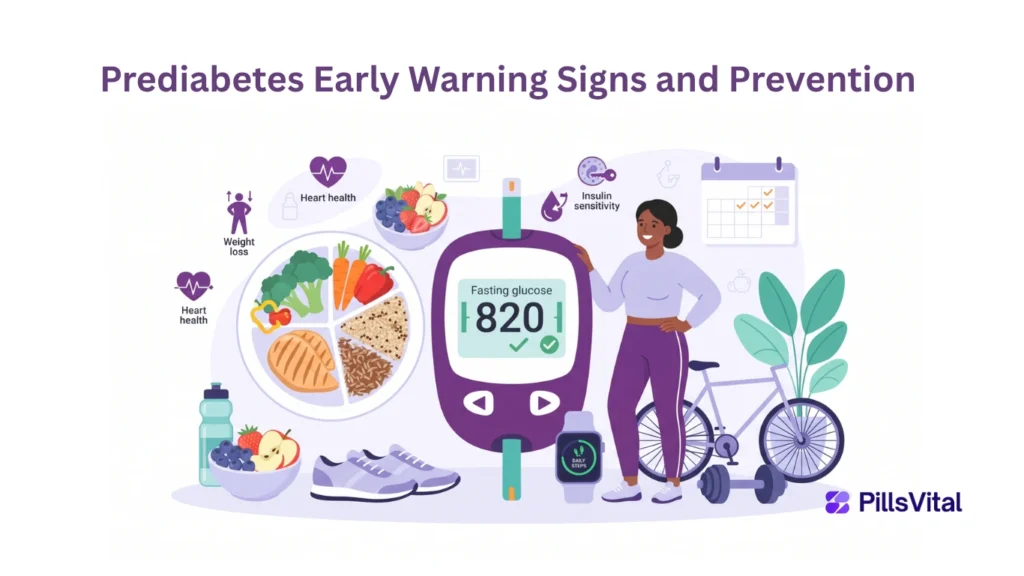
If your blood sugar is slightly elevated, don’t miss our guide on Prediabetes: Early Warning Signs and How to Prevent Diabetes to learn how lifestyle changes can delay or prevent diabetes.
❓ FAQs
Can walking lower blood sugar immediately?
Yes. A brisk walk after meals can help reduce post-meal blood sugar by encouraging muscles to use glucose for energy.
Which exercise is best for diabetes?
A combination of aerobic exercise and strength training provides the greatest benefits for blood sugar control.
How long does exercise lower blood sugar?
Improved insulin sensitivity can last for 24 to 48 hours, which is why regular activity is important.
Is exercising every day necessary?
Daily movement is beneficial, but even 150 minutes of moderate exercise each week can significantly improve blood sugar management.
Can exercise replace diabetes medication?
No. Exercise is an important part of diabetes management but should not replace prescribed medications unless advised by your healthcare provider.
Conclusion
Exercise is one of the most effective natural strategies for controlling blood sugar. Regular physical activity helps muscles use glucose more efficiently, improves insulin sensitivity, supports healthy weight management, and reduces the risk of diabetes-related complications. Even small lifestyle changes—such as taking a walk after meals or adding strength training twice a week—can have a meaningful impact on long-term health. Pairing consistent exercise with a balanced diet, quality sleep, and regular medical care offers the strongest foundation for successful diabetes management.
Related Health Resources
-

Metformin 500mg (Okamet) Tablets
$48.00 – $92.00Price range: $48.00 through $92.00 This product has multiple variants. The options may be chosen on the product page -

Semaglutide 14mg (Rybelsus) Tablets
$285.00 – $810.00Price range: $285.00 through $810.00 This product has multiple variants. The options may be chosen on the product page -

Semaglutide 7mg (Rybelsus) Tablets
$280.00 – $805.00Price range: $280.00 through $805.00 This product has multiple variants. The options may be chosen on the product page -

Victoza Solution for Injection
$235.00 This product has multiple variants. The options may be chosen on the product page
🩺 Related Guides


Dr. Emily Carter specializes in evidence-based health education and wellness content. She focuses on simplifying complex medical topics related to cancer awareness, nutrition, preventive healthcare, skincare, and lifestyle wellness for readers worldwide.
This content is reviewed for medical accuracy, clarity, and alignment with current public health research. The article is intended for educational and informational purposes only and should not replace professional medical advice, diagnosis, or treatment.