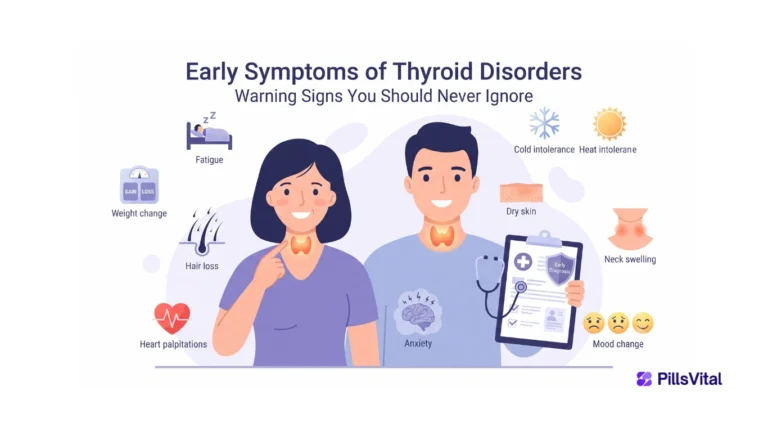
The thyroid gland may be small, but it plays a crucial role in regulating nearly every organ in your body. It controls metabolism, heart rate, body temperature, digestion, mood, and energy production through hormones called thyroxine (T4) and triiodothyronine (T3).
When the thyroid produces too little or too much hormone, the body begins sending warning signals. Unfortunately, these symptoms often develop slowly and can easily be mistaken for stress, aging, poor sleep, or other health conditions.
Recognizing the early symptoms of thyroid disorders can lead to earlier diagnosis, effective treatment, and prevention of long-term complications.
What Is a Thyroid Disorder?
A thyroid disorder occurs when the thyroid gland fails to produce the correct amount of hormones.
The two most common thyroid disorders are:
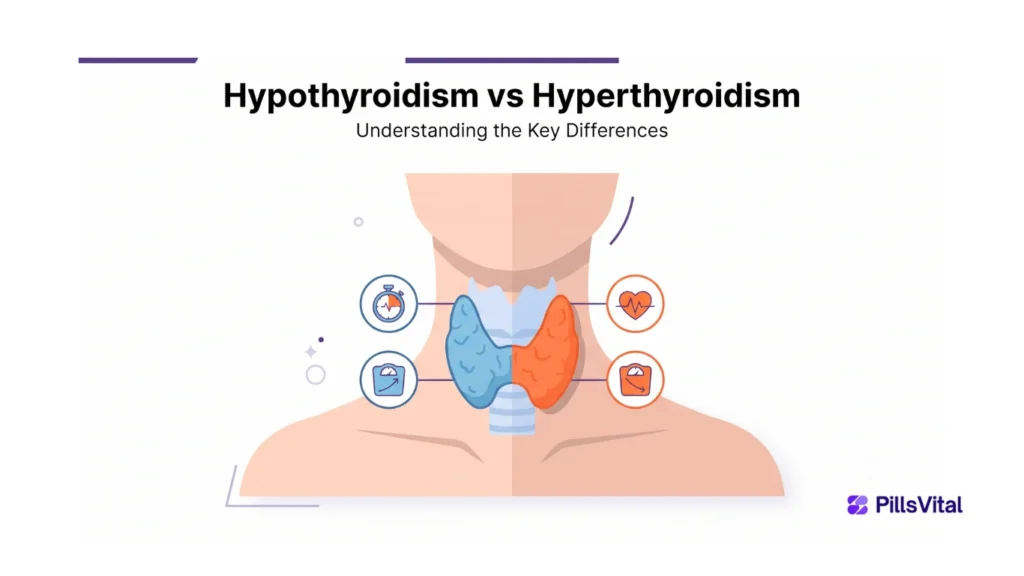
- Hypothyroidism: The thyroid does not produce enough hormones.
- Hyperthyroidism: The thyroid produces excessive hormones.
Other thyroid conditions include:
- Thyroid nodules
- Goiter
- Hashimoto’s thyroiditis
- Graves’ disease
- Thyroid cancer
Each condition affects the body differently, but many share common early warning signs.
For an overview of thyroid diseases and hormone function, visit the National Institute of Diabetes and Digestive and Kidney Diseases (NIDDK).
Why Early Detection Matters
Many people ignore early thyroid symptoms because they appear mild.
Without treatment, thyroid disorders may increase the risk of:
- Heart disease
- High cholesterol
- Infertility
- Pregnancy complications
- Depression
- Osteoporosis
- Irregular heartbeat
- Thyroid storm (hyperthyroidism)
- Myxedema coma (severe hypothyroidism)
Early diagnosis significantly improves treatment outcomes. The American Thyroid Association provides detailed information on common symptoms, diagnosis, and treatment of thyroid disorders.
1. Persistent Fatigue
Feeling tired every dayβeven after a full night’s sleepβis one of the earliest thyroid disorder symptoms.
Hypothyroidism
Low thyroid hormone slows down body functions, causing:
- Constant exhaustion
- Daytime sleepiness
- Reduced productivity
- Lack of motivation
Hyperthyroidism
Although people may feel energetic initially, excessive thyroid hormone often leads to:
- Poor-quality sleep
- Restlessness
- Fatigue after minimal activity
2. Unexpected Weight Changes
Weight fluctuations without major changes in diet or exercise should never be ignored.
Weight Gain
Hypothyroidism slows metabolism, making it easier to gain weight despite eating normally.
Weight Loss
Hyperthyroidism speeds metabolism, causing unintended weight loss even when appetite increases.
3. Mood Changes
Thyroid hormones directly influence brain function.
Common emotional symptoms include:
Hypothyroidism
- Depression
- Brain fog
- Poor concentration
- Memory problems
- Slowed thinking
Hyperthyroidism
- Anxiety
- Panic attacks
- Irritability
- Mood swings
- Nervousness
4. Changes in Heart Rate
One of the earliest signs of thyroid imbalance is a noticeable change in heart rhythm.
Hypothyroidism
- Slow heartbeat
- Low exercise tolerance
Hyperthyroidism
- Rapid heartbeat
- Heart palpitations
- Irregular heartbeat
- Increased blood pressure
Seek immediate medical attention if heart symptoms become severe.
5. Feeling Too Cold or Too Hot
Thyroid hormones regulate body temperature.
Hypothyroidism
People often feel unusually cold, even in warm environments.
Hyperthyroidism
Common symptoms include:
- Heat intolerance
- Excessive sweating
- Warm skin
- Difficulty tolerating summer weather
6. Hair Loss and Skin Changes
Healthy thyroid hormones support hair growth and skin repair.
Hypothyroidism may cause:
- Dry skin
- Brittle nails
- Hair thinning
- Coarse hair
- Puffy face
Hyperthyroidism may cause:
- Fine hair
- Hair shedding
- Thin skin
- Warm, moist skin
7. Swelling in the Neck
A swollen thyroid gland (goiter) is often one of the most visible warning signs.
You may notice:
- Neck fullness
- Difficulty wearing tight collars
- Visible swelling
- Mild discomfort when swallowing
Not every neck swelling indicates thyroid disease, but it should always be evaluated by a healthcare professional.
8. Digestive Problems
Your digestive system slows or speeds up depending on thyroid hormone levels.
Hypothyroidism
- Constipation
- Bloating
- Slow digestion
Hyperthyroidism
- Frequent bowel movements
- Diarrhea
- Increased appetite
9. Menstrual Changes
Women frequently experience hormonal changes before thyroid disease is diagnosed.
Hypothyroidism may cause:
- Heavy periods
- Irregular cycles
- Fertility problems
Hyperthyroidism may cause:
- Light periods
- Missed periods
- Reduced fertility
10. Muscle Weakness and Joint Pain
Many people experience unexplained muscle problems.
Symptoms include:
- Muscle weakness
- Joint stiffness
- Muscle cramps
- Slow recovery after exercise
11. Sleep Problems
Both underactive and overactive thyroid disorders affect sleep quality.
Hypothyroidism often causes:
- Excessive sleeping
- Persistent tiredness
Hyperthyroidism commonly causes:
- Difficulty falling asleep
- Frequent waking
- Insomnia
12. Tremors and Shaking Hands
Fine hand tremors are common in hyperthyroidism.
Other symptoms include:
- Nervous energy
- Increased reflexes
- Difficulty keeping hands steady
13. Changes in Cholesterol Levels
High LDL cholesterol sometimes develops because of untreated hypothyroidism.
If cholesterol remains elevated despite healthy habits, thyroid testing may be recommended.
14. Voice Changes
Some thyroid disorders cause:
- Hoarseness
- Voice fatigue
- Difficulty speaking loudly
Large thyroid nodules or goiters may also affect the voice.
15. Difficulty Concentrating
Many patients describe this symptom as “brain fog.”
It may include:
- Forgetfulness
- Poor concentration
- Slower thinking
- Reduced attention span

Symptoms of Hypothyroidism vs Hyperthyroidism
| Hypothyroidism | Hyperthyroidism |
|---|---|
| Weight gain | Weight loss |
| Fatigue | Nervousness |
| Cold intolerance | Heat intolerance |
| Slow heartbeat | Rapid heartbeat |
| Dry skin | Sweaty skin |
| Constipation | Frequent bowel movements |
| Depression | Anxiety |
| Hair thinning | Hair shedding |
| Puffy face | Tremors |
Understanding the differences between the two conditions is easier with our Hypothyroidism vs Hyperthyroidism: What’s the Difference? comparison guide.
Who Is at Higher Risk?
You may have a greater risk if you:
- Are over 60 years old
- Are female
- Have a family history of thyroid disease
- Have an autoimmune disorder
- Are pregnant or recently gave birth
- Have diabetes
- Have iodine deficiency or excess
- Have previously received radiation therapy to the neck
How Thyroid Disorders Are Diagnosed
Doctors may recommend:
- Physical examination
- Medical history
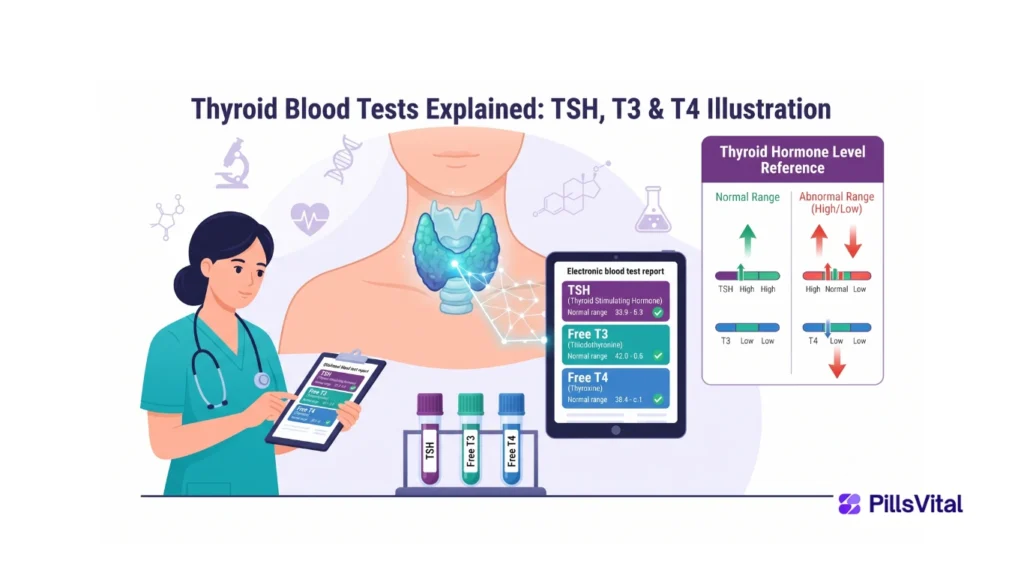
- Thyroid-stimulating hormone (TSH) test
- Free T4 blood test
- Free T3 blood test
- Thyroid antibody tests
- Thyroid ultrasound
- Radioactive iodine uptake scan (when appropriate)
Learn more about thyroid function tests from MedlinePlus, a trusted health information resource from the U.S. National Library of Medicine.
Treatment Options
Treatment depends on the underlying condition.
Hypothyroidism
- Levothyroxine replacement therapy
- Routine blood monitoring
- Lifestyle modifications
Hyperthyroidism
- Anti-thyroid medications
- Radioactive iodine therapy
- Beta-blockers
- Surgery in selected cases
Most people can manage thyroid disorders successfully with proper treatment and regular follow-up.
Healthy Habits That Support Thyroid Health
Although lifestyle changes cannot cure every thyroid disorder, they can support overall health.
- Eat a balanced diet
- Get enough iodine (avoid excessive intake)
- Include selenium-rich foods
- Exercise regularly
- Sleep 7β9 hours nightly
- Manage stress
- Avoid smoking
- Attend regular medical checkups
Nutrition recommendations for maintaining thyroid health are available from the Office of Dietary Supplements (NIH), including guidance on iodine intake.
When Should You See a Doctor?
Seek medical evaluation if you experience:
- Persistent fatigue
- Unexplained weight changes
- Neck swelling
- Ongoing constipation or diarrhea
- Hair loss
- Heart palpitations
- Mood changes
- Menstrual irregularities
- Tremors
- Difficulty swallowing
Early diagnosis helps prevent complications and improves long-term health.
β FAQs
Can thyroid symptoms appear suddenly?
Most thyroid disorders develop gradually, although some conditions, such as thyroiditis, may cause symptoms to appear more quickly.
Are thyroid disorders permanent?
Some thyroid conditions are temporary, while others require lifelong treatment and monitoring.
Can thyroid disease cause anxiety?
Yes. Hyperthyroidism commonly causes anxiety, nervousness, irritability, and panic-like symptoms.
Can thyroid disorders affect fertility?
Yes. Both hypothyroidism and hyperthyroidism can interfere with ovulation and fertility, but appropriate treatment often improves reproductive health.
Should everyone get thyroid testing?
Routine screening is not recommended for everyone. Your healthcare provider may suggest testing based on your symptoms, age, family history, or other risk factors.
Conclusion
Thyroid disorders often begin with subtle symptoms that are easy to overlook, including fatigue, unexplained weight changes, mood shifts, temperature sensitivity, and hair loss. Paying attention to these early warning signs and seeking medical evaluation can lead to timely diagnosis and effective treatment. If you notice persistent symptoms, don’t ignore themβearly intervention can help protect your overall health and quality of life.
Related Health Resources
-

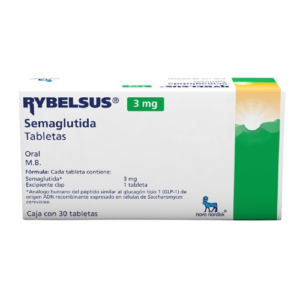
Semaglutide 3mg (Rybelsus) Tablets
$275.00 – $800.00Price range: $275.00 through $800.00 This product has multiple variants. The options may be chosen on the product page -

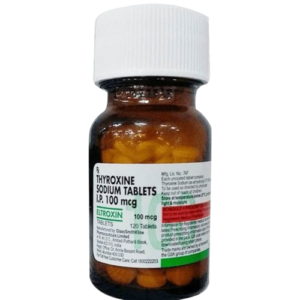
Thyroxine 100mcg (Eltroxin) Tablets
$38.00 – $110.00Price range: $38.00 through $110.00 This product has multiple variants. The options may be chosen on the product page -

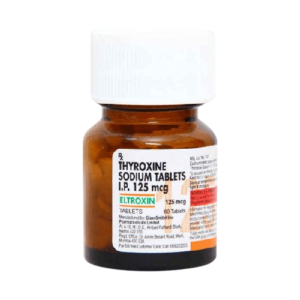
Thyroxine 125mcg (Eltroxin) Tablets
$40.00 – $112.00Price range: $40.00 through $112.00 This product has multiple variants. The options may be chosen on the product page -

Thyroxine 88mcg (Eltroxin) Tablets
$38.00 – $110.00Price range: $38.00 through $110.00 This product has multiple variants. The options may be chosen on the product page
π©Ί Related Guides


Dr. Emily Carter specializes in evidence-based health education and wellness content. She focuses on simplifying complex medical topics related to cancer awareness, nutrition, preventive healthcare, skincare, and lifestyle wellness for readers worldwide.
This content is reviewed for medical accuracy, clarity, and alignment with current public health research. The article is intended for educational and informational purposes only and should not replace professional medical advice, diagnosis, or treatment.


3 Responses