
Best Foods for a Healthy Thyroid: What to Eat for Better Thyroid Function Naturally
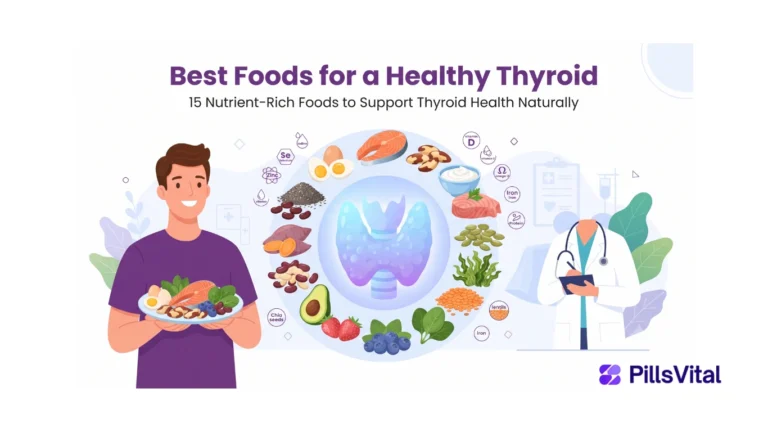
The thyroid is a small butterfly-shaped gland located at the front of your neck, but it has a huge impact on your overall health. It produces hormones that regulate metabolism, energy levels, heart rate, body temperature, digestion, mood, and even weight management.
A balanced diet cannot cure thyroid disorders, but eating the right foods can support normal thyroid hormone production, improve overall health, and help reduce the risk of nutrient deficiencies that affect thyroid function.
If you’re new to thyroid health, start by understanding the differences between hypothyroidism and hyperthyroidism before making dietary changes.
In this guide, you’ll learn the best foods for a healthy thyroid, nutrients your thyroid needs, foods to limit, and practical meal tips for maintaining optimal thyroid health.
Why Nutrition Matters for Thyroid Health
Your thyroid relies on several essential nutrients to produce hormones efficiently. Without enough vitamins and minerals, the thyroid may struggle to function properly.
Important nutrients include:
- Iodine
- Selenium
- Zinc
- Iron
- Vitamin D
- Vitamin B12
- Omega-3 fatty acids
- Magnesium
- Protein
A nutrient-rich diet supports both people with healthy thyroids and those managing hypothyroidism or hyperthyroidism under medical care. The American Thyroid Association provides evidence-based information on thyroid disorders and healthy thyroid function.
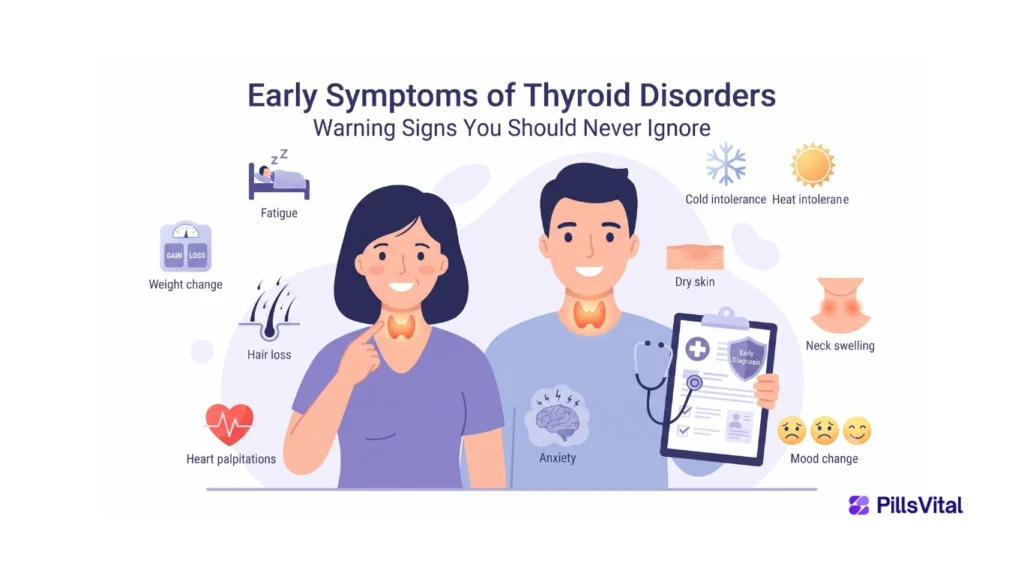
Nutrition is only one part of thyroid care. Knowing the early symptoms of thyroid disorders can help you seek timely medical advice.
Top Nutrients Your Thyroid Needs
1. Iodine
Iodine is the primary building block of thyroid hormones (T3 and T4).
Benefits
- Supports hormone production
- Prevents iodine deficiency
- Helps maintain normal thyroid function
Best Sources
- Iodized salt
- Seaweed (consume in moderation)
- Fish
- Shrimp
- Dairy products
- Eggs
Note: Too much iodine can worsen some thyroid conditions, especially autoimmune thyroid disease. Avoid excessive supplementation unless recommended by your healthcare provider.
Recommended iodine intake guidelines are available from the National Institutes of Health Office of Dietary Supplements.
2. Selenium
Selenium helps convert inactive thyroid hormone (T4) into its active form (T3). It also protects the thyroid from oxidative stress.
Best Foods
- Brazil nuts
- Tuna
- Sardines
- Salmon
- Turkey
- Chicken
- Eggs
- Brown rice
Just 1–2 Brazil nuts daily generally provide enough selenium for most adults.
Learn more about selenium requirements from the NIH Selenium Fact Sheet.
3. Zinc
Zinc supports hormone production and immune health.
Good Sources
- Oysters
- Beef
- Pumpkin seeds
- Chickpeas
- Lentils
- Cashews
- Yogurt
4. Iron
Iron deficiency can reduce thyroid hormone production.
Iron-Rich Foods
- Lean red meat
- Spinach
- Lentils
- Beans
- Tofu
- Pumpkin seeds
Pair plant-based iron foods with vitamin C-rich foods for better absorption.
Read more about dietary iron recommendations from the NIH Iron Fact Sheet.
5. Vitamin D
Low vitamin D levels are commonly found in people with thyroid disorders.
Food Sources
- Fatty fish
- Egg yolks
- Fortified milk
- Mushrooms exposed to sunlight
Sun exposure also helps your body produce vitamin D naturally.
The NIH Vitamin D Fact Sheet explains recommended intake and food sources.
6. Vitamin B12
People with hypothyroidism may be more likely to have vitamin B12 deficiency.
Best Sources
- Fish
- Meat
- Eggs
- Dairy
- Fortified cereals
7. Omega-3 Fatty Acids
Omega-3 fats help reduce inflammation and support heart health.
Foods Rich in Omega-3
- Salmon
- Sardines
- Mackerel
- Walnuts
- Chia seeds
- Flaxseeds
15 Best Foods for a Healthy Thyroid
A balanced diet rich in essential nutrients can help support normal thyroid function. The following foods provide vitamins and minerals such as iodine, selenium, zinc, iron, and omega-3 fatty acids that play important roles in thyroid hormone production and overall health.
1. Eggs
Eggs are one of the most nutrient-dense foods for thyroid health. They naturally contain iodine and selenium, two minerals required for producing and activating thyroid hormones. Eggs also provide high-quality protein, vitamin D, vitamin B12, and healthy fats that support metabolism and energy production.
Benefits
- Excellent source of iodine and selenium
- Supports thyroid hormone production
- High-quality protein helps maintain muscle mass
- Rich in vitamin D and vitamin B12
Best way to eat: Boiled, poached, or scrambled with vegetables.
2. Salmon
Salmon is rich in omega-3 fatty acids, selenium, vitamin D, and protein. Omega-3 fats help reduce inflammation throughout the body, while selenium protects thyroid cells from oxidative damage.
Benefits
- Rich in anti-inflammatory omega-3 fats
- Excellent source of selenium
- Supports heart and thyroid health
- Provides vitamin D for immune function
Best way to eat: Grilled, baked, or steamed 2–3 times per week.
3. Brazil Nuts
Brazil nuts are among the richest natural sources of selenium. Just one or two nuts can provide your daily selenium requirement. Selenium helps convert inactive thyroid hormone (T4) into the active hormone (T3).
Benefits
- Extremely high in selenium
- Supports thyroid hormone activation
- Helps protect thyroid tissue from oxidative stress
- Supports immune function
Best way to eat: Limit to 1–2 nuts daily, as excessive selenium can be harmful.
4. Greek Yogurt
Greek yogurt is an excellent source of iodine, protein, calcium, probiotics, and vitamin B12. It supports gut health, which plays an important role in immune function and nutrient absorption.
Benefits
- Rich in iodine
- High in protein
- Supports digestive health with probiotics
- Good source of calcium
Best way to eat: Pair with berries, nuts, and chia seeds for a nutrient-rich breakfast.
5. Tuna
Tuna provides selenium, iodine, lean protein, vitamin B12, and omega-3 fatty acids. These nutrients help maintain healthy thyroid hormone production and support overall metabolism.
Benefits
- High in selenium
- Lean source of protein
- Supports muscle maintenance
- Provides heart-healthy omega-3 fats
Best way to eat: Fresh grilled tuna or canned tuna packed in water.
6. Pumpkin Seeds
Pumpkin seeds are packed with zinc, magnesium, iron, antioxidants, and healthy fats. Zinc is especially important because it supports thyroid hormone production and immune function.
Benefits
- Excellent source of zinc
- Supports thyroid hormone synthesis
- Rich in magnesium for energy production
- Provides healthy unsaturated fats
Best way to eat: Add to salads, oatmeal, yogurt, or smoothie
7. Seaweed
Seaweed naturally contains high amounts of iodine, making it beneficial for people with iodine deficiency. However, too much iodine may worsen certain thyroid conditions, so moderation is important.
Benefits
- One of the richest natural iodine sources
- Supports normal thyroid hormone production
- Contains antioxidants and minerals
- Low in calories
Best way to eat: Enjoy small portions occasionally rather than daily.
8. Lentils
Lentils are an excellent plant-based source of iron, protein, zinc, fiber, and folate. Iron helps transport oxygen throughout the body and supports healthy thyroid hormone production.
Benefits
- Rich in plant protein
- High in iron and zinc
- Supports digestive health with fiber
- Helps maintain stable blood sugar levels
Best way to eat: Soups, curries, salads, or lentil bowls.
9. Spinach
Spinach contains iron, magnesium, folate, vitamin A, vitamin C, and antioxidants that help reduce oxidative stress. Iron deficiency may contribute to reduced thyroid function, making spinach a valuable addition to your diet.
Benefits
- Rich in iron and magnesium
- High in antioxidants
- Supports immune health
- Low in calories and nutrient-dense
Best way to eat: Lightly cooked or added to smoothies and salads.
10. Berries
Blueberries, strawberries, raspberries, and blackberries are loaded with antioxidants, vitamin C, and fiber. These nutrients help protect cells from inflammation and support overall immune health.
Benefits
- High in antioxidants
- Supports immune function
- Helps reduce inflammation
- Naturally low in calories
Best way to eat: Fresh, frozen, or mixed into yogurt and oatmeal.
11. Chicken
Chicken is a lean source of protein and contains zinc, selenium, niacin, and vitamin B6. Protein supports muscle maintenance and metabolism, while zinc contributes to thyroid hormone production.
Benefits
- High-quality lean protein
- Good source of zinc
- Supports healthy metabolism
- Helps maintain muscle mass
Best way to eat: Grilled, roasted, or baked without excessive added fats.
12. Avocados
Avocados provide healthy monounsaturated fats, potassium, magnesium, vitamin E, and fiber. Healthy fats are important for hormone production and overall cardiovascular health.
Benefits
- Rich in heart-healthy fats
- Contains antioxidants
- High in fiber
- Supports overall hormone balance
Best way to eat: Add to salads, toast, smoothies, or sandwiches.
13. Sweet Potatoes
Sweet potatoes are rich in beta-carotene, vitamin A, potassium, vitamin C, and fiber. Vitamin A supports healthy immune function and may help maintain normal thyroid activity.
Benefits
- Excellent source of vitamin A
- High in fiber
- Supports immune health
- Provides long-lasting energy
Best way to eat: Baked, roasted, or mashed.
14. Beans
Beans are packed with iron, zinc, magnesium, plant protein, antioxidants, and fiber. They support healthy digestion while providing nutrients essential for thyroid health.
Benefits
- Rich in iron and zinc
- Excellent plant-based protein
- Supports healthy gut bacteria
- Helps regulate blood sugar
Best way to eat: Add to soups, salads, stews, or chili.
15. Chia Seeds
Chia seeds are an excellent source of omega-3 fatty acids, fiber, calcium, magnesium, and antioxidants. They help reduce inflammation, improve digestion, and support overall metabolic health.
Benefits
- Rich in plant-based omega-3 fats
- High in fiber for digestive health
- Contains calcium and magnesium
- Supports heart and thyroid health
Best way to eat: Mix into smoothies, yogurt, oatmeal, or make chia pudding.
Foods That May Support Hypothyroidism
If you have hypothyroidism, these foods may be especially beneficial:
- Eggs
- Seafood
- Yogurt
- Brazil nuts
- Lean meats
- Beans
- Whole grains
- Fruits
- Vegetables
- Healthy fats
Remember that medication remains the primary treatment, and diet should complement—not replace—medical care.
Foods That May Help People with Hyperthyroidism
For hyperthyroidism, focus on nutrient-dense foods that support overall health, such as:
- Leafy green vegetables
- Fruits
- Lean protein
- Whole grains
- Calcium-rich dairy products
- Foods containing vitamin D
Because nutritional needs can vary with hyperthyroidism, consult a healthcare professional for individualized advice.
Foods to Limit for Better Thyroid Health
Highly Processed Foods
Often high in unhealthy fats, sodium, and added sugars.
Examples include:
- Fast food
- Chips
- Packaged snacks
- Sugary drinks
Excess Sugar
Too much sugar contributes to inflammation and weight gain.
Excessive Iodine Supplements
Taking large amounts of iodine without medical supervision may worsen thyroid disorders.
Excess Alcohol
Alcohol can interfere with hormone balance and overall health.
Soy Foods (When Taking Thyroid Medication)
Soy foods can reduce absorption of thyroid medication if consumed too close to the dose. They do not need to be avoided entirely, but it is generally recommended to take thyroid medication on an empty stomach and wait several hours before consuming large amounts of soy.
What About Cruciferous Vegetables?
Vegetables such as:
- Broccoli
- Cauliflower
- Cabbage
- Kale
- Brussels sprouts
contain compounds called goitrogens. For most people, these vegetables are safe and highly nutritious when eaten as part of a balanced diet. Cooking them reduces goitrogen content, and normal servings are unlikely to affect thyroid function in people with adequate iodine intake.
Sample One-Day Thyroid-Friendly Meal Plan
Breakfast
- Greek yogurt
- Mixed berries
- Chia seeds
- Boiled egg
Snack
- One or two Brazil nuts
- Apple
Lunch
- Grilled salmon
- Brown rice
- Steamed broccoli
- Mixed salad
Afternoon Snack
- Pumpkin seeds
- Orange
Dinner
- Grilled chicken
- Sweet potato
- Spinach salad
Lifestyle Tips for a Healthy Thyroid
Besides eating well, healthy habits can support thyroid function:
- Exercise regularly
- Get enough sleep
- Manage stress
- Maintain a healthy weight
- Avoid smoking
- Limit alcohol
- Take thyroid medication exactly as prescribed
- Have regular thyroid checkups if recommended by your healthcare provider
When to See a Doctor
Consult a healthcare professional if you experience:
- Persistent fatigue
- Unexplained weight changes
- Hair loss
- Depression
- Anxiety
- Irregular heartbeat
- Swelling in the neck
- Difficulty swallowing
- Constant sensitivity to cold or heat
Early diagnosis and treatment can help prevent complications. The Mayo Clinic offers additional information about thyroid disease symptoms, diagnosis, and treatment.
❓ FAQs
What foods are best for thyroid health?
Eggs, salmon, Brazil nuts, yogurt, seafood, pumpkin seeds, beans, lentils, berries, spinach, and whole grains are among the best foods for supporting healthy thyroid function.
Is iodine always good for the thyroid?
Iodine is essential, but both deficiency and excess can be harmful. Most people get enough iodine through a balanced diet, and supplements should only be taken under medical guidance.
Are bananas good for thyroid patients?
Yes. Bananas provide potassium, vitamin B6, fiber, and antioxidants. They are a healthy addition to a balanced diet but are not a treatment for thyroid disease.
Can diet cure thyroid disease?
No. Diet alone cannot cure thyroid disorders, but good nutrition can support overall thyroid health and complement prescribed medical treatment.
Are eggs good for hypothyroidism?
Yes. Eggs provide iodine, selenium, protein, and vitamin D, making them a nutritious choice for most people with hypothyroidism unless advised otherwise by a healthcare professional.
Final Thoughts
A healthy thyroid depends on a balanced combination of essential nutrients, regular physical activity, quality sleep, and proper medical care. Including foods rich in iodine, selenium, zinc, iron, omega-3 fatty acids, and high-quality protein can help support normal thyroid function and overall well-being.
While nutrition plays an important role, it should not replace medical treatment. If you have symptoms of a thyroid disorder or have been diagnosed with hypothyroidism or hyperthyroidism, work with your healthcare provider to create a personalized treatment and nutrition plan that meets your needs.
Related Health Resources
-
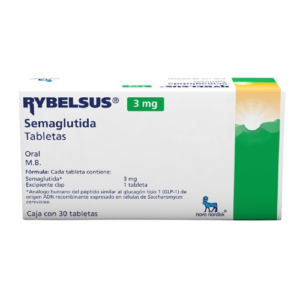
Semaglutide 3mg (Rybelsus) Tablets
$275.00 – $800.00Price range: $275.00 through $800.00 This product has multiple variants. The options may be chosen on the product page -
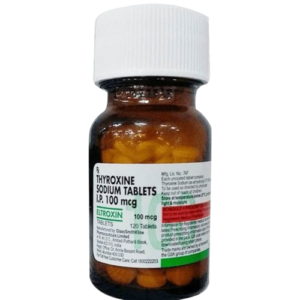
Thyroxine 100mcg (Eltroxin) Tablets
$38.00 – $110.00Price range: $38.00 through $110.00 This product has multiple variants. The options may be chosen on the product page -
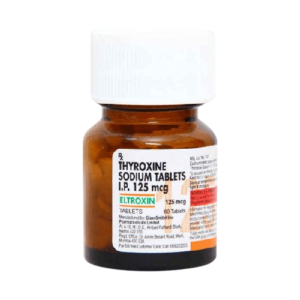
Thyroxine 125mcg (Eltroxin) Tablets
$40.00 – $112.00Price range: $40.00 through $112.00 This product has multiple variants. The options may be chosen on the product page -
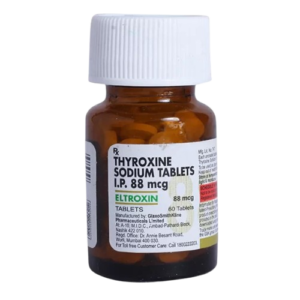
Thyroxine 88mcg (Eltroxin) Tablets
$38.00 – $110.00Price range: $38.00 through $110.00 This product has multiple variants. The options may be chosen on the product page
🩺 Related Guides

Dr. Emily Carter specializes in evidence-based health education and wellness content. She focuses on simplifying complex medical topics related to cancer awareness, nutrition, preventive healthcare, skincare, and lifestyle wellness for readers worldwide.
This content is reviewed for medical accuracy, clarity, and alignment with current public health research. The article is intended for educational and informational purposes only and should not replace professional medical advice, diagnosis, or treatment.