
Hypothyroidism vs Hyperthyroidism: What’s the Difference?
Introduction
The thyroid gland may be small, but it plays a major role in regulating nearly every function of your body. It controls metabolism, heart rate, body temperature, digestion, mood, and energy levels through the hormones it produces.
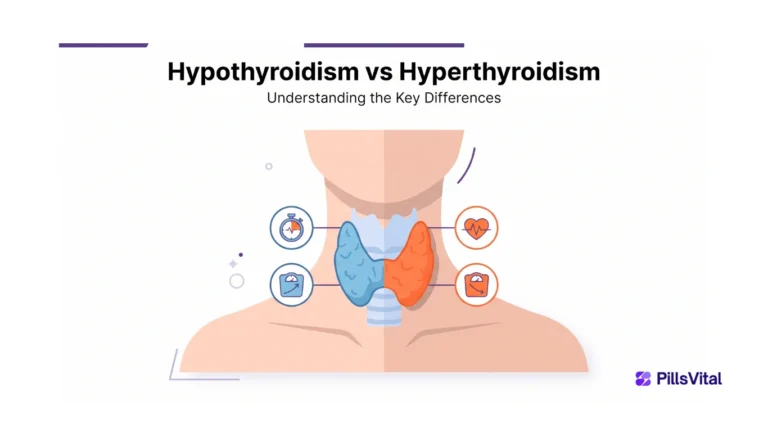
When the thyroid produces too little hormone, the condition is called hypothyroidism. When it produces too much hormone, it is known as hyperthyroidism.
Although both conditions affect the same gland, they cause very different symptoms and require different treatment approaches.
In this guide, you’ll learn the major differences between hypothyroidism and hyperthyroidism, their causes, warning signs, diagnosis, treatments, and practical tips for maintaining lifelong thyroid health.
According to the American Thyroid Association, thyroid disorders are among the most common endocrine conditions and can significantly affect metabolism, heart health, and overall well-being.
What Is the Thyroid Gland?
The thyroid is a butterfly-shaped gland located in the front of your neck.
It produces two important hormones:
- Thyroxine (T4)
- Triiodothyronine (T3)
These hormones regulate:
- Metabolism
- Body temperature
- Heart function
- Brain development
- Energy production
- Digestion
- Muscle function
The pituitary gland controls thyroid hormone production through Thyroid Stimulating Hormone (TSH). The National Institute of Diabetes and Digestive and Kidney Diseases (NIDDK) explains that the thyroid gland produces hormones that regulate metabolism, body temperature, and energy production.
Learn how long-term hormonal disorders contribute to overall illness in our What Are Chronic Diseases? Types, Causes, Symptoms & Prevention guide.
What Is Hypothyroidism?
Hypothyroidism occurs when the thyroid gland cannot produce enough thyroid hormones.
As metabolism slows down, many body functions begin working more slowly than normal.
This condition develops gradually and is often overlooked in its early stages.
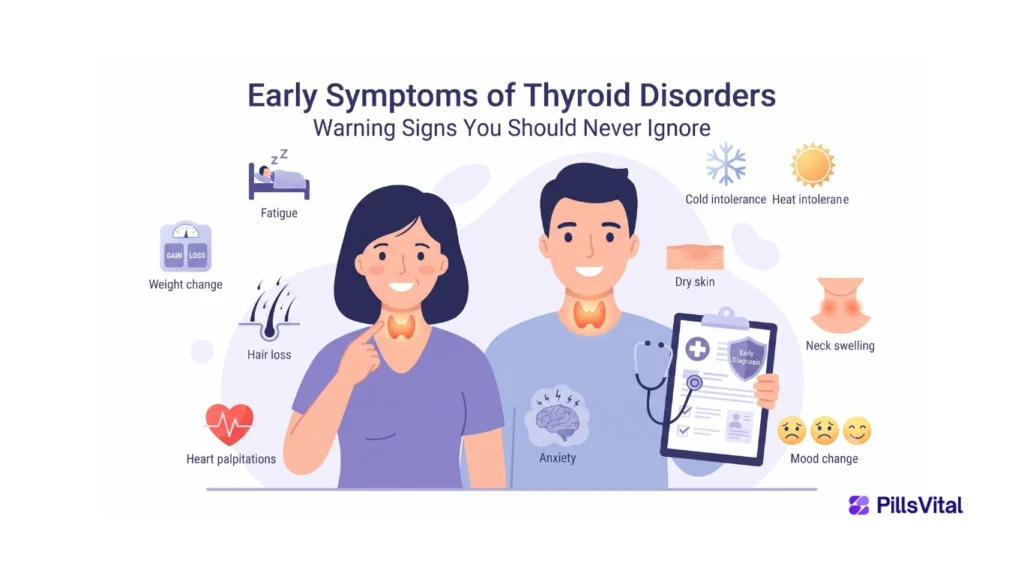
Common Symptoms
- Constant fatigue
- Weight gain
- Feeling cold
- Dry skin
- Hair thinning
- Depression
- Slow heart rate
- Puffy face
- Constipation
- Memory problems
- Muscle weakness
What Is Hyperthyroidism?
Hyperthyroidism develops when the thyroid gland produces excessive thyroid hormones.
This speeds up metabolism, causing many body systems to work faster than normal.
Common Symptoms
- Rapid heartbeat
- Weight loss
- Excessive sweating
- Heat intolerance
- Anxiety
- Tremors
- Nervousness
- Difficulty sleeping
- Frequent bowel movements
- Muscle weakness
- Bulging eyes (Graves’ disease)
Hypothyroidism vs Hyperthyroidism: Key Differences
| Feature | Hypothyroidism | Hyperthyroidism |
|---|---|---|
| Hormone Production | Too Low | Too High |
| Metabolism | Slows Down | Speeds Up |
| Weight | Gain | Loss |
| Heart Rate | Slow | Fast |
| Temperature | Cold Sensitivity | Heat Intolerance |
| Mood | Depression | Anxiety |
| Energy | Low | Restless |
| Sleep | Excessive Sleep | Insomnia |
| Appetite | Reduced | Increased |
| Skin | Dry | Warm & Moist |
Causes of Hypothyroidism
Hypothyroidism develops when the thyroid gland cannot produce enough thyroid hormones (T3 and T4) to meet the body’s needs. Several medical conditions, treatments, and nutritional factors can damage the thyroid gland or interfere with hormone production. Understanding these causes can help with early diagnosis and proper treatment.
The National Institute of Diabetes and Digestive and Kidney Diseases (NIDDK) recommends blood tests such as TSH and Free T4 as the primary methods for diagnosing thyroid disorders.
1. Hashimoto's Thyroiditis (Most Common Cause)
Hashimoto’s thyroiditis is the leading cause of hypothyroidism in countries where iodine intake is sufficient. It is an autoimmune disorder, meaning the body’s immune system mistakenly attacks healthy thyroid tissue.
Over time, this ongoing immune attack causes inflammation and gradually damages the thyroid gland, reducing its ability to produce enough thyroid hormones. The condition often develops slowly over several years, and many people may not notice symptoms until significant thyroid damage has occurred.
Risk factors include:
- Family history of thyroid disease
- Other autoimmune disorders such as type 1 diabetes or rheumatoid arthritis
- Female sex (especially middle-aged women)
- Certain genetic factors
Common symptoms include:
- Persistent fatigue
- Weight gain
- Dry skin
- Hair thinning
- Constipation
- Depression
- Cold intolerance
Hashimoto’s thyroiditis usually requires lifelong treatment with thyroid hormone replacement medication.
2. Iodine Deficiency
Iodine is an essential mineral that the thyroid gland uses to produce thyroid hormones. Without enough iodine, the gland cannot make sufficient amounts of thyroxine (T4) and triiodothyronine (T3), leading to hypothyroidism.
Although iodine deficiency is uncommon in many developed countries due to iodized salt, it remains a significant public health issue in some parts of the world.
People at greater risk include:
- Individuals living in areas with iodine-poor soil
- People who avoid iodized salt
- Pregnant and breastfeeding women with increased iodine requirements
- Individuals following restrictive diets
Symptoms of iodine deficiency may include:
- Enlarged thyroid gland (goiter)
- Fatigue
- Difficulty concentrating
- Weight gain
- Cold sensitivity
Eating iodine-rich foods such as seafood, dairy products, eggs, and iodized salt can help maintain healthy thyroid function. However, excessive iodine intake can also trigger thyroid problems, so supplements should only be taken under medical guidance.
3. Thyroid Surgery
Surgical removal of part or all of the thyroid gland (thyroidectomy) is another common cause of hypothyroidism.
Thyroid surgery may be performed to treat:
- Thyroid cancer
- Large thyroid nodules
- Goiter causing breathing or swallowing problems
- Hyperthyroidism that does not respond to other treatments
If the entire thyroid gland is removed, the body can no longer produce thyroid hormones naturally. Even when only part of the gland is removed, the remaining tissue may not produce enough hormones over time.
Most patients who undergo total thyroidectomy require lifelong thyroid hormone replacement therapy and regular blood tests to ensure the medication dose remains appropriate.
4. Radiation Therapy
Radiation treatment directed at the neck or upper chest can damage thyroid cells and reduce hormone production.
People receiving radiation therapy for conditions such as:
- Head and neck cancers
- Hodgkin lymphoma
- Certain throat cancers
may develop hypothyroidism months or even years after treatment.
Radiation gradually destroys healthy thyroid tissue, making it less effective at producing hormones.
Because this condition may develop slowly, healthcare providers often recommend periodic thyroid function tests after radiation therapy to detect changes before symptoms become severe.
5. Certain Medications
Some medications can interfere with normal thyroid hormone production or affect how the body uses thyroid hormones.
Examples include:
Lithium
Lithium is commonly prescribed to treat bipolar disorder and certain psychiatric conditions.
It can reduce thyroid hormone production by interfering with the thyroid gland’s ability to release hormones into the bloodstream. Long-term lithium therapy increases the risk of hypothyroidism, especially in women and individuals with a family history of thyroid disease.
Patients taking lithium should have their thyroid function monitored regularly.
Amiodarone
Amiodarone is a medication used to treat abnormal heart rhythms (arrhythmias).
It contains a large amount of iodine, which can disrupt normal thyroid hormone production. Depending on an individual’s underlying thyroid health, amiodarone may cause either hypothyroidism or hyperthyroidism.
Doctors often check thyroid hormone levels before starting amiodarone and continue monitoring them during treatment.
Other medications that may affect thyroid function include:
- Interferon-alpha
- Immune checkpoint inhibitors used in cancer treatment
- Tyrosine kinase inhibitors
- Some anticonvulsant medications
Patients taking these medications should discuss thyroid monitoring with their healthcare provider if they develop symptoms such as fatigue, unexplained weight gain, or cold intolerance.
Other Less Common Causes of Hypothyroidism
Although less frequent, hypothyroidism can also result from:
- Congenital hypothyroidism: A condition present at birth where the thyroid gland is absent, underdeveloped, or does not function properly.
- Pituitary gland disorders: The pituitary gland produces thyroid-stimulating hormone (TSH). Damage to the pituitary can reduce TSH production, leading to secondary hypothyroidism.
- Postpartum thyroiditis: Some women develop temporary thyroid inflammation after childbirth, which may eventually lead to hypothyroidism.
- Severe thyroid inflammation (thyroiditis): Viral infections or autoimmune inflammation can damage thyroid tissue.
- Rare genetic disorders: Certain inherited conditions can affect thyroid hormone production or function.
Causes of Hyperthyroidism
Hyperthyroidism occurs when the thyroid gland produces more thyroid hormones (T3 and T4) than the body needs. These excess hormones speed up the body’s metabolism, affecting the heart, muscles, digestive system, nervous system, and many other organs. Several medical conditions and external factors can trigger this overproduction of thyroid hormones.
1. Graves' Disease (Most Common Cause)
Graves’ disease is the most common cause of hyperthyroidism, accounting for approximately 60–80% of cases. It is an autoimmune disorder in which the immune system mistakenly produces antibodies that stimulate the thyroid gland to make excessive amounts of thyroid hormones.
Instead of protecting the body from infections, these antibodies bind to thyroid-stimulating hormone (TSH) receptors, causing the thyroid to remain overactive even when hormone levels are already high.
Graves’ disease can affect people of all ages but is most commonly diagnosed in women between 20 and 50 years old. A family history of autoimmune diseases, smoking, and significant stress may increase the risk.
Common symptoms include:
- Rapid or irregular heartbeat
- Unexplained weight loss despite a normal or increased appetite
- Anxiety and nervousness
- Tremors, especially in the hands
- Excessive sweating
- Heat intolerance
- Difficulty sleeping
- Frequent bowel movements
- Enlarged thyroid gland (goiter)
Some people with Graves’ disease also develop Graves’ ophthalmopathy, an eye condition that can cause:
- Bulging eyes
- Dry or irritated eyes
- Double vision
- Eye pain or pressure
- Sensitivity to light
Treatment may include anti-thyroid medications, radioactive iodine therapy, or surgery, depending on the severity of the condition.
2. Thyroid Nodules (Toxic Nodules)
Thyroid nodules are abnormal lumps or growths that develop within the thyroid gland. While many thyroid nodules are harmless and do not produce hormones, some become autonomous, meaning they produce thyroid hormones independently without responding to the body’s normal hormonal controls.
When one or more nodules continuously release excess thyroid hormones, the condition is called:
- Toxic adenoma (single overactive nodule)
- Toxic multinodular goiter (multiple overactive nodules)
These overactive nodules can lead to hyperthyroidism, especially in older adults.
Symptoms may include:
- Weight loss
- Fast heartbeat
- Increased sweating
- Nervousness
- Muscle weakness
- Fatigue
- Enlarged thyroid gland
Doctors typically diagnose toxic nodules using blood tests, thyroid ultrasound, and a radioactive iodine uptake scan.
Treatment options include:
- Anti-thyroid medications
- Radioactive iodine therapy
- Surgical removal of the affected thyroid tissue
3. Thyroiditis
Thyroiditis refers to inflammation of the thyroid gland. When the thyroid becomes inflamed, damaged thyroid cells release large amounts of previously stored thyroid hormones into the bloodstream, causing temporary hyperthyroidism.
Unlike Graves’ disease, thyroiditis does not usually involve increased hormone production. Instead, it results from the sudden release of hormones that were already stored in the gland.
Several types of thyroiditis can cause temporary hyperthyroidism:
Subacute Thyroiditis
Often develops after a viral infection and may cause:
- Painful swelling in the front of the neck
- Fever
- Fatigue
- Temporary hyperthyroidism followed by hypothyroidism before recovery
Silent Thyroiditis
This painless form of thyroid inflammation is believed to be autoimmune in nature. Symptoms are often mild, and many people recover without permanent thyroid damage.
Postpartum Thyroiditis
Some women develop thyroid inflammation within the first year after giving birth. It often begins with temporary hyperthyroidism and may later progress to hypothyroidism before normal thyroid function returns.
Most cases of thyroiditis improve over several months, although some individuals may develop permanent hypothyroidism and require ongoing treatment.
4. Excess Iodine Intake
Iodine is essential for producing thyroid hormones, but consuming too much iodine can sometimes overstimulate the thyroid gland and lead to hyperthyroidism, particularly in people with underlying thyroid disorders.
Excess iodine may come from:
- Iodine-containing dietary supplements
- Certain cough syrups
- Seaweed or kelp supplements
- Contrast dyes used during CT scans and other imaging procedures
- Medications such as amiodarone
In susceptible individuals, a sudden increase in iodine intake can trigger the thyroid gland to produce excessive amounts of hormones, a phenomenon known as the Jod-Basedow effect.
People at higher risk include:
- Older adults with thyroid nodules
- Individuals with multinodular goiter
- Those with a history of thyroid disease
Because iodine affects thyroid function, supplements should only be taken under the guidance of a healthcare professional. Excessive iodine intake is generally unnecessary for people who consume a balanced diet.
Other Less Common Causes of Hyperthyroidism
Although less common, hyperthyroidism can also result from:
Excess Thyroid Hormone Medication
Taking more thyroid hormone replacement medication than prescribed can cause symptoms of hyperthyroidism. This is known as factitious hyperthyroidism and is usually corrected by adjusting the medication dose.
Pituitary Gland Disorders
Rare tumors of the pituitary gland can produce excessive thyroid-stimulating hormone (TSH), causing the thyroid gland to release too much T3 and T4.
Functioning Thyroid Cancer
In rare cases, certain thyroid cancers may produce thyroid hormones, leading to hyperthyroidism.
Ovarian Tumors (Struma Ovarii)
A rare ovarian tumor containing thyroid tissue can produce thyroid hormones independently, resulting in hyperthyroidism.
Risk Factors
You are more likely to develop thyroid disease if you have:
- Family history
- Autoimmune disease
- Type 1 diabetes
- Female gender
- Pregnancy history
- Older age
- Previous thyroid surgery
People with diabetes should also understand What Is Type 2 Diabetes? Causes, Symptoms, Diagnosis & Treatment because thyroid disease commonly occurs alongside diabetes.
Symptoms That Need Immediate Medical Attention
Seek medical care if you experience:
- Chest pain
- Difficulty breathing
- Extremely fast heartbeat
- Fainting
- Severe swelling in the neck
- Confusion
- Sudden weakness
The MedlinePlus – Thyroid Diseases resource notes that thyroid disorders can affect the heart, muscles, digestive system, skin, and nervous system, leading to a wide range of symptoms.
How Doctors Diagnose Thyroid Disorders
Diagnosing thyroid disorders involves more than checking symptoms alone. Because conditions such as hypothyroidism and hyperthyroidism can mimic other health problems, doctors use a combination of medical history, physical examination, blood tests, and imaging studies to determine how well the thyroid gland is functioning and identify the underlying cause.
Early diagnosis is essential because untreated thyroid disorders can lead to complications such as heart disease, infertility, osteoporosis, and metabolic problems.
1. Medical History
The diagnostic process usually begins with a detailed discussion of your symptoms and overall health.
Your healthcare provider may ask about:
- Fatigue or low energy
- Unexplained weight gain or weight loss
- Changes in appetite
- Heat or cold intolerance
- Hair loss or dry skin
- Anxiety, depression, or mood changes
- Difficulty sleeping
- Rapid or slow heartbeat
- Menstrual irregularities
- Family history of thyroid disease
- Previous thyroid surgery or radiation therapy
- Current medications, including lithium or amiodarone
- Pregnancy or recent childbirth
This information helps determine whether thyroid dysfunction is likely and which type of thyroid disorder may be present.
2. Physical Examination
A physical examination provides important clues about thyroid function and helps identify visible or measurable signs of thyroid disease.
During the examination, your doctor may assess:
Thyroid Enlargement (Goiter)
The doctor gently feels the front of your neck to check whether the thyroid gland is enlarged, tender, or contains lumps (nodules).
An enlarged thyroid, also known as a goiter, may occur in both hypothyroidism and hyperthyroidism.
The doctor also checks for:
- Swelling
- Asymmetry
- Pain or tenderness
- Visible enlargement during swallowing
If a thyroid nodule is detected, additional imaging or a biopsy may be recommended.
Heart Rate and Blood Pressure
Because thyroid hormones directly affect the cardiovascular system, doctors carefully evaluate your heart.
Hypothyroidism may cause:
- Slow heart rate (bradycardia)
- Lower blood pressure
- Reduced heart function
Hyperthyroidism may cause:
- Rapid heartbeat (tachycardia)
- Irregular heartbeat (atrial fibrillation)
- Elevated blood pressure
- Heart palpitations
Persistent changes in heart rhythm may require further cardiac evaluation.
Reflexes and Muscle Function
Thyroid hormones influence the nervous system and muscle activity.
Doctors often test your reflexes using a small reflex hammer.
People with hypothyroidism may have:
- Slower-than-normal reflexes
- Muscle stiffness
- Muscle weakness
People with hyperthyroidism may have:
- Overactive or brisk reflexes
- Tremors, especially in the hands
- Muscle wasting in severe cases
These findings help support the diagnosis.
Weight Changes
Unexplained weight changes are common signs of thyroid disorders.
Doctors compare your current weight with previous records.
Hypothyroidism often causes:
- Gradual weight gain
- Fluid retention
- Slower metabolism
Hyperthyroidism commonly causes:
- Unintentional weight loss
- Increased appetite
- Faster metabolism
Weight changes are evaluated alongside other symptoms rather than used as the sole diagnostic indicator.
Skin, Hair, and Eyes
Doctors may also examine your skin, hair, and eyes for signs of thyroid dysfunction.
Hypothyroidism may cause:
- Dry, rough skin
- Hair thinning
- Brittle nails
- Puffy face
Hyperthyroidism may cause:
- Warm, moist skin
- Fine hair
- Excessive sweating
- Bulging eyes (Graves’ ophthalmopathy)
These visible signs can provide valuable diagnostic clues.
3. Blood Tests
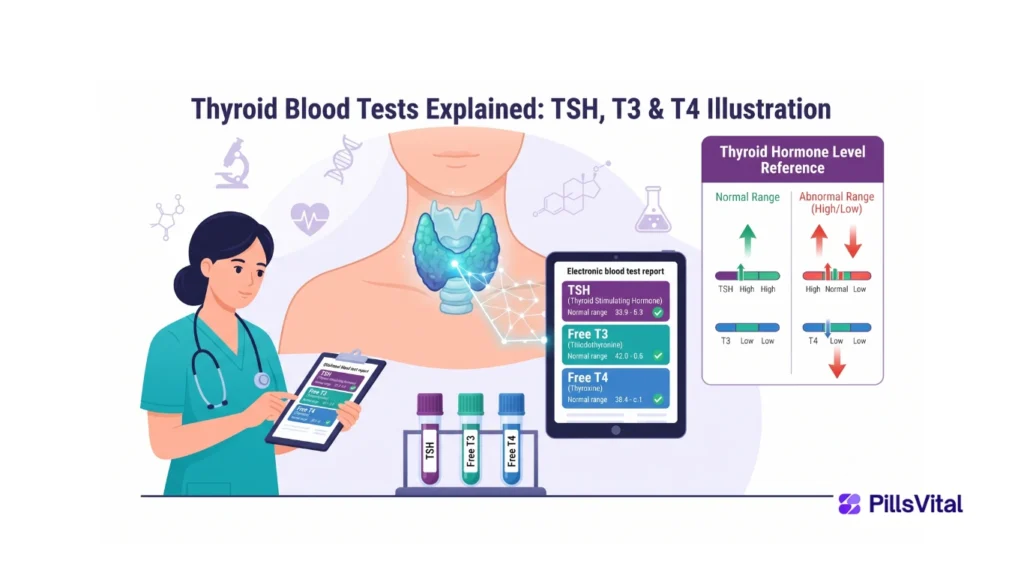
Blood tests are the most accurate and reliable method for diagnosing thyroid disorders. They measure hormone levels and help determine whether the thyroid is underactive, overactive, or functioning normally.
Thyroid-Stimulating Hormone (TSH)
The TSH test is usually the first and most important laboratory test used to evaluate thyroid function.
TSH is produced by the pituitary gland and signals the thyroid to produce thyroid hormones.
High TSH Levels
A high TSH level usually indicates hypothyroidism because the pituitary gland is working harder to stimulate an underactive thyroid.
Low TSH Levels
A low TSH level usually indicates hyperthyroidism, as excessive thyroid hormones suppress TSH production.
For many patients, TSH testing alone is enough to detect thyroid dysfunction, but additional tests are often needed to confirm the diagnosis.
Free T4 (Free Thyroxine)
Free T4 measures the amount of active thyroxine circulating in the bloodstream.
This test helps determine the severity of thyroid disease.
Low Free T4 usually indicates hypothyroidism.
High Free T4 usually suggests hyperthyroidism.
Doctors interpret Free T4 results together with TSH levels for a more accurate diagnosis.
Free T3 (Free Triiodothyronine)
Free T3 is the more active thyroid hormone and is particularly useful when hyperthyroidism is suspected.
Some patients with early hyperthyroidism have normal Free T4 levels but elevated Free T3 levels.
This test helps detect:
- Mild hyperthyroidism
- T3 toxicosis
- Graves’ disease
It is less commonly used to diagnose hypothyroidism because T3 levels often remain normal until later stages.
Thyroid Antibody Tests
When an autoimmune thyroid disorder is suspected, doctors may order thyroid antibody tests.
These tests identify antibodies that mistakenly attack or stimulate the thyroid gland.
Common antibody tests include:
Thyroid Peroxidase Antibodies (TPOAb)
Elevated TPO antibodies strongly suggest Hashimoto’s thyroiditis, the most common cause of hypothyroidism.
Thyroid-Stimulating Immunoglobulin (TSI)
High TSI levels are commonly seen in Graves’ disease, the leading cause of hyperthyroidism.
Antibody testing helps determine the underlying cause rather than simply confirming abnormal hormone levels.
4. Imaging Tests
Imaging studies are not required for every patient but may be recommended when doctors suspect structural abnormalities, thyroid nodules, or unusual causes of thyroid dysfunction.
Thyroid Ultrasound
A thyroid ultrasound uses sound waves to create detailed images of the thyroid gland.
It is painless, does not involve radiation, and usually takes less than 30 minutes.
Doctors use ultrasound to evaluate:
- Thyroid enlargement
- Thyroid nodules
- Thyroid cysts
- Inflammation
- Blood flow
- Suspicious thyroid masses
Ultrasound also helps guide fine-needle aspiration (FNA) biopsy if a thyroid nodule appears concerning.
Radioactive Iodine Uptake (RAIU) Scan
The radioactive iodine uptake scan helps determine how actively the thyroid gland is producing hormones.
Because the thyroid naturally absorbs iodine to make thyroid hormones, patients swallow a small amount of radioactive iodine. A special scanner then measures how much iodine the thyroid absorbs.
The scan can help distinguish different causes of hyperthyroidism.
High Uptake
High iodine uptake is commonly seen in:
- Graves’ disease
- Toxic multinodular goiter
- Toxic adenoma
Low Uptake
Low iodine uptake may suggest:
- Thyroiditis
- Excess thyroid hormone medication
- Recent iodine exposure
This test is especially useful when blood tests confirm hyperthyroidism but the exact cause remains uncertain.
Additional Diagnostic Tests (If Needed)
Depending on the patient’s condition, doctors may also recommend:
- Fine-Needle Aspiration (FNA) Biopsy: To evaluate suspicious thyroid nodules for cancer.
- CT or MRI Scan: Rarely used, but may be needed for large goiters or tumors extending into the chest.
- Electrocardiogram (ECG): To detect abnormal heart rhythms caused by hyperthyroidism.
- Lipid Profile: High cholesterol levels may support a diagnosis of hypothyroidism.
- Complete Blood Count (CBC): To assess overall health and rule out other conditions with similar symptoms.
Treatment for Hypothyroidism
Treatment aims to replace missing thyroid hormones.
Options include:
- Levothyroxine medication
- Regular blood monitoring
- Lifestyle improvements
- Healthy nutrition
- Routine follow-up
Most patients require lifelong treatment.
The Mayo Clinic explains that treatment for thyroid disorders depends on the underlying cause and may include medications, radioactive iodine therapy, or surgery.
Treatment for Hyperthyroidism
Treatment depends on the underlying cause.
Common options include:
- Anti-thyroid medications
- Radioactive iodine therapy
- Beta blockers
- Thyroid surgery
Diet Tips for Thyroid Health
A balanced diet supports healthy thyroid function.
Include foods rich in:
- Iodine
- Selenium
- Zinc
- Iron
- Vitamin D
- Protein
Healthy choices include:
- Eggs
- Fish
- Dairy products
- Nuts
- Beans
- Whole grains
- Leafy vegetables
Avoid excessive iodine supplements unless prescribed. The World Health Organization (WHO) recognizes iodine as an essential nutrient for normal thyroid hormone production and healthy growth and development.
Healthy eating also lowers chronic disease risk. Read our guide on Best Foods That Help Prevent Chronic Diseases.
Can Thyroid Disease Be Prevented?
Not every thyroid disorder can be prevented.
However, you can reduce risk by:
- Eating enough iodine
- Managing autoimmune diseases
- Getting regular health checkups
- Avoiding smoking
- Taking medications only as prescribed
- Monitoring thyroid function if you’re high-risk
Thyroid Disease and Diabetes
Research shows thyroid disorders are more common in people with diabetes, especially Type 1 diabetes.
Thyroid dysfunction may affect:
- Blood sugar control
- Insulin sensitivity
- Cholesterol levels
- Heart disease risk
Routine thyroid screening is often recommended for diabetic patients.
Learn more about blood sugar management in Prediabetes: Early Warning Signs and How to Prevent Diabetes.
Possible Complications
Without treatment, hypothyroidism may cause:
- Heart disease
- High cholesterol
- Infertility
- Myxedema coma (rare)
Untreated hyperthyroidism may lead to:
- Atrial fibrillation
- Osteoporosis
- Heart failure
- Thyroid storm
Early diagnosis significantly reduces these risks.
❓ FAQs
Which is more serious, hypothyroidism or hyperthyroidism?
Both can become serious if left untreated. Early diagnosis and proper treatment greatly reduce the risk of complications.
Can thyroid disorders be cured?
Some forms are temporary, while many require lifelong management with medication and regular monitoring.
Does thyroid disease cause weight gain?
Hypothyroidism commonly causes weight gain, while hyperthyroidism often leads to unintended weight loss.
Can thyroid problems affect blood sugar?
Yes. Thyroid hormone imbalances can influence insulin sensitivity and glucose metabolism.
Can stress worsen thyroid disease?
Stress does not directly cause thyroid disorders but may worsen symptoms or trigger autoimmune flare-ups in susceptible individuals.
Conclusion
Hypothyroidism and hyperthyroidism are two common thyroid disorders that have opposite effects on the body’s metabolism. While hypothyroidism slows body functions, hyperthyroidism speeds them up. Recognizing the symptoms early, obtaining an accurate diagnosis, and following the appropriate treatment plan can help prevent serious complications and improve quality of life. If you experience persistent fatigue, unexplained weight changes, or changes in heart rate, consult a healthcare professional for a thyroid evaluation.
For additional patient education and evidence-based recommendations, visit the American Thyroid Association, a trusted resource for information on thyroid diseases, diagnosis, and treatment.
Related Health Resources
-
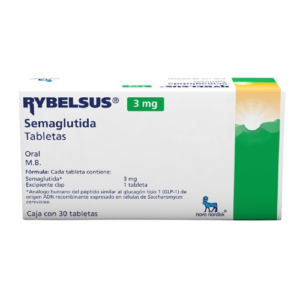
Semaglutide 3mg (Rybelsus) Tablets
$275.00 – $800.00Price range: $275.00 through $800.00 This product has multiple variants. The options may be chosen on the product page -
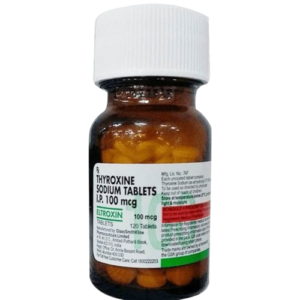
Thyroxine 100mcg (Eltroxin) Tablets
$38.00 – $110.00Price range: $38.00 through $110.00 This product has multiple variants. The options may be chosen on the product page -
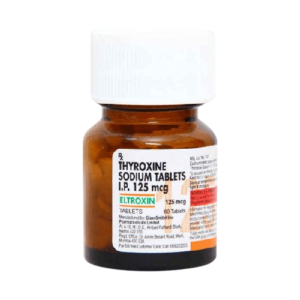
Thyroxine 125mcg (Eltroxin) Tablets
$40.00 – $112.00Price range: $40.00 through $112.00 This product has multiple variants. The options may be chosen on the product page -
Thyroxine 88mcg (Eltroxin) Tablets
$38.00 – $110.00Price range: $38.00 through $110.00 This product has multiple variants. The options may be chosen on the product page
🩺 Related Guides


Dr. Emily Carter specializes in evidence-based health education and wellness content. She focuses on simplifying complex medical topics related to cancer awareness, nutrition, preventive healthcare, skincare, and lifestyle wellness for readers worldwide.
This content is reviewed for medical accuracy, clarity, and alignment with current public health research. The article is intended for educational and informational purposes only and should not replace professional medical advice, diagnosis, or treatment.