What Are Thyroid Blood Tests?
Thyroid blood tests are laboratory tests that evaluate how well your thyroid gland is functioning. They measure hormone levels that regulate metabolism, body temperature, heart rate, digestion, energy production, and many other essential processes.
Doctors commonly order thyroid blood tests when a person experiences symptoms such as unexplained fatigue, sudden weight changes, hair loss, irregular heartbeat, anxiety, depression, or swelling in the neck.
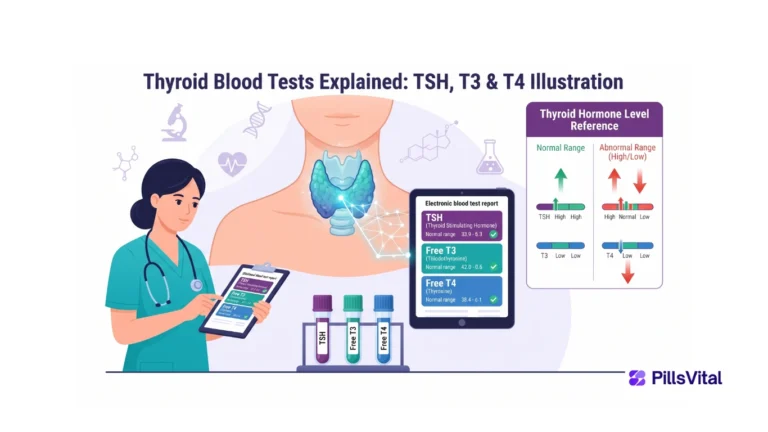
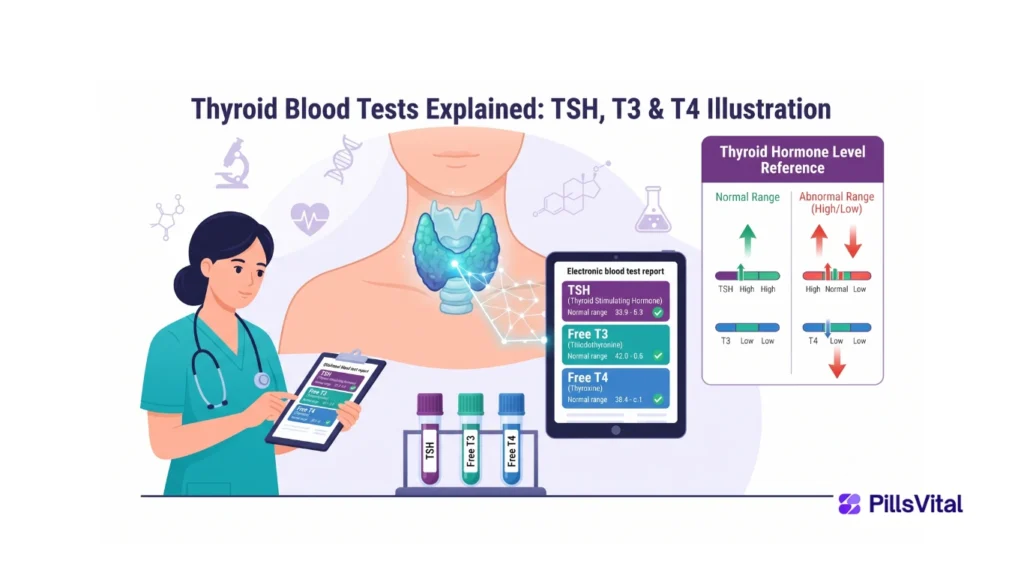
The three most important thyroid blood tests include:
- Thyroid-Stimulating Hormone (TSH)
- Free Thyroxine (Free T4)
- Free Triiodothyronine (Free T3)
Sometimes additional tests such as thyroid antibodies or calcitonin may also be recommended depending on the suspected thyroid condition.
Why Are Thyroid Blood Tests Important?
Thyroid disorders often develop slowly and can produce symptoms that resemble many other health conditions. Blood testing is the most reliable way to identify thyroid hormone imbalances before complications occur.
These tests help doctors:
- Diagnose hypothyroidism
- Diagnose hyperthyroidism
- Monitor thyroid medication
- Detect autoimmune thyroid disease
- Evaluate thyroid nodules
- Screen newborns
- Monitor pregnancy-related thyroid problems
What Do Abnormal Thyroid Blood Test Results Mean?
Abnormal thyroid blood test results do not always mean you have a thyroid disease. Doctors interpret your results based on your symptoms, medical history, medications, age, pregnancy status, and the combination of TSH, Free T4, and Free T3 levels.
For example, a slightly elevated TSH with a normal Free T4 may indicate subclinical hypothyroidism, while a low TSH with elevated Free T4 and Free T3 often suggests hyperthyroidism. In some cases, temporary illnesses or certain medications can also affect thyroid hormone levels. This is why your healthcare provider may recommend repeat testing before making a diagnosis.
Can Medications Affect Thyroid Blood Test Results?
Yes. Several medications and supplements can influence thyroid hormone levels or interfere with laboratory testing.
These include:
- Biotin (Vitamin B7) supplements
- Amiodarone
- Lithium
- Corticosteroids
- Estrogen-containing birth control pills
- Certain seizure medications
If you take any prescription medications, vitamins, or herbal supplements, tell your healthcare provider before your blood test. They may recommend temporarily stopping biotin for 48β72 hours before testing because it can interfere with some thyroid laboratory assays.
Understanding the Thyroid Hormone System
Your thyroid gland does not work alone. It is part of a hormone feedback system involving the brain.
The process works like this:
- The hypothalamus signals the pituitary gland.
- The pituitary gland releases TSH.
- TSH stimulates the thyroid gland.
- The thyroid produces T4 and T3.
- These hormones travel throughout the body and regulate metabolism.
When hormone levels become too high or too low, the brain automatically adjusts TSH production to restore balance.
For a more detailed explanation of how thyroid hormones work, visit the American Thyroid Association’s guide to thyroid function tests.
1. What Is TSH (Thyroid-Stimulating Hormone)?
TSH is produced by the pituitary gland in the brainβnot by the thyroid itself.
Its main job is to tell the thyroid how much hormone to produce.
Think of TSH as the “manager” of your thyroid gland.
When thyroid hormone levels are low:
- TSH increases
When thyroid hormone levels are high:
- TSH decreases
Because of this relationship, TSH is usually the first blood test doctors order.
Normal TSH Range
Although reference ranges vary slightly between laboratories, a typical normal TSH level is:
0.4β4.0 mIU/L
Some endocrinologists consider:
- 0.5β2.5 mIU/L ideal for many healthy adults
- Pregnancy has different normal ranges.
High TSH Usually Means
High TSH often suggests the thyroid is underactive (hypothyroidism).
Common causes include:
- Hashimoto’s thyroiditis
- Iodine deficiency
- Thyroid surgery
- Radiation treatment
- Certain medications
Symptoms include:
- Fatigue
- Weight gain
- Constipation
- Dry skin
- Hair thinning
- Depression
- Cold intolerance
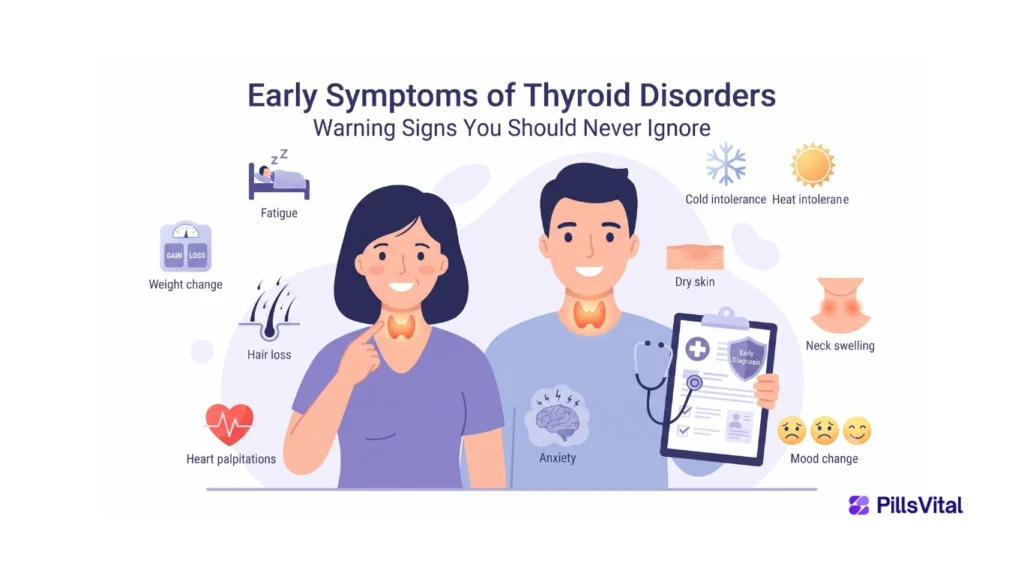
If you’re experiencing these symptoms, read our complete guide on Early Symptoms of Thyroid Disorders You Should Never Ignore to learn how to recognize the warning signs and when to seek medical evaluation.
Low TSH Usually Means
Low TSH often indicates an overactive thyroid (hyperthyroidism).
Common causes include:
- Graves’ disease
- Toxic thyroid nodules
- Thyroiditis
- Excess thyroid medication
Symptoms include:
- Weight loss
- Rapid heartbeat
- Tremors
- Sweating
- Anxiety
- Difficulty sleeping
2. What Is T4 (Thyroxine)?
T4 is the primary hormone produced by the thyroid gland.
Although T4 is relatively inactive, your body converts it into T3, the active hormone that controls metabolism.
Doctors usually measure:
- Total T4
- Free T4 (most useful)
Free T4 represents the hormone available for your body’s tissues.
Normal Free T4 Range
Typical range:
0.8β1.8 ng/dL
Reference ranges differ between laboratories.
High Free T4 May Indicate
- Hyperthyroidism
- Graves’ disease
- Excess thyroid medication
Symptoms include:
- Weight loss
- Fast heartbeat
- Heat intolerance
- Nervousness
- Sweating
Low Free T4 May Indicate
- Hypothyroidism
- Pituitary disorders
- Severe illness
Symptoms include:
- Fatigue
- Weight gain
- Slow heartbeat
- Dry skin
- Cold intolerance
Many people wonder how thyroid hormones affect body weight. Learn more in Thyroid Disease and Weight Gain: Is There a Connection?
3. What Is T3 (Triiodothyronine)?
T3 is the active thyroid hormone responsible for controlling metabolism.
Although your thyroid produces some T3 directly, most T3 comes from the conversion of T4 in the liver and other tissues.
Doctors often measure Free T3 when hyperthyroidism is suspected.
Normal Free T3 Range
Typical range:
2.3β4.2 pg/mL
Ranges differ slightly by laboratory.
High T3 Can Suggest
- Hyperthyroidism
- Graves’ disease
- Toxic multinodular goiter
Low T3 Can Suggest
- Low T3 is less useful for diagnosing hypothyroidism because it can decrease during severe illness even when the thyroid is functioning normally.
Understanding Your Thyroid Blood Test Results
| Test | High Level May Mean | Low Level May Mean |
|---|---|---|
| TSH | Hypothyroidism | Hyperthyroidism |
| Free T4 | Hyperthyroidism | Hypothyroidism |
| Free T3 | Hyperthyroidism | Severe illness or advanced hypothyroidism |
Doctors interpret these tests together rather than relying on a single result.
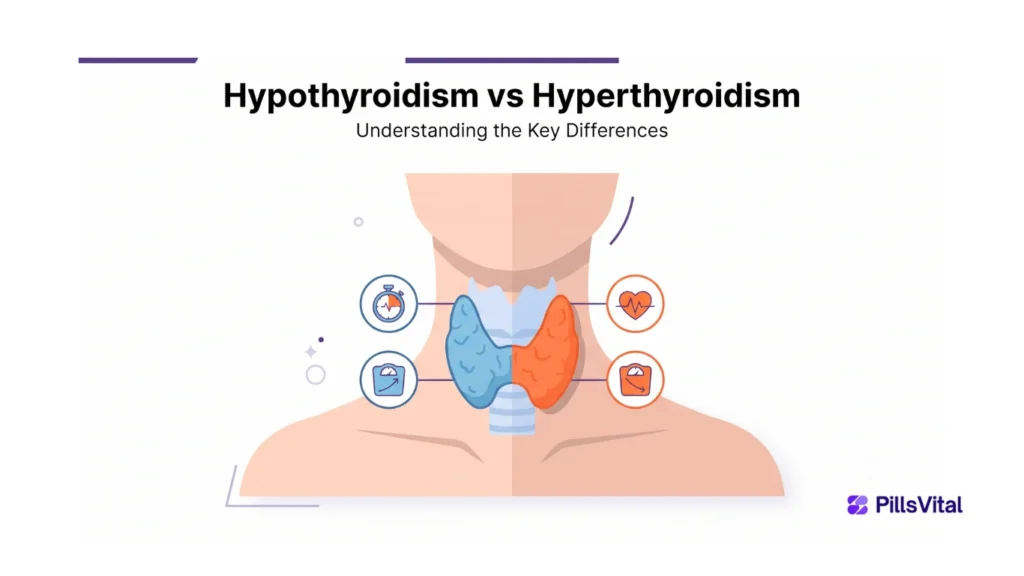
Not sure whether your results suggest an underactive or overactive thyroid? Read Hypothyroidism vs Hyperthyroidism: What’s the Difference? for a detailed comparison of symptoms, causes, diagnosis, and treatment.
Additional Thyroid Blood Tests
Sometimes your doctor may recommend additional testing.
Thyroid Antibody Tests
These identify autoimmune thyroid diseases.
Examples include:
- TPO antibodies
- Thyroglobulin antibodies
- TSI antibodies
These tests help diagnose Hashimoto’s thyroiditis and Graves’ disease.
Calcitonin Test
- Calcitonin is measured when medullary thyroid cancer is suspected.
Thyroglobulin Test
- Used mainly to monitor thyroid cancer after treatment.
Thyroid Blood Tests During Pregnancy
Pregnancy increases the body’s demand for thyroid hormones. Proper thyroid function is essential for the baby’s brain and nervous system development, especially during the first trimester.
Healthcare providers may recommend thyroid testing if you:
- Have a history of thyroid disease
- Have autoimmune disorders
- Experience recurrent miscarriages
- Have infertility
- Develop symptoms of thyroid dysfunction during pregnancy
Normal TSH ranges differ during pregnancy, so results should always be interpreted using pregnancy-specific reference values.
How Long Does It Take to Get Thyroid Blood Test Results?
Most laboratories provide thyroid blood test results within 24 to 48 hours, although timing can vary depending on the healthcare facility and whether additional tests are ordered.
More specialized tests, such as thyroid antibody testing, may take several days.
How Should You Prepare for a Thyroid Blood Test?
Preparation is usually simple.
Most people do not need to fast unless other blood tests are being performed.
For the most accurate results:
- Take thyroid medication after your blood draw unless instructed otherwise.
- Inform your doctor about supplements, especially biotin, which can interfere with thyroid test results.
- Stay hydrated.
The MedlinePlus thyroid tests resource explains how thyroid blood tests are performed, why they are ordered, and how to prepare for testing.
What Happens After Your Thyroid Blood Test?
Once your test results are available, your healthcare provider will review them alongside your symptoms and medical history.
Depending on the findings, they may recommend:
- Additional thyroid antibody tests
- Thyroid ultrasound
- Repeat blood testing
- Starting thyroid medication
- Adjusting your current medication dose
- Referral to an endocrinologist
Never start or stop thyroid medication without professional medical advice.
Factors That Can Affect Thyroid Blood Test Results
Several factors may temporarily alter thyroid hormone levels:
- Pregnancy
- Severe illness
- Steroid medications
- Biotin supplements
- Birth control pills
- Amiodarone
- Lithium
Always tell your healthcare provider about all medications and supplements.
When Should You Get Thyroid Blood Tests?
Your healthcare provider may recommend testing if you have:
- Persistent fatigue
- Unexplained weight gain
- Unexplained weight loss
- Hair loss
- Depression
- Anxiety
- Infertility
- Neck swelling
- Family history of thyroid disease
- High cholesterol
- Irregular menstrual cycles
Tips for Keeping Your Thyroid Healthy
Although not all thyroid disorders can be prevented, healthy lifestyle habits may support normal thyroid function.
You can help maintain thyroid health by:
- Eating enough iodine through a balanced diet
- Including selenium-rich foods such as Brazil nuts, fish, and eggs
- Getting adequate zinc and vitamin D
- Exercising regularly
- Managing chronic stress
- Getting enough sleep
- Avoiding smoking
- Taking thyroid medications exactly as prescribed
A healthy lifestyle supports overall endocrine health but does not replace medical treatment for thyroid disorders.
Who Needs Regular Thyroid Monitoring?
Regular blood tests may be recommended for:
- People taking levothyroxine
- Patients with Hashimoto’s disease
- Graves’ disease patients
- Pregnant women with thyroid disease
- Individuals after thyroid surgery
- Thyroid cancer survivors
The National Institute of Diabetes and Digestive and Kidney Diseases (NIDDK) provides additional information about thyroid diseases, diagnosis, and long-term management.
When Should You See a Doctor?
Schedule a medical evaluation if you experience symptoms that persist for more than a few weeks, especially if they interfere with your daily life.
Seek medical advice if you notice:
- Unexplained weight gain or weight loss
- Persistent fatigue
- Rapid or irregular heartbeat
- Hair thinning or hair loss
- Swelling at the front of the neck
- Difficulty swallowing
- Depression or anxiety without a clear cause
- Intolerance to cold or heat
- Changes in menstrual cycles
- Difficulty becoming pregnant
Early diagnosis and treatment can help prevent complications and improve quality of life.
β FAQs
Is TSH the most important thyroid test?
TSH is usually the first and most sensitive screening test, but doctors often evaluate it alongside Free T4 and sometimes Free T3 for an accurate diagnosis.
Can thyroid blood tests be normal even if symptoms exist?
Yes. Early thyroid disease, medication effects, or non-thyroid conditions can cause symptoms despite normal blood test results. Further evaluation may be needed.
How often should thyroid levels be checked?
This depends on your condition. People taking thyroid medication often have blood tests every 6β12 months or after medication adjustments.
Should I fast before thyroid testing?
Most thyroid blood tests do not require fasting unless your healthcare provider orders additional tests that do.
Conclusion
Thyroid blood tests provide valuable insight into how your thyroid gland is functioning. By measuring TSH, Free T4, and Free T3, healthcare providers can diagnose thyroid disorders, monitor treatment, and prevent complications. If you experience persistent symptoms such as fatigue, weight changes, or changes in heart rate, consult a healthcare professional for proper evaluation rather than interpreting test results on your own.
For additional patient-friendly information about thyroid disorders, symptoms, and treatment options, visit the Mayo Clinic thyroid disease resource.
Related Health Resources
-

Semaglutide 3mg (Rybelsus) Tablets
$275.00 – $800.00Price range: $275.00 through $800.00 This product has multiple variants. The options may be chosen on the product page -
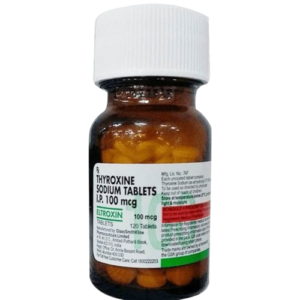
Thyroxine 100mcg (Eltroxin) Tablets
$38.00 – $110.00Price range: $38.00 through $110.00 This product has multiple variants. The options may be chosen on the product page -
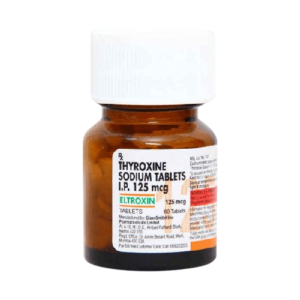
Thyroxine 125mcg (Eltroxin) Tablets
$40.00 – $112.00Price range: $40.00 through $112.00 This product has multiple variants. The options may be chosen on the product page -
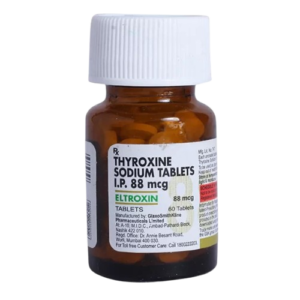
Thyroxine 88mcg (Eltroxin) Tablets
$38.00 – $110.00Price range: $38.00 through $110.00 This product has multiple variants. The options may be chosen on the product page
π©Ί Related Guides


Dr. Emily Carter specializes in evidence-based health education and wellness content. She focuses on simplifying complex medical topics related to cancer awareness, nutrition, preventive healthcare, skincare, and lifestyle wellness for readers worldwide.
This content is reviewed for medical accuracy, clarity, and alignment with current public health research. The article is intended for educational and informational purposes only and should not replace professional medical advice, diagnosis, or treatment.