
High Cholesterol Explained: Causes, Symptoms & Treatment (2026 Complete Guide)
High cholesterol is one of the leading risk factors for heart disease and stroke worldwide. The condition often develops silently without noticeable symptoms, which is why millions of people remain unaware they have it until serious complications occur.
The good news is that high cholesterol can usually be managed—and often prevented—with healthy lifestyle habits, regular cholesterol testing, and medications when necessary.
In this comprehensive guide, you’ll learn everything about high cholesterol, including its causes, symptoms, diagnosis, treatment options, and practical ways to improve your heart health.
High cholesterol is one of several chronic conditions that can quietly damage your health over time. Learn how these conditions develop in our What Are Chronic Diseases? Types, Causes, Symptoms & Prevention article.
What Is Cholesterol?
Cholesterol is a waxy, fat-like substance found in every cell of your body. Your body needs cholesterol to:
- Build healthy cells
- Produce hormones
- Make vitamin D
- Create bile acids that help digest fats
Your liver naturally produces all the cholesterol your body needs. Additional cholesterol comes from foods such as meat, dairy products, butter, and processed foods.
Having cholesterol isn’t harmful. Problems begin when cholesterol levels become too high.
Types of Cholesterol
LDL Cholesterol (Bad Cholesterol)
Low-density lipoprotein (LDL) carries cholesterol through the bloodstream. Excess LDL can stick to artery walls, creating plaque that narrows blood vessels.
High LDL increases the risk of:
- Heart attack
- Stroke
- Peripheral artery disease
The American Heart Association explains the differences between LDL, HDL, and triglycerides in detail.
HDL Cholesterol (Good Cholesterol)
High-density lipoprotein (HDL) helps remove excess cholesterol from the bloodstream and transports it back to the liver for removal.
Higher HDL levels generally protect against cardiovascular disease.
Triglycerides
Triglycerides are another type of blood fat. High triglycerides combined with high LDL and low HDL significantly increase cardiovascular risk.
What Is High Cholesterol?
High cholesterol (hypercholesterolemia) occurs when blood cholesterol levels rise above healthy ranges.
In many cases:
- LDL is too high
- HDL is too low
- Triglycerides are elevated
Over time, plaque builds up inside arteries, restricting blood flow and increasing the likelihood of heart attack and stroke.
Normal Cholesterol Levels
| Test | Healthy Level |
|---|---|
| Total Cholesterol | Below 200 mg/dL |
| LDL Cholesterol | Below 100 mg/dL |
| HDL Men | Above 40 mg/dL |
| HDL Women | Above 50 mg/dL |
| Triglycerides | Below 150 mg/dL |
The Centers for Disease Control and Prevention (CDC) provides guidance on understanding cholesterol test results and screening recommendations.
What Causes High Cholesterol?
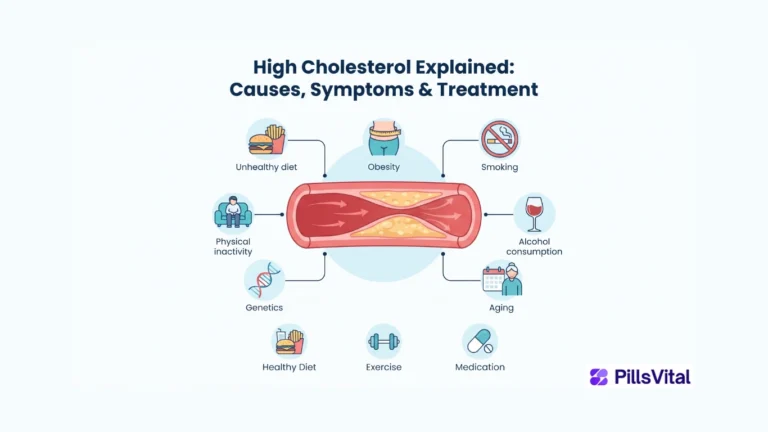
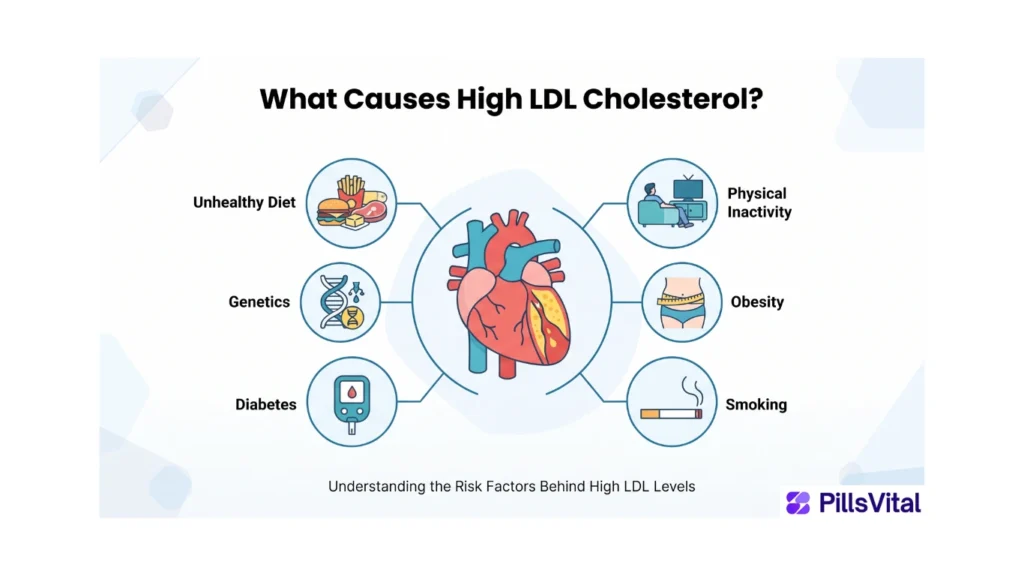
High cholesterol develops when there is too much cholesterol circulating in your bloodstream, particularly low-density lipoprotein (LDL), often called “bad cholesterol.” While your body needs cholesterol to build healthy cells and produce hormones, excess cholesterol can accumulate in the walls of your arteries, increasing the risk of heart disease and stroke.
Many factors contribute to high cholesterol, and in most cases, it results from a combination of lifestyle habits, genetics, and underlying health conditions.
Excess body weight is a major contributor to unhealthy cholesterol levels. Read How Obesity Increases the Risk of Chronic Diseases to understand the connection.
1. Poor Diet
One of the most common causes of high cholesterol is an unhealthy diet. Foods rich in saturated fats, trans fats, and refined carbohydrates can raise LDL cholesterol while lowering beneficial HDL cholesterol.
Foods that may increase cholesterol levels include:
- Fried foods such as French fries and fried chicken
- Fast food meals
- Processed meats like bacon, sausages, and hot dogs
- Full-fat dairy products, including butter, cheese, and cream
- Pastries, cakes, cookies, and donuts
- Potato chips and packaged snacks
- Foods containing partially hydrogenated oils
- Sugary beverages and desserts
These foods not only increase LDL cholesterol but can also promote inflammation and weight gain, both of which contribute to cardiovascular disease.
Healthier alternatives include:
- Fruits and vegetables
- Whole grains
- Oats and barley
- Beans and lentils
- Nuts and seeds
- Olive oil
- Fatty fish like salmon and mackerel
2. Obesity and Excess Body Weight
Being overweight or obese significantly increases your risk of developing high cholesterol. Excess body fat, especially around the abdomen, affects the way your body processes fats and cholesterol.
People with obesity often experience:
- Higher LDL (“bad”) cholesterol
- Lower HDL (“good”) cholesterol
- Elevated triglyceride levels
- Increased inflammation
- Greater risk of heart disease and type 2 diabetes
Even losing 5–10% of your body weight can improve cholesterol levels and reduce cardiovascular risk.
3. Lack of Physical Activity
A sedentary lifestyle is another major contributor to high cholesterol. Physical inactivity can lower HDL cholesterol while allowing LDL cholesterol and triglycerides to increase.
Regular exercise helps your body:
- Raise protective HDL cholesterol
- Lower LDL cholesterol
- Reduce triglycerides
- Improve blood circulation
- Maintain a healthy weight
- Reduce blood pressure
- Improve insulin sensitivity
Adults should aim for at least 150 minutes of moderate-intensity aerobic exercise each week, such as brisk walking, cycling, swimming, or jogging, along with muscle-strengthening activities on two or more days per week.
4. Smoking
Smoking harms nearly every part of your cardiovascular system. The chemicals in cigarette smoke damage the lining of blood vessels, making it easier for cholesterol to accumulate and form plaque.
Smoking can:
- Lower HDL (“good”) cholesterol
- Damage artery walls
- Increase LDL oxidation, making it more harmful
- Raise blood pressure
- Increase blood clot formation
- Accelerate the development of atherosclerosis
Quitting smoking can quickly improve HDL cholesterol levels and substantially lower the risk of heart attack and stroke over time.
5. Excess Alcohol Consumption
While small amounts of alcohol may have limited cardiovascular effects for some adults, excessive drinking can significantly worsen cholesterol-related problems.
Heavy alcohol intake may:
- Increase triglyceride levels
- Contribute to obesity
- Raise blood pressure
- Damage the liver, which plays a key role in cholesterol regulation
- Increase the risk of pancreatitis and heart disease
If you drink alcohol, it should be consumed in moderation. Individuals with high triglycerides or certain medical conditions may be advised to avoid alcohol altogether.
6. Diabetes and Insulin Resistance
People with type 2 diabetes or prediabetes often have an unhealthy cholesterol pattern known as diabetic dyslipidemia.
High blood sugar levels can:
- Increase LDL cholesterol
- Lower HDL cholesterol
- Raise triglycerides
- Damage blood vessel walls
- Accelerate plaque formation in arteries
This combination greatly increases the risk of cardiovascular complications. Managing blood sugar through diet, exercise, medication, and regular monitoring can also improve cholesterol levels.
7. Genetics (Familial Hypercholesterolemia)
Sometimes high cholesterol is inherited rather than caused by lifestyle habits. A genetic condition called familial hypercholesterolemia (FH) prevents the body from removing LDL cholesterol efficiently.
People with FH may:
- Have very high LDL cholesterol from childhood
- Develop heart disease at a younger age
- Have a strong family history of high cholesterol or early heart attacks
- Require cholesterol-lowering medication in addition to lifestyle changes
If several close relatives have high cholesterol or early cardiovascular disease, genetic testing or earlier cholesterol screening may be recommended.
8. Aging
As people age, cholesterol levels naturally tend to rise. The liver becomes less efficient at removing excess LDL cholesterol from the bloodstream, and metabolism gradually slows.
Older adults may also experience:
- Reduced physical activity
- Weight gain
- Hormonal changes
- Increased risk of high blood pressure and diabetes
- Greater likelihood of plaque buildup in arteries
Regular cholesterol screenings become increasingly important with age to detect changes early and begin treatment if necessary.
9. Other Medical Conditions
Several health conditions can contribute to high cholesterol by affecting how the body produces or processes fats.
These include:
- Hypothyroidism (underactive thyroid)
- Chronic kidney disease
- Liver disease
- Polycystic ovary syndrome (PCOS)
- Metabolic syndrome
- Certain autoimmune diseases
Treating these underlying conditions often helps improve cholesterol levels.
10. Certain Medications
Some medications may increase cholesterol or triglyceride levels as a side effect.
Examples include:
- Corticosteroids
- Some diuretics
- Certain beta-blockers
- Immunosuppressant medications
- Retinoids
- Some hormonal therapies, including certain birth control pills
If you’re concerned that a medication is affecting your cholesterol, consult your healthcare provider before making any changes to your treatment.
Can Multiple Factors Cause High Cholesterol?
Yes. High cholesterol is often the result of several factors working together. For example, a person with a family history of high cholesterol who also has obesity, diabetes, and a sedentary lifestyle is at a much higher risk than someone with only one risk factor.
The encouraging news is that many causes of high cholesterol—such as poor diet, lack of exercise, smoking, and excess weight—are modifiable. By adopting healthier habits, getting regular cholesterol screenings, and following your healthcare provider’s advice, you can effectively lower your cholesterol levels and reduce your risk of heart disease and stroke.
Risk Factors
You may have an increased risk if you:
- Are over age 40
- Have diabetes
- Have high blood pressure
- Smoke
- Are overweight
- Eat unhealthy foods
- Have a family history of heart disease
- Live a sedentary lifestyle
Symptoms of High Cholesterol
High cholesterol usually causes no symptoms.
Many people only discover it through routine blood testing.
However, untreated high cholesterol may eventually cause complications such as:
- Chest pain (angina)
- Heart attack
- Stroke
- Poor circulation
- Leg pain while walking
Rare physical signs include:
- Yellow deposits around the eyes (xanthelasma)
- Tendon xanthomas
- Corneal arcus in younger individuals
Complications of High Cholesterol
High cholesterol often develops without noticeable symptoms, but over time it can cause serious damage to your cardiovascular system. Excess low-density lipoprotein (LDL), or “bad cholesterol,” gradually builds up inside the walls of arteries, forming fatty deposits known as plaque. This process, called atherosclerosis, narrows and hardens the arteries, reducing blood flow to vital organs.
If left untreated, high cholesterol can lead to life-threatening complications, including heart disease, stroke, and poor circulation. Understanding these risks highlights the importance of regular cholesterol screening and early treatment.
1. Coronary Artery Disease (CAD)
Coronary artery disease is one of the most common complications of high cholesterol. It occurs when plaque builds up inside the coronary arteries, which supply oxygen-rich blood to the heart muscle.
As the arteries become narrower, the heart receives less oxygen and nutrients, especially during physical activity or emotional stress. This reduced blood flow can weaken the heart over time and increase the risk of heart attacks.
Symptoms may include:
- Chest pain (angina)
- Shortness of breath
- Fatigue during physical activity
- Pain in the shoulders, arms, neck, jaw, or back
- Irregular heartbeat in some cases
Without treatment, coronary artery disease can lead to permanent heart damage and heart failure.
2. Heart Attack (Myocardial Infarction)
A heart attack occurs when a coronary artery becomes completely blocked, preventing oxygen-rich blood from reaching part of the heart muscle. High cholesterol is one of the leading causes because plaque can rupture, causing a blood clot that suddenly blocks blood flow.
If blood supply is not restored quickly, the affected heart muscle begins to die, making a heart attack a medical emergency.
Common warning signs include:
- Severe chest pain or pressure
- Pain spreading to the left arm, shoulder, neck, jaw, or back
- Shortness of breath
- Cold sweats
- Nausea or vomiting
- Dizziness or lightheadedness
- Unusual fatigue, especially in women
Immediate medical treatment greatly improves survival and reduces long-term heart damage.
3. Stroke
High cholesterol significantly increases the risk of an ischemic stroke, the most common type of stroke. Plaque buildup can narrow the arteries supplying the brain or cause blood clots that block blood flow.
When brain cells are deprived of oxygen, they begin to die within minutes, leading to permanent brain damage if treatment is delayed.
Symptoms of a stroke include:
- Sudden weakness or numbness on one side of the body
- Difficulty speaking or understanding speech
- Sudden confusion
- Blurred or lost vision
- Severe headache with no known cause
- Trouble walking, dizziness, or loss of balance
A stroke is a medical emergency. Early treatment can reduce disability and improve recovery.
4. Peripheral Artery Disease (PAD)
Peripheral artery disease develops when plaque narrows the arteries that carry blood to the legs, feet, and sometimes the arms. Reduced blood flow prevents muscles and tissues from receiving enough oxygen, especially during physical activity.
PAD not only affects mobility but also increases the risk of heart attack and stroke because it is a sign of widespread atherosclerosis.
Symptoms include:
- Leg pain or cramping while walking (claudication)
- Pain that improves with rest
- Cold feet or lower legs
- Numbness or weakness in the legs
- Slow-healing wounds on the feet or toes
- Weak or absent pulse in the legs
- Changes in skin color or hair growth on the legs
In severe cases, untreated PAD can lead to tissue damage, ulcers, infections, and even limb amputation.
5. High Blood Pressure (Hypertension)
Although high cholesterol and high blood pressure are different conditions, they are closely linked. As cholesterol plaque builds up, arteries become narrower and less flexible. This makes it harder for blood to flow, forcing the heart to pump with greater pressure.
Over time, this increased workload can damage the heart, kidneys, brain, and blood vessels.
Potential effects include:
- Persistent high blood pressure readings
- Increased strain on the heart
- Thickening of the heart muscle
- Higher risk of heart attack and stroke
- Kidney damage
- Vision problems caused by damaged blood vessels
Managing both cholesterol and blood pressure together is essential for reducing cardiovascular risk.
6. Atherosclerosis
Atherosclerosis is the underlying condition responsible for many complications of high cholesterol. It occurs when fatty plaques accumulate inside the arteries throughout the body, causing them to become stiff and narrow.
This widespread narrowing reduces blood flow to major organs and increases the risk of multiple cardiovascular diseases.
Possible consequences include:
- Coronary artery disease
- Stroke
- Peripheral artery disease
- Chronic kidney disease
- Reduced circulation to various organs
Because atherosclerosis develops slowly over many years, regular cholesterol testing and early treatment are key to preventing its progression.
7. Chronic Kidney Disease
High cholesterol can damage the arteries that supply blood to the kidneys. Reduced blood flow limits the kidneys’ ability to filter waste and excess fluid from the body.
People with both high cholesterol and high blood pressure are at an even greater risk of developing chronic kidney disease.
Symptoms may include:
- Swelling in the legs, ankles, or feet
- Fatigue
- Frequent urination, especially at night
- High blood pressure
- Loss of appetite
- Difficulty concentrating
Keeping cholesterol levels under control helps protect kidney function over the long term.
8. Heart Failure
When coronary artery disease caused by high cholesterol remains untreated, the heart muscle may gradually weaken due to repeated episodes of reduced blood flow or previous heart attacks.
As the heart becomes less efficient at pumping blood, heart failure can develop.
Symptoms include:
- Persistent fatigue
- Shortness of breath during activity or while lying down
- Swelling in the legs and ankles
- Rapid heartbeat
- Reduced ability to exercise
- Fluid buildup in the lungs
Heart failure is a chronic condition that requires lifelong management but can often be prevented by controlling cholesterol and other cardiovascular risk factors.
Why Early Treatment Matters
High cholesterol rarely causes symptoms until complications have already developed. That’s why regular cholesterol screenings are so important, especially for adults over 40 or those with risk factors such as diabetes, obesity, smoking, or a family history of heart disease.
Lowering LDL cholesterol through a heart-healthy diet, regular exercise, weight management, smoking cessation, and prescribed medications when needed can significantly reduce the risk of coronary artery disease, heart attack, stroke, peripheral artery disease, and other serious complications. Early detection and consistent treatment are among the most effective ways to protect your heart and overall health
How Is High Cholesterol Diagnosed?
Doctors diagnose high cholesterol using a lipid profile blood test, which measures:
- Total cholesterol
- LDL
- HDL
- Triglycerides
Adults should have cholesterol checked regularly, especially if they have cardiovascular risk factors.
Clinical recommendations for cholesterol testing and cardiovascular risk assessment are available from the U.S. Preventive Services Task Force (USPSTF).
Treatment for High Cholesterol
Treatment combines healthy habits with medications when needed. Evidence-based cholesterol management guidelines are published by the American College of Cardiology (ACC).
Lifestyle Changes
Eat a Heart-Healthy Diet
Choose:
- Fruits
- Vegetables
- Whole grains
- Beans
- Oats
- Fish
- Nuts
- Olive oil
Limit:
- Fried foods
- Fast food
- Processed meats
- Butter
- Sugary desserts
Regular physical activity plays a vital role in improving cholesterol and overall cardiovascular health. Explore our Exercise and Chronic Disease Management: Complete Beginner Guide for practical exercise tips.
Exercise Regularly
Aim for:
- 150 minutes of moderate exercise weekly
Examples include:
- Walking
- Cycling
- Swimming
- Jogging
Lose Excess Weight
Even a modest weight loss improves cholesterol levels.
Stop Smoking
Smoking cessation quickly improves HDL cholesterol.
Limit Alcohol
Drink alcohol only in moderation.
Drink alcohol only in moderation.
Your doctor may prescribe:
- Statins
- Ezetimibe
- PCSK9 inhibitors
- Bile acid sequestrants
- Fibrates
- Omega-3 prescription medications
Medication depends on your cholesterol levels and overall cardiovascular risk.
Foods That Help Lower Cholesterol
Excellent choices include:
- Oats
- Barley
- Beans
- Lentils
- Almonds
- Walnuts
- Avocados
- Olive oil
- Fatty fish
- Apples
- Berries
- Leafy greens
- Soy foods
- Flaxseed
- Chia seeds
Discover more heart-friendly nutrition tips in Best Foods That Help Prevent Chronic Diseases.
Foods to Limit
Reduce intake of:
- Fried foods
- Processed meats
- Bacon
- Sausage
- Butter
- Cheese
- Ice cream
- Pastries
- Packaged snacks
- Fast food
Can High Cholesterol Be Prevented?
Yes. Prevention includes:
- Eating healthy
- Exercising regularly
- Maintaining a healthy weight
- Not smoking
- Managing diabetes
- Controlling blood pressure
- Getting regular cholesterol screenings
When Should You See a Doctor?
Schedule an appointment if you:
- Have a family history of high cholesterol
- Have diabetes
- Have high blood pressure
- Are overweight
- Smoke
- Are over age 40
- Have chest pain or shortness of breath
- Have never had a cholesterol test
Nutrition advice for reducing cholesterol intake is available from the National Heart, Lung, and Blood Institute (NHLBI).
❓ FAQs
Is high cholesterol dangerous?
Yes. It significantly increases the risk of heart attack, stroke, and other cardiovascular diseases if left untreated.
Can high cholesterol be cured?
While some genetic forms cannot be cured, most cases can be effectively managed with lifestyle changes and medications.
Can exercise lower cholesterol?
Yes. Regular physical activity raises HDL cholesterol and helps lower LDL and triglycerides.
Which foods reduce cholesterol the fastest?
Foods rich in soluble fiber—such as oats, beans, apples, and barley—along with nuts, seeds, and fatty fish can help lower LDL cholesterol over time.
Is medication always necessary?
Not always. People with mildly elevated cholesterol may improve levels through diet, exercise, and weight management. Others with higher cardiovascular risk may require medication.
Conclusion
If you’re also concerned about high blood pressure or diabetes, compare these conditions in Diabetes vs Heart Disease vs Hypertension: What’s the Difference?
High cholesterol is a common but manageable condition. Since it often develops without symptoms, regular cholesterol screening is essential. By adopting a heart-healthy lifestyle, staying physically active, maintaining a healthy weight, and following your healthcare provider’s recommendations, you can significantly reduce your risk of heart disease and stroke while improving your long-term health.
Related Health Resources
-
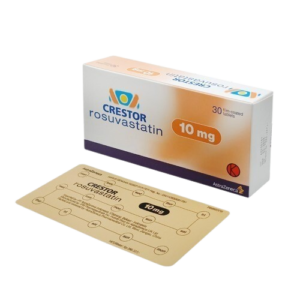
Rosuvastatin 10mg (Crestor) Tablets
$398.00 – $788.00Price range: $398.00 through $788.00 This product has multiple variants. The options may be chosen on the product page -
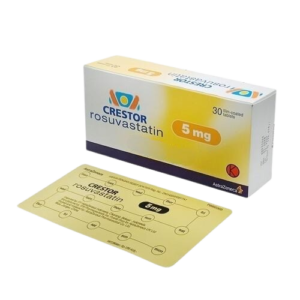
Rosuvastatin 5mg (Crestor) Tablets
$78.00 – $150.00Price range: $78.00 through $150.00 This product has multiple variants. The options may be chosen on the product page
❤️ Related Guides


Dr. Emily Carter specializes in evidence-based health education and wellness content. She focuses on simplifying complex medical topics related to cancer awareness, nutrition, preventive healthcare, skincare, and lifestyle wellness for readers worldwide.
This content is reviewed for medical accuracy, clarity, and alignment with current public health research. The article is intended for educational and informational purposes only and should not replace professional medical advice, diagnosis, or treatment.