
LDL vs HDL vs Triglycerides: Understanding Your Lipid Profile
If you’ve ever had a blood test, you’ve probably seen terms like LDL, HDL, triglycerides, and total cholesterol on your report. While these numbers may seem confusing, they provide valuable information about your heart health.
A lipid profile helps doctors evaluate your risk of cardiovascular disease, heart attack, and stroke. Understanding what each value means allows you to take action before serious complications develop. High cholesterol is one of several chronic diseases that can increase the risk of serious long-term health complications if left untreated.
High LDL (low-density lipoprotein) cholesterol develops when your body produces too much LDL, removes too little of it from the bloodstream, or both. Over time, excess LDL can build up inside artery walls, forming plaque that narrows blood vessels and increases the risk of heart disease and stroke. While genetics play a role for some people, lifestyle habits are the most common causes of elevated LDL cholesterol. If you’ve recently been diagnosed with high LDL, read our complete guide on high cholesterol symptoms and treatment to understand its causes, diagnosis, and management.
This guide explains the differences between LDL, HDL, and triglycerides, normal ranges, causes of abnormal results, and the best ways to improve your cholesterol naturally.
According to the American Heart Association, high LDL cholesterol is one of the leading risk factors for cardiovascular disease.
What Is a Lipid Profile?
A lipid profile (also called a cholesterol panel) is a blood test that measures fats circulating in your bloodstream.
It usually includes:
- Total cholesterol
- LDL cholesterol
- HDL cholesterol
- Triglycerides
- Sometimes VLDL and Non-HDL cholesterol
Doctors often recommend fasting for 9–12 hours before the test, although non-fasting lipid testing is acceptable in many situations.
Why Is Cholesterol Important?
Your body needs cholesterol to:
- Build healthy cells
- Produce hormones
- Make vitamin D
- Create bile acids for digestion
The problem occurs when cholesterol becomes too high, especially LDL cholesterol, which can accumulate inside artery walls.
Over time this forms plaque, reducing blood flow and increasing the risk of:
- Heart attack
- Stroke
- Peripheral artery disease
The Three Main Parts of Your Lipid Profile
1. LDL Cholesterol (Low-Density Lipoprotein)
LDL is commonly called “bad cholesterol.”
It carries cholesterol from the liver to tissues.
When too much LDL circulates in the blood, it sticks to artery walls and forms plaque. Along with medication when needed, eating the best foods to lower cholesterol naturally can help reduce LDL cholesterol and improve overall heart health.
High LDL can lead to
- Coronary artery disease
- Heart attacks
- Stroke
- Blocked arteries
- Peripheral artery disease
Ideal LDL Levels
| LDL Level | Interpretation |
|---|---|
| Under 100 mg/dL | Optimal |
| 100–129 | Near optimal |
| 130–159 | Borderline high |
| 160–189 | High |
| 190+ | Very high |
2. HDL Cholesterol (High-Density Lipoprotein)
HDL is known as the “good cholesterol.”
It removes excess cholesterol from the bloodstream and carries it back to the liver for disposal.
Higher HDL levels generally reduce cardiovascular risk. Regular exercise for cholesterol control is one of the most effective ways to increase healthy HDL cholesterol levels.
Benefits of HDL
- Removes excess cholesterol
- Reduces plaque buildup
- Protects arteries
- Lowers heart disease risk
Healthy HDL Levels
| HDL | Meaning |
|---|---|
| Below 40 (Men) | Low |
| Below 50 (Women) | Low |
| 60 or higher | Protective |
3. Triglycerides
Triglycerides are another type of fat found in the blood.
After eating, unused calories are converted into triglycerides and stored in fat cells.
When levels remain elevated, they increase the risk of heart disease and pancreatitis.
Normal Triglyceride Levels
| Triglycerides | Interpretation |
|---|---|
| Under 150 | Normal |
| 150–199 | Borderline high |
| 200–499 | High |
| 500+ | Very high |
LDL vs HDL vs Triglycerides: Quick Comparison
| Feature | LDL | HDL | Triglycerides |
|---|---|---|---|
| Nickname | Bad cholesterol | Good cholesterol | Blood fat |
| Function | Delivers cholesterol | Removes cholesterol | Stores unused calories |
| High Levels | Harmful | Usually beneficial | Harmful |
| Low Levels | Better | Harmful | Better |
| Main Risk | Blocked arteries | Reduced protection | Heart disease & pancreatitis |
What Causes High LDL Cholesterol?
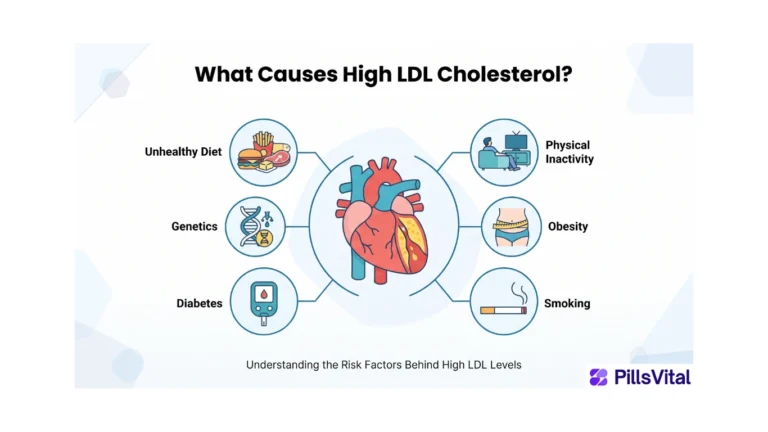
High LDL (low-density lipoprotein) cholesterol develops when your body produces too much LDL, removes too little of it from the bloodstream, or both. Over time, excess LDL can build up inside artery walls, forming plaque that narrows blood vessels and increases the risk of heart disease and stroke. While genetics play a role for some people, lifestyle habits are the most common causes of elevated LDL cholesterol. Excess body weight is a major contributor to unhealthy cholesterol levels, and obesity increases the risk of chronic diseases such as heart disease and type 2 diabetes.
High LDL Cholesterol is one of several chronic conditions that can quietly damage your health over time. Learn how these conditions develop in our What Are Chronic Diseases? Types, Causes, Symptoms & Prevention article.
1. Unhealthy Diet
Your daily food choices have a major impact on LDL cholesterol levels. Diets high in saturated fats, trans fats, and refined carbohydrates can increase LDL while reducing your body’s ability to remove excess cholesterol from the bloodstream.
Foods that commonly raise LDL cholesterol include:
- Fried foods (French fries, fried chicken)
- Fast food meals
- Processed meats such as bacon, sausage, and salami
- Butter and ghee in excess
- Full-fat dairy products like whole milk, cheese, and cream
- Commercial baked goods containing trans fats
- Packaged snacks and pastries
- Foods high in added sugars and refined flour
These foods contribute to cholesterol buildup in the arteries, especially when eaten regularly. Replacing them with fiber-rich foods, lean proteins, whole grains, fruits, vegetables, nuts, and healthy fats such as olive oil can help lower LDL levels and support heart health.
The National Heart, Lung, and Blood Institute recommends limiting saturated and trans fats to help reduce LDL cholesterol.
2. Lack of Physical Activity
Regular exercise helps maintain a healthy balance between LDL and HDL cholesterol. A sedentary lifestyle slows down the body’s ability to process fats efficiently, often leading to higher LDL cholesterol and lower HDL (“good”) cholesterol.
Physical inactivity can:
- Increase LDL cholesterol
- Lower protective HDL cholesterol
- Promote weight gain
- Increase triglyceride levels
- Reduce overall cardiovascular fitness
Health experts recommend at least 150 minutes of moderate-intensity aerobic exercise each week, such as brisk walking, cycling, swimming, or dancing. Even simple activities like taking the stairs or walking after meals can improve cholesterol levels over time.
3. Obesity and Excess Body Weight
Being overweight or obese is strongly associated with unhealthy cholesterol levels. Excess body fat, particularly around the abdomen, affects the way the liver processes cholesterol and fats.
Obesity can lead to:
- Higher LDL cholesterol
- Lower HDL cholesterol
- Increased triglycerides
- Greater insulin resistance
- Chronic inflammation that damages blood vessels
Losing just 5–10% of your body weight can significantly improve your lipid profile and reduce your risk of heart disease.
4. Smoking
Smoking damages the inner lining of blood vessels, making it easier for LDL cholesterol to stick to artery walls and form plaque. It also lowers HDL cholesterol, reducing the body’s ability to remove excess cholesterol from the bloodstream.
Smoking contributes to:
- Higher risk of artery blockage
- Faster plaque buildup (atherosclerosis)
- Reduced oxygen supply to the heart
- Increased inflammation and blood clot formation
- Higher risk of heart attack and stroke
Quitting smoking begins to improve blood vessel function within weeks, and HDL cholesterol often increases over time after smoking cessation.
5. Diabetes and Insulin Resistance
People with type 2 diabetes or insulin resistance often have an unhealthy pattern of blood fats known as diabetic dyslipidemia. High blood sugar affects how the liver produces and clears cholesterol, resulting in more harmful LDL particles.
Diabetes can cause:
- Increased LDL cholesterol
- Lower HDL cholesterol
- Higher triglycerides
- Smaller, denser LDL particles that are more likely to clog arteries
- Greater risk of cardiovascular disease
Keeping blood sugar under control through healthy eating, regular exercise, and prescribed medications can help improve cholesterol levels and reduce cardiovascular complications.
The National Institute of Diabetes and Digestive and Kidney Diseases (NIDDK) explains that managing diabetes is an important part of improving cholesterol levels and reducing cardiovascular complications.
6. Genetics (Familial Hypercholesterolemia)
Some people inherit genes that prevent their bodies from removing LDL cholesterol efficiently. This condition is called familial hypercholesterolemia (FH) and can cause very high LDL cholesterol from childhood, even in people who eat a healthy diet and exercise regularly.
Signs that may suggest FH include:
- LDL cholesterol levels above 190 mg/dL in adults
- A family history of early heart disease or heart attacks
- High cholesterol in multiple close relatives
- Cholesterol deposits around the eyes, elbows, knees, or Achilles tendon (in some cases)
People with familial hypercholesterolemia often require cholesterol-lowering medications in addition to lifestyle changes to reduce their cardiovascular risk.
The Family Heart Foundation provides detailed information about familial hypercholesterolemia and why early diagnosis is essential.
7. Age and Hormonal Changes
As people age, cholesterol metabolism naturally changes. LDL cholesterol tends to rise with age, especially after menopause in women due to declining estrogen levels.
Age-related factors include:
- Reduced liver efficiency in removing LDL
- Hormonal changes after menopause
- Decreased physical activity
- Gradual weight gain
Routine cholesterol screening becomes increasingly important as you get older.
8. Certain Medical Conditions
Several health conditions can contribute to elevated LDL cholesterol by affecting the body’s metabolism or liver function.
These include:
- Hypothyroidism (underactive thyroid)
- Chronic kidney disease
- Liver disorders
- Polycystic ovary syndrome (PCOS)
- Cushing syndrome
Treating the underlying condition often helps improve cholesterol levels.
9. Certain Medications
Some medications may increase LDL cholesterol as a side effect. Examples include:
- Certain diuretics
- Some beta-blockers
- Corticosteroids
- Immunosuppressant drugs
- Certain HIV medications
- Retinoids used for severe acne
Never stop taking a prescribed medication without consulting your healthcare provider. If cholesterol levels increase after starting a medication, your doctor may recommend alternative treatments or cholesterol-lowering therapy.
What Causes Low HDL?
Low HDL may result from:
- Smoking
- Obesity
- Sedentary lifestyle
- High carbohydrate intake
- Type 2 diabetes
- Certain medications
What Causes High Triglycerides?
Common causes include:
- Excess sugar intake
- Alcohol
- Obesity
- Diabetes
- Kidney disease
- Hypothyroidism
- Physical inactivity
- Excess calories
High triglycerides frequently occur alongside Type 2 diabetes, making blood sugar management an important part of protecting heart health.
Symptoms of High Cholesterol
High cholesterol usually has no symptoms.
Many people discover abnormal cholesterol only after:
- Routine blood work
- Heart attack
- Stroke
- Chest pain evaluation
Because cholesterol is often silent, regular screening is essential.
Who Should Get a Lipid Profile?
Doctors recommend cholesterol screening for:
- Adults aged 20 and older
- People with diabetes
- Individuals with high blood pressure
- Smokers
- Overweight adults
- Family history of heart disease
- Existing cardiovascular disease
Higher-risk individuals may need testing every year.
How to Improve Your Lipid Profile Naturally
Eat More Soluble Fiber
Foods include:
- Oats
- Apples
- Beans
- Lentils
- Psyllium
- Barley
Fiber helps lower LDL cholesterol.
Choose Healthy Fats
Replace saturated fats with:
- Olive oil
- Avocados
- Nuts
- Seeds
- Fatty fish
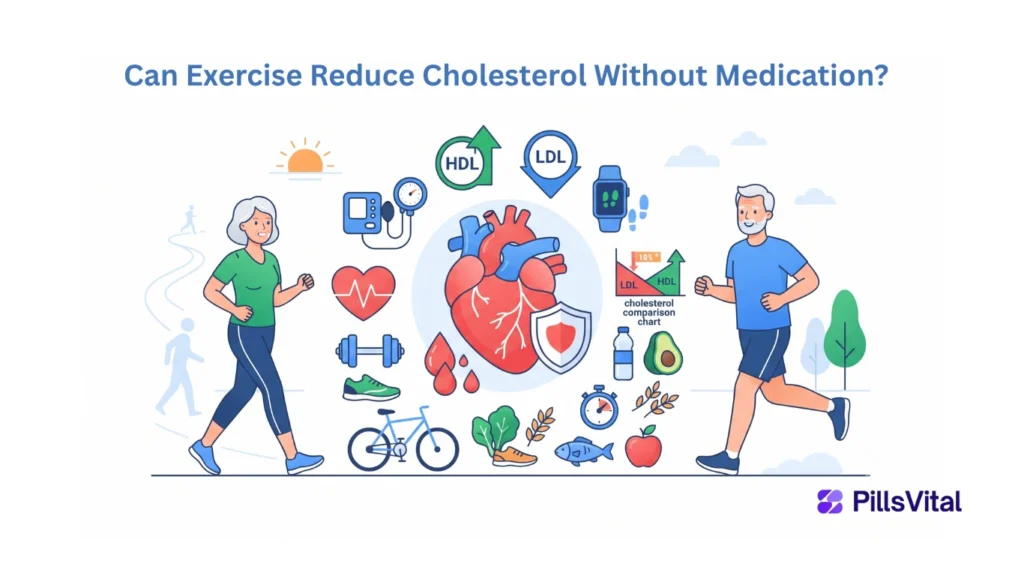
Exercise Regularly
Aim for:
- 150 minutes of moderate exercise weekly
Exercise:
- Raises HDL
- Lowers triglycerides
- Supports weight loss
The Centers for Disease Control and Prevention (CDC) recommends regular physical activity to improve cholesterol levels and lower heart disease risk.
Regular exercise and chronic disease management strategies can improve cholesterol levels while reducing the risk of several long-term health conditions.
Maintain a Healthy Weight
Even losing 5–10% of body weight can improve cholesterol.
Quit Smoking
Smoking lowers HDL and accelerates plaque formation.
Stopping smoking begins improving cardiovascular health almost immediately.
Limit Added Sugar
High sugar intake significantly raises triglycerides.
Reduce:
- Soft drinks
- Candy
- Desserts
- Sweetened beverages
Reduce Alcohol
Alcohol can dramatically increase triglycerides.
People with high triglycerides may benefit from avoiding alcohol entirely.
Foods That Improve Cholesterol
Choose foods such as:
- Oats
- Salmon
- Sardines
- Almonds
- Walnuts
- Avocados
- Olive oil
- Beans
- Chickpeas
- Apples
- Berries
- Flaxseed
- Chia seeds
- Green vegetables
When Are Cholesterol Medications Needed?
Lifestyle changes remain the first step, but medications may be recommended if:
- LDL remains very high
- Heart disease is already present
- Diabetes increases cardiovascular risk
- Familial hypercholesterolemia is diagnosed
- Lifestyle changes alone are insufficient
Common medications include statins, ezetimibe, PCSK9 inhibitors, and others based on individual risk.
❓ FAQs
Is HDL always good?
Generally yes, but extremely high HDL does not always provide additional protection. Doctors interpret HDL alongside your overall cardiovascular risk.
Can triglycerides be high while cholesterol is normal?
Yes. Excess sugar, alcohol, obesity, and diabetes can raise triglycerides even when total cholesterol appears normal.
Can exercise improve cholesterol?
Yes. Regular exercise raises HDL, lowers triglycerides, and may modestly reduce LDL.
Does losing weight improve LDL?
Yes. Weight loss often lowers LDL and triglycerides while increasing HDL.
Is fasting necessary before a lipid profile?
Many routine cholesterol tests no longer require fasting, although fasting may still be recommended when triglycerides are being evaluated or in specific clinical situations.
Conclusion
Your lipid profile is much more than a single cholesterol number. LDL, HDL, and triglycerides each play different roles in your cardiovascular health. Understanding the early warning signs of chronic diseases can help you identify health problems sooner and seek appropriate medical care before complications develop.
Understanding these values helps you identify risk early and make informed lifestyle changes. A balanced diet, regular exercise, maintaining a healthy weight, and routine cholesterol screening can significantly reduce the risk of heart disease and stroke.
If your cholesterol levels are abnormal, work with your healthcare provider to develop a treatment plan that fits your overall health and risk factors
Related Health Resources
-
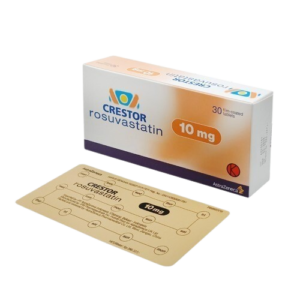
Rosuvastatin 10mg (Crestor) Tablets
$398.00 – $788.00Price range: $398.00 through $788.00 This product has multiple variants. The options may be chosen on the product page -
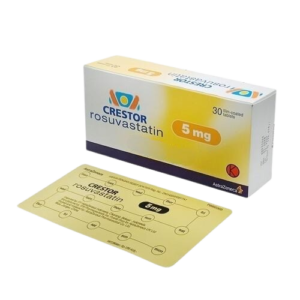
Rosuvastatin 5mg (Crestor) Tablets
$78.00 – $150.00Price range: $78.00 through $150.00 This product has multiple variants. The options may be chosen on the product page
❤️ Related Guides


Dr. Emily Carter specializes in evidence-based health education and wellness content. She focuses on simplifying complex medical topics related to cancer awareness, nutrition, preventive healthcare, skincare, and lifestyle wellness for readers worldwide.
This content is reviewed for medical accuracy, clarity, and alignment with current public health research. The article is intended for educational and informational purposes only and should not replace professional medical advice, diagnosis, or treatment.