
Can Thyroid Disease Cause Weight Gain? Causes, Symptoms & Proven Ways to Manage It
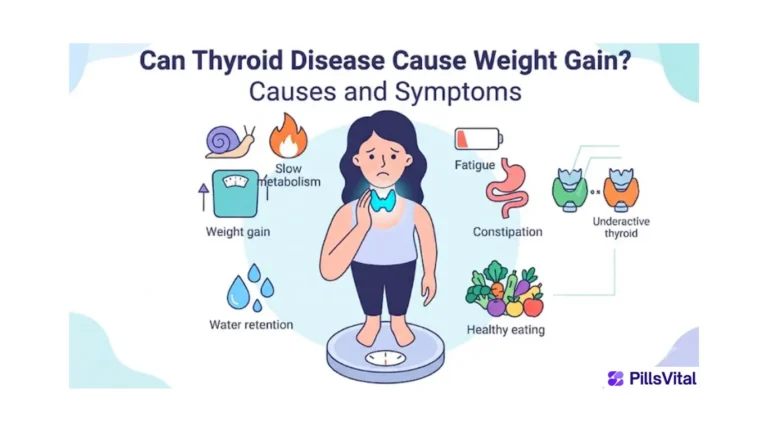
Many people struggle with unexplained weight gain despite eating well and exercising regularly. One possible reason is a thyroid disorder. The thyroid gland plays a major role in regulating metabolism, energy production, and how efficiently your body burns calories.
When the thyroid doesn’t produce enough hormones, your metabolism slows down, making weight gain easier and weight loss much more difficult.
In this guide, you’ll learn:
- Whether thyroid disease really causes weight gain
- Why metabolism slows down
- Symptoms to watch for
- Which thyroid disorders affect body weight
- Best diet and lifestyle tips
- Treatment options
- Frequently asked questions
According to the American Thyroid Association, thyroid hormones play a vital role in regulating metabolism, energy production, and many essential body functions.
What Is the Thyroid?
The thyroid is a butterfly-shaped gland located at the front of your neck. It produces two essential hormones:
- Thyroxine (T4)
- Triiodothyronine (T3)
These hormones help regulate:
- Metabolism
- Body temperature
- Heart rate
- Digestion
- Energy production
- Fat burning
- Muscle function
If hormone production decreases, nearly every system in the body slows down.
Can Thyroid Disease Really Cause Weight Gain?
Yes—but usually hypothyroidism (underactive thyroid) is responsible.
When thyroid hormone levels drop:
- Metabolism slows
- Fewer calories are burned
- Fat storage increases
- Water retention develops
- Physical activity often decreases because of fatigue
The result is gradual weight gain.
Most people gain 5–10 pounds (2–5 kg) from untreated hypothyroidism, although some gain more if the condition remains untreated for a long time.
Hyperthyroidism, on the other hand, usually causes weight loss.
Why Does an Underactive Thyroid Cause Weight Gain?
Weight gain is one of the most common symptoms of hypothyroidism (underactive thyroid). The thyroid gland produces hormones that regulate your metabolism—the process by which your body converts food into energy. When thyroid hormone levels are too low, many body functions slow down, making it easier to gain weight and more difficult to lose it.
Weight gain associated with hypothyroidism is usually caused by a combination of slower metabolism, fluid retention, reduced physical activity, digestive changes, and hormonal effects on appetite, rather than simply eating more.
For more information about thyroid function tests and diagnosis, visit the National Institute of Diabetes and Digestive and Kidney Diseases (NIDDK).
1. Slower Metabolism
The thyroid hormones triiodothyronine (T3) and thyroxine (T4) play a key role in determining how many calories your body burns at rest. They help regulate your basal metabolic rate (BMR), which is the amount of energy your body needs to maintain essential functions such as breathing, circulation, and body temperature.
When thyroid hormone levels fall, your metabolism slows down. As a result, your body uses fewer calories throughout the day, even when you’re not physically active. This means that if you continue eating the same amount of food as before, you’re more likely to gain weight because your body is burning less energy.
A slower metabolism can lead to:
- Burning fewer calories while resting
- Reduced energy expenditure during daily activities
- Increased storage of excess calories as body fat
- Greater difficulty losing weight despite healthy eating and exercise
- Lower body temperature, making you feel cold more often
For many people, this metabolic slowdown is one of the biggest reasons why weight management becomes challenging.
2. Water Retention
Not all weight gained with hypothyroidism is body fat. A significant portion can be due to fluid retention, also known as edema. Low thyroid hormone levels can cause changes in the body’s ability to regulate fluids, allowing water to accumulate in tissues.
This retained fluid often causes noticeable swelling and can make you feel heavier even if your body fat hasn’t changed significantly.
Common signs of water retention include:
- Puffy face, especially around the eyes
- Swollen hands and fingers
- Enlarged ankles or feet
- Tight-fitting rings or shoes
- Feeling bloated
- Clothes becoming tighter without major dietary changes
Many people notice that some of this extra weight decreases after starting appropriate thyroid hormone replacement therapy, as excess fluid gradually leaves the body.
3. Fatigue Reduces Physical Activity
Persistent fatigue is one of the hallmark symptoms of hypothyroidism. Since thyroid hormones help produce energy within the body’s cells, low hormone levels often leave people feeling physically and mentally exhausted.
When you’re constantly tired, it’s natural to become less active. You may skip workouts, spend more time sitting, or avoid activities you previously enjoyed. Over time, this reduction in physical activity means fewer calories are burned each day, contributing to gradual weight gain.
People with hypothyroidism may experience:
- Constant tiredness despite getting enough sleep
- Muscle weakness
- Low motivation to exercise
- Reduced stamina during physical activity
- Slower recovery after exercise
- Increased need for rest throughout the day
Even small decreases in daily movement can affect long-term weight management.
4. Digestive System Slows Down
Thyroid hormones also help regulate the digestive system. When hormone levels are low, the muscles of the intestines contract more slowly, causing food and waste to move through the digestive tract at a reduced pace.
This slower digestion commonly leads to constipation and bloating.
Symptoms may include:
- Constipation
- Abdominal discomfort
- Bloating
- Feeling full quickly
- Reduced bowel movement frequency
Although constipation doesn’t increase body fat, it can temporarily raise body weight because waste remains in the intestines longer than usual. Many people also feel heavier and more uncomfortable due to bloating.
Improving thyroid hormone levels often helps restore normal digestive function.
5. Changes in Appetite and Food Cravings
Hypothyroidism affects several hormones involved in hunger, fullness, and energy balance. While not everyone experiences increased appetite, some people notice stronger cravings, especially for foods that provide quick energy.
Common cravings include:
- Sugary foods
- Chocolate
- Bread
- Pasta
- Rice
- Refined carbohydrates
- High-calorie comfort foods
At the same time, a slower metabolism means your body requires fewer calories. This combination of increased cravings and reduced calorie burning can make weight gain more likely if dietary habits don’t change.
Some people also eat more in response to fatigue or low mood, both of which are common symptoms of hypothyroidism.
6. Hormonal Changes Affect Fat Storage
An underactive thyroid doesn’t just slow calorie burning—it also influences how the body stores fat. Lower thyroid hormone levels can alter the balance of hormones involved in metabolism, making it easier for excess calories to be stored rather than used for energy.
This may lead to:
- Increased body fat percentage
- More fat accumulation around the abdomen
- Slower breakdown of stored fat
- Reduced muscle mass over time due to inactivity
These hormonal changes make losing weight more challenging until thyroid hormone levels are properly treated.
7. Reduced Muscle Mass Lowers Calorie Burning
Muscle tissue burns more calories than fat tissue, even when you’re at rest. Because hypothyroidism can reduce physical activity and muscle strength, some people gradually lose muscle mass over time.
With less muscle, the body burns fewer calories each day, further slowing metabolism and making weight management more difficult.
Strength training and adequate protein intake can help preserve muscle once thyroid hormone levels are under control.
Which Thyroid Diseases Cause Weight Gain?
Hypothyroidism
This is the most common cause.
Symptoms include:
- Weight gain
- Cold intolerance
- Fatigue
- Dry skin
- Hair thinning
- Depression
- Constipation
- Puffy face
Hashimoto's Thyroiditis
Hashimoto’s disease is an autoimmune condition where the immune system attacks the thyroid gland.
Over time it causes hypothyroidism, making weight gain common.
Thyroid Removal Surgery
People who have had part or all of their thyroid removed may develop hypothyroidism unless they receive appropriate thyroid hormone replacement.
Can Hyperthyroidism Cause Weight Gain?
Usually, hyperthyroidism causes weight loss because metabolism speeds up.
However, weight gain may occur:
- After treatment
- During recovery
- When thyroid levels return to normal
- If calorie intake remains high
Still unsure whether you have an underactive or overactive thyroid? Compare the symptoms, causes, and treatments in our guide Hypothyroidism vs Hyperthyroidism: What’s the Difference?
How Much Weight Can Thyroid Disease Cause?
Weight gain varies depending on:
- Hormone levels
- Age
- Activity level
- Diet
- Duration of untreated disease
Average weight gain:
| Severity | Typical Weight Gain |
|---|---|
| Mild | 2–5 lbs |
| Moderate | 5–10 lbs |
| Severe untreated | 10–20+ lbs |
Much of the early weight increase is water retention rather than body fat.
Symptoms That Suggest Weight Gain Is Related to Thyroid Disease
You should consider thyroid testing if weight gain occurs alongside:
- Extreme fatigue
- Feeling cold all the time
- Dry skin
- Hair loss
- Puffy face
- Depression
- Memory problems
- Slow heart rate
- Hoarse voice
- Constipation
- Irregular menstrual cycles
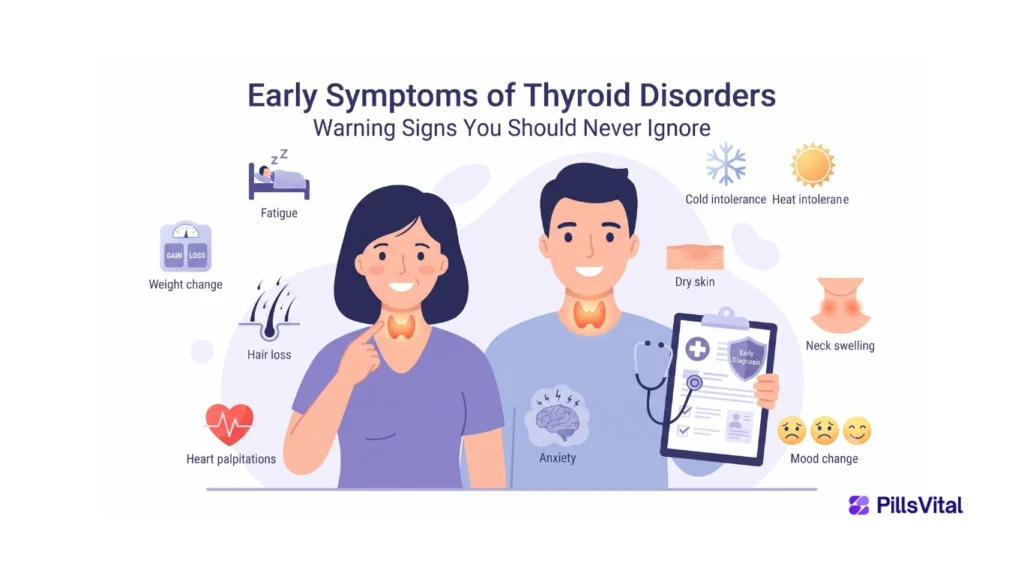
Many people overlook the early warning signs of hypothyroidism. Read our detailed guide on Early Symptoms of Thyroid Disorders You Should Never Ignore to learn when it’s time to seek medical advice.
How Is Thyroid Disease Diagnosed?
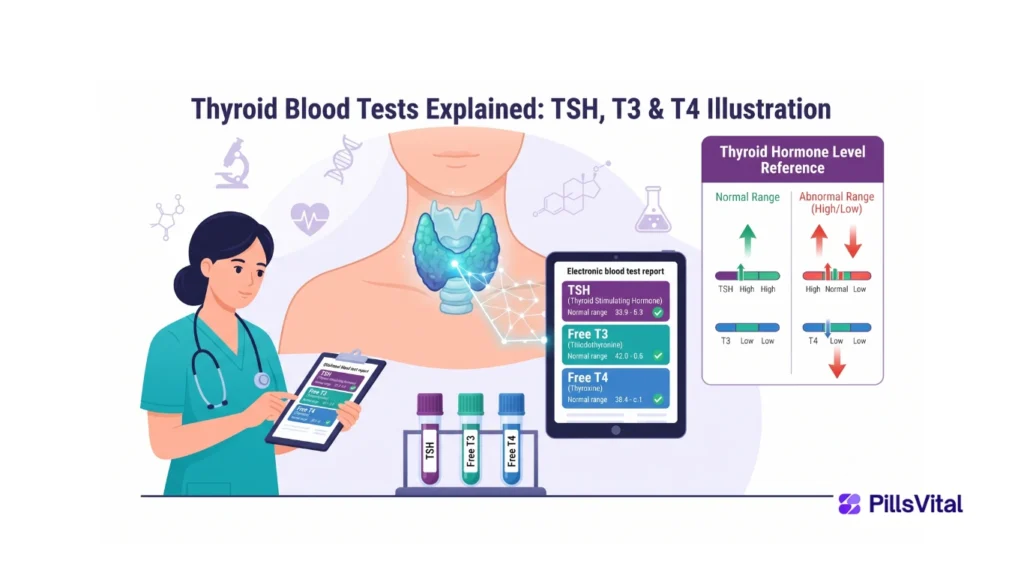
Doctors usually order:
- TSH (Thyroid Stimulating Hormone)
- Free T4
- Free T3 (sometimes)
- Thyroid antibody tests
- Ultrasound (if nodules are suspected)
These tests help determine whether the thyroid is underactive or overactive.
Can You Lose Weight After Treating Hypothyroidism?
Yes—but treatment alone is not a weight-loss medication.
Once thyroid hormone levels return to normal:
- Metabolism improves
- Water retention decreases
- Energy levels increase
- Exercise becomes easier
Many people lose some weight naturally, but long-term weight management still requires healthy eating and regular physical activity.
Best Diet for Thyroid-Related Weight Gain
Choose nutrient-rich foods that support overall health.
Eat More
- Lean protein
- Fish
- Eggs
- Vegetables
- Fruits
- Whole grains
- Beans
- Greek yogurt
- Healthy fats
- Nuts and seeds
Limit
- Sugary drinks
- Fried foods
- Ultra-processed snacks
- Excess refined carbohydrates
- Alcohol
Important Nutrients
Include adequate amounts of:
- Iodine (avoid excessive intake unless advised by a doctor)
- Selenium
- Zinc
- Iron
- Vitamin D
These nutrients support normal thyroid function, though supplements should only be used if recommended by a healthcare professional.
The Academy of Nutrition and Dietetics provides evidence-based nutrition recommendations that can support overall health and healthy weight management.
Exercise Tips for People With Hypothyroidism
Exercise improves metabolism and helps preserve muscle mass.
Aim for:
- Walking
- Cycling
- Swimming
- Strength training
- Yoga
- Stretching
Regular physical activity benefits more than your thyroid—it also supports healthy blood sugar levels. Learn more in our guide How Exercise Helps Control Blood Sugar Naturally.
Can Weight Loss Medications Help?
Weight-loss medications are not a treatment for thyroid disease.
They may be appropriate for some individuals with obesity after thyroid hormone levels have been corrected and after evaluation by a healthcare provider.
Never use weight-loss medications without medical supervision.
Start slowly if fatigue is severe. Exercise is just one part of successful weight management. Read our Common Weight Loss Mistakes That Slow Results for practical, science-backed strategies to lose weight safely.
If you’re considering medical options for obesity management, read our guide Medical Weight Loss Explained to understand the available treatments and who may benefit from them.
When Should You See a Doctor?
Seek medical evaluation if you have:
- Unexplained weight gain
- Persistent fatigue
- Hair loss
- Swelling of the neck
- Depression
- Constipation
- Family history of thyroid disease
- Difficulty losing weight despite healthy habits
Early diagnosis helps prevent long-term complications
Prevention Tips
While autoimmune thyroid disease cannot always be prevented, you can support overall thyroid health by:
- Eating a balanced diet
- Maintaining a healthy weight
- Exercising regularly
- Getting enough sleep
- Managing stress
- Avoiding smoking
- Having thyroid function checked if you have symptoms or a family history
❓ FAQs
Does everyone with hypothyroidism gain weight?
No. Some people experience only mild weight changes, while others notice more significant gain depending on how severe and long-lasting the hormone deficiency is.
Is thyroid weight gain mostly fat?
Not always. Early weight gain often results from water retention rather than increased body fat.
Can thyroid medication help lose weight?
Thyroid hormone replacement can improve metabolism and reduce fluid retention in people with hypothyroidism, but it is not prescribed as a weight-loss medication.
Can thyroid disease make weight loss difficult?
Yes. Untreated hypothyroidism slows metabolism, making it harder to lose weight until hormone levels are properly managed.
Is sudden weight gain always caused by thyroid disease?
No. Weight gain can result from many factors, including diet, reduced physical activity, certain medications, hormonal changes, and other medical conditions. A healthcare provider can determine the underlying cause.
Conclusion
For additional information about hypothyroidism, including symptoms, causes, diagnosis, and treatment options, visit the Mayo Clinic’s thyroid health resource.
Thyroid disease can contribute to weight gain, especially when the thyroid is underactive. The combination of a slower metabolism, fluid retention, fatigue, and hormonal imbalance can make maintaining a healthy weight more challenging. The good news is that appropriate treatment, combined with nutritious eating, regular exercise, and healthy lifestyle habits, can improve thyroid function and support long-term weight management.
Related Health Resources
-
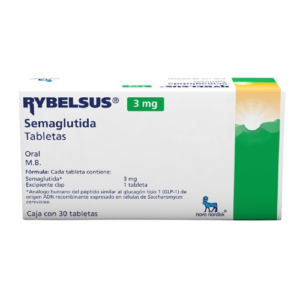
Semaglutide 3mg (Rybelsus) Tablets
$275.00 – $800.00Price range: $275.00 through $800.00 This product has multiple variants. The options may be chosen on the product page -
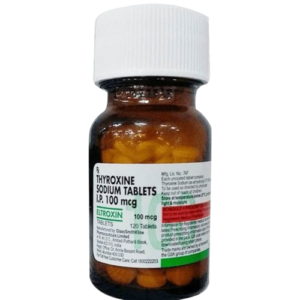
Thyroxine 100mcg (Eltroxin) Tablets
$38.00 – $110.00Price range: $38.00 through $110.00 This product has multiple variants. The options may be chosen on the product page -
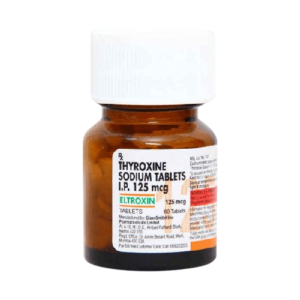
Thyroxine 125mcg (Eltroxin) Tablets
$40.00 – $112.00Price range: $40.00 through $112.00 This product has multiple variants. The options may be chosen on the product page -
Thyroxine 88mcg (Eltroxin) Tablets
$38.00 – $110.00Price range: $38.00 through $110.00 This product has multiple variants. The options may be chosen on the product page
🩺 Related Guides


Dr. Emily Carter specializes in evidence-based health education and wellness content. She focuses on simplifying complex medical topics related to cancer awareness, nutrition, preventive healthcare, skincare, and lifestyle wellness for readers worldwide.
This content is reviewed for medical accuracy, clarity, and alignment with current public health research. The article is intended for educational and informational purposes only and should not replace professional medical advice, diagnosis, or treatment.