
What Is Type 2 Diabetes? Symptoms, Causes, Diagnosis, Treatment & Prevention
Written By: PillsVital Health Editorial Team
Last Updated: August 2026
Medical Review: August 2026
Introduction
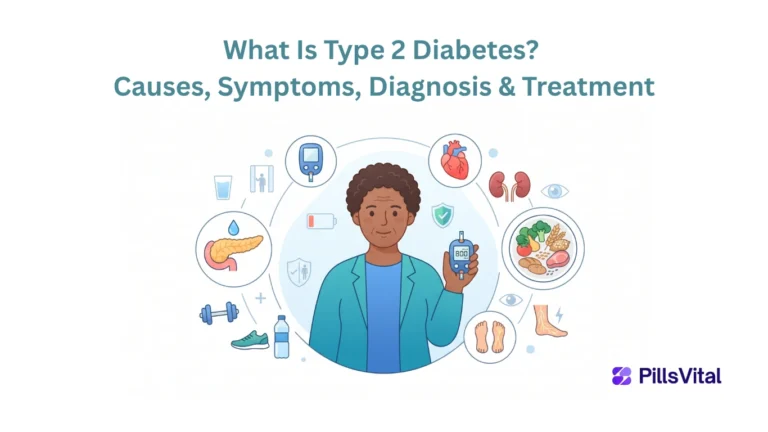
Type 2 diabetes is one of the fastest-growing chronic diseases worldwide, affecting hundreds of millions of adults across every age group. It develops gradually when the body becomes resistant to insulin or cannot produce enough insulin to maintain healthy blood sugar levels. Unlike Type 1 diabetes, which is an autoimmune condition, Type 2 diabetes is strongly associated with lifestyle factors, genetics, aging, and metabolic health.
The condition often progresses silently for years. Many people experience mild symptoms—or none at all—before receiving a diagnosis during a routine blood test. Left untreated, persistently high blood sugar can damage blood vessels, nerves, kidneys, eyes, and the heart, increasing the risk of serious complications such as heart attack, stroke, kidney failure, and vision loss.
The encouraging news is that Type 2 diabetes can often be managed effectively through healthy eating, regular physical activity, weight management, medications when needed, and ongoing monitoring. Early diagnosis and consistent treatment significantly reduce the likelihood of long-term complications.
Type 2 diabetes is one of the most common chronic diseases, making early awareness and long-term management essential for protecting overall health.
What Is Type 2 Diabetes?
Type 2 diabetes is a chronic metabolic disorder in which the body cannot effectively regulate blood glucose (blood sugar). Under normal conditions, the pancreas releases insulin, a hormone that allows glucose from food to enter cells and be used as energy. In Type 2 diabetes, this process becomes impaired because body tissues become resistant to insulin or the pancreas cannot produce enough insulin to meet the body’s needs.
As insulin resistance increases, glucose remains in the bloodstream instead of entering the cells efficiently. The pancreas initially compensates by producing more insulin, but over time the insulin-producing beta cells become less effective. This gradual decline results in persistently elevated blood sugar levels, known as hyperglycemia.
Unlike Type 1 diabetes, people with Type 2 diabetes usually continue producing some insulin, especially during the early stages of the disease. However, the available insulin is insufficient to overcome insulin resistance.
Type 2 diabetes typically develops slowly over several years, often beginning with prediabetes—a condition where blood sugar levels are higher than normal but not yet high enough for a diabetes diagnosis.
According to the World Health Organization, diabetes remains one of the leading chronic diseases affecting adults worldwide.
How Insulin Normally Works
After eating carbohydrates, digestion breaks them down into glucose, which enters the bloodstream. Rising blood sugar signals the pancreas to release insulin.
Insulin helps glucose move into muscle, liver, and fat cells, where it is used for energy or stored for future use. This process keeps blood sugar levels within a healthy range.
In Type 2 diabetes, cells respond less effectively to insulin, causing glucose to accumulate in the bloodstream. The pancreas works harder to compensate, but eventually cannot keep pace with the body’s increasing demand.
How Type 2 Diabetes Develops
The progression of Type 2 diabetes usually occurs gradually in several stages.
Insulin Resistance
Body cells respond poorly to insulin.
More Insulin
The pancreas makes extra insulin.
Prediabetes
Blood sugar rises above normal.
Type 2 Diabetes
The pancreas can’t keep up.
Complications
High blood sugar damages organs over time.
Type 2 Diabetes vs Type 1 Diabetes
| Feature | Type 2 Diabetes | Type 1 Diabetes |
|---|---|---|
| Cause | Insulin resistance | Autoimmune destruction of insulin-producing cells |
| Age | Usually adults, increasingly younger people | Usually children and young adults |
| Insulin Production | Reduced but often still present | Very little or none |
| Lifestyle Influence | Significant | Minimal |
| Prevention | Often partially preventable | Currently not preventable |
| Treatment | Lifestyle, oral medications, injectable medicines, sometimes insulin | Lifelong insulin therapy |
How Common Is Type 2 Diabetes?
Type 2 diabetes accounts for approximately 90–95% of all diabetes cases worldwide. Its prevalence has increased rapidly over recent decades due to changes in diet, reduced physical activity, rising obesity rates, and aging populations.
According to international health organizations, millions of adults remain undiagnosed because symptoms often develop gradually. Early screening is especially important for individuals with obesity, a family history of diabetes, high blood pressure, or a history of gestational diabetes.
Global Trends
- More adults are being diagnosed before the age of 40.
- Childhood obesity has contributed to increasing cases among adolescents.
- Urbanization and sedentary lifestyles continue to drive higher incidence rates.
- Earlier diagnosis and better treatment have improved long-term outcomes when the condition is managed effectively.
Why Early Diagnosis Matters
Many people live with elevated blood sugar for years before receiving a diagnosis. During this time, damage to blood vessels and organs may already be occurring, even in the absence of noticeable symptoms.
Early diagnosis allows healthcare providers to recommend lifestyle changes, monitor blood sugar levels, and begin treatment before serious complications develop. Studies consistently show that maintaining healthy blood sugar reduces the risk of kidney disease, vision loss, nerve damage, and cardiovascular disease.
Recognizing the early warning signs of chronic diseases can help people seek medical care before diabetes and other long-term conditions cause irreversible complications.
The Centers for Disease Control and Prevention recommends regular diabetes screening for adults with risk factors such as overweight, obesity, or a family history of diabetes.
What Causes Type 2 Diabetes?
Type 2 diabetes develops as a result of several biological, genetic, and lifestyle factors working together over time. Unlike an infectious disease caused by a single pathogen, Type 2 diabetes usually arises gradually as the body’s ability to regulate blood sugar declines.
The two primary mechanisms responsible for the condition are:
- Insulin resistance, where the body’s cells no longer respond efficiently to insulin.
- Reduced insulin production, where the pancreas can no longer produce enough insulin to meet the body’s needs.
In most people, insulin resistance develops first. To compensate, the pancreas releases more insulin. Over months or years, this increased workload can strain the insulin-producing beta cells, leading to a decline in insulin production and persistently elevated blood sugar levels.
Type 2 diabetes is influenced by both inherited and modifiable risk factors. While genetics cannot be changed, healthy lifestyle choices can significantly lower the risk of developing the disease or delay its progression.
The National Institute of Diabetes and Digestive and Kidney Diseases (NIDDK) explains that insulin resistance and declining insulin production are the primary biological mechanisms behind Type 2 diabetes.
The Main Causes of Type 2 Diabetes
1. Insulin Resistance
Insulin resistance is the hallmark of Type 2 diabetes. It occurs when muscle, liver, and fat cells become less sensitive to insulin, making it harder for glucose to move from the bloodstream into the cells.
As insulin becomes less effective, the pancreas compensates by producing more insulin. Eventually, the pancreas may no longer keep up with the body’s increasing demand, allowing blood sugar levels to rise.
Common contributors to insulin resistance include:
- Excess body fat, particularly around the abdomen
- Physical inactivity
- Poor dietary habits
- Chronic inflammation
- Hormonal imbalances
- Genetic predisposition
2. Pancreatic Beta Cell Dysfunction
The pancreas contains specialized beta cells responsible for producing insulin.
Over time, these cells may become damaged or exhausted due to the increased demand created by insulin resistance. Once insulin production declines, blood glucose levels rise more rapidly, eventually leading to Type 2 diabetes.
Researchers believe this process begins years before diagnosis, making early intervention especially important.
3. Genetics and Family History
Family history plays a significant role in Type 2 diabetes risk.
If one or both parents have Type 2 diabetes, the likelihood of developing the condition increases. Scientists have identified numerous genes associated with insulin production, insulin sensitivity, and glucose metabolism.
However, genetics alone do not determine whether someone will develop diabetes. Lifestyle choices often influence whether inherited risk factors become clinically significant.
Although genetics cannot be changed, healthy habits can improve metabolic health, as discussed in our guide on Can Chronic Diseases Be Reversed?
Lifestyle Risk Factors
Lifestyle plays one of the biggest roles in the development of Type 2 diabetes.
Being Overweight or Obese
Excess body fat—especially abdominal fat—is closely associated with insulin resistance.
Fat tissue around internal organs releases inflammatory substances and hormones that interfere with insulin signaling. This means the body requires increasingly larger amounts of insulin to regulate blood sugar effectively.
Even modest weight loss can improve insulin sensitivity and reduce diabetes risk.
Physical Inactivity
Regular movement helps muscles use glucose more efficiently.
A sedentary lifestyle reduces insulin sensitivity and contributes to weight gain, making blood sugar control more difficult.
Experts generally recommend:
- Walking
- Cycling
- Swimming
- Resistance training
- Moderate aerobic exercise
for at least 150 minutes each week.
Unhealthy Diet
Diet has a major influence on blood sugar regulation.
Frequently consuming foods high in:
- Added sugars
- Refined carbohydrates
- Sugary beverages
- Highly processed snacks
- Saturated fats
may contribute to weight gain and insulin resistance over time.
On the other hand, diets rich in vegetables, legumes, whole grains, fruits, lean proteins, and healthy fats support better metabolic health.
Smoking
Smoking has been linked to an increased risk of insulin resistance, cardiovascular disease, and Type 2 diabetes.
Chemicals in tobacco may impair insulin function and promote chronic inflammation, both of which contribute to metabolic dysfunction.
Quitting smoking improves overall cardiovascular health and may lower future diabetes-related complications.
Poor Sleep
Sleep plays a surprisingly important role in blood sugar regulation.
People who consistently sleep too little or experience poor-quality sleep may develop increased insulin resistance and higher levels of stress hormones that affect glucose metabolism.
Sleep disorders such as obstructive sleep apnea are also commonly associated with Type 2 diabetes.
Chronic Stress
Long-term stress increases the release of cortisol and adrenaline.
These hormones raise blood sugar levels and may worsen insulin resistance when stress becomes persistent.
Managing stress through relaxation techniques, physical activity, adequate sleep, and social support may improve overall metabolic health.
Medical Risk Factors
Certain medical conditions increase the likelihood of developing Type 2 diabetes.
These include:
- Prediabetes
- High blood pressure
- High cholesterol
- Polycystic ovary syndrome (PCOS)
- History of gestational diabetes
- Cardiovascular disease
- Fatty liver disease
Healthcare providers often recommend earlier diabetes screening for individuals with these conditions.
Who Is Most at Risk?
Anyone can develop Type 2 diabetes, but risk increases among people who:
- Are over age 45
- Have obesity or overweight
- Have a parent or sibling with diabetes
- Have prediabetes
- Have high blood pressure
- Have elevated cholesterol
- Are physically inactive
- Previously had gestational diabetes
- Have PCOS
- Have cardiovascular disease
Having multiple risk factors further increases the likelihood of developing diabetes.
Can Type 2 Diabetes Be Prevented?
Although not every case can be prevented, research shows many people can substantially reduce their risk.
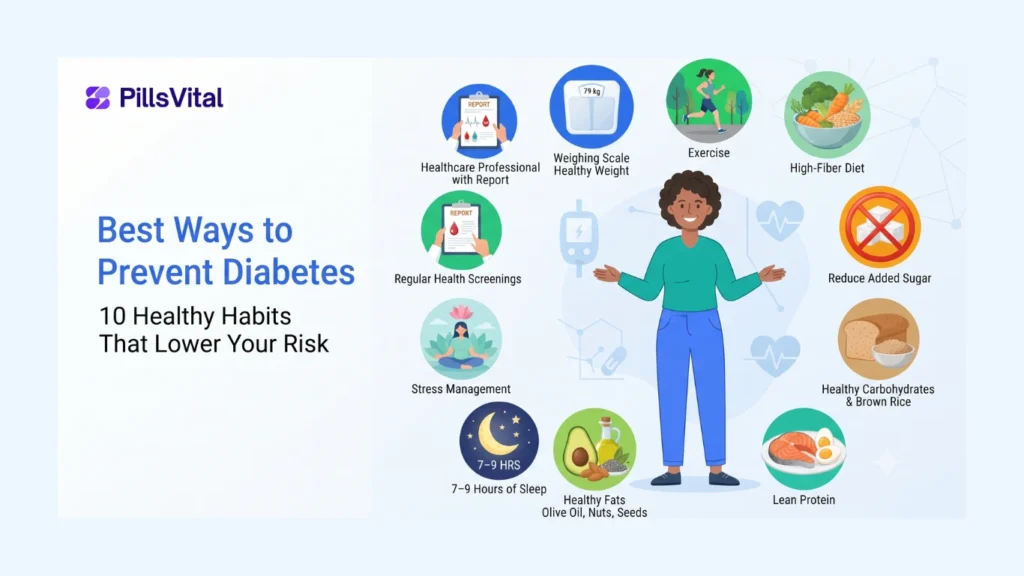
Preventive strategies include:
- Maintaining a healthy weight
- Exercising regularly
- Eating a balanced diet
- Avoiding tobacco
- Limiting sugary beverages
- Sleeping 7–9 hours per night
- Managing stress
- Attending routine health checkups
For individuals with prediabetes, early lifestyle changes may delay or even prevent progression to Type 2 diabetes.
The American Diabetes Association recommends maintaining a healthy weight, staying physically active, and eating a balanced diet to reduce the risk of Type 2 diabetes.
Myths About the Causes of Type 2 Diabetes
Myth: Eating sugar alone causes diabetes.
Fact: No single food causes Type 2 diabetes. Overall dietary patterns, body weight, genetics, and physical activity all contribute to risk.
Myth: Only overweight people develop Type 2 diabetes.
Fact: While obesity is a major risk factor, people with a healthy body weight can also develop Type 2 diabetes, particularly if they have a strong genetic predisposition or other medical conditions.
Myth: Type 2 diabetes only affects older adults.
Fact: Increasing rates of childhood obesity have led to more diagnoses among teenagers and young adults.
Symptoms & Early Warning Signs of Type 2 Diabetes
Type 2 diabetes often develops gradually, which is why many people live with the condition for months or even years before receiving a diagnosis. During the early stages, blood sugar levels may rise slowly enough that symptoms are mild, intermittent, or mistaken for normal aging, stress, or fatigue.
As blood glucose remains elevated over time, the body begins to lose its ability to use glucose efficiently for energy. Excess sugar also affects blood vessels, nerves, and organs, leading to a variety of symptoms that become more noticeable as the disease progresses.
Recognizing these warning signs early is essential because timely diagnosis and treatment can help prevent serious complications such as heart disease, kidney damage, nerve injury, and vision loss.
Why Symptoms Develop
Glucose is the body’s primary source of energy. In Type 2 diabetes, insulin resistance prevents glucose from entering cells efficiently, causing sugar to accumulate in the bloodstream.
When blood sugar stays high:
- The kidneys work harder to remove excess glucose through urine.
- Cells receive less energy despite abundant glucose in the blood.
- The body begins breaking down fat and muscle for energy.
- Blood vessels and nerves gradually sustain damage.
These changes explain why many symptoms appear slowly and worsen over time if blood sugar remains uncontrolled.
Early Warning Signs of Type 2 Diabetes
1. Frequent Urination (Polyuria)
One of the earliest and most common symptoms is needing to urinate more often than usual, particularly during the night.
When blood sugar rises above normal levels, the kidneys attempt to remove excess glucose by filtering it into the urine. This process draws additional water into the urine, increasing both the volume and frequency of urination.
People may notice:
- Waking several times at night to urinate
- Passing unusually large amounts of urine
- Increased urgency to use the bathroom
2. Excessive Thirst (Polydipsia)
Frequent urination causes the body to lose large amounts of water, leading to dehydration.
As a result, people often experience persistent thirst even after drinking plenty of fluids. This symptom commonly occurs alongside frequent urination.
3. Increased Hunger (Polyphagia)
Despite having high blood sugar levels, the body’s cells cannot efficiently absorb glucose for energy because of insulin resistance.
This leaves many people feeling hungry shortly after eating, as the brain interprets the lack of usable energy as starvation.
4. Fatigue and Low Energy
Persistent tiredness is one of the most overlooked symptoms of Type 2 diabetes.
Without enough glucose entering the cells, muscles and organs receive less energy. In addition, dehydration caused by frequent urination can further contribute to fatigue.
People may notice:
- Feeling exhausted throughout the day
- Reduced exercise tolerance
- Difficulty concentrating
- Lack of motivation
5. Blurred Vision
High blood sugar can temporarily change the shape of the eye’s lens by drawing fluid into or out of the surrounding tissues.
This may result in:
- Blurry vision
- Difficulty focusing
- Fluctuating eyesight
Although vision often improves when blood sugar is controlled, long-term diabetes can damage the retina and increase the risk of diabetic retinopathy. Long-term uncontrolled diabetes can also increase cardiovascular risk, which we discuss in our guide to Diabetes vs Heart Disease vs Hypertension: What’s the Difference?
6. Slow-Healing Cuts and Wounds
Persistently elevated blood sugar affects blood circulation and weakens immune function.
As a result, minor injuries may take significantly longer to heal, increasing the risk of infections.
People often notice:
- Cuts healing slowly
- Frequent skin infections
- Foot sores
- Recurring wounds
7. Frequent Infections
High blood sugar creates an environment where bacteria and fungi grow more easily.
Common infections include:
- Urinary tract infections
- Yeast infections
- Skin infections
- Gum infections
Recurring infections may be an early sign of previously undiagnosed diabetes.
8. Numbness or Tingling in the Hands and Feet
Long-term exposure to elevated blood sugar can damage peripheral nerves, leading to diabetic neuropathy.
Symptoms include:
- Tingling sensations
- Burning pain
- Numbness
- Reduced sensation
- Increased sensitivity to touch
These symptoms usually begin in the feet before affecting the hands.
9. Unexplained Weight Loss
Although more common in Type 1 diabetes, some people with Type 2 diabetes also lose weight unexpectedly.
When glucose cannot enter cells effectively, the body begins breaking down stored fat and muscle for energy.
Unintentional weight loss should always be evaluated by a healthcare professional.
10. Darkened Skin Patches (Acanthosis Nigricans)
Dark, velvety patches of skin—especially around the neck, armpits, elbows, or groin—can be an early indicator of insulin resistance.
These skin changes often appear years before diabetes is diagnosed.
Less Common Symptoms
Some people experience additional symptoms such as:
- Dry mouth
- Dry or itchy skin
- Irritability
- Headaches
- Difficulty concentrating
- Sexual dysfunction
- Reduced physical stamina
Because these symptoms are non-specific, they are frequently overlooked.
Symptoms That Require Immediate Medical Attention
Although Type 2 diabetes usually develops gradually, extremely high blood sugar can become a medical emergency.
Seek urgent medical care if symptoms include:
- Severe confusion
- Extreme weakness
- Difficulty breathing
- Persistent vomiting
- Severe dehydration
- Loss of consciousness
- Chest pain
- Sudden vision loss
These symptoms may indicate a serious complication requiring immediate treatment.
Symptoms in Men and Women
| Men | Women |
|---|---|
| Erectile dysfunction | Frequent yeast infections |
| Reduced libido | Recurrent urinary tract infections |
| Fatigue | Increased vaginal infections |
| Slow wound healing | Fatigue |
| Tingling in feet | Blurred vision |
Many symptoms are shared by both sexes, but certain complications occur more frequently in one group than the other.
Symptoms by Stage
| Stage | Common Symptoms |
|---|---|
| Prediabetes | Usually none |
| Early Type 2 Diabetes | Increased thirst, frequent urination, fatigue |
| Moderate Diabetes | Blurred vision, slow healing, increased hunger |
| Advanced Diabetes | Nerve damage, kidney disease, vision problems, foot ulcers |
When Should You See a Doctor?
You should schedule a medical evaluation if you experience:
- Frequent urination lasting several weeks
- Constant thirst
- Persistent fatigue
- Unexplained weight loss
- Recurrent infections
- Blurred vision
- Numbness in the hands or feet
- Slow-healing wounds
Early diagnosis allows treatment to begin before permanent organ damage develops.
Diagnosis & Medical Tests for Type 2 Diabetes
Diagnosing Type 2 diabetes involves more than checking a single blood sugar reading. Healthcare providers use a combination of medical history, physical examination, symptoms, risk factors, and laboratory tests to determine whether blood glucose levels are within a healthy range.
Because Type 2 diabetes often develops gradually, many people are diagnosed during routine health checkups rather than after experiencing obvious symptoms. Regular screening is especially important for individuals with obesity, high blood pressure, a family history of diabetes, or a history of gestational diabetes.
Early diagnosis allows treatment to begin before complications develop, reducing the risk of heart disease, kidney damage, nerve injury, and vision loss.
Why Early Diagnosis Matters
Many people live with elevated blood sugar for years without realizing it. During this time, damage to blood vessels and organs may already be occurring, even if symptoms are mild or absent.
Detecting diabetes early allows healthcare providers to recommend:
- Lifestyle modifications
- Blood sugar monitoring
- Weight management
- Medications when appropriate
- Regular follow-up appointments
- Screening for diabetes-related complications
Studies consistently show that maintaining blood glucose within target ranges significantly lowers the risk of long-term complications.
Who Should Be Screened for Type 2 Diabetes?
Healthcare professionals recommend diabetes screening for adults who have one or more risk factors, even if they feel healthy.
Screening is generally advised for people who:
- Are 35 years or older (or earlier if risk factors are present)
- Are overweight or obese
- Have a parent or sibling with diabetes
- Have high blood pressure
- Have abnormal cholesterol levels
- Have prediabetes
- Have a history of gestational diabetes
- Have polycystic ovary syndrome (PCOS)
- Have cardiovascular disease
- Live a physically inactive lifestyle
People with normal test results may still need periodic screening, especially if additional risk factors develop over time.
Medical Tests Used to Diagnose Type 2 Diabetes
Healthcare providers may use one or more of the following laboratory tests.
1. Hemoglobin A1C (HbA1c) Test
The Hemoglobin A1C test measures the average blood glucose level over the previous 2–3 months. Unlike a single blood sugar reading, it reflects long-term glucose control and does not usually require fasting.
Because it provides an overall picture of blood sugar management, HbA1c is one of the most commonly used tests for diagnosing and monitoring Type 2 diabetes.
HbA1c Results
| HbA1c Result | Interpretation |
|---|---|
| Below 5.7% | Normal |
| 5.7%–6.4% | Prediabetes |
| 6.5% or higher | Diabetes (confirmed with repeat testing if needed) |
Healthcare providers may repeat the test on another day to confirm the diagnosis unless blood sugar levels are clearly elevated and accompanied by classic symptoms.
2. Fasting Plasma Glucose (FPG) Test
The fasting plasma glucose test measures blood sugar after at least 8 hours without eating or drinking anything except water.
It is one of the simplest and most widely available tests for diagnosing diabetes.
Fasting Blood Sugar Results
| Fasting Glucose | Interpretation |
|---|---|
| Below 100 mg/dL | Normal |
| 100–125 mg/dL | Prediabetes |
| 126 mg/dL or higher | Diabetes (confirmed if necessary) |
3. Oral Glucose Tolerance Test (OGTT)
The Oral Glucose Tolerance Test evaluates how well the body processes glucose.
During the test:
- A fasting blood sample is collected.
- The patient drinks a glucose-containing solution.
- Blood sugar is measured again after 2 hours.
Two-Hour OGTT Results
| Blood Sugar | Interpretation |
|---|---|
| Below 140 mg/dL | Normal |
| 140–199 mg/dL | Prediabetes |
| 200 mg/dL or higher | Diabetes |
The OGTT is particularly useful for diagnosing gestational diabetes and identifying impaired glucose tolerance.
4. Random Blood Sugar Test
A random blood sugar test can be performed at any time of day, regardless of when the person last ate.
A diagnosis of diabetes may be made if:
- Blood sugar is 200 mg/dL or higher, and
- Classic diabetes symptoms are present (such as excessive thirst, frequent urination, and unexplained weight loss).
Because blood sugar naturally fluctuates throughout the day, healthcare providers may recommend additional testing to confirm the diagnosis.
Additional Tests After Diagnosis
After confirming Type 2 diabetes, healthcare providers often recommend additional tests to evaluate overall health and detect complications.
These may include:
Kidney Function Tests
Used to evaluate how well the kidneys are filtering waste and to detect early diabetic kidney disease.
Common tests include:
- Urine albumin test
- Serum creatinine
- Estimated glomerular filtration rate (eGFR)
Cholesterol (Lipid Profile)
People with Type 2 diabetes have a higher risk of cardiovascular disease.
A lipid profile measures:
- Total cholesterol
- LDL (“bad”) cholesterol
- HDL (“good”) cholesterol
- Triglycerides
Blood Pressure Measurement
High blood pressure frequently occurs alongside diabetes.
Monitoring blood pressure helps reduce the risk of:
- Heart attack
- Stroke
- Kidney disease
- Vision problems
Eye Examination
A comprehensive dilated eye exam helps detect diabetic retinopathy before vision changes occur.
Regular eye examinations are recommended because early retinal damage often develops without symptoms.
The American Academy of Ophthalmology recommends regular comprehensive eye examinations for people with diabetes to detect diabetic retinopathy before vision loss occurs.
Foot Examination
Healthcare providers routinely examine the feet for:
- Reduced sensation
- Nerve damage
- Poor circulation
- Foot ulcers
- Skin infections
Early identification of foot problems reduces the risk of serious complications.
What Happens After Diagnosis?
Receiving a diagnosis of Type 2 diabetes does not necessarily mean immediate insulin treatment.
Healthcare providers develop individualized treatment plans based on factors such as:
- Blood sugar levels
- Age
- Overall health
- Body weight
- Other medical conditions
- Personal preferences
Treatment may include:
- Nutrition counseling
- Increased physical activity
- Weight management
- Oral medications
- Injectable medications
- Insulin therapy (when needed)
- Regular blood sugar monitoring
How Often Should Blood Sugar Be Tested?
Testing frequency depends on the treatment plan.
People may need to monitor blood sugar:
- Daily
- Before meals
- After meals
- At bedtime
- During illness
- Before exercise
- After medication changes
Those using continuous glucose monitors (CGMs) may receive real-time blood sugar updates throughout the day.
Questions to Ask Your Healthcare Provider
If you are newly diagnosed, consider asking:
- What type of diabetes do I have?
- What is my HbA1c level?
- Do I need medication?
- Should I monitor my blood sugar at home?
- What dietary changes should I make?
- How often should I have follow-up appointments?
- When should my eyes, kidneys, and feet be checked?
- What symptoms should prompt urgent medical care?
Treatment & Management of Type 2 Diabetes
A diagnosis of Type 2 diabetes does not mean life has to come to a standstill. With the right combination of healthy lifestyle habits, regular monitoring, and medications when needed, many people can successfully manage their blood sugar and reduce the risk of long-term complications.
Treatment plans are personalized because every individual has different health needs, blood sugar levels, medical conditions, and treatment goals. While some people can achieve excellent glucose control through lifestyle changes alone, others may require oral medications, injectable therapies, insulin, or a combination of treatments.
The primary goals of diabetes management are to:
- Keep blood sugar within the target range
- Prevent or delay diabetes-related complications
- Improve overall health and quality of life
- Reduce the risk of heart disease, stroke, kidney disease, and nerve damage
- Support healthy weight management
Lifestyle Changes: The Foundation of Treatment
Healthy lifestyle habits are recommended for everyone with Type 2 diabetes, regardless of whether medication is prescribed. Consistent lifestyle improvements can enhance insulin sensitivity, lower blood sugar, improve cardiovascular health, and support long-term disease management.
1. Healthy Eating
There is no single “diabetes diet.” Instead, healthcare professionals encourage a balanced eating pattern that provides adequate nutrition while helping maintain healthy blood glucose levels.
A diabetes-friendly eating plan typically includes:
Eat More
- Non-starchy vegetables
- Whole grains
- Beans and legumes
- Fresh fruits (in appropriate portions)
- Lean protein
- Fish
- Nuts and seeds
- Low-fat dairy
- Healthy fats such as olive oil and avocado
Limit
- Sugary drinks
- Candy
- Desserts
- White bread
- Refined carbohydrates
- Highly processed snacks
- Fried foods
- Processed meats
- Foods high in saturated and trans fats
Portion control is equally important. Even nutritious foods can raise blood sugar when consumed in excessive amounts.
Building sustainable eating habits is easier when combined with our complete Healthy Lifestyle Guide for long-term disease prevention.
2. Regular Physical Activity
Exercise helps muscles use glucose more effectively and improves insulin sensitivity.
Most adults with Type 2 diabetes are encouraged to aim for:
- At least 150 minutes of moderate-intensity aerobic activity each week
- Strength training on 2 or more days per week
- Less prolonged sitting throughout the day
Examples include:
- Walking
- Cycling
- Swimming
- Dancing
- Resistance training
- Yoga
People starting a new exercise routine should consult their healthcare provider, especially if they have diabetes-related complications.
3. Weight Management
Even modest weight loss can significantly improve blood sugar control.
Research suggests that losing 5–10% of body weight may:
- Improve insulin sensitivity
- Lower HbA1c levels
- Reduce blood pressure
- Improve cholesterol
- Lower cardiovascular risk
Some individuals may also benefit from medically supervised weight-loss programs.
4. Quit Smoking
Smoking increases the risk of:
- Heart disease
- Stroke
- Kidney disease
- Poor circulation
- Nerve damage
Stopping smoking improves overall health and may reduce diabetes-related complications over time.
5. Limit Alcohol Consumption
Alcohol can affect blood sugar in different ways depending on:
- The type of drink
- Amount consumed
- Food intake
- Diabetes medications
People with diabetes should discuss safe alcohol limits with their healthcare provider and avoid drinking on an empty stomach.
Medications for Type 2 Diabetes
Lifestyle changes remain essential, but many people also require medication to maintain healthy blood glucose levels.
The choice of medication depends on:
- HbA1c level
- Age
- Weight
- Kidney function
- Cardiovascular disease
- Cost
- Personal preferences
- Risk of side effects
Metformin
Metformin is usually the first medication prescribed for Type 2 diabetes.
It works by:
- Reducing glucose production by the liver
- Improving insulin sensitivity
- Lowering blood sugar without usually causing weight gain
Possible side effects include:
- Nausea
- Diarrhea
- Stomach discomfort
- Vitamin B12 deficiency with long-term use
Many people tolerate metformin well, especially when it is started at a low dose and taken with food.
GLP-1 Receptor Agonists
GLP-1 receptor agonists are injectable or oral medications that help lower blood sugar while supporting weight loss.
They work by:
- Stimulating insulin release when blood sugar is elevated
- Slowing stomach emptying
- Reducing appetite
- Decreasing glucagon production
Some medications in this class have also shown cardiovascular benefits in people with established heart disease.
Common side effects include nausea, vomiting, and gastrointestinal discomfort, especially when treatment begins.
SGLT2 Inhibitors
SGLT2 inhibitors lower blood sugar by helping the kidneys remove excess glucose through urine.
Potential benefits include:
- Lower blood sugar
- Weight reduction
- Lower blood pressure
- Kidney protection in certain patients
- Reduced risk of heart failure in eligible individuals
Possible side effects include:
- Urinary tract infections
- Genital yeast infections
- Increased urination
- Dehydration in some individuals
DPP-4 Inhibitors
These medications help increase insulin production after meals and reduce glucose production by the liver.
They generally have a low risk of hypoglycemia and are well tolerated by many patients.
Sulfonylureas
Sulfonylureas stimulate the pancreas to release more insulin.
Although effective, they may increase the risk of:
- Low blood sugar (hypoglycemia)
- Weight gain
Healthcare providers carefully consider these risks before prescribing them.
Insulin Therapy
Some people with Type 2 diabetes eventually require insulin.
Insulin may be recommended if:
- Blood sugar remains uncontrolled despite other medications
- HbA1c is very high at diagnosis
- Pregnancy occurs
- Severe illness develops
- The pancreas produces insufficient insulin
Using insulin does not mean someone has “failed” treatment. It is simply another effective tool for managing blood sugar.
Blood Sugar Monitoring
Monitoring blood glucose helps people understand how:
- Meals affect blood sugar
- Physical activity changes glucose levels
- Medications are working
- Illness influences blood sugar
- Stress impacts glucose control
Monitoring methods include:
Fingerstick Blood Glucose Meter
Provides blood sugar readings at specific times during the day.
Continuous Glucose Monitor (CGM)
A small sensor placed under the skin measures glucose continuously and provides real-time readings throughout the day and night.
CGMs can help identify blood sugar trends that may not be detected with occasional fingerstick testing.
Diabetes Self-Management
Successful diabetes management involves much more than taking medication.
People are encouraged to:
- Follow medication instructions
- Attend regular medical appointments
- Check blood sugar as recommended
- Maintain a healthy diet
- Exercise consistently
- Get adequate sleep
- Manage stress
- Perform routine foot care
- Schedule annual eye examinations
- Stay up to date with vaccinations
Treatment Goals
Treatment goals vary from person to person.
Healthcare providers commonly monitor:
| Goal | Target (Individualized) |
|---|---|
| HbA1c | Around 7% for many adults (may vary) |
| Blood Pressure | As recommended by healthcare provider |
| Cholesterol | Individualized target |
| Healthy Weight | Personalized goal |
| Physical Activity | ≥150 minutes/week |
Treatment goals should always be individualized based on age, overall health, and other medical conditions.
Can Type 2 Diabetes Go Into Remission?
Some people who achieve substantial weight loss and maintain healthy lifestyle changes may experience diabetes remission, where blood sugar returns to the non-diabetic range without diabetes medication for an extended period.
However:
- Remission is not considered a permanent cure.
- Blood sugar can rise again.
- Ongoing healthy habits and regular medical follow-up remain essential.
Complications of Type 2 Diabetes
When blood sugar remains consistently above the target range for months or years, it can damage blood vessels, nerves, and vital organs throughout the body. Not everyone with Type 2 diabetes develops complications, and maintaining good blood sugar control can significantly reduce the risk.
Because diabetes affects many body systems, regular medical checkups are an important part of long-term care.
1. Heart Disease and Stroke
People with Type 2 diabetes have a higher risk of cardiovascular disease than those without diabetes. Elevated blood sugar can damage blood vessels, increase inflammation, and contribute to high blood pressure and unhealthy cholesterol levels.
Possible cardiovascular complications include:
- Coronary artery disease
- Heart attack
- Stroke
- Peripheral artery disease
- Heart failure
Managing blood sugar, blood pressure, cholesterol, and maintaining a healthy lifestyle can lower cardiovascular risk.
2. Kidney Disease (Diabetic Nephropathy)
The kidneys filter waste products from the blood. Over time, persistently high blood sugar can damage the tiny blood vessels responsible for this filtration.
Early kidney disease often causes no symptoms, making routine urine and blood tests essential.
Advanced kidney disease may lead to:
- Swelling in the legs and feet
- Fatigue
- Protein in the urine
- Reduced kidney function
- Kidney failure
3. Nerve Damage (Diabetic Neuropathy)
Chronically elevated blood sugar can injure nerves throughout the body.
Common symptoms include:
- Tingling
- Burning pain
- Numbness
- Loss of sensation
- Muscle weakness
Neuropathy most commonly affects the feet and legs but may also involve the hands and digestive system.
4. Eye Disease
Diabetes can damage the small blood vessels in the retina, leading to diabetic retinopathy.
Other eye conditions associated with diabetes include:
- Cataracts
- Glaucoma
- Vision loss
Regular dilated eye examinations help detect changes before vision is affected.
5. Foot Problems
Reduced circulation and nerve damage increase the risk of:
- Foot ulcers
- Skin infections
- Slow-healing wounds
- Serious infections
Daily foot inspections and proper footwear help reduce complications.
6. Oral Health Problems
People with diabetes may experience:
- Gum disease
- Dry mouth
- Tooth infections
- Delayed healing after dental procedures
Maintaining good oral hygiene and regular dental checkups are important parts of diabetes care.
Can Type 2 Diabetes Be Prevented?
Although genetics influence risk, many cases of Type 2 diabetes can be delayed or prevented through healthy lifestyle choices.
Research has shown that even small improvements in weight, physical activity, and eating habits can significantly reduce the likelihood of developing diabetes in high-risk individuals.
Prevention Tips
Maintain a Healthy Weight
Even modest weight loss improves insulin sensitivity and reduces diabetes risk.
Exercise Regularly
Aim for at least:
- 150 minutes of moderate exercise each week
- Muscle-strengthening activities twice weekly
Eat a Balanced Diet
Focus on:
- Vegetables
- Fruits
- Whole grains
- Lean protein
- Healthy fats
- Fiber-rich foods
Limit:
- Sugary drinks
- Refined carbohydrates
- Highly processed foods
Don't Smoke
Smoking contributes to insulin resistance and increases the risk of cardiovascular disease.
Sleep Well
Adults should aim for 7–9 hours of quality sleep each night, as inadequate sleep may worsen insulin resistance.
Manage Stress
Long-term stress hormones can affect blood sugar regulation.
Helpful strategies include:
- Walking
- Meditation
- Yoga
- Deep breathing
- Spending time outdoors
- Social support
Attend Regular Health Checkups
Routine medical visits help identify:
- Prediabetes
- High blood pressure
- High cholesterol
- Early diabetes
Early treatment greatly improves long-term outcomes.
Living Well With Type 2 Diabetes
Millions of people live healthy, active lives after being diagnosed with Type 2 diabetes.
Successful long-term management involves building sustainable daily habits rather than seeking quick fixes.
A healthy diabetes routine often includes:
- Taking medications as prescribed
- Checking blood sugar when recommended
- Eating balanced meals
- Staying physically active
- Managing stress
- Sleeping well
- Keeping medical appointments
- Caring for your feet
- Scheduling annual eye examinations
- Staying current with recommended vaccinations
Small, consistent improvements over time are often more effective than attempting drastic lifestyle changes all at once.
❓ FAQs
Can Type 2 diabetes be cured?
There is currently no permanent cure. However, some people achieve diabetes remission, where blood sugar remains in the non-diabetic range for an extended period without glucose-lowering medication. Ongoing healthy habits and regular medical follow-up remain essential.
Is Type 2 diabetes hereditary?
Genetics can increase the risk of developing Type 2 diabetes, but lifestyle factors such as maintaining a healthy weight, staying physically active, and eating a balanced diet also play an important role.
Can young adults develop Type 2 diabetes?
Yes. Although it is more common in older adults, increasing rates of obesity and sedentary lifestyles have led to more diagnoses among teenagers and young adults.
Do all people with Type 2 diabetes need insulin?
No. Many people manage their blood sugar through lifestyle changes and oral medications. Insulin is recommended when blood sugar remains above target or when the pancreas no longer produces enough insulin.
What foods should people with Type 2 diabetes avoid?
Rather than completely avoiding specific foods, it is generally recommended to limit sugary beverages, refined carbohydrates, highly processed snacks, and foods high in saturated fats while focusing on a balanced, nutrient-rich eating pattern.
Can exercise lower blood sugar?
Yes. Regular physical activity helps improve insulin sensitivity and allows muscles to use glucose more efficiently, supporting better blood sugar control.
Conclusion
Type 2 diabetes is a common but manageable chronic condition that develops when the body becomes resistant to insulin or cannot produce enough insulin to regulate blood glucose effectively. Because symptoms often appear gradually, many people remain undiagnosed until routine screening or the onset of complications.
Early diagnosis, healthy lifestyle changes, regular physical activity, balanced nutrition, appropriate medication when needed, and ongoing medical care all contribute to better blood sugar control and a lower risk of long-term complications affecting the heart, kidneys, eyes, nerves, and blood vessels.
If you have risk factors or notice symptoms such as increased thirst, frequent urination, unexplained fatigue, blurred vision, or slow-healing wounds, consult a qualified healthcare professional for evaluation and appropriate testing. Early intervention offers the best opportunity to protect long-term health and improve quality of life.
Related Health Resources
-

Metformin 500mg (Okamet) Tablets
$48.00 – $92.00Price range: $48.00 through $92.00 This product has multiple variants. The options may be chosen on the product page -

Semaglutide 14mg (Rybelsus) Tablets
$285.00 – $810.00Price range: $285.00 through $810.00 This product has multiple variants. The options may be chosen on the product page -

Semaglutide 7mg (Rybelsus) Tablets
$280.00 – $805.00Price range: $280.00 through $805.00 This product has multiple variants. The options may be chosen on the product page -

Victoza Solution for Injection
$235.00 This product has multiple variants. The options may be chosen on the product page
🩺 Related Guides


Dr. Emily Carter specializes in evidence-based health education and wellness content. She focuses on simplifying complex medical topics related to cancer awareness, nutrition, preventive healthcare, skincare, and lifestyle wellness for readers worldwide.
This content is reviewed for medical accuracy, clarity, and alignment with current public health research. The article is intended for educational and informational purposes only and should not replace professional medical advice, diagnosis, or treatment.