🚚 Worldwide Shipping | πŸ”’ Secure Checkout | πŸ’¬ 24/7 Support

Welcome to PillsVital β€” Essential Care, Trusted Globally

Contact Us

+1 (354) 200-7417

Email Support

pillsvital8@gmail.com

Our Location

United States

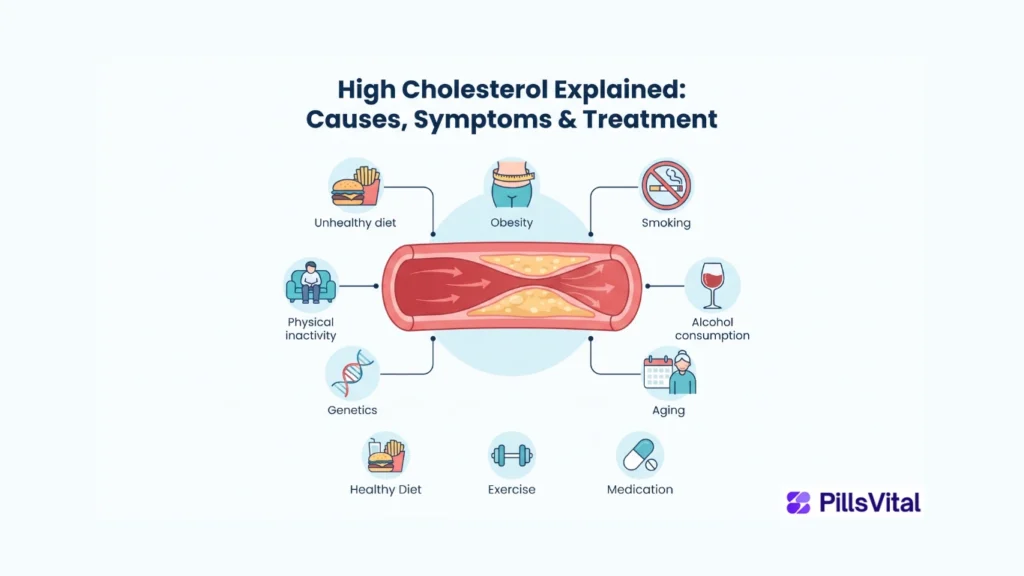
High cholesterol is one of the leading risk factors for heart disease, heart attack, and stroke. The good news is that your daily diet can have a powerful impact on your cholesterol levels. Choosing foods rich in fiber, healthy fats, antioxidants, and plant compounds can naturally reduce LDL (“bad”) cholesterol while increasing HDL (“good”) cholesterol.

Whether you’re trying to prevent cardiovascular disease or improve your cholesterol without relying solely on medication, adopting heart-healthy eating habits is one of the most effective lifestyle changes you can make.

In this guide, you’ll discover the 15 best foods to lower cholesterol naturally, how they work, and simple ways to include them in your meals.

Understanding Cholesterol

Cholesterol is a waxy substance found in your blood that your body needs for hormone production, vitamin D synthesis, and cell function.

There are two primary types:

  • LDL (Low-Density Lipoprotein): Known as bad cholesterol because it builds plaque inside arteries.
  • HDL (High-Density Lipoprotein): Helps remove excess cholesterol from the bloodstream.

A healthy diet aims to:

  • Lower LDL cholesterol
  • Increase HDL cholesterol
  • Reduce triglycerides
  • Improve overall cardiovascular health

Why Diet Matters

Food directly affects cholesterol production and absorption.

A heart-friendly diet helps by:

  • Reducing cholesterol absorption
  • Increasing cholesterol removal
  • Lowering inflammation
  • Supporting healthy blood vessels
  • Promoting healthy body weight

Combined with exercise and weight management, proper nutrition can significantly improve cholesterol levels.

15 Best Foods to Lower Cholesterol Naturally

1. Oats

Oats are one of the most researched cholesterol-lowering foods.

Why they help

Oats contain beta-glucan, a soluble fiber that binds cholesterol in the digestive tract and removes it from the body.

Benefits

  • Lowers LDL cholesterol
  • Supports digestion
  • Keeps you full longer
  • Helps control blood sugar

Best serving: 1 bowl of oatmeal daily.

2. Barley

Barley is another whole grain rich in soluble fiber.

Benefits

  • Reduces LDL cholesterol
  • Improves gut health
  • Supports healthy blood sugar
  • Promotes heart health

3. Beans and Lentils

Legumes are packed with fiber and plant protein.

Examples include:

  • Black beans
  • Kidney beans
  • Chickpeas
  • Lentils

Benefits

  • Lowers LDL cholesterol
  • Increases fullness
  • Helps weight loss
  • Supports heart health

4. Fatty Fish

Fish rich in omega-3 fatty acids protect the heart.

Best choices include:

  • Salmon
  • Sardines
  • Mackerel
  • Tuna
  • Trout

Benefits

  • Raises HDL cholesterol
  • Lowers triglycerides
  • Reduces inflammation
  • Supports healthy blood pressure

Eat fish 2–3 times per week.

5. Avocados

Avocados provide healthy monounsaturated fats.

Benefits

  • Reduce LDL cholesterol
  • Increase HDL cholesterol
  • Rich in potassium
  • High in fiber

6. Nuts

Healthy nuts include:

  • Almonds
  • Walnuts
  • Pistachios
  • Pecans

Benefits

  • Lower LDL
  • Improve blood vessel function
  • Provide healthy fats
  • Rich in antioxidants

Limit portions to one handful daily.

7. Olive Oil

Extra virgin olive oil is a cornerstone of the Mediterranean diet.

Benefits

  • Rich in monounsaturated fats
  • Reduces inflammation
  • Improves HDL cholesterol
  • Supports heart health

Use it instead of butter whenever possible.

8. Apples

Apples contain pectin, a soluble fiber that helps lower cholesterol.

Benefits

  • Reduces LDL
  • Improves digestion
  • Rich in antioxidants
  • Supports healthy weight

9. Berries

Choose:

  • Blueberries
  • Strawberries
  • Raspberries
  • Blackberries

Benefits

  • Rich in antioxidants
  • Reduce oxidative stress
  • Improve blood vessel function
  • Lower inflammation

10. Leafy Green Vegetables

Examples include:

  • Spinach
  • Kale
  • Swiss chard
  • Collard greens

Benefits

  • High in antioxidants
  • Rich in fiber
  • Support artery health
  • Low in calories

11. Soy Foods

Healthy soy foods include:

  • Tofu
  • Edamame
  • Soy milk
  • Tempeh

Benefits

  • Lower LDL cholesterol
  • Good plant protein source
  • Heart-friendly alternative to red meat

12. Flaxseeds and Chia Seeds

These seeds are nutritional powerhouses.

Benefits

  • Rich in omega-3 fats
  • High soluble fiber
  • Improve heart health
  • Reduce cholesterol

Add one tablespoon to smoothies or yogurt.

13. Garlic

Garlic contains natural compounds that may improve cardiovascular health.

Benefits

  • Slightly lowers cholesterol
  • Reduces blood pressure
  • Supports healthy circulation

14. Green Tea

Green tea contains catechins, powerful antioxidants.

Benefits

  • Improves cholesterol levels
  • Supports metabolism
  • Protects blood vessels
  • Reduces inflammation

15. Dark Chocolate (70% Cocoa or Higher)

In moderation, dark chocolate provides flavonoids.

Benefits

  • Improves HDL
  • Protects blood vessels
  • Rich in antioxidants

Limit intake to small portions due to calories.

Foods to Limit

Reducing unhealthy foods is just as important as eating healthy ones.

Avoid or limit:

  • Fried foods
  • Fast food
  • Processed meats
  • Butter
  • Full-fat dairy
  • Trans fats
  • Packaged snacks
  • Sugary beverages
  • Pastries
  • Refined carbohydrates

Sample One-Day Cholesterol-Lowering Meal Plan

Breakfast

  • Oatmeal with berries
  • Flaxseeds
  • Green tea

Mid-Morning Snack

  • Apple
  • Handful of almonds

Lunch

  • Grilled salmon
  • Brown rice
  • Steamed broccoli
  • Mixed salad with olive oil

Afternoon Snack

  • Low-fat Greek yogurt
  • Chia seeds

Dinner

  • Lentil soup
  • Mixed vegetables
  • Whole-grain bread

Evening

Herbal tea

Additional Lifestyle Tips

Food works best when combined with healthy habits.

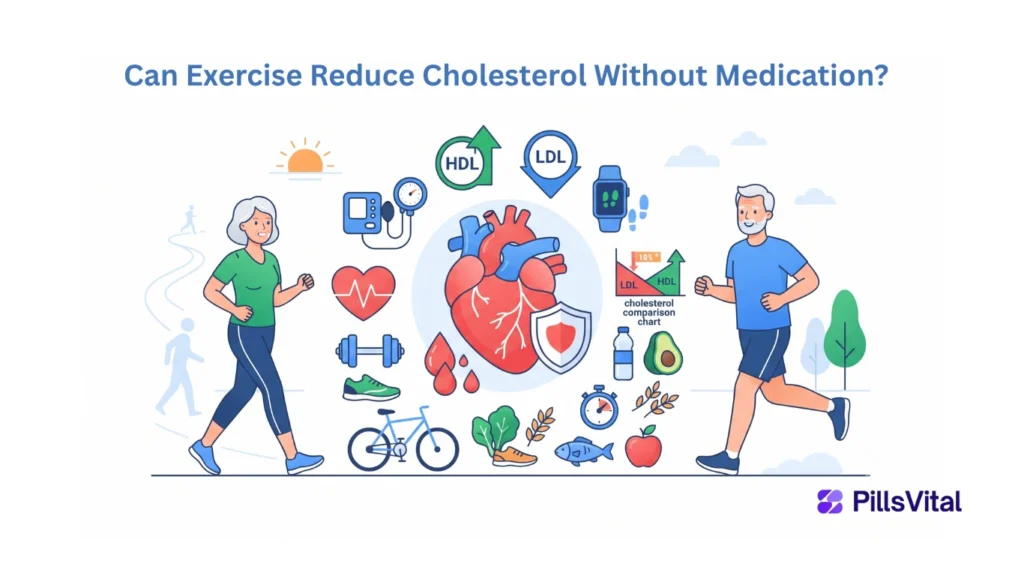
  • Exercise at least 150 minutes each week.
  • Maintain a healthy body weight.
  • Stop smoking.
  • Limit alcohol intake.
  • Get 7–9 hours of quality sleep.
  • Manage stress through relaxation techniques.
  • Have regular cholesterol screenings.

When Diet Alone May Not Be Enough

Some people have genetic high cholesterol (familial hypercholesterolemia) or very high LDL levels that require medication. Even if you take cholesterol-lowering medicine, maintaining a healthy diet improves treatment outcomes and reduces cardiovascular risk.

Consult your healthcare provider if your cholesterol remains elevated despite lifestyle changes.

❓ FAQs

Can foods really lower cholesterol?

Yes. Foods rich in soluble fiber, healthy fats, and plant sterols can significantly lower LDL cholesterol when combined with a healthy lifestyle.

Apples, berries, citrus fruits, pears, and avocados are among the best fruits for supporting healthy cholesterol levels.

For most healthy adults, moderate egg consumption does not significantly increase blood cholesterol. Overall dietary patterns are more important than a single food.

Many people begin to see improvements within 6–12 weeks after consistently following a heart-healthy diet and exercising regularly.

Yes. Oats contain beta-glucan, a soluble fiber proven to reduce LDL cholesterol.

Final Thoughts

Lowering cholesterol naturally starts with everyday food choices. Whole grains, legumes, fruits, vegetables, nuts, seeds, fatty fish, and healthy oils provide nutrients that protect your heart and improve cholesterol balance.

Combined with regular physical activity, weight management, and healthy lifestyle habits, these foods can significantly reduce your risk of heart disease and support long-term cardiovascular health. Prioritizing a balanced diet today is one of the most effective investments you can make in your future health.

Related Health Resources
Dr Emily Carter PharmD
Written By
Dr. Emily Carter, PharmD
Medical Content Reviewer & Health Research Writer

Dr. Emily Carter specializes in evidence-based health education and wellness content. She focuses on simplifying complex medical topics related to cancer awareness, nutrition, preventive healthcare, skincare, and lifestyle wellness for readers worldwide.

🩺
Medically Reviewed
Reviewed for Accuracy & Readability
Educational & Informational Health Content

This content is reviewed for medical accuracy, clarity, and alignment with current public health research. The article is intended for educational and informational purposes only and should not replace professional medical advice, diagnosis, or treatment.

Leave a Reply

Your email address will not be published. Required fields are marked *