
Can Exercise Reduce Cholesterol Without Medication? A Complete Science-Backed Guide
Introduction
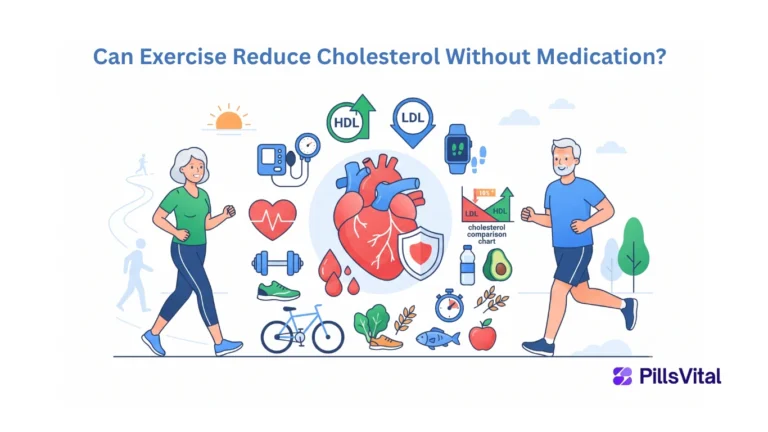
High cholesterol is one of the leading risk factors for heart disease and stroke worldwide. Many people discover they have high cholesterol only after a routine blood test because it often develops without noticeable symptoms. This has led millions to ask an important question: Can exercise reduce cholesterol without medication?
The encouraging answer is that regular physical activity can significantly improve cholesterol levels for many people, especially when combined with a healthy diet, weight management, and other lifestyle changes. Exercise helps lower harmful blood fats, raises protective cholesterol, improves circulation, and supports overall cardiovascular health. However, whether exercise alone is enough depends on factors such as your cholesterol levels, age, genetics, existing medical conditions, and overall heart disease risk.
According to the American Heart Association, regular physical activity is one of the most effective lifestyle habits for improving cardiovascular health and reducing the risk of heart disease.
If you’ve recently been diagnosed with high cholesterol or want to improve your heart health naturally, understanding how exercise works can help you make informed decisions. It’s also important to know the difference between LDL, HDL, and triglycerides because each responds differently to lifestyle changes.
In this comprehensive guide, you’ll learn how exercise affects cholesterol, which workouts are most effective, how much activity you need each week, how long it takes to see results, and when medication may still be necessary.
Understanding Cholesterol
Before exploring whether exercise can reduce cholesterol without medication, it’s essential to understand what cholesterol is and why maintaining healthy levels matters.
Cholesterol is a waxy, fat-like substance found in every cell of the body. Although it often has a negative reputation, cholesterol is actually vital for normal body functions. Your body uses it to build healthy cells, produce hormones, create vitamin D, and make bile acids that help digest fats. The National Heart, Lung, and Blood Institute (NHLBI) explains that maintaining healthy cholesterol levels helps reduce the risk of heart attack, stroke, and other cardiovascular diseases.
Most cholesterol is produced naturally by the liver, while the rest comes from foods such as meat, eggs, dairy products, and processed foods.
Problems occur when cholesterol becomes unbalanced—particularly when low-density lipoprotein (LDL) levels rise too high.
Types of Cholesterol
LDL (Low-Density Lipoprotein) – "Bad" Cholesterol
LDL transports cholesterol from the liver to body tissues. When LDL levels become excessive, cholesterol can accumulate inside artery walls, forming plaques that narrow blood vessels.
High LDL cholesterol increases the risk of:
- Coronary artery disease
- Heart attack
- Stroke
- Peripheral artery disease
Because of these risks, healthcare providers often focus on reducing LDL cholesterol as the primary treatment goal.
HDL (High-Density Lipoprotein) – "Good" Cholesterol
HDL performs the opposite role of LDL.
It removes excess cholesterol from the bloodstream and carries it back to the liver, where it is broken down and eliminated from the body.
Higher HDL levels are generally associated with:
- Lower heart disease risk
- Healthier blood vessels
- Better cholesterol balance
- Improved cardiovascular function
One of the greatest benefits of regular exercise is its ability to gradually increase HDL cholesterol.
Triglycerides
Triglycerides are another type of fat found in the blood.
After eating, your body converts excess calories into triglycerides and stores them in fat cells for future energy needs.
High triglyceride levels often occur alongside:
- Obesity
- Type 2 diabetes
- Insulin resistance
- Physical inactivity
- High sugar intake
Exercise is particularly effective at lowering triglycerides, sometimes within just a few weeks of consistent physical activity.
Why High Cholesterol Is Dangerous
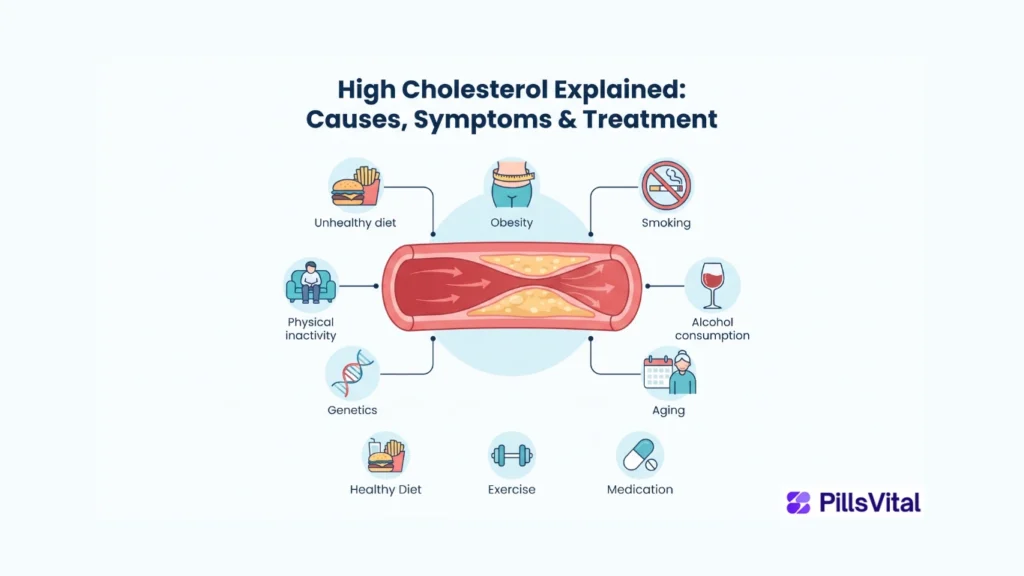
High cholesterol usually causes no symptoms, earning it the nickname “the silent risk factor.”
Over many years, excess LDL cholesterol gradually builds plaque inside arteries. This process, known as atherosclerosis, reduces blood flow and makes arteries less flexible.
As plaques enlarge, they may eventually rupture, forming dangerous blood clots that can block blood flow to the heart or brain.
Possible complications include:
- Heart attack
- Stroke
- Angina (chest pain)
- Poor circulation
- Kidney disease
- Peripheral artery disease
Fortunately, lifestyle changes—including regular exercise—can slow or even partially reverse some of these processes before serious complications develop.
Can Exercise Reduce Cholesterol Without Medication?
The short answer is yes—for many people, regular exercise can improve cholesterol levels without medication. However, the degree of improvement varies depending on your starting cholesterol levels, genetics, age, body weight, diet, and overall health.
Exercise works by changing how your body processes fats rather than simply burning calories. During physical activity, muscles require more energy, prompting the body to use circulating fats, including triglycerides, more efficiently. Regular exercise also stimulates enzymes that help transport LDL cholesterol away from arteries while encouraging the production of HDL cholesterol.
Research consistently shows that people who engage in regular aerobic exercise often experience:
- Lower LDL (“bad”) cholesterol
- Higher HDL (“good”) cholesterol
- Reduced triglycerides
- Better blood vessel function
- Lower blood pressure
- Improved insulin sensitivity
- Reduced inflammation
- Lower risk of heart disease
For individuals with mildly elevated cholesterol, exercise combined with a heart-healthy diet may be enough to bring cholesterol into a healthier range without medication.
However, exercise alone may not fully replace medication if someone has:
- Very high LDL cholesterol
- Familial hypercholesterolemia (an inherited condition causing extremely high cholesterol)
- Existing cardiovascular disease
- Diabetes with additional cardiovascular risk factors
- A history of heart attack or stroke
In these situations, doctors often recommend combining lifestyle improvements with cholesterol-lowering medications for the greatest protection.
The key takeaway is that exercise benefits everyone, regardless of whether medication is needed. Even people taking statins gain additional heart-health benefits from staying physically active.
How Exercise Affects LDL, HDL, and Triglycerides
Exercise improves cholesterol through several biological mechanisms that work together to support cardiovascular health. Research from MedlinePlus explains that regular exercise can increase HDL cholesterol while helping lower triglycerides and improving overall heart health.
1. Exercise Helps Lower LDL Cholesterol
Although exercise typically produces only a moderate reduction in LDL cholesterol, the improvement is still clinically meaningful.
Regular physical activity helps by:
- Increasing LDL receptor activity in the liver
- Enhancing cholesterol clearance from the bloodstream
- Reducing the oxidation of LDL particles
- Supporting healthy weight loss, which further lowers LDL
Even modest reductions in LDL cholesterol can significantly decrease long-term cardiovascular risk.
2. Exercise Raises HDL Cholesterol
One of exercise’s most consistent benefits is increasing HDL cholesterol.
Higher HDL levels help remove excess cholesterol from artery walls through a process called reverse cholesterol transport.
People who exercise regularly often develop:
- Higher HDL cholesterol
- Better HDL function
- Improved cholesterol recycling
- Reduced plaque formation
Aerobic activities such as brisk walking, jogging, swimming, and cycling appear particularly effective for improving HDL.
3. Exercise Significantly Lowers Triglycerides
Among all blood lipids, triglycerides often respond the fastest to increased physical activity.
Exercise reduces triglycerides by:
- Burning stored fat for energy
- Improving insulin sensitivity
- Increasing fat metabolism
- Reducing liver fat production
Many people notice measurable improvements in triglyceride levels within several weeks of maintaining a regular exercise routine.
4. Exercise Improves Cholesterol Particle Quality
Modern research suggests that cholesterol quality matters as much as cholesterol quantity.
Exercise promotes:
- Larger, less harmful LDL particles
- More efficient HDL particles
- Reduced inflammation inside blood vessels
- Healthier artery function
These changes reduce cardiovascular risk even if cholesterol numbers improve only modestly.
5. Weight Loss Amplifies Cholesterol Improvements
Exercise often contributes to gradual weight loss, which further enhances cholesterol control.
Losing just 5–10% of body weight can lead to meaningful improvements in:
- LDL cholesterol
- HDL cholesterol
- Triglycerides
- Blood pressure
- Blood sugar levels
Maintaining a healthy weight also reduces the risk of other chronic conditions, including type 2 diabetes and hypertension.
Why Exercise Improves Heart Health Beyond Cholesterol
Although cholesterol reduction is one of the primary reasons people begin exercising, its cardiovascular benefits extend much further.
Regular physical activity strengthens the heart muscle, allowing it to pump blood more efficiently with less effort. Over time, this improves circulation, lowers resting heart rate, and enhances oxygen delivery throughout the body.
Exercise also supports healthier blood vessels by improving the function of the endothelium—the thin inner lining of arteries. Healthy arteries remain more flexible, allowing blood to flow smoothly and reducing strain on the heart.
Other important heart-health benefits include:
- Lower blood pressure
- Reduced chronic inflammation
- Improved insulin sensitivity
- Better blood sugar regulation
- Reduced abdominal fat
- Lower risk of blood clots
- Improved stress management
- Better sleep quality
- Increased energy levels
These combined effects significantly reduce the risk of developing cardiovascular disease, even in people who already have elevated cholesterol.
Regular exercise also helps prevent several chronic diseases by improving metabolic health, reducing obesity, and supporting long-term heart function.
Best Exercises to Lower Cholesterol Naturally
Not all forms of exercise affect cholesterol in the same way. While any movement is better than a sedentary lifestyle, certain types of exercise have been shown to improve cholesterol levels more effectively than others.
The best exercise program combines aerobic activities, strength training, and flexibility exercises. This balanced approach helps lower LDL cholesterol, raise HDL cholesterol, reduce triglycerides, support weight management, and improve overall cardiovascular fitness.
If you’re new to exercise, remember that consistency matters far more than intensity. Starting with moderate activity and gradually increasing your fitness level is safer and more sustainable than trying to do too much too soon.
Walking: The Simplest Exercise for Better Cholesterol
Walking is one of the easiest and most effective exercises for improving cholesterol. It requires no expensive equipment, can be done almost anywhere, and is suitable for people of all ages and fitness levels.
Research has shown that brisk walking performed regularly can:
- Increase HDL (“good”) cholesterol
- Reduce triglyceride levels
- Improve blood circulation
- Lower blood pressure
- Support gradual weight loss
- Improve blood sugar control
Walking is especially beneficial for individuals who have been inactive or are recovering from illness because it places less stress on joints than higher-impact activities.
How Much Walking Is Recommended?
Aim for:
- 30–45 minutes per day
- At least 5 days per week
- Moderate pace where talking is possible but singing is difficult
Even shorter walks after meals may help improve blood sugar and fat metabolism.
Pro Tip: If your goal is also weight management, maintaining a healthy weight can further improve cholesterol levels.
Running and Jogging
Running and jogging burn more calories than walking, making them excellent choices for improving cholesterol and cardiovascular fitness.
Benefits include:
- Greater calorie expenditure
- Lower triglycerides
- Increased HDL cholesterol
- Better heart and lung function
- Reduced body fat
Beginners should gradually increase speed and distance to reduce the risk of injury.
Weekly Goal
- 20–40 minutes
- 3–5 sessions per week
Cycling
Cycling provides an excellent cardiovascular workout while placing less pressure on the knees and hips than running.
Whether outdoors or on a stationary bike, cycling can:
- Improve HDL cholesterol
- Lower triglycerides
- Strengthen leg muscles
- Improve endurance
- Reduce cardiovascular disease risk
Cycling is particularly suitable for people with arthritis or joint discomfort.
Swimming
Swimming is a full-body exercise that combines aerobic conditioning with muscle strengthening.
Advantages include:
- Low-impact on joints
- Improves circulation
- Burns significant calories
- Enhances heart function
- Supports healthy cholesterol levels
Swimming is an excellent option for older adults and individuals with obesity.
Strength Training
Many people believe only cardio helps cholesterol, but resistance training also plays an important role.
Building muscle increases resting metabolic rate, helping the body burn more calories even while at rest.
Strength training may:
- Reduce body fat
- Improve insulin sensitivity
- Lower LDL cholesterol
- Increase HDL cholesterol
- Improve overall metabolic health
Examples include:
- Free weights
- Resistance bands
- Bodyweight exercises
- Weight machines
Recommended Routine
Perform strength training:
- 2–3 times each week
- Work all major muscle groups
- Allow recovery between sessions
High-Intensity Interval Training (HIIT)
HIIT alternates short bursts of intense exercise with periods of recovery.
Example:
- 30 seconds fast walking or running
- 90 seconds slow walking
- Repeat for 20–30 minutes
Research suggests HIIT may:
- Improve cholesterol
- Lower triglycerides
- Increase HDL
- Improve insulin sensitivity
- Burn more calories in less time
However, beginners and individuals with heart disease should consult a healthcare professional before starting HIIT.
Yoga and Stretching
Although yoga burns fewer calories than aerobic exercise, it offers several indirect benefits for cholesterol management.
Yoga may help:
- Lower stress hormones
- Improve sleep quality
- Reduce blood pressure
- Support healthy eating habits
- Increase flexibility
Combining yoga with aerobic exercise provides comprehensive health benefits.
Combining Different Types of Exercise
The most effective cholesterol-lowering program includes a variety of activities.
A balanced weekly routine might look like:
Monday
- 30-minute brisk walk
- 20 minutes strength training
Tuesday
- Cycling or swimming for 40 minutes
Wednesday
- Walking and stretching
Thursday
- Resistance training
- Light jogging
Friday
- Brisk walk
Saturday
- HIIT session or cycling
Sunday
- Yoga or active recovery
This combination improves cardiovascular health while reducing the risk of overuse injuries.
How Much Exercise Do You Need to Lower Cholesterol?
Health organizations generally recommend the following weekly activity levels for adults. The Centers for Disease Control and Prevention (CDC) recommends that adults get at least 150 minutes of moderate-intensity aerobic activity each week along with muscle-strengthening activities on two or more days.
Moderate-Intensity Exercise
- At least 150 minutes per week
Examples:
- Brisk walking
- Recreational cycling
- Water aerobics
- Dancing
Vigorous Exercise
- 75 minutes per week
Examples:
- Running
- Fast cycling
- Swimming laps
- Hiking uphill
Muscle Strengthening
Include strength exercises on:
- Two or more days every week
Reduce Sitting Time
Long periods of sitting are associated with poorer cholesterol levels.
Simple ways to stay active:
- Stand every 30–60 minutes
- Walk during phone calls
- Take the stairs
- Park farther away
- Stretch during work breaks
Small lifestyle changes add up over time.
How Long Does It Take to See Results?
One of the most common questions people ask is:
“How quickly will exercise lower my cholesterol?”
The answer depends on:
- Starting cholesterol levels
- Exercise consistency
- Diet quality
- Body weight
- Genetics
- Existing medical conditions
Most people begin to see measurable improvements within 8–12 weeks of maintaining a consistent exercise routine.
Typical improvements include:
After 2–4 Weeks
- Increased energy
- Better endurance
- Improved blood circulation
- Lower blood pressure
After 6–8 Weeks
- Improved fitness
- Gradual weight loss
- Lower triglycerides
- Better blood sugar control
After 8–12 Weeks
Many people experience:
- Increased HDL cholesterol
- Reduced LDL cholesterol
- Lower triglycerides
- Better cardiovascular fitness
However, improvements vary from person to person. The greatest benefits occur when exercise is combined with cholesterol-friendly foods and other healthy lifestyle habits.
Factors That Influence Cholesterol Improvement
Not everyone responds to exercise in the same way. Several factors affect how much your cholesterol changes.
Age
Older adults can still improve cholesterol through regular physical activity, although changes may occur more gradually.
Weight
People who lose excess body weight often experience greater improvements in cholesterol than those who maintain the same weight.
Diet
Exercise works best when combined with a diet rich in:
- Vegetables
- Fruits
- Whole grains
- Beans
- Nuts
- Seeds
- Healthy fats
- Lean proteins
Limiting saturated fat, trans fat, and highly processed foods further supports cholesterol reduction.
Smoking
Smoking lowers HDL cholesterol and damages blood vessels. Quitting smoking enhances the positive effects of exercise.
Alcohol
Excessive alcohol consumption can raise triglyceride levels. Moderate or no alcohol is generally better for heart health.
Sleep
Poor sleep is associated with unhealthy cholesterol levels and increased cardiovascular risk. Maintaining good sleep habits supports the benefits of regular exercise.
Common Exercise Mistakes That Limit Results
Many people become discouraged because they don’t see immediate improvements. Often, simple mistakes reduce the effectiveness of their efforts.
Avoid these common pitfalls:
- Exercising only on weekends
- Stopping after a few weeks
- Ignoring strength training
- Remaining sedentary for most of the day
- Eating unhealthy foods after workouts
- Expecting overnight results
- Skipping warm-ups and cool-downs
- Exercising inconsistently
Remember, cholesterol changes occur gradually. A sustainable routine is far more effective than short bursts of intense activity followed by long periods of inactivity.
Exercise vs. Diet for Cholesterol Control
Many people wonder whether exercise or diet plays a bigger role in lowering cholesterol. The truth is that both work together, and neither should be ignored. While exercise helps your body use fats more efficiently and improves heart health, a balanced diet directly affects the amount and type of cholesterol circulating in your bloodstream.
Exercise primarily:
- Raises HDL (“good”) cholesterol
- Lowers triglycerides
- Improves blood circulation
- Supports weight loss
- Enhances insulin sensitivity
A heart-healthy diet primarily:
- Lowers LDL (“bad”) cholesterol
- Reduces saturated and trans fat intake
- Provides soluble fiber that helps remove cholesterol
- Supports healthy body weight
Foods That Support Healthy Cholesterol
Choose foods such as:
- Oats and whole grains
- Beans and lentils
- Apples and berries
- Avocados
- Almonds and walnuts
- Olive oil
- Fatty fish like salmon and sardines
- Leafy green vegetables
Limit:
- Fried foods
- Processed snacks
- Sugary beverages
- Fatty cuts of red meat
- Processed meats
- Foods high in trans fats
Can Exercise Replace Cholesterol Medication?
This is one of the most frequently asked questions after a diagnosis of high cholesterol.
Clinical cholesterol treatment recommendations published by the American College of Cardiology (ACC) emphasize that lifestyle modifications remain the foundation of cardiovascular disease prevention, even when cholesterol-lowering medications are prescribed.
For some individuals with mildly elevated cholesterol, lifestyle changes—including exercise, a healthy diet, weight management, and smoking cessation—may reduce cholesterol enough that medication is not required.
However, exercise should not replace prescribed medication without medical advice.
Medication may still be necessary if you have:
- LDL cholesterol above recommended targets
- Familial hypercholesterolemia
- Diabetes with high cardiovascular risk
- Previous heart attack or stroke
- Multiple cardiovascular risk factors
- Significant plaque buildup in arteries
Even if medication is prescribed, exercise remains one of the most effective ways to improve overall cholesterol treatment and reduce cardiovascular risk.
Think of exercise as a powerful partner to medication—not necessarily a replacement.
Lifestyle Habits That Improve Cholesterol
Exercise works best when combined with other healthy habits. Small daily changes can produce significant long-term improvements.
Maintain a Healthy Weight
Even losing 5–10% of your body weight can:
- Lower LDL cholesterol
- Reduce triglycerides
- Increase HDL cholesterol
- Improve blood pressure
- Improve blood sugar control
Get Enough Sleep
Adults should aim for 7–9 hours of quality sleep each night.
Poor sleep can:
- Increase inflammation
- Disrupt hormone balance
- Increase appetite
- Raise cardiovascular risk
Learn more about the effects of poor sleep
Manage Stress
Long-term stress increases cortisol levels, which may contribute to:
- Weight gain
- Poor eating habits
- High blood pressure
- Elevated cholesterol
Effective stress-management techniques include:
- Meditation
- Deep breathing
- Yoga
- Walking outdoors
- Reading
- Spending time with family
Learn how chronic stress affects long-term health.
Quit Smoking
Smoking:
- Damages blood vessels
- Lowers HDL cholesterol
- Accelerates plaque formation
- Increases heart attack risk
Quitting smoking improves cardiovascular health almost immediately.
Limit Alcohol
Heavy alcohol intake may increase triglycerides and contribute to weight gain.
If you drink alcohol, do so in moderation according to your healthcare provider’s recommendations.
Who Should Talk to a Doctor Before Starting Exercise?
Although exercise is safe for most people, certain individuals should seek medical advice before beginning a new exercise program.
Consult your healthcare provider if you:
- Have heart disease
- Experience chest pain
- Have uncontrolled high blood pressure
- Have severe obesity
- Have diabetes with complications
- Experience dizziness during activity
- Have recently undergone surgery
- Have joint problems limiting mobility
A healthcare professional can recommend an exercise plan appropriate for your fitness level and medical history.
Common Myths About Exercise and Cholesterol
Myth 1: Walking Doesn't Help Cholesterol
Fact: Brisk walking performed consistently can significantly improve HDL cholesterol and reduce triglycerides.
Myth 2: Only Intense Exercise Works
Fact: Moderate exercise performed regularly is highly effective for improving cardiovascular health.
Myth 3: You Must Lose Weight First
Fact: Exercise improves cholesterol even before noticeable weight loss occurs.
Myth 4: Medication Means Exercise Isn't Necessary
Fact: Exercise provides benefits beyond cholesterol reduction, including better circulation, lower blood pressure, and improved heart function.
Myth 5: Results Should Be Immediate
Fact: Most people need several weeks of consistent exercise before cholesterol improvements become measurable.
❓ FAQs
Can exercise reduce cholesterol without medication?
Yes. For many individuals with mild to moderate high cholesterol, regular exercise combined with healthy eating and weight management can significantly improve cholesterol levels. However, some people still require medication based on their cardiovascular risk.
Which exercise lowers cholesterol the fastest?
Aerobic exercises such as brisk walking, running, cycling, and swimming are among the most effective activities for improving cholesterol.
How many days a week should I exercise?
Aim for at least 150 minutes of moderate aerobic activity each week plus two strength-training sessions.
Is walking enough to lower cholesterol?
Yes. Brisk walking for 30–45 minutes on most days can improve HDL cholesterol, reduce triglycerides, and support overall heart health.
Can strength training improve cholesterol?
Yes. Resistance training improves metabolism, supports healthy weight management, and contributes to healthier cholesterol levels.
How long does it take to lower cholesterol through exercise?
Most people notice measurable improvements within 8–12 weeks of consistent physical activity combined with a healthy lifestyle.
Should I stop taking statins if I start exercising?
No. Never stop prescribed cholesterol medication without consulting your healthcare provider.
Can young adults benefit from exercise for cholesterol?
Absolutely. Developing healthy exercise habits early in life helps reduce the long-term risk of cardiovascular disease.
Conclusion
Regular exercise is one of the most effective natural strategies for improving cholesterol and protecting long-term heart health. Whether you enjoy walking, cycling, swimming, jogging, or strength training, staying active helps lower harmful blood fats, increase protective HDL cholesterol, improve circulation, and reduce the risk of cardiovascular disease.
For many people with mildly elevated cholesterol, consistent physical activity—combined with a nutritious diet and healthy lifestyle—can produce meaningful improvements without medication. However, individuals with inherited high cholesterol, existing heart disease, or multiple cardiovascular risk factors may still require medication as part of their treatment plan.
The most important step is consistency. Even moderate exercise performed regularly can deliver lasting benefits and improve your overall quality of life. The World Health Organization (WHO) recognizes cardiovascular disease as the leading cause of death worldwide and recommends regular physical activity as a key strategy for prevention.
Related Health Resources
-
Rosuvastatin 10mg (Crestor) Tablets
$398.00 – $788.00Price range: $398.00 through $788.00 This product has multiple variants. The options may be chosen on the product page -
Rosuvastatin 5mg (Crestor) Tablets
$78.00 – $150.00Price range: $78.00 through $150.00 This product has multiple variants. The options may be chosen on the product page
❤️ Related Guides

Dr. Emily Carter specializes in evidence-based health education and wellness content. She focuses on simplifying complex medical topics related to cancer awareness, nutrition, preventive healthcare, skincare, and lifestyle wellness for readers worldwide.
This content is reviewed for medical accuracy, clarity, and alignment with current public health research. The article is intended for educational and informational purposes only and should not replace professional medical advice, diagnosis, or treatment.