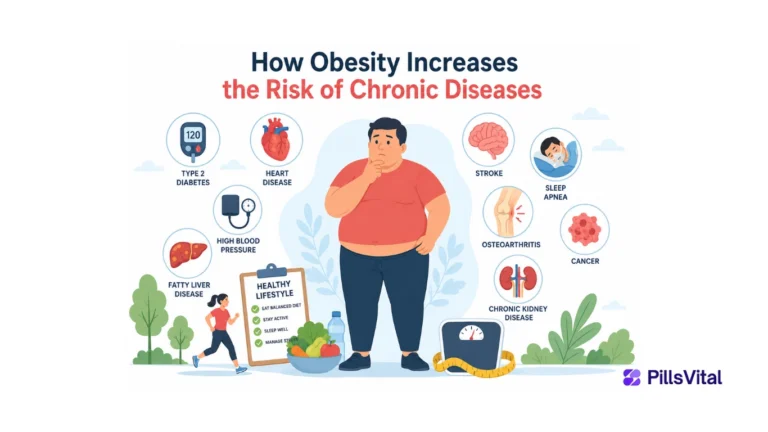
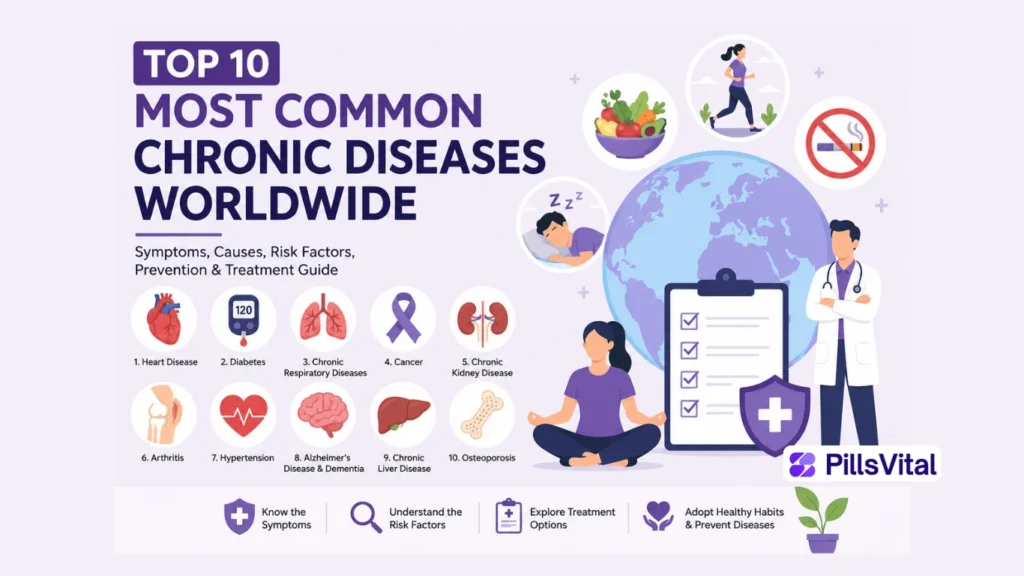
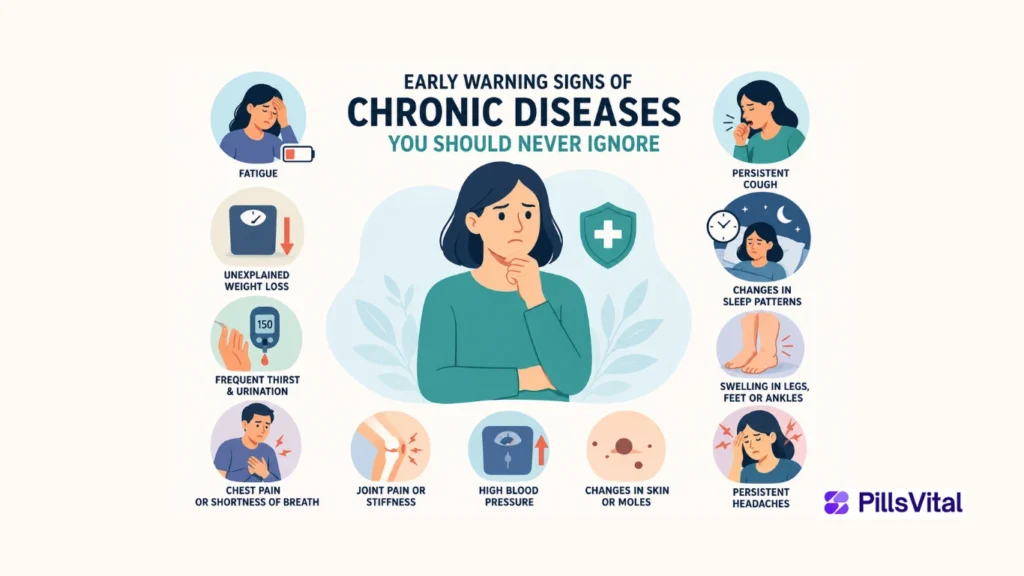
Obesity has become one of the biggest public health challenges worldwide. While many people associate excess weight with appearance, the real concern is its impact on long-term health. Carrying too much body fat significantly increases the likelihood of developing several chronic diseases that can reduce both quality of life and life expectancy.
The good news is that even modest weight loss can improve many health markers and lower the risk of serious medical conditions.
In this guide, you’ll learn how obesity affects the body, which chronic diseases it increases the risk for, and practical steps you can take to improve your health.
What Is Obesity?
Obesity is a condition in which excess body fat accumulates to the point that it may negatively affect health. It develops when calorie intake consistently exceeds calorie expenditure over time, although genetics, hormones, medications, sleep, and lifestyle also play important roles.
Healthcare providers often use the Body Mass Index (BMI) as a screening tool, but waist circumference and body fat distribution are also important indicators because abdominal fat carries a particularly high health risk.
Reference: World Health Organization β Obesity and overweight
Why Excess Body Fat Causes Chronic Disease
Fat tissue is not simply stored energyβit functions as an active organ.
When excess fat builds up, especially around the abdomen, it can:
- Increase chronic inflammation
- Cause insulin resistance
- Raise blood pressure
- Disrupt hormone balance
- Increase cholesterol and triglycerides
- Damage blood vessels
- Affect liver function
- Place extra stress on joints
Over time, these changes contribute to many chronic illnesses.
1. Type 2 Diabetes
One of the strongest links between obesity and chronic disease is Type 2 diabetes.
Excess abdominal fat makes cells less responsive to insulin, forcing the pancreas to produce more insulin. Eventually, blood sugar levels rise, leading to diabetes.
Common symptoms include:
- Frequent urination
- Increased thirst
- Blurred vision
- Fatigue
- Slow wound healing
People who maintain a healthy weight significantly reduce their risk of developing Type 2 diabetes.
Source: Centers for Disease Control and Prevention β Adult Obesity Facts
People who maintain a healthy weight significantly reduce their risk of developing Type 2 diabetes.
Read our complete guide: Can Chronic Diseases Be Reversed?
2. Heart Disease
Obesity increases the workload on the heart.
Extra body fat often leads to:
- High LDL cholesterol
- Low HDL cholesterol
- High blood pressure
- Increased inflammation
- Narrowed arteries
Together, these factors dramatically raise the risk of heart attack and cardiovascular disease.
Reference: American Heart Association β Obesity and Heart Disease
3. Stroke
High blood pressure caused by obesity damages blood vessels over time.
This increases the likelihood of:
- Blood clots
- Blocked arteries
- Brain hemorrhage
Maintaining a healthy weight is one of the most effective ways to lower stroke risk.
4. High Blood Pressure (Hypertension)
Excess body weight forces the heart to pump harder to circulate blood throughout the body.
As a result:
- Blood vessels become damaged.
- Blood pressure rises.
- The heart enlarges.
- Kidney damage may develop.
Even losing 5β10% of body weight can noticeably reduce blood pressure.
5. Fatty Liver Disease
Obesity is one of the leading causes of non-alcoholic fatty liver disease (NAFLD).
Too much fat accumulates inside liver cells, leading to:
- Liver inflammation
- Fibrosis
- Cirrhosis
- Liver failure (in severe cases)
Healthy eating and gradual weight loss are considered the primary treatment.
6. Sleep Apnea
Fat deposits around the neck narrow the airway during sleep.
This causes:
- Loud snoring
- Interrupted breathing
- Poor sleep quality
- Daytime fatigue
Sleep apnea also increases the risk of high blood pressure, heart disease, and diabetes.
Learn more: Why Sleep Is Essential for Long-Term Health
7. Osteoarthritis
Extra weight places tremendous pressure on weight-bearing joints.
The knees, hips, and lower back experience accelerated wear and tear, increasing the risk of:
- Joint pain
- Cartilage damage
- Reduced mobility
- Disability
Weight loss often helps relieve symptoms.
8. Certain Types of Cancer
Research suggests obesity increases the risk of several cancers, including:
- Breast cancer
- Colon cancer
- Endometrial cancer
- Kidney cancer
- Esophageal cancer
- Liver cancer
Scientists believe chronic inflammation and hormonal changes play important roles.
Related Reading: Understanding Modern Cancer Treatment Options
Learn more: National Cancer Institute β Obesity and Cancer
9. Chronic Kidney Disease
Obesity contributes to kidney disease through:
- Diabetes
- High blood pressure
- Chronic inflammation
Over time, kidney function gradually declines, sometimes requiring dialysis.
Mental Health and Obesity
Living with obesity may also affect emotional well-being.
Some individuals experience:
- Depression
- Anxiety
- Low self-esteem
- Social isolation
Mental health support should be considered an important part of weight management.
Can Losing Weight Reduce Disease Risk?
Yes.
Studies consistently show that losing even 5β10% of body weight can produce meaningful health improvements.
Benefits include:
- Better blood sugar control
- Lower blood pressure
- Improved cholesterol
- Better sleep
- Less joint pain
- Reduced inflammation
- Lower risk of heart disease
Weight loss doesn’t have to be dramatic to make a difference.
Healthy Ways to Prevent Obesity
Rather than following extreme diets, focus on sustainable habits.
Eat Balanced Meals
Include:
- Vegetables
- Fruits
- Whole grains
- Lean proteins
- Healthy fats
Limit:
- Sugary drinks
- Ultra-processed foods
- Excessive fast food
Stay Physically Active
Aim for:
- At least 150 minutes of moderate exercise weekly
- Strength training twice weekly
- Daily walking
Get Enough Sleep
Poor sleep disrupts hormones that regulate hunger, making weight gain more likely.
Adults should aim for 7β9 hours of quality sleep each night.
Manage Stress
Chronic stress may increase emotional eating and weight gain.
Helpful strategies include:
- Meditation
- Deep breathing
- Yoga
- Walking
- Talking with supportive friends or professionals
Regular Health Checkups
Routine medical visits help identify:
- Diabetes
- High cholesterol
- High blood pressure
- Weight changes
Early intervention can prevent complications.
When to Seek Medical Advice
Consult a healthcare provider if you:
- Have a BMI in the obesity range
- Experience unexplained weight gain
- Develop high blood pressure
- Have elevated blood sugar
- Experience persistent fatigue
- Have difficulty exercising because of weight-related pain
Personalized treatment plans can significantly improve long-term outcomes.
Final Thoughts
Obesity is much more than carrying extra weightβit affects nearly every organ in the body. From diabetes and heart disease to fatty liver disease, sleep apnea, and certain cancers, obesity increases the risk of many chronic illnesses.
The encouraging news is that small, consistent lifestyle changes can greatly improve health. Healthy eating, regular physical activity, quality sleep, and routine medical care all play important roles in reducing disease risk and supporting long-term well-being.
β FAQs
1. How does obesity increase the risk of chronic diseases?
Obesity increases the risk of chronic diseases by causing chronic inflammation, insulin resistance, high blood pressure, and unhealthy cholesterol levels. These changes can contribute to conditions such as type 2 diabetes, heart disease, stroke, fatty liver disease, and certain cancers.
2. Which chronic diseases are most commonly linked to obesity?
Obesity is commonly linked to type 2 diabetes, heart disease, high blood pressure, stroke, non-alcoholic fatty liver disease (NAFLD), sleep apnea, osteoarthritis, chronic kidney disease, and several types of cancer.
3. Can losing weight reduce the risk of chronic diseases?
Yes. Losing even 5β10% of your body weight can improve blood sugar control, lower blood pressure, reduce cholesterol levels, decrease inflammation, and lower the risk of developing many chronic diseases.
4. Is abdominal fat more dangerous than other body fat?
Yes. Excess abdominal (visceral) fat surrounds internal organs and is strongly associated with insulin resistance, cardiovascular disease, type 2 diabetes, and metabolic syndrome, making it more harmful than fat stored elsewhere.
5. What are the best ways to prevent obesity-related chronic diseases?
The best ways include eating a balanced diet, staying physically active, maintaining a healthy weight, getting enough sleep, managing stress, avoiding tobacco, limiting alcohol, and having regular health checkups.
6. When should I see a doctor about obesity?
You should consult a healthcare provider if you have obesity, experience rapid or unexplained weight gain, have symptoms such as high blood pressure or high blood sugar, or struggle to lose weight despite making healthy lifestyle changes.
Related Health Resources
-

Rosuvastatin 5mg (Crestor) Tablets
$78.00 – $150.00Price range: $78.00 through $150.00 This product has multiple variants. The options may be chosen on the product page -

Metformin 500mg (Okamet) Tablets
$48.00 – $92.00Price range: $48.00 through $92.00 This product has multiple variants. The options may be chosen on the product page -

Thyroxine 125mcg (Eltroxin) Tablets
$40.00 – $112.00Price range: $40.00 through $112.00 This product has multiple variants. The options may be chosen on the product page -

Asthalin Respirator Solution 15ml (Salbutamol)
$15.00 – $41.00Price range: $15.00 through $41.00 This product has multiple variants. The options may be chosen on the product page
π©Ί Related Guides


Dr. Emily Carter specializes in evidence-based health education and wellness content. She focuses on simplifying complex medical topics related to cancer awareness, nutrition, preventive healthcare, skincare, and lifestyle wellness for readers worldwide.
This content is reviewed for medical accuracy, clarity, and alignment with current public health research. The article is intended for educational and informational purposes only and should not replace professional medical advice, diagnosis, or treatment.